championtribe73
Introduction: The Evolution of Gaming into Esports
The world of competitive gaming has come a long way since its humble beginnings in arcades and local LAN parties. What was once a niche hobby for a small group of enthusiasts has now blossomed into a global phenomenon, with millions of viewers tuning in to watch professional players compete for multi-million-dollar prizes. Esports, short for electronic sports, has transformed gaming from a pastime into a professional industry, attracting sponsorships, endorsements, and a growing fanbase.
Esports has become a legitimate part of the sports and entertainment landscape, with its own stars, tournaments, and culture. It has gained recognition not just from gamers but also from traditional sports organizations, major broadcasters, and even universities offering scholarships for aspiring players. As esports continues to grow, it’s reshaping how we think about competition, entertainment, and the future of sports in the digital age.
This blog will delve into the rise of esports, its global impact, and what the future holds for this fast-growing industry.
What is Esports? A New Form of Competitive Gaming
At its core, esports refers to organized, multiplayer video game competitions, particularly between professional players, individually or as teams. While competitive gaming has existed for decades, it is the advent of high-speed internet and platforms like Twitch, YouTube Gaming, and various gaming leagues that have turned esports into a globally recognized sport.
The games themselves vary widely, from first-person shooters (FPS) like Counter-Strike and Call of Duty, to multiplayer online battle arenas (MOBAs) such as League of Legends and Dota 2, to real-time strategy (RTS) games like StarCraft II, to sports simulation games like FIFA and NBA 2K. Esports competitions can range from local tournaments to massive international events with millions of dollars in prize money.
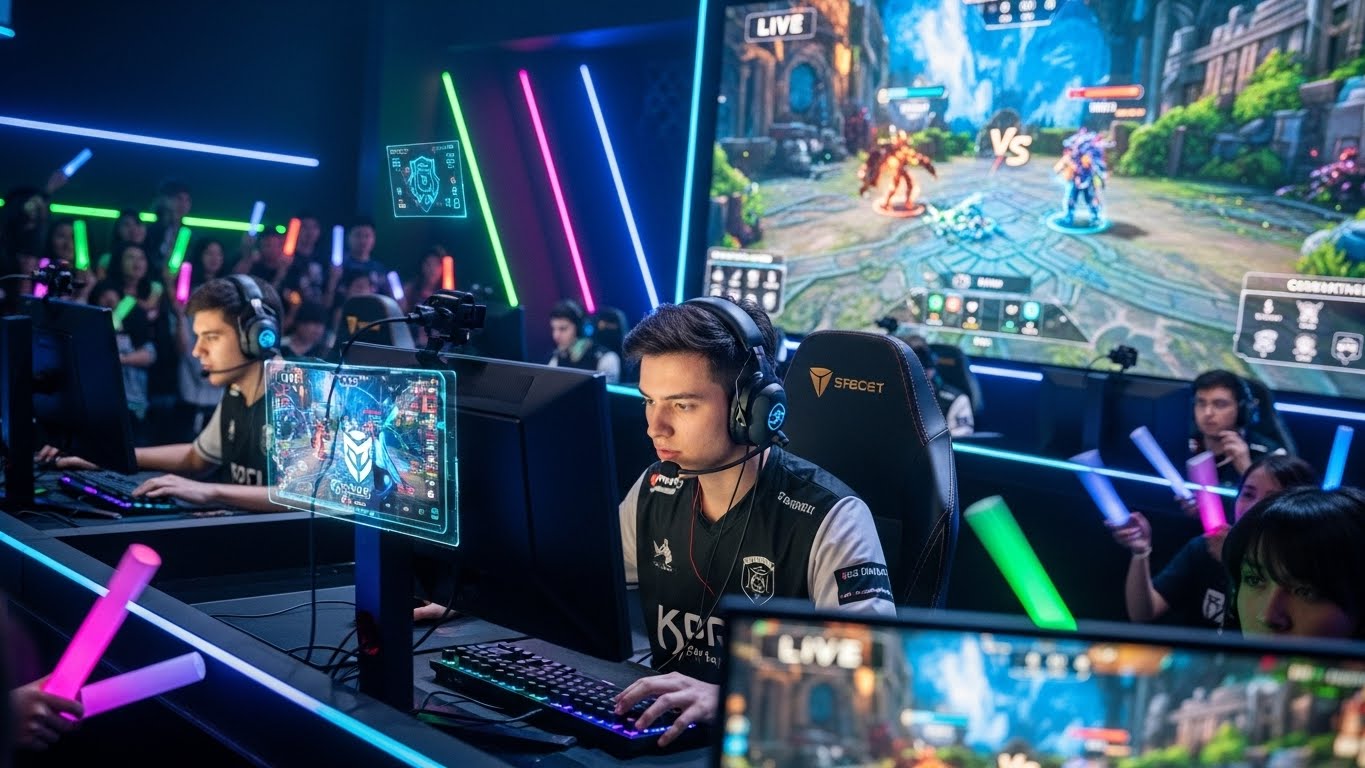
Unlike traditional sports, where physical prowess plays a central role, esports focuses on mental agility, strategic thinking, and hand-eye coordination. Professional players must spend countless hours mastering their games, practicing strategies, and fine-tuning their reflexes. This level of dedication and expertise has led many to view esports as a legitimate form of competition, deserving of the same respect and recognition as traditional sports.
The Rise of Esports: From Niche to Mainstream
Esports didn’t become a global powerhouse overnight. It has been a gradual journey marked by key moments that helped propel it into the mainstream. Early esports competitions were small and took place in obscure locations, often consisting of enthusiasts who loved to test their skills against one another. The 1990s saw the rise of local LAN parties and competitions, where gamers would connect their PCs and compete against each other in games like Quake and Warcraft.
The real turning point for esports came with the advent of online multiplayer gaming. Games like StarCraft and Warcraft III introduced the concept of large-scale, online tournaments, where players could compete against opponents from around the world. In the mid-2000s, titles like Counter-Strike and League of Legends began to dominate the competitive scene, with the latter eventually becoming one of the most popular esports titles in history.
Twitch, the live-streaming platform founded in 2011, played a pivotal role in esports’ meteoric rise. It allowed gamers to not only watch their favorite players and teams compete live but also to interact with them in real-time. Twitch’s success laid the foundation for esports to attract sponsorships from major brands and to generate revenue through streaming, advertising, and merchandise sales.
The turning point for esports on a global scale came in the late 2010s when major brands like Coca-Cola, Intel, and Red Bull started investing in esports events. Large-scale tournaments like The International (Dota 2), League of Legends World Championship, and Overwatch League became marquee events with millions in prize money and viewership numbers rivaling traditional sports.
Esports and the Business Boom: Sponsorships, Media, and Revenue
Esports is no longer just about gamers playing in basements or small convention centers. It has grown into a multi-billion-dollar industry. The growth of the esports ecosystem has been fueled by a combination of factors, including increased media rights, sponsorships, and merchandise sales. Major brands from outside the gaming industry, such as Nike, Mercedes-Benz, and Audi, are now involved in esports, signing sponsorship deals with teams and events.
One of the main sources of revenue for esports is sponsorship. Much like traditional sports, esports teams and players sign lucrative sponsorship deals with tech companies, energy drinks, apparel brands, and more. These sponsors help to fund player salaries, team infrastructure, and tournament prize pools. Brands are also keen to target esports audiences, who tend to be younger, tech-savvy, and highly engaged with digital content.
Media rights are another significant revenue stream. Just like how TV networks pay for the rights to broadcast major sports events, companies now pay for the rights to air esports competitions. Platforms like Twitch, YouTube Gaming, and Facebook Gaming are leading the charge, with esports tournaments being streamed live to millions of viewers. Major esports events are also being broadcast on traditional television networks, further cementing esports as a legitimate form of entertainment.
The Esports Audience: A Global, Diverse, and Passionate Community
Esports has attracted a diverse and passionate audience. Unlike traditional sports, where fandom is often limited by geography or cultural boundaries, esports fans come from all corners of the world. Players and teams compete on a global stage, and fans tune in from different countries to support their favorite players or franchises.
The demographic of esports fans is younger than that of traditional sports. According to a report from Newzoo, the majority of esports fans are between the ages of 18 and 34, with a significant portion being male. However, the gender gap is slowly narrowing, with more women participating in esports as players, coaches, and fans. This global and inclusive audience is one of the reasons why esports has become such a powerful force in the entertainment industry.
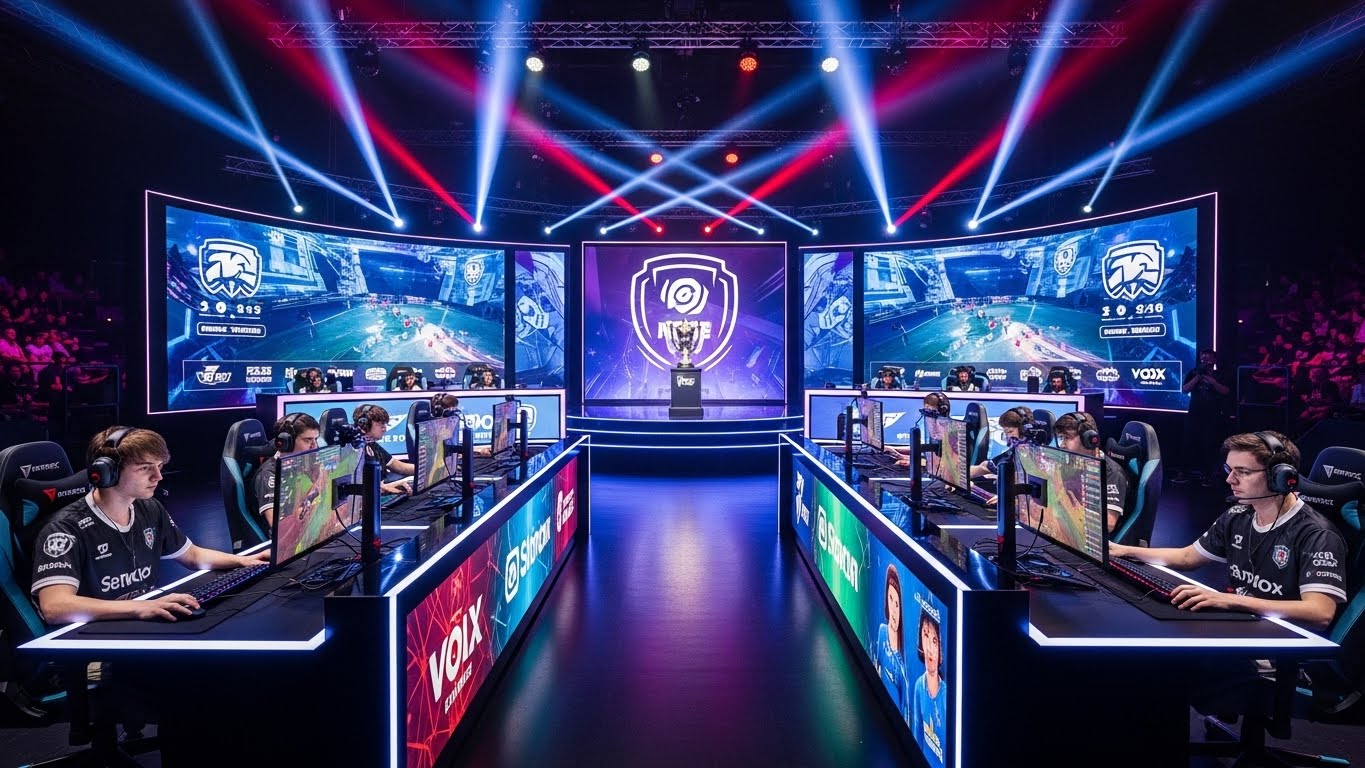
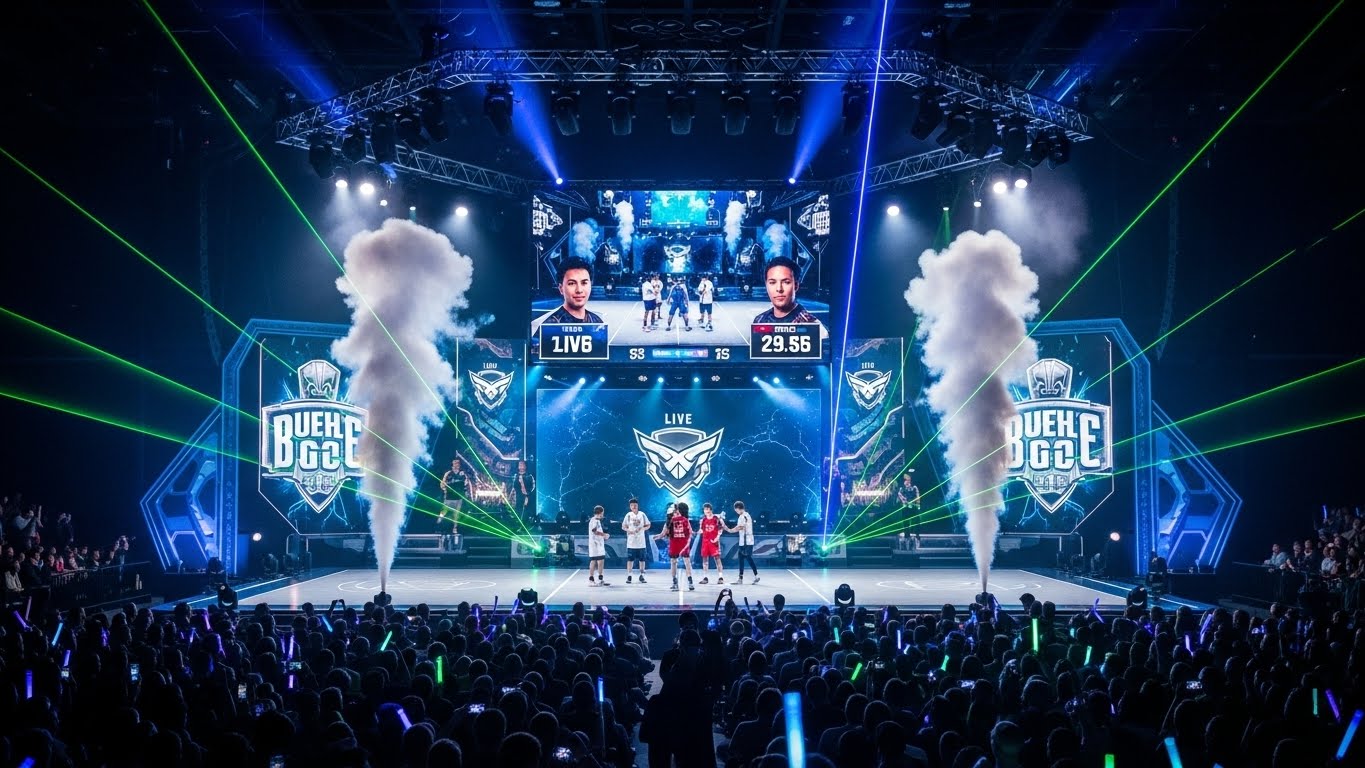
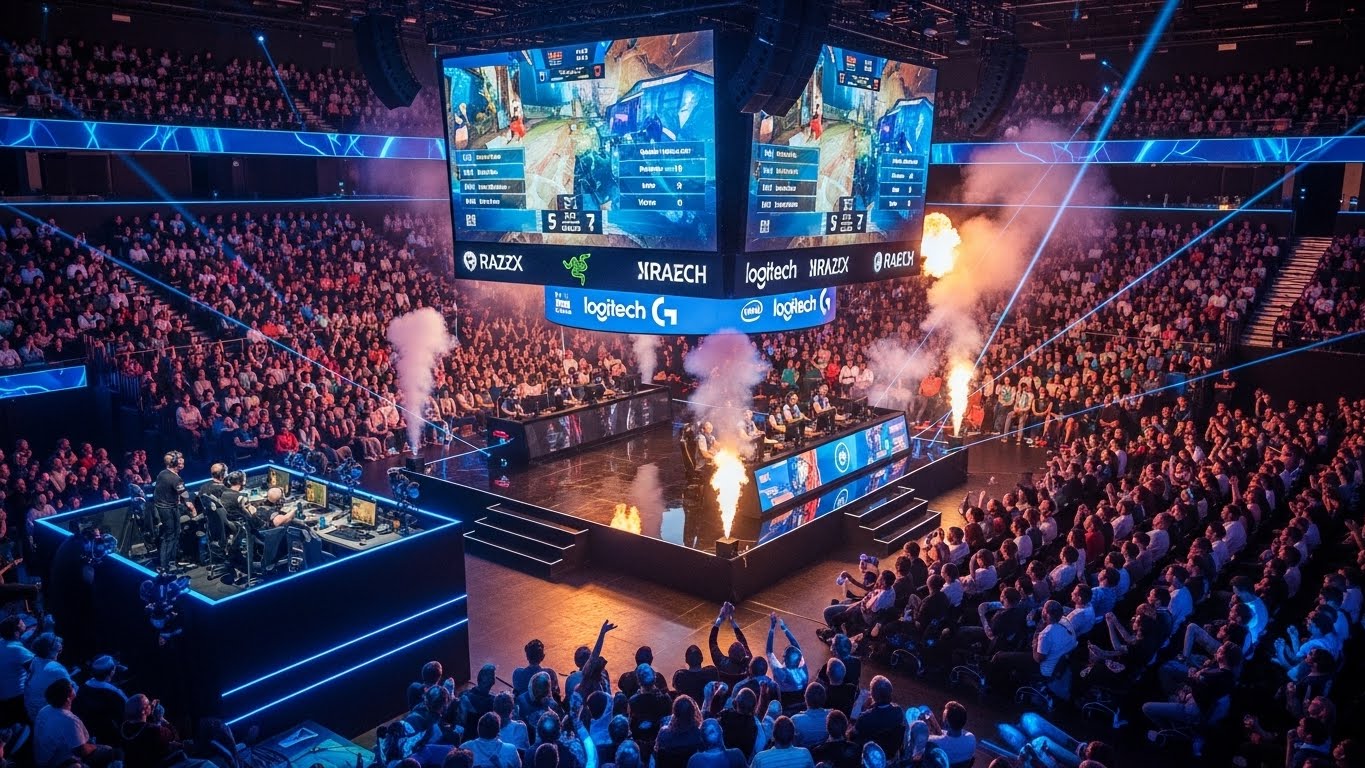
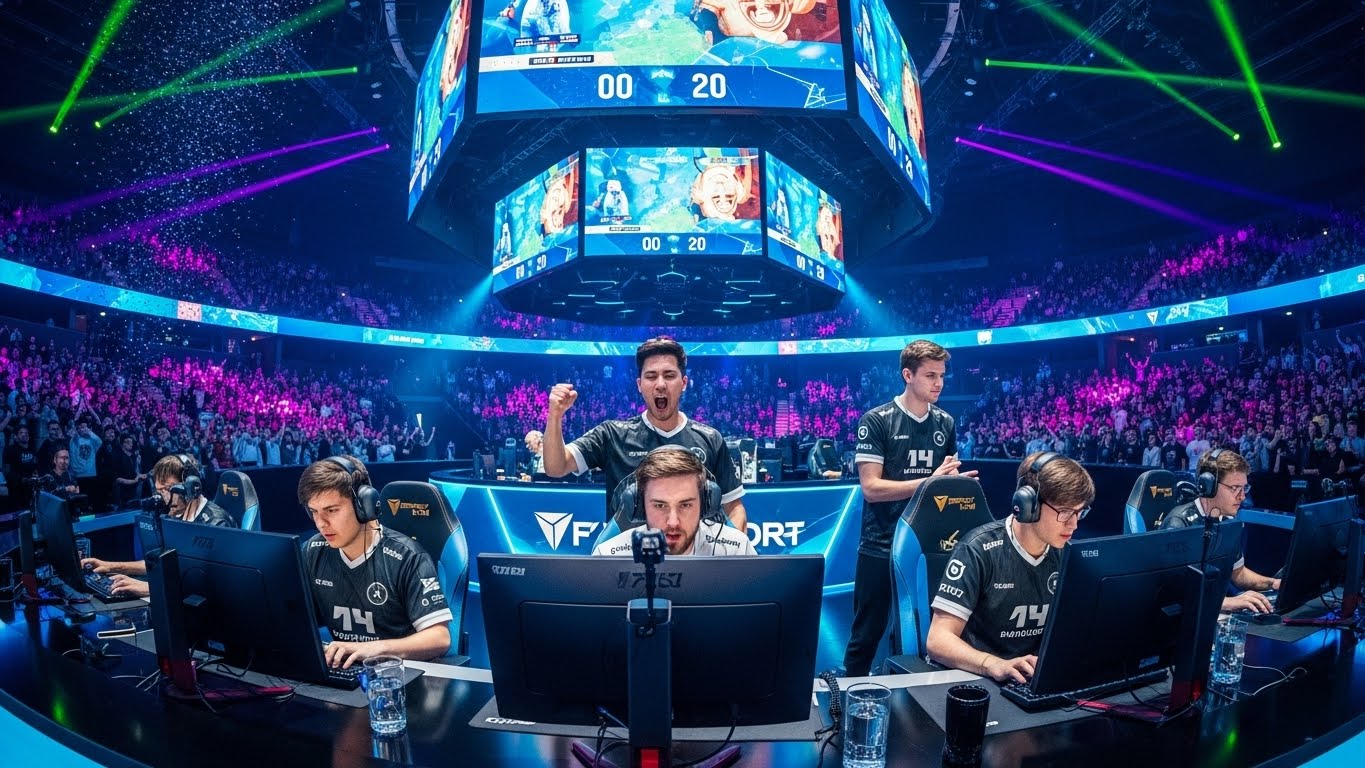
Esports events are known for their vibrant fan culture. Fans often gather to cheer on their favorite teams and players in packed arenas, creating an electric atmosphere similar to that of traditional sports stadiums. Additionally, online communities on platforms like Reddit, Discord, and Twitter provide fans with spaces to discuss strategies, share content, and celebrate their love for the games.
The Role of Colleges and Universities: The Emergence of Esports Scholarships
One of the most significant developments in the esports ecosystem has been the introduction of collegiate esports programs. As esports gained legitimacy, universities began to recognize the value of supporting competitive gaming. In 2014, the University of California, Irvine became the first U.S. college to offer esports scholarships, and many other institutions followed suit.
Today, universities around the world offer esports scholarships, with students competing for spots on collegiate esports teams. These programs provide an opportunity for young gamers to pursue their passion for esports while earning a degree. In some cases, esports scholarships even cover full tuition and living expenses, similar to traditional sports scholarships.
These programs also foster a healthy environment for players to hone their skills while maintaining a balance between academics and gaming. The rise of collegiate esports has led to the formation of leagues and competitions that mirror the structure of professional esports, offering students a path from amateur gaming to professional competition.
The Future of Esports: Expanding Horizons
Looking ahead, the future of esports appears bright. As the industry continues to grow, new games and competitions will emerge, attracting fresh talent and fanbases. Esports is also likely to continue expanding into new markets, particularly in Asia, where countries like China, South Korea, and Japan have already established themselves as major esports hubs.
Additionally, virtual reality (VR) and augmented reality (AR) could play a major role in the future of esports, creating more immersive and interactive experiences for both players and fans. Imagine attending an esports event in VR, where you can experience the action from any angle or even interact with players in real-time.
Esports is also likely to see more mainstream integration with traditional sports. Already, we have seen collaborations between esports and traditional sports leagues, with sports organizations like the NBA and NFL exploring esports partnerships. As esports becomes more deeply ingrained in global culture, it’s possible that we will see hybrid events that blend the worlds of traditional sports and competitive gaming.
Conclusion: Esports as the Future of Entertainment
Esports has come a long way from its humble beginnings to becoming a global industry with millions of fans, top-tier athletes, and significant revenue. What began as a hobby for a select group of gamers has evolved into a full-fledged cultural movement, attracting attention from fans, brands, and media companies alike. Esports is not just a form of entertainment; it’s a dynamic and evolving industry that is reshaping the landscape of competitive gaming, sports, and digital entertainment.
As we look to the future, it is clear that esports will continue to expand its reach and influence. Whether you’re a casual gamer, a passionate fan, or an aspiring professional player, the world of esports offers countless opportunities for growth, entertainment, and connection. The rise of esports is more than just a trend—it’s a reflection of how digital culture is reshaping the way we experience competition, collaboration, and entertainment in the 21st century.