championtribe73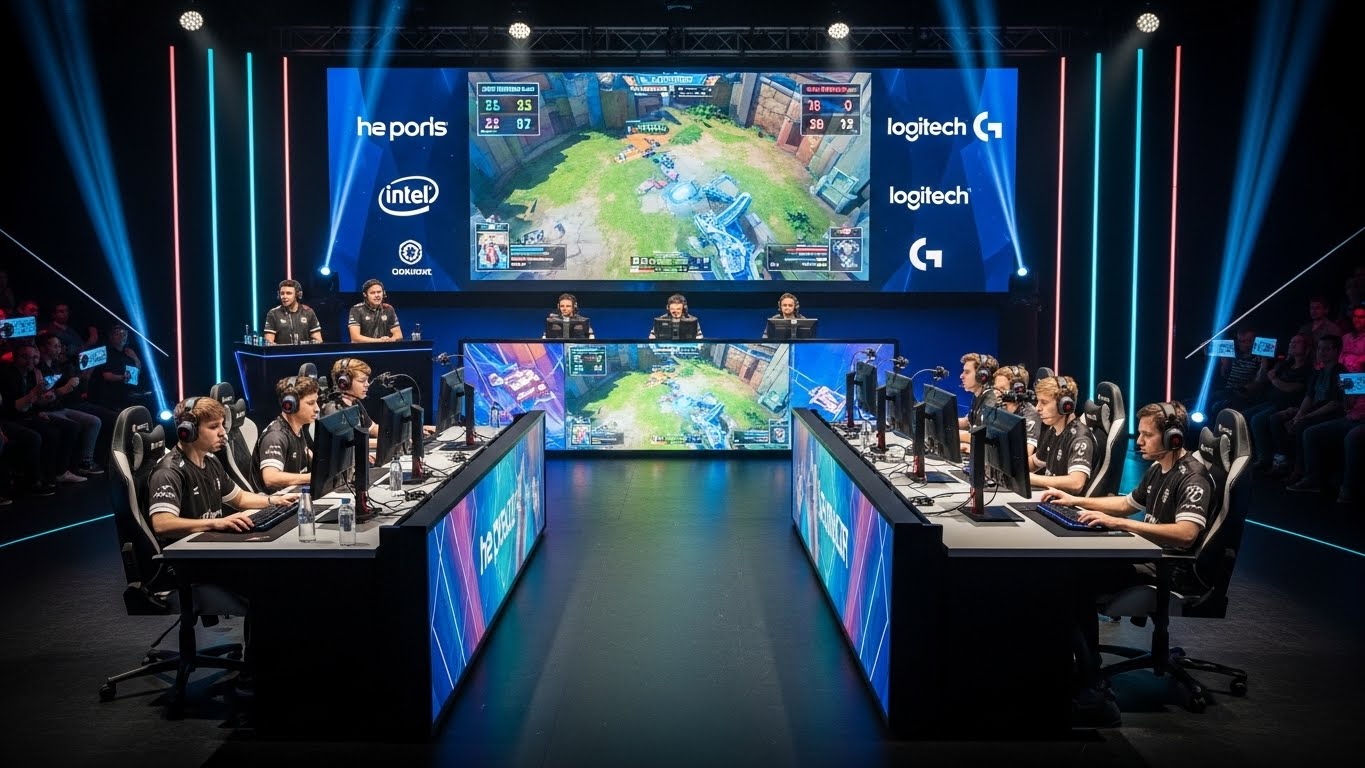
Introduction
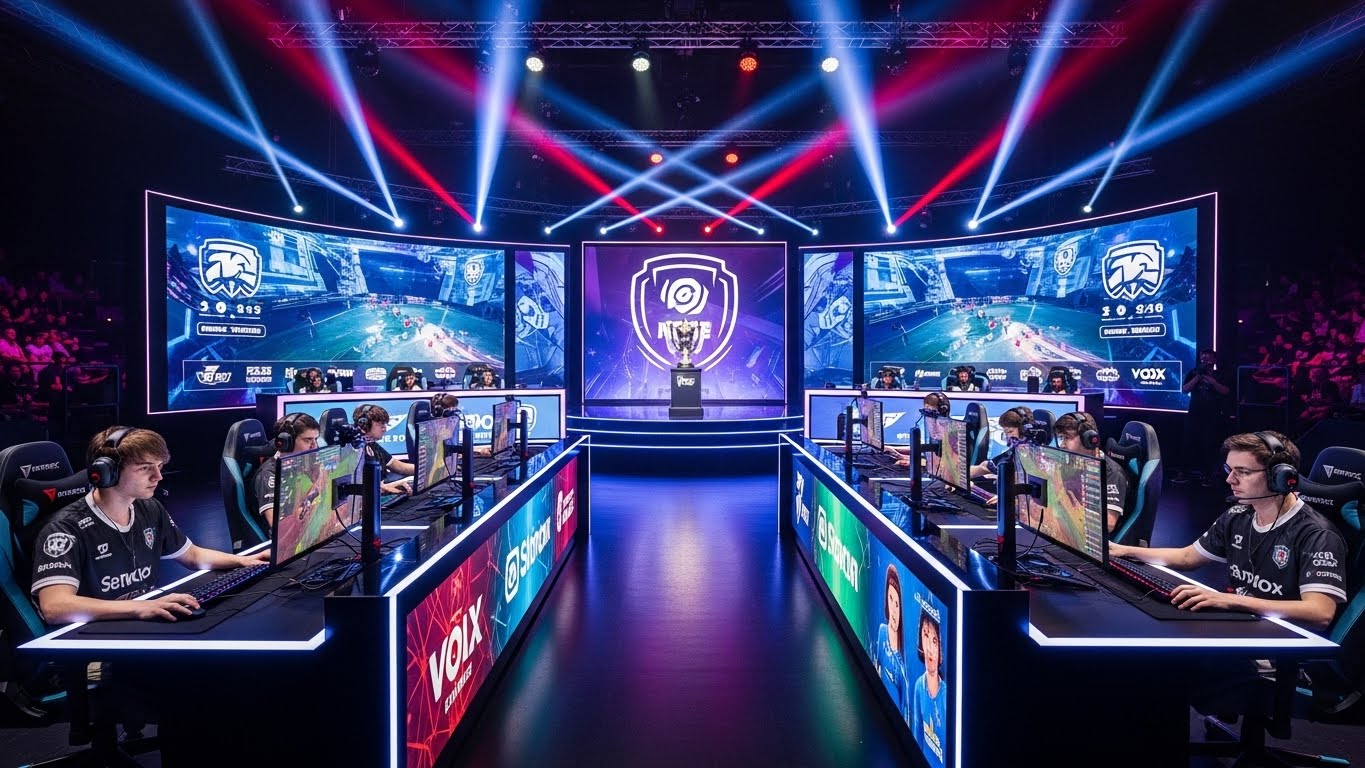
Esports, or competitive video gaming, has grown from a niche hobby into a global phenomenon. Once considered a pastime for a select group of enthusiasts, esports now attracts millions of viewers, professional players, and significant investment from sponsors and organizations. With the rise of streaming platforms, online tournaments, and professional leagues, esports has cemented its place as a mainstream form of entertainment.
Esports is not just about gaming skill; it is a convergence of strategy, teamwork, storytelling, and technology. This blog explores the evolution of esports, its economic impact, popular games and genres, cultural significance, emerging trends, challenges, and the future of competitive gaming.
The Evolution of Esports
The roots of esports can be traced back to the late 1970s and early 1980s when early video games like Space Invaders and Pac-Man sparked competitive play in arcades. Local competitions and school tournaments laid the foundation for organized gaming.
The 1990s saw the rise of multiplayer PC games like Doom, StarCraft, and Quake, which popularized online competitive play. The emergence of high-speed internet allowed players to compete across cities and countries, paving the way for the first large-scale esports tournaments.
By the 2000s, esports gained international attention, with professional leagues and sponsorship deals becoming more common. Streaming platforms such as Twitch further amplified esports’ reach, allowing fans worldwide to watch live matches, interact with players, and engage with gaming communities in real-time.
Popular Esports Games and Genres
Esports encompasses a variety of games and genres, each with unique competitive mechanics and fan bases.
Multiplayer Online Battle Arenas (MOBAs)
MOBAs are among the most popular esports genres. Games like League of Legends, Dota 2, and Smite feature team-based strategy where players control characters with unique abilities to destroy opponents’ bases. MOBAs require coordination, quick reflexes, and strategic thinking, making them highly engaging for both players and spectators.
First-Person Shooters (FPS)
FPS games focus on precision, reaction time, and tactical gameplay. Titles such as Counter-Strike: Global Offensive, Call of Duty, and Valorant dominate competitive FPS esports. Teams compete in fast-paced matches where communication, positioning, and accuracy are critical to success.
Real-Time Strategy (RTS) Games
RTS games challenge players to manage resources, build units, and develop strategies in real-time. StarCraft and Warcraft have been iconic in shaping esports’ early competitive scene. RTS games appeal to players who enjoy tactical thinking, resource management, and adaptability.
Sports Simulation Games
Sports simulation titles like FIFA, NBA 2K, and Madden NFL bring real-world sports into the esports arena. Players compete in virtual recreations of football, basketball, and other sports, requiring both skill and strategic decision-making. These games also attract fans of traditional sports, bridging the gap between physical and digital competition.
Fighting Games
Fighting games such as Street Fighter, Tekken, and Super Smash Bros. emphasize individual skill, timing, and reflexes. Competitive fighting game tournaments have cultivated passionate communities and long-standing rivalries, contributing to the diversity of esports.
The Economic Impact of Esports
Esports has grown into a multi-billion-dollar industry, generating revenue from multiple sources. Sponsorships and advertising are significant contributors, with major brands investing in tournaments, teams, and content creators. Tournament prize pools have also increased dramatically, with games like Dota 2 offering millions of dollars to winning teams.
Streaming platforms provide monetization opportunities through subscriptions, donations, and ad revenue, creating financial incentives for both players and content creators. Esports teams and organizations also generate revenue through merchandise sales, partnerships, and media rights deals.
The economic impact extends beyond gaming itself. Cities hosting major tournaments benefit from tourism, hospitality, and related industries. Universities and institutions have even begun offering scholarships and programs focused on esports, creating career pathways and educational opportunities.
The Cultural Significance of Esports
Esports has evolved into a cultural movement that transcends gaming. It has influenced fashion, music, and entertainment, while also creating communities centered around competition and shared interests.
Community and Social Interaction
Esports fosters global communities, connecting players and fans across countries and languages. Fans participate in forums, social media groups, and online chat platforms to discuss strategies, celebrate victories, and engage with content creators. Multiplayer games also promote collaboration and teamwork, building friendships and social bonds.
Media and Entertainment
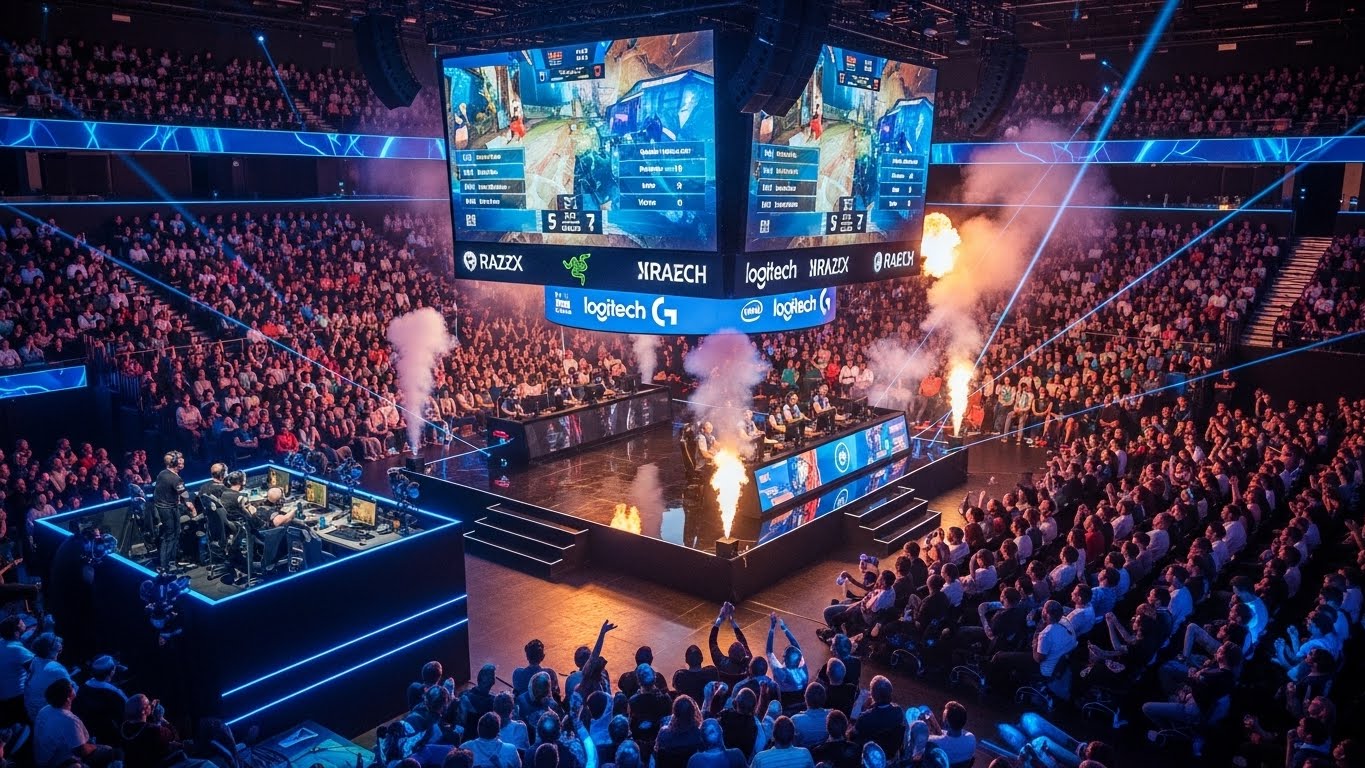
Esports has transformed how entertainment is consumed. Live streaming allows fans to watch matches in real-time, often with commentary and interactive features. Esports events are broadcasted in arenas and online platforms, drawing massive audiences comparable to traditional sports. The popularity of esports has also influenced mainstream media, with documentaries, movies, and television content highlighting the industry’s growth.
Professionalization and Careers
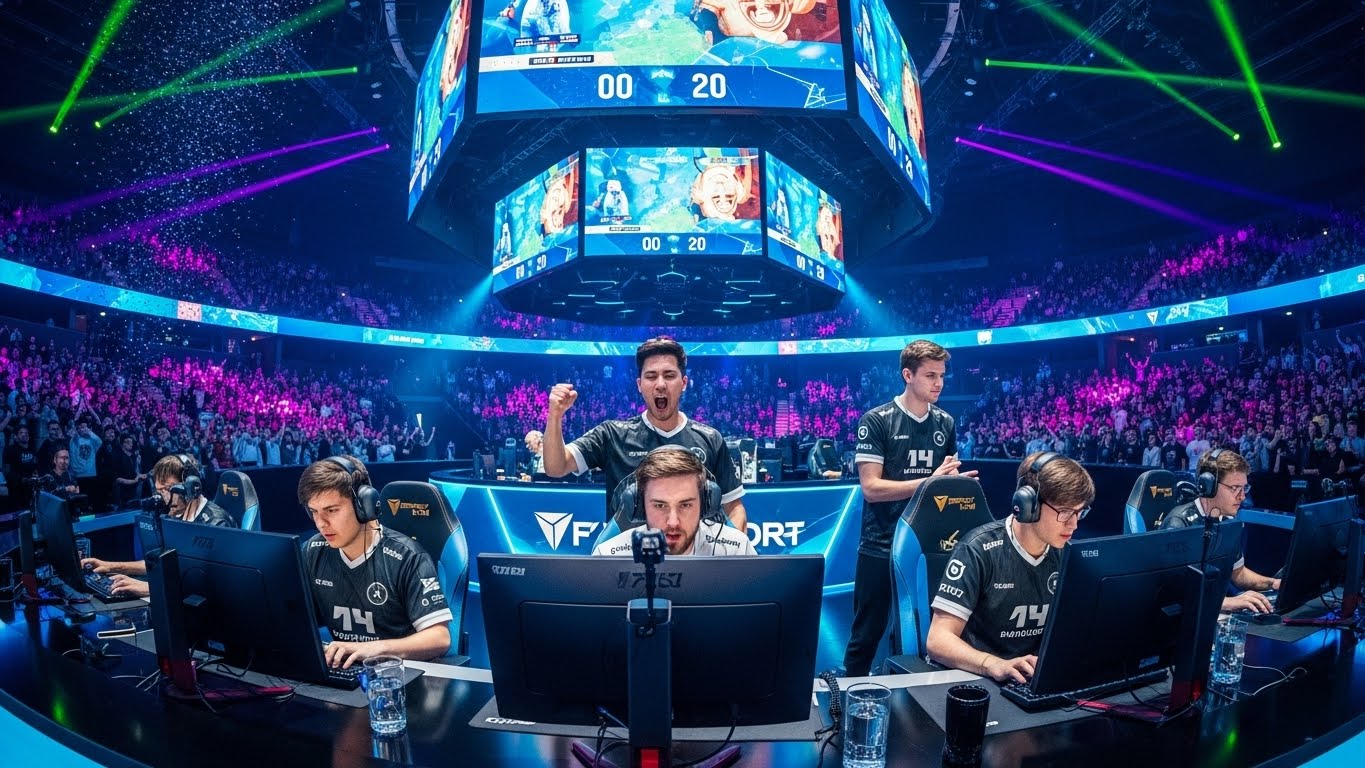
Esports has created professional career opportunities for players, coaches, analysts, and content creators. Professional players train rigorously, sometimes dedicating hours daily to practice, strategy development, and teamwork. Esports organizations offer structured support, including coaching, nutrition guidance, and mental health resources, similar to traditional sports teams.
Emerging Trends in Esports
The esports industry continues to evolve, driven by technology, changing audience preferences, and global connectivity.
Mobile Esports
Mobile gaming has expanded competitive play to a broader audience. Games like PUBG Mobile, Mobile Legends, and Free Fire have cultivated massive player bases, particularly in regions with limited access to high-end PCs or consoles. Mobile esports tournaments attract millions of viewers and provide accessible pathways for new players.
Virtual and Augmented Reality Competitions
VR and AR technologies are creating immersive esports experiences. Players can engage in fully interactive virtual arenas, providing new ways to compete and spectate. These technologies also enable innovative gameplay mechanics and audience engagement, transforming how esports is experienced.
Cross-Platform Play
Cross-platform play allows players on different devices to compete together, expanding the potential player base and audience reach. This trend promotes inclusivity, community growth, and seamless gameplay experiences across consoles, PCs, and mobile devices.
Integration with Traditional Sports
Esports is increasingly intersecting with traditional sports. Professional sports teams invest in esports organizations, and real-world athletes participate in virtual competitions. This integration blurs the line between physical and digital sports, attracting fans from both worlds.
Content Creation and Streaming
Streaming platforms remain central to esports culture. Influencers, commentators, and professional players create content that engages viewers beyond live matches. Tutorials, highlights, and behind-the-scenes content contribute to the ecosystem, creating additional monetization and engagement opportunities.
Challenges Facing Esports
Despite its growth, esports faces several challenges that must be addressed to ensure sustainable development.
Regulation and Governance
Esports lacks standardized global regulations, leading to discrepancies in competition rules, player contracts, and tournament oversight. Developing consistent governance is essential for fair play and industry credibility.
Player Health and Wellbeing
Intense training schedules, long hours, and mental pressure can impact players’ health. Physical fitness, mental health support, and responsible practice schedules are necessary to ensure player longevity and performance.
Market Saturation
The rapid growth of esports has led to increased competition among teams, tournaments, and platforms. Standing out in a saturated market requires innovation, quality content, and effective audience engagement strategies.
Cheating and Fair Play
Maintaining integrity in competitive gaming is critical. Cheating, hacking, and performance-enhancing software threaten fair play. Robust anti-cheat measures and monitoring systems are essential to preserve trust in esports competitions.
The Future of Esports
The future of esports is bright, with continued growth and innovation expected. Technological advancements such as virtual reality, augmented reality, AI-driven analytics, and cloud gaming will create more immersive and engaging experiences for players and audiences.
Esports is likely to continue integrating with mainstream entertainment, sports, and media, further expanding its cultural impact. Mobile esports will increase accessibility, while cross-platform play will unify diverse gaming communities. Professionalization and educational initiatives will create career pathways, ensuring sustainable growth for the industry.
Esports has the potential to become a central pillar of global entertainment, rivaling traditional sports and mainstream media in influence, viewership, and economic impact.
Conclusion
Esports has evolved from a niche hobby into a global industry that redefines entertainment, competition, and community. With diverse genres, professional leagues, and massive viewership, esports provides players with opportunities for professional careers, personal growth, and social interaction.
The economic, cultural, and technological significance of esports continues to expand. Emerging trends such as mobile esports, VR and AR integration, cross-platform play, and content creation are shaping the industry’s future. While challenges like regulation, player wellbeing, and fair play remain, esports has proven its resilience and adaptability.
As technology advances and audiences grow, esports is poised to become an enduring and influential form of entertainment. It represents not just the future of gaming but the future of competitive, interactive experiences on a global scale.