championtribe73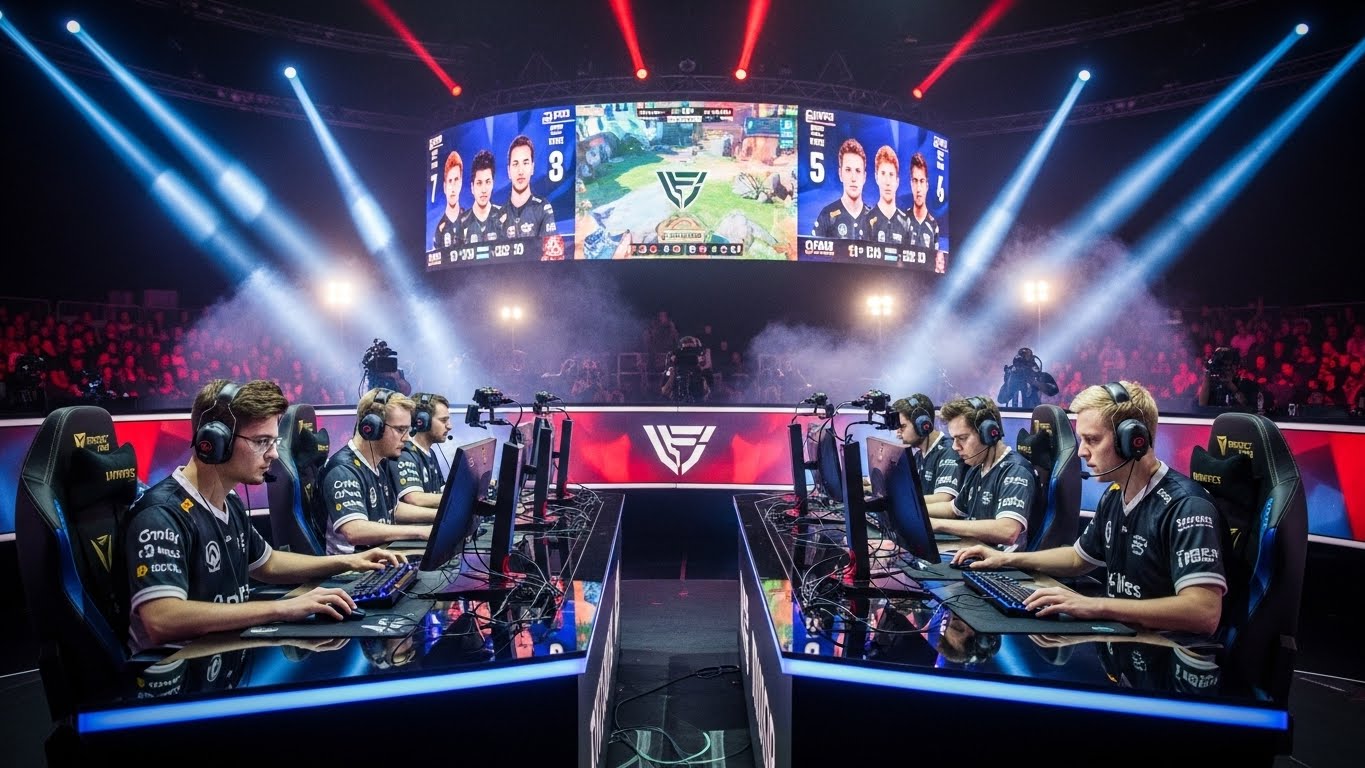
Esports, short for electronic sports, has evolved from a niche subculture to a billion-dollar industry, transforming the way we think about both gaming and competitive sports. Once seen as just a pastime for teenagers and enthusiasts, esports now commands global audiences, boasts professional leagues, and offers career opportunities that rival those in traditional sports. This blog post explores the rapid rise of esports, its global impact, and what the future holds for this dynamic and innovative sector.
The Origins of Esports: A New Era of Competition
The origins of esports can be traced back to the late 20th century when video games first became competitive. The earliest examples of competitive gaming were informal, often occurring in arcades or in small online communities. The 1990s saw the first major tournaments, such as the “Red Annihilation” tournament in 1997, which is considered one of the first major esports events. As games like “Quake” and “StarCraft” gained popularity, the foundations of competitive gaming began to solidify.
By the early 2000s, gaming tournaments started to become more organized, with players from around the world competing for fame and prizes. Games like “Warcraft III” and “Counter-Strike” helped shape the landscape, bringing esports into the mainstream. In the United States and Asia, large-scale events began to attract the attention of not only gamers but also sponsors and advertisers.
However, it wasn’t until the launch of platforms like Twitch in 2011 and the growing popularity of games like “League of Legends” and “Dota 2” that esports began to truly explode in popularity. These developments created an ecosystem where players, teams, and fans could interact in real-time, leading to the mass proliferation of competitive gaming.
The Global Boom: Esports as a Cultural Phenomenon
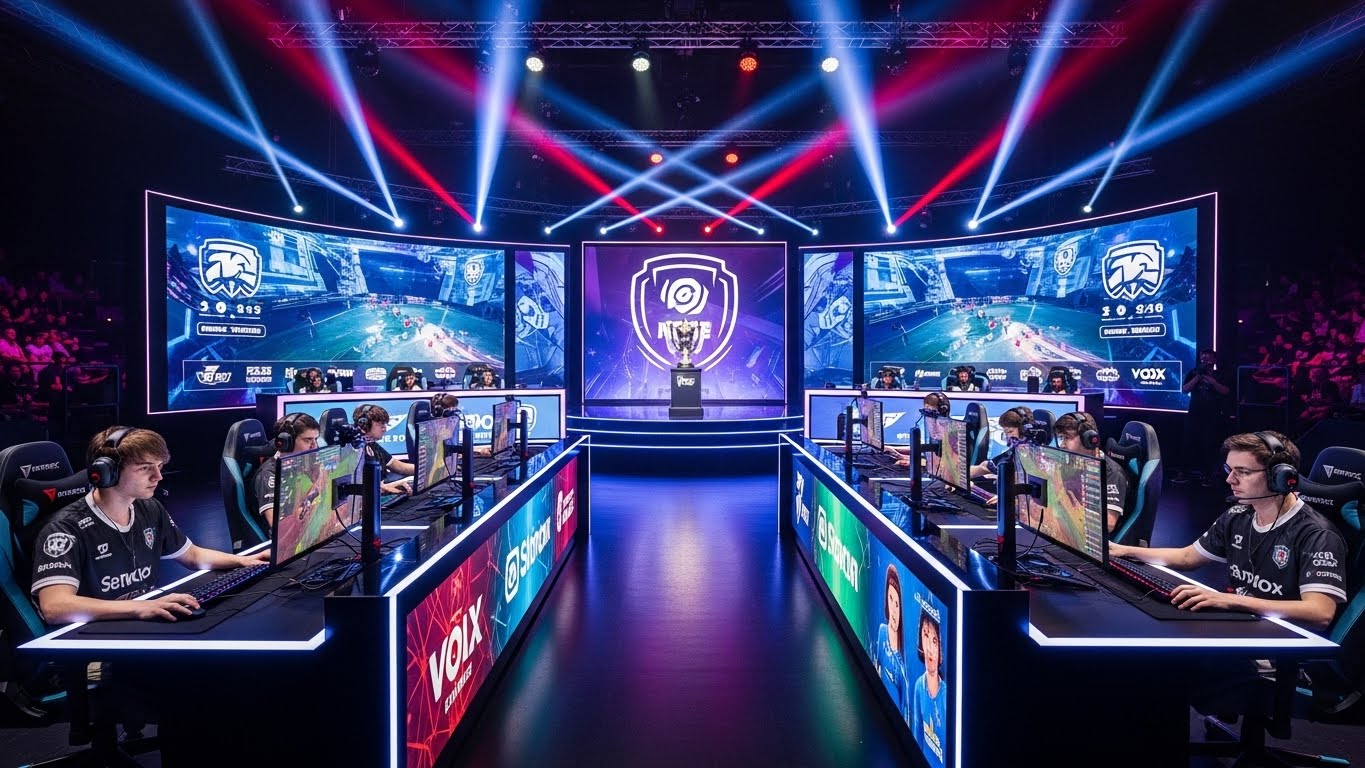
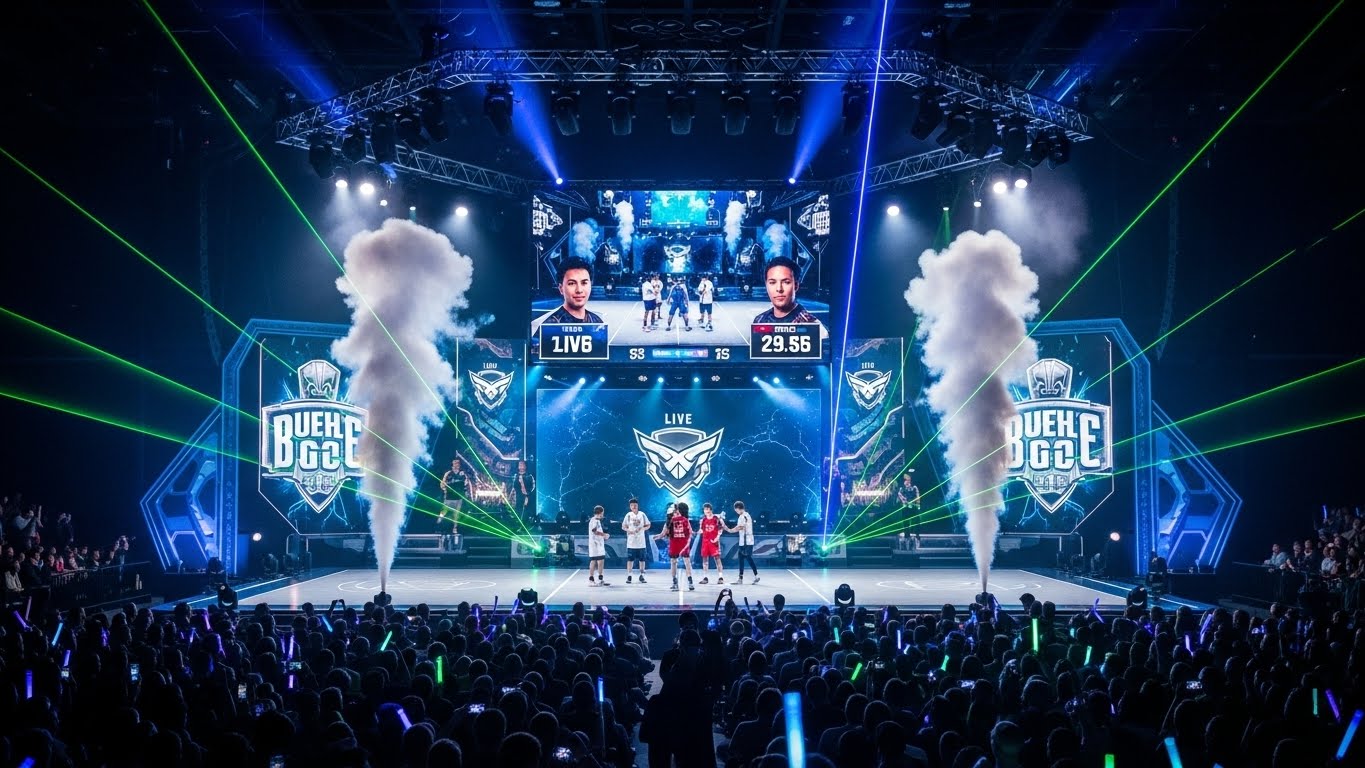
Today, esports has evolved into a global cultural phenomenon. Tournaments such as “The International” (Dota 2), the “League of Legends World Championship,” and the “CS:GO Major Championships” now attract millions of viewers, both online and in person. These events are broadcast globally, and the level of competition rivals that of traditional sports in terms of skill, intensity, and excitement.
The fanbase of esports has grown significantly, cutting across age, gender, and geographic barriers. A recent report revealed that in 2020, there were over 450 million esports enthusiasts worldwide, and this number continues to grow. Esports has captured the attention of young people, in particular, who are drawn to the fast-paced, skill-based nature of the games. Additionally, the interactive nature of the industry, where fans can directly support their favorite teams and players, has created a sense of community that sets esports apart from traditional sports.
In Asia, countries like South Korea and China have been at the forefront of esports, with government-backed initiatives, dedicated esports arenas, and large-scale sponsorship deals. South Korea, in particular, is known for its robust esports infrastructure, where games like “StarCraft” have been institutionalized as a national pastime. In North America and Europe, esports has steadily grown, with major tournaments being held in arenas and conventions attended by thousands of fans.
The Business of Esports: A Multi-Billion Dollar Industry
Esports is no longer just a hobby for gamers; it’s a thriving business. In 2021, the global esports industry was valued at over $1 billion, and it is expected to grow to over $3 billion by 2025. This growth has attracted major brands, investors, and media companies, who see the potential in reaching the millions of fans who engage with esports content regularly.
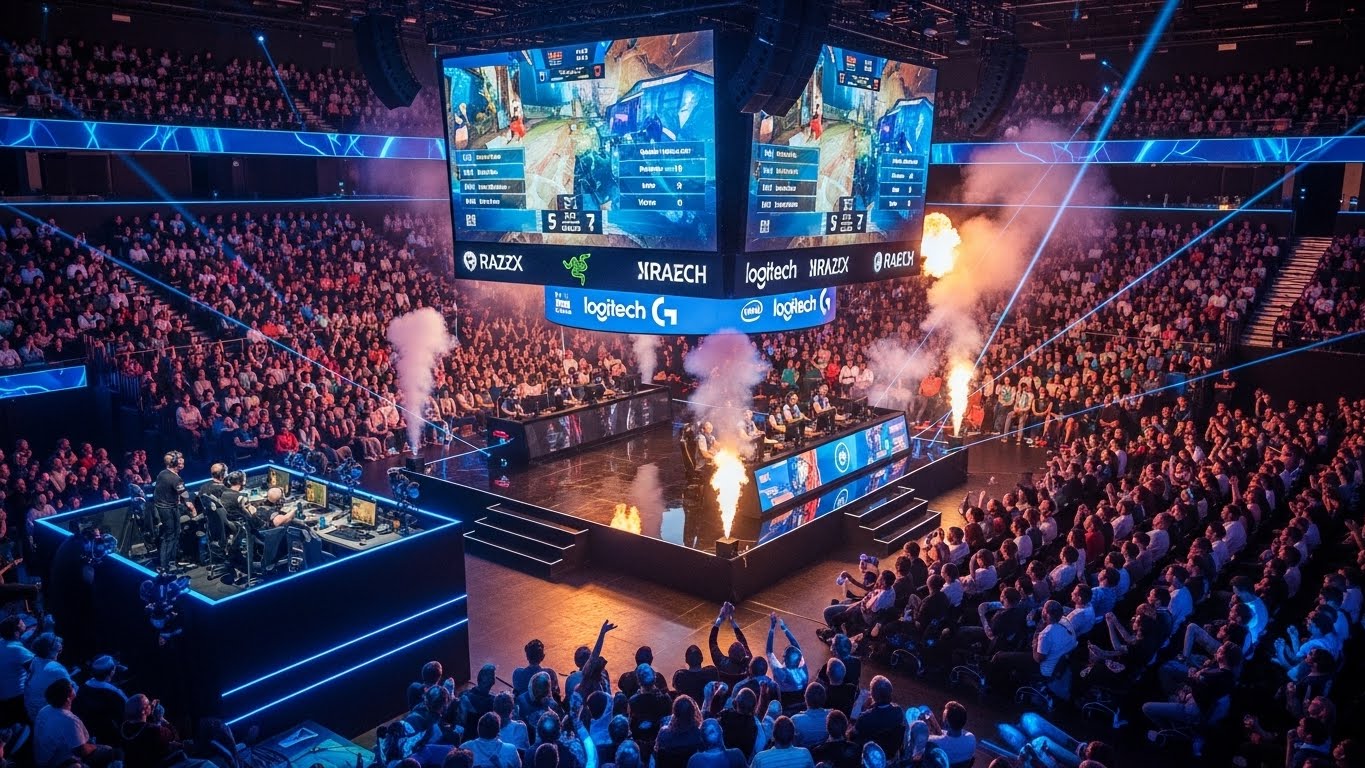
Sponsorships play a huge role in this economic boom. Companies ranging from tech giants like Intel and Nvidia to traditional brands like Coca-Cola and Red Bull have invested heavily in esports sponsorships. These companies understand that esports is not just a passing trend but a new avenue for reaching younger, tech-savvy audiences. Sponsorships help fund tournaments, support teams, and bring innovative products to market.
In addition to sponsorships, other revenue streams have emerged. Streaming platforms like Twitch, YouTube Gaming, and Facebook Gaming have become integral to the esports ecosystem, offering a platform for players and organizations to monetize their content. These platforms enable gamers to earn income through subscriptions, ad revenue, and donations from their viewers.
Furthermore, the rise of esports betting has added another layer of business to the industry. With the increasing popularity of esports tournaments, betting platforms have emerged where fans can place wagers on matches, adding an extra level of excitement to the experience. While the legalities and regulation of esports betting vary by region, it’s clear that this trend has become a significant contributor to the financial ecosystem of esports.
Professional Esports: The Rise of Gaming Athletes
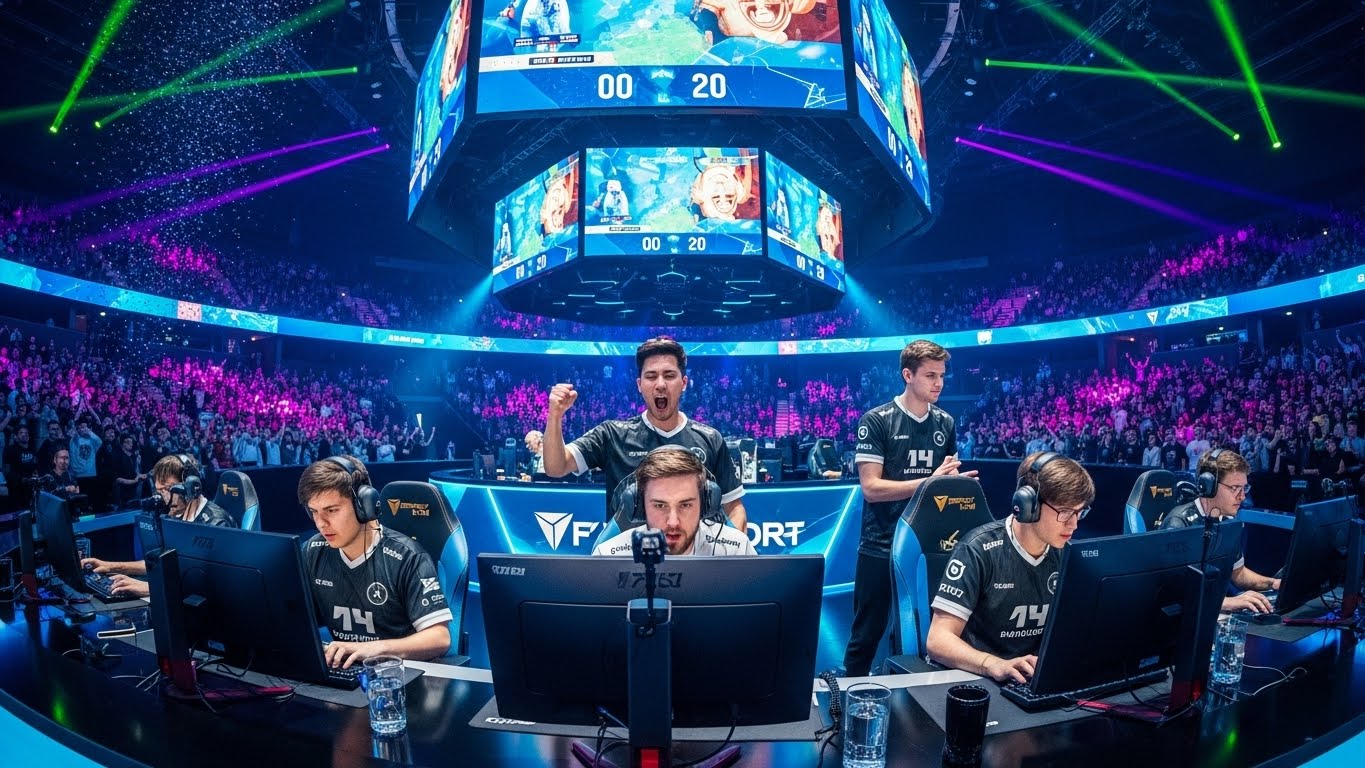
Just like traditional sports, esports has created a new generation of professional athletes. These players have turned their passion for gaming into lucrative careers, competing in tournaments around the world, streaming their gameplay, and representing major organizations. The life of a professional esports athlete is demanding, with rigorous practice schedules, team dynamics, and intense competition. But for many, it’s a dream job.
Esports athletes are often multi-faceted, requiring a combination of hand-eye coordination, strategic thinking, and communication skills. Titles such as “League of Legends,” “Fortnite,” “Overwatch,” and “Call of Duty” require players to not only have incredible reflexes but also the ability to think several moves ahead. Team-based games add an additional layer of complexity, requiring excellent communication and collaboration.
The growth of professional esports leagues, such as the Overwatch League (OWL) and the League of Legends Championship Series (LCS), has given players the chance to sign contracts, earn salaries, and compete for substantial prize pools. The prize money for some esports tournaments has reached the tens of millions of dollars, a sum comparable to the prize pools of major traditional sports tournaments like tennis or golf.
Some of the most well-known esports athletes, such as Lee “Faker” Sang-hyeok (a “League of Legends” legend) and Johan “N0tail” Sundstein (a star in “Dota 2”), have become household names, with massive followings on social media and streaming platforms. These athletes are not just competitors—they are influencers, celebrities, and brands in their own right, further propelling the mainstream appeal of esports.
The Social and Cultural Impact of Esports
Esports is more than just a competitive hobby; it has had a profound social and cultural impact. For many young people, esports has become a form of social interaction. Communities formed around specific games, teams, and players allow fans to bond over shared interests, creating a sense of belonging. Whether it’s through online discussions, watching streams together, or attending live events, fans of esports form deep connections that extend beyond the games themselves.
Esports also offers an avenue for diversity and inclusivity. While gaming has historically been dominated by men, esports is one area where women have made significant strides. Female players, teams, and commentators have begun to break down barriers and challenge the stereotype that gaming is a male-dominated space. Organizations such as Women in Esports and initiatives to promote gender equality are helping to create more opportunities for women in the industry.
The professionalization of esports has also led to the creation of specialized roles, such as coaches, analysts, team managers, and event organizers. As the industry continues to grow, there will be even more career opportunities for people who are passionate about gaming but may not be skilled enough to compete at a professional level.
The Future of Esports: What’s Next?
The future of esports looks incredibly promising, with new developments continuing to shape the landscape. The integration of new technologies, such as virtual reality (VR) and augmented reality (AR), may soon offer even more immersive experiences for both players and fans. Additionally, advancements in artificial intelligence (AI) could lead to new kinds of esports experiences, where AI-powered teams compete against human players or assist them in training.
One of the most exciting prospects for the future of esports is its potential inclusion in major global sporting events. Discussions have already taken place regarding the possibility of esports being added to the Olympic Games, although there are still debates about what games would be considered legitimate sports and the governance of esports at such a high level. If esports does find its way into the Olympics, it would signal the industry’s full integration into the global sporting culture.
Esports will likely continue to evolve as a cultural force, attracting new audiences, influencing mainstream media, and contributing to the broader entertainment industry. With the rise of streaming services, esports has become more accessible than ever, allowing fans from all walks of life to participate in the action.
Conclusion: Esports, a Revolution in Competitive Entertainment
Esports is not just a passing trend—it is a revolution in the world of competitive entertainment. What started as a small community of gamers has grown into a billion-dollar global industry, bringing together players, fans, sponsors, and investors. As technology advances and the world becomes more interconnected, esports will continue to expand, offering new opportunities for players, fans, and entrepreneurs alike.
For those who are passionate about gaming, the future is incredibly bright. Whether you’re a player, a fan, or someone looking to break into the industry, esports offers a world of possibility. The journey from the arcade to the arena has been nothing short of spectacular, and there’s no telling where this exciting evolution of gaming will take us next.