championtribe73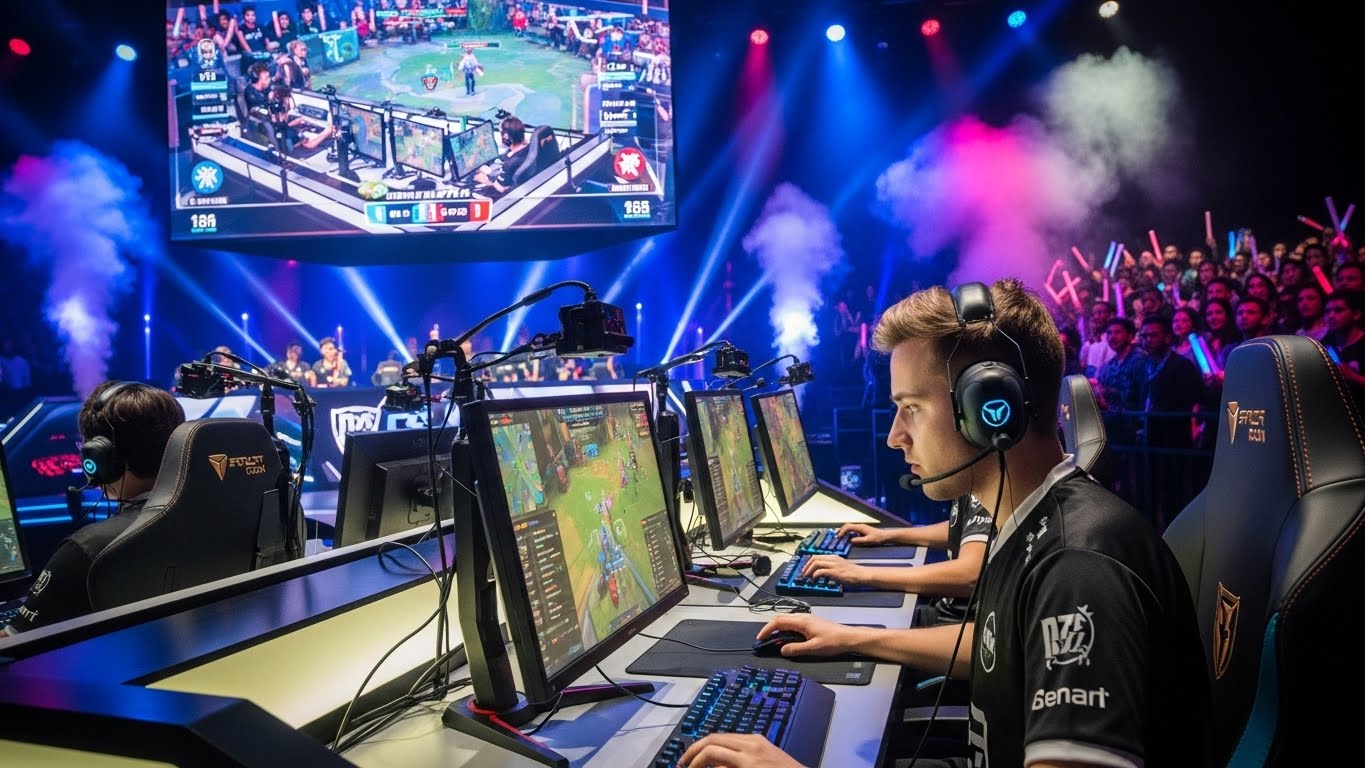
Esports, or electronic sports, has rapidly emerged as one of the most exciting and lucrative industries of the 21st century. What started as a niche hobby for gamers has now evolved into a global phenomenon, attracting millions of players, fans, and investors. With tournaments broadcasted on streaming platforms, huge sponsorship deals, and even college scholarships for gamers, esports is redefining the boundaries of competitive entertainment.
This blog post delves into the world of esports, tracing its origins, exploring its rise to prominence, examining its impact on the gaming community, and analyzing the future of competitive gaming.
The Origins of Esports: From Arcade Games to Online Tournaments
Esports, in its modern sense, traces its origins back to the early days of gaming. In the 1970s and 1980s, arcade games like Space Invaders and Pong became widespread, and with them, the first inklings of competition among players began to take shape. However, it wasn’t until the advent of home consoles and personal computers that the idea of competitive gaming truly started to take root.
The 1990s saw the rise of multiplayer games, such as Doom and Warcraft, which allowed players to compete against one another over local area networks (LAN). These games laid the groundwork for what would eventually become large-scale online gaming competitions. The first significant milestone for esports came in 1997 with the formation of the Red Annihilation tournament for Quake, which offered a $1,000 cash prize and attracted thousands of players.
The Evolution of Esports: From Niche to Mainstream
Esports truly began to gain traction in the early 2000s with the rise of high-speed internet, which allowed players to connect with others from around the world. Games like StarCraft, Counter-Strike, and Warcraft III became iconic titles for competitive play. These games established the foundation for organized esports tournaments, as passionate communities of players began forming around these titles.
The early 2000s also saw the launch of major esports events like the World Cyber Games (WCG) and the Electronic Sports World Cup (ESWC), which brought together players from across the globe to compete for massive prizes. These tournaments introduced esports as a serious, organized competition, attracting sponsorships from major companies and a growing audience of fans.
However, it was in the late 2000s and early 2010s that esports truly exploded in popularity. Games like League of Legends, Dota 2, and Counter-Strike: Global Offensive captured the attention of millions of players worldwide, with their accessible yet competitive gameplay attracting both casual and hardcore fans. Esports tournaments grew exponentially, and the viewership for major events reached unprecedented numbers, turning esports into a legitimate spectator sport.
The Globalization of Esports: An International Phenomenon
One of the most fascinating aspects of esports is its global reach. Unlike traditional sports, where geographical boundaries often limit competition, esports allows players from all over the world to compete against one another in a truly global arena. The rise of streaming platforms like Twitch and YouTube has played a major role in this globalization, enabling fans to watch live tournaments and follow their favorite teams and players in real time, regardless of their location.
Esports has become a cultural force in countries like South Korea, China, and the United States, where major leagues and tournaments have drawn in huge audiences. In South Korea, for example, StarCraft became a national sensation, with televised matches drawing millions of viewers. The nation has since become a hub for esports, with top-tier players being treated like celebrities. In the United States, games like Fortnite, League of Legends, and Valorant have gained massive followings, with organizations like the Overwatch League and Call of Duty League establishing professional esports leagues that are comparable to traditional sports leagues in terms of structure and profitability.
The Role of Professional Esports Teams and Organizations
As esports has grown in popularity, professional teams and organizations have emerged to manage and support top-tier players. These teams are often sponsored by major brands, such as Nike, Intel, and Coca-Cola, and receive funding to support their operations, from player salaries to training facilities.
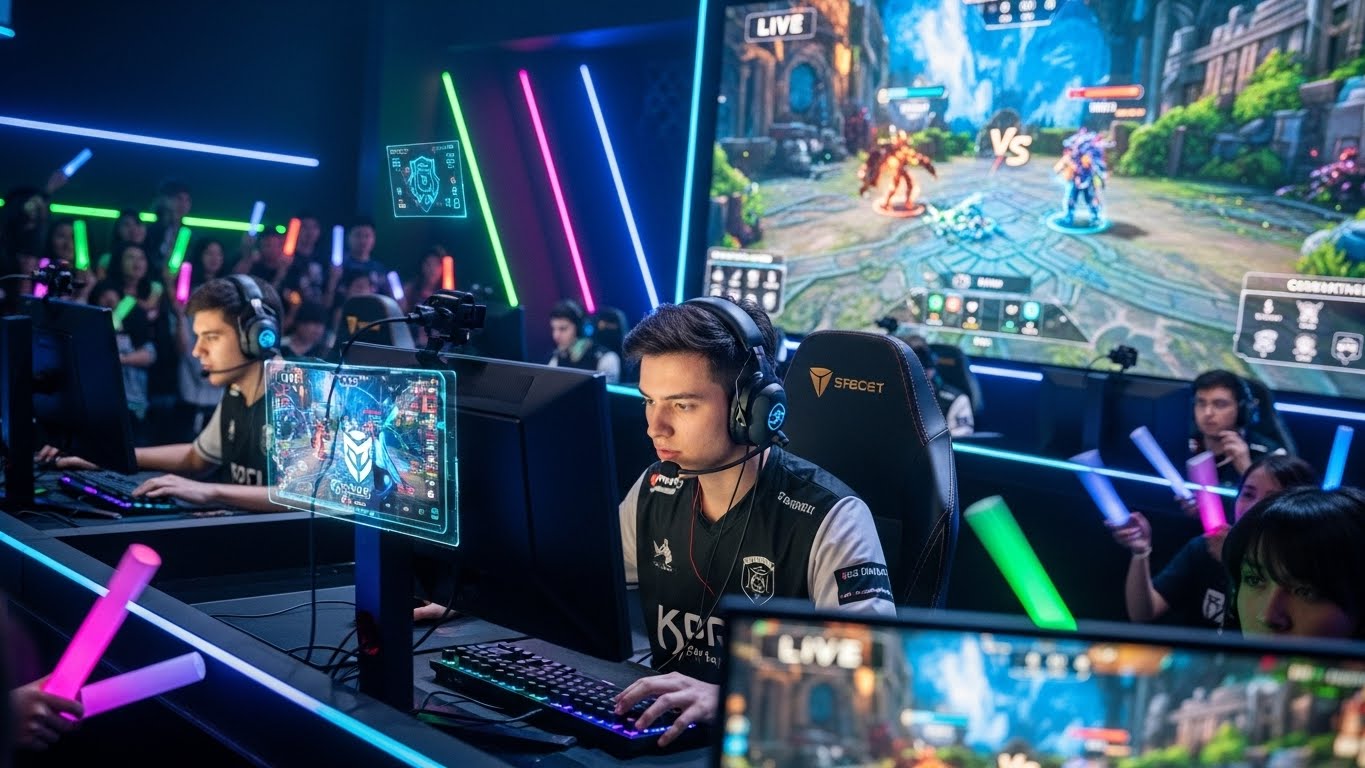
The structure of esports organizations is similar to traditional sports teams, with coaches, analysts, and managers working alongside players to develop strategies and improve performance. Many esports players are highly skilled athletes in their own right, dedicating hours each day to practicing and refining their gameplay. This level of commitment has led to the creation of boot camps, team houses, and specialized coaching for esports players, further professionalizing the industry.
Some of the most well-known esports organizations include Team Liquid, Cloud9, T1, and FaZe Clan. These organizations have achieved great success in games like League of Legends, Dota 2, and CS:GO, and their players are often considered celebrities in the gaming world. Sponsorships, merchandise sales, and media rights deals have turned these organizations into multi-million-dollar enterprises, cementing their place in the esports ecosystem.
Esports as Entertainment: The Spectator Experience
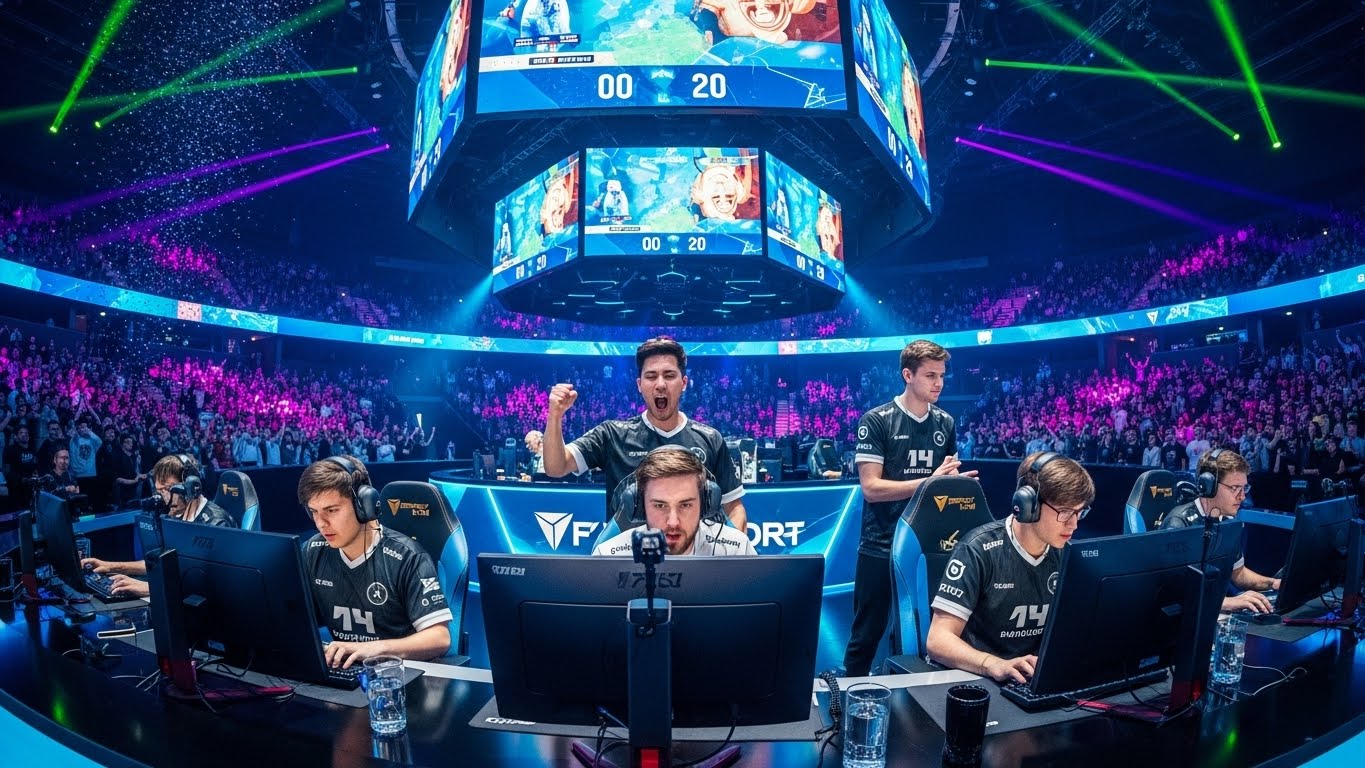
While playing in tournaments is a major aspect of esports, the experience of watching esports has become just as important. In fact, esports viewership has exploded in recent years, with millions of fans tuning in to watch live events and follow their favorite players and teams.
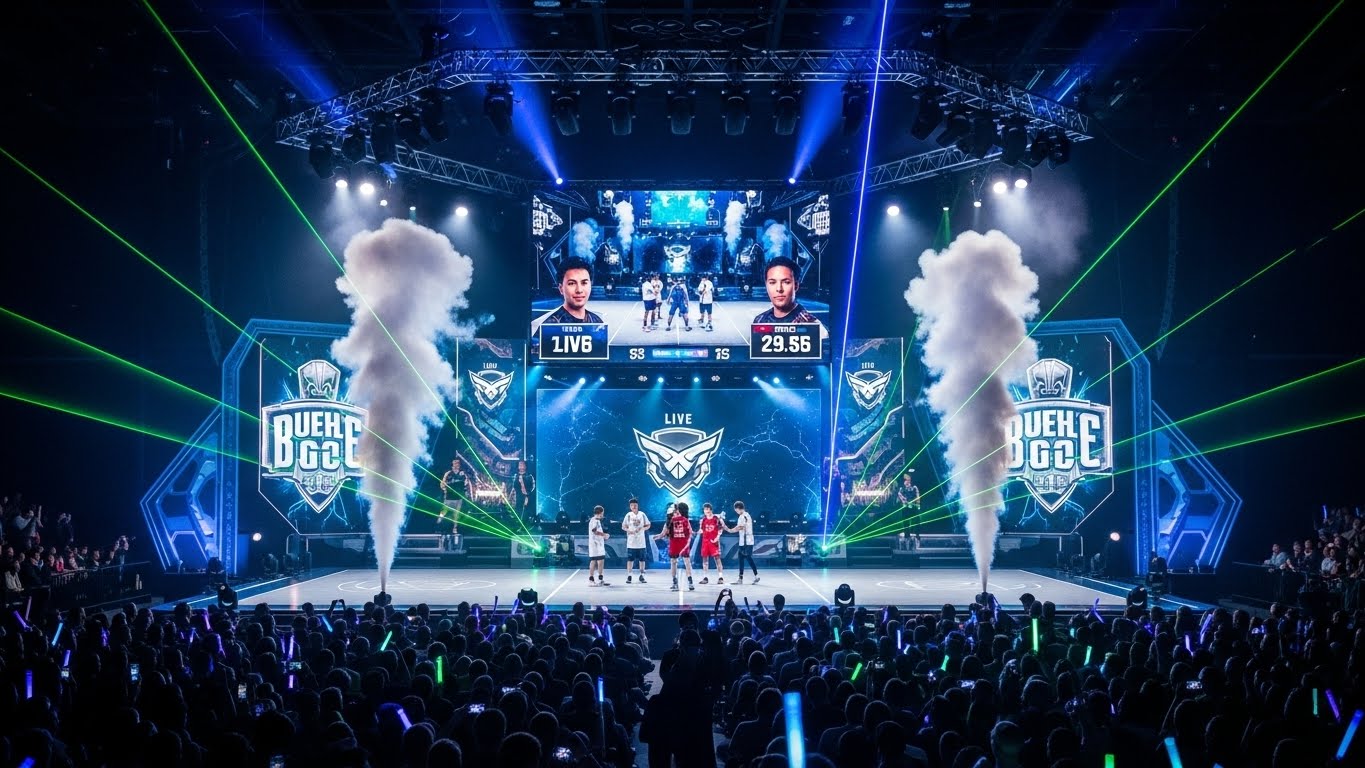
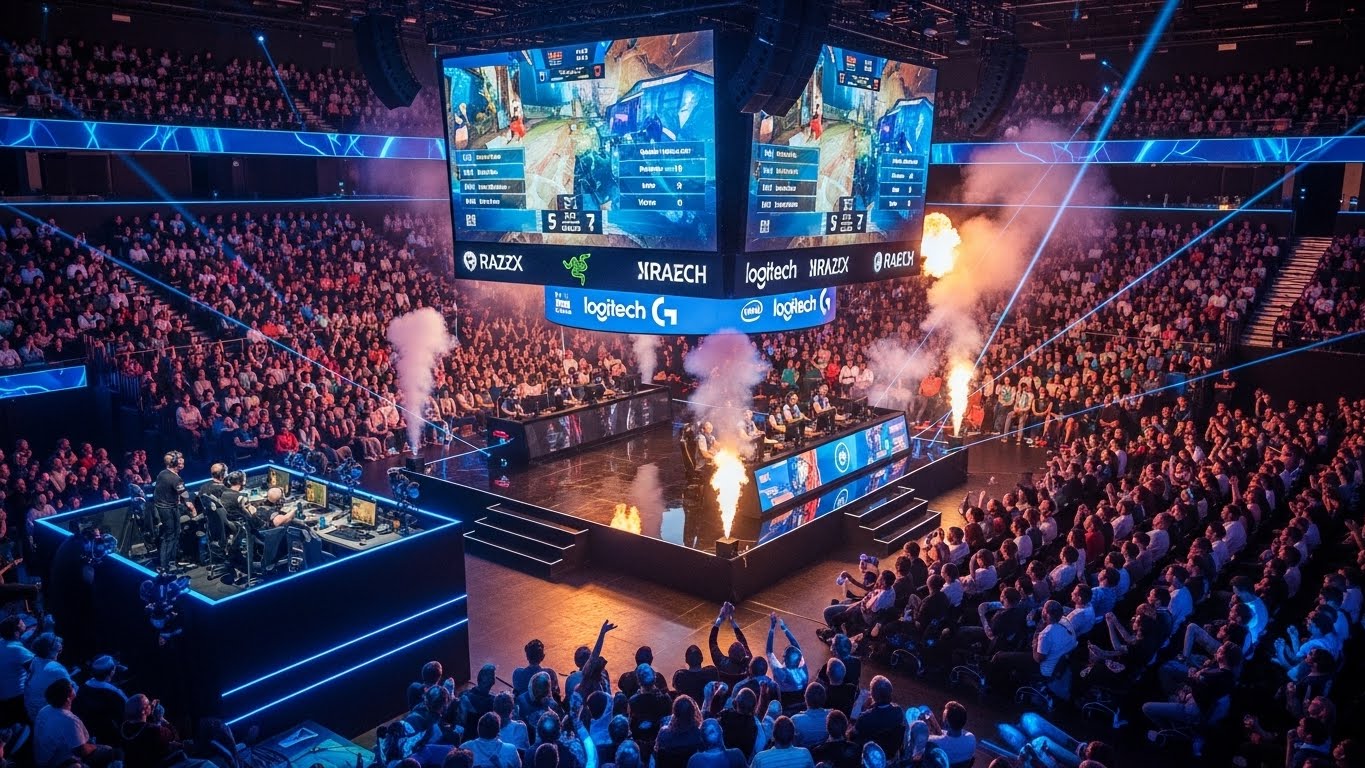
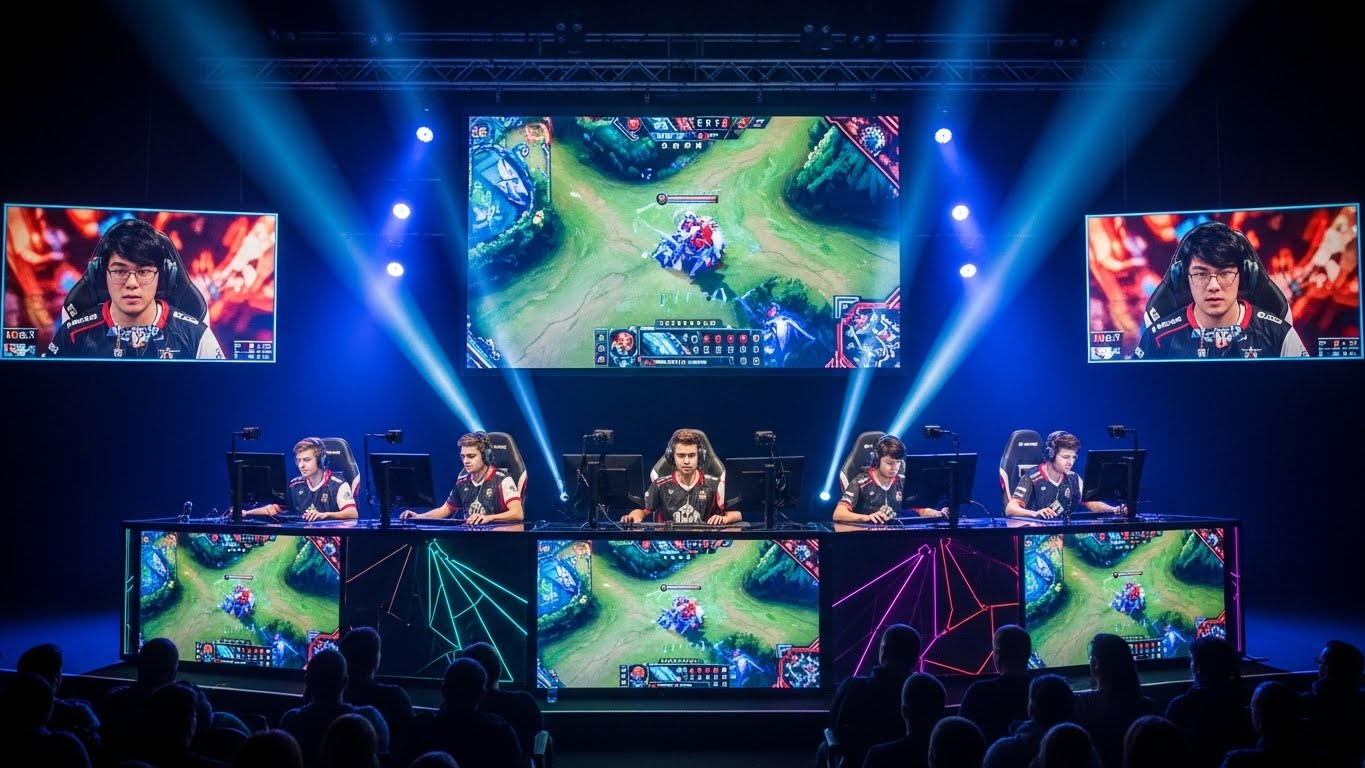
Esports events are often broadcast on streaming platforms like Twitch, YouTube, and Facebook, where viewers can watch live matches, interact with streamers, and engage with other fans in real time. Major tournaments like The International (Dota 2), League of Legends World Championship, and ESL One attract massive audiences, both in-person and online, with prize pools sometimes reaching millions of dollars.
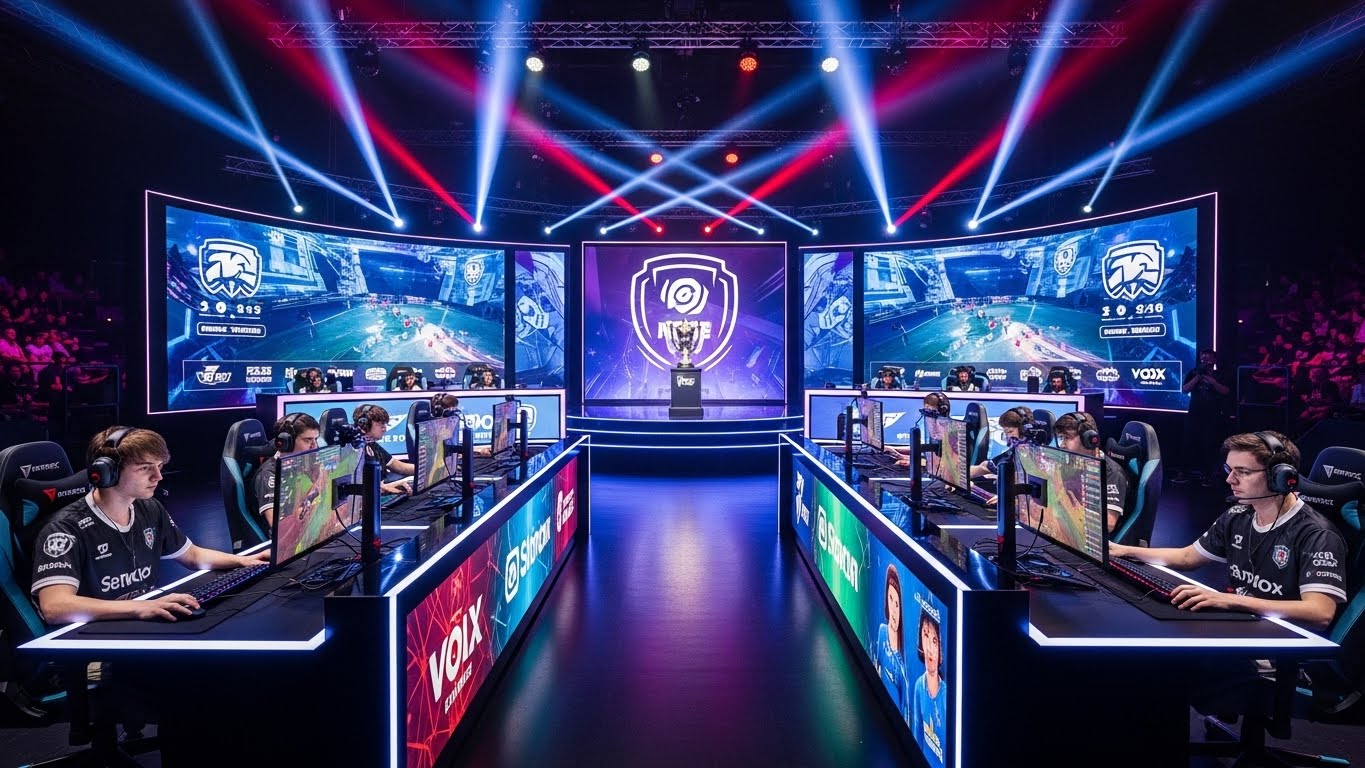
The production value of esports events has also improved significantly, with professional commentators, analysts, and hosts providing in-depth coverage of the games. These events are often accompanied by exciting visuals, interviews with players, and fan interaction, making them feel like high-octane sports broadcasts. The combination of intense gameplay, engaging personalities, and interactive fan experiences has made esports a highly entertaining form of competition that rivals traditional sports in terms of excitement and engagement.
Esports and the Future of Education and Career Paths
As esports continues to grow, it is also having a significant impact on education and career opportunities. In recent years, universities and colleges around the world have started offering scholarships for talented esports players, recognizing that gaming can be as competitive and skillful as any traditional sport. Esports programs are now part of many higher education institutions, providing students with the opportunity to study game design, management, and broadcasting, while also competing at a high level.
Esports careers are also becoming more diversified. Players can pursue careers in game development, content creation, coaching, team management, marketing, and even broadcasting. The rise of esports has opened up a wide array of career paths for young people passionate about gaming, allowing them to turn their passion into a full-time job. Many professional gamers, content creators, and streamers now enjoy significant incomes through sponsorships, merchandise, and streaming revenue.
The Challenges and Controversies in Esports
Despite its growth, esports is not without its challenges. One of the most significant issues facing the industry is the mental and physical toll that professional gaming can take on players. The intense practice schedules and the pressure to perform at the highest level can lead to burnout, stress, and even health issues like eye strain, repetitive stress injuries, and sleep deprivation. Many organizations are now recognizing the importance of player well-being and are implementing mental health resources, physical fitness programs, and balanced schedules to protect their players.
Another challenge facing esports is the issue of cheating and match-fixing. With the rise of online competition, some players have resorted to using cheating software or engaging in match-fixing to gain an unfair advantage. This has led to scandals and controversies within the community, as well as calls for more robust anti-cheating measures and stronger regulations to ensure the integrity of esports competitions.
The Future of Esports: A Multibillion-Dollar Industry
The future of esports looks incredibly bright. With its rapid growth, increasing mainstream appeal, and expanding infrastructure, esports is poised to become a multibillion-dollar industry in the coming years. As more brands and investors pour money into the sector, esports will continue to evolve, with new games, new formats, and new technologies shaping the landscape.
One area of development to watch is the integration of virtual reality (VR) and augmented reality (AR) into esports. These technologies have the potential to revolutionize the way people experience and engage with competitive gaming, offering more immersive and interactive environments for both players and viewers.
As esports moves toward greater legitimacy and recognition, it could even earn a place in the Olympics, with discussions about including esports in future Olympic Games gaining traction. Whether this becomes a reality or not, one thing is clear: esports is here to stay, and its influence will only continue to grow in the years ahead.
Conclusion: Esports—The Future of Competitive Gaming
Esports is no longer a niche hobby for a small group of gamers; it is a global cultural movement that has captured the hearts and minds of millions. From its humble beginnings in arcades to its rise as a billion-dollar industry, esports has come a long way, and it shows no signs of slowing down. Whether you’re a player, a fan, or someone just discovering the world of esports, there has never been a more exciting time to be part of this digital revolution.
As technology advances, new games are developed, and the community continues to grow, esports will undoubtedly continue to shape the future of entertainment. The world of competitive gaming has arrived—and it’s here to stay.