championtribe73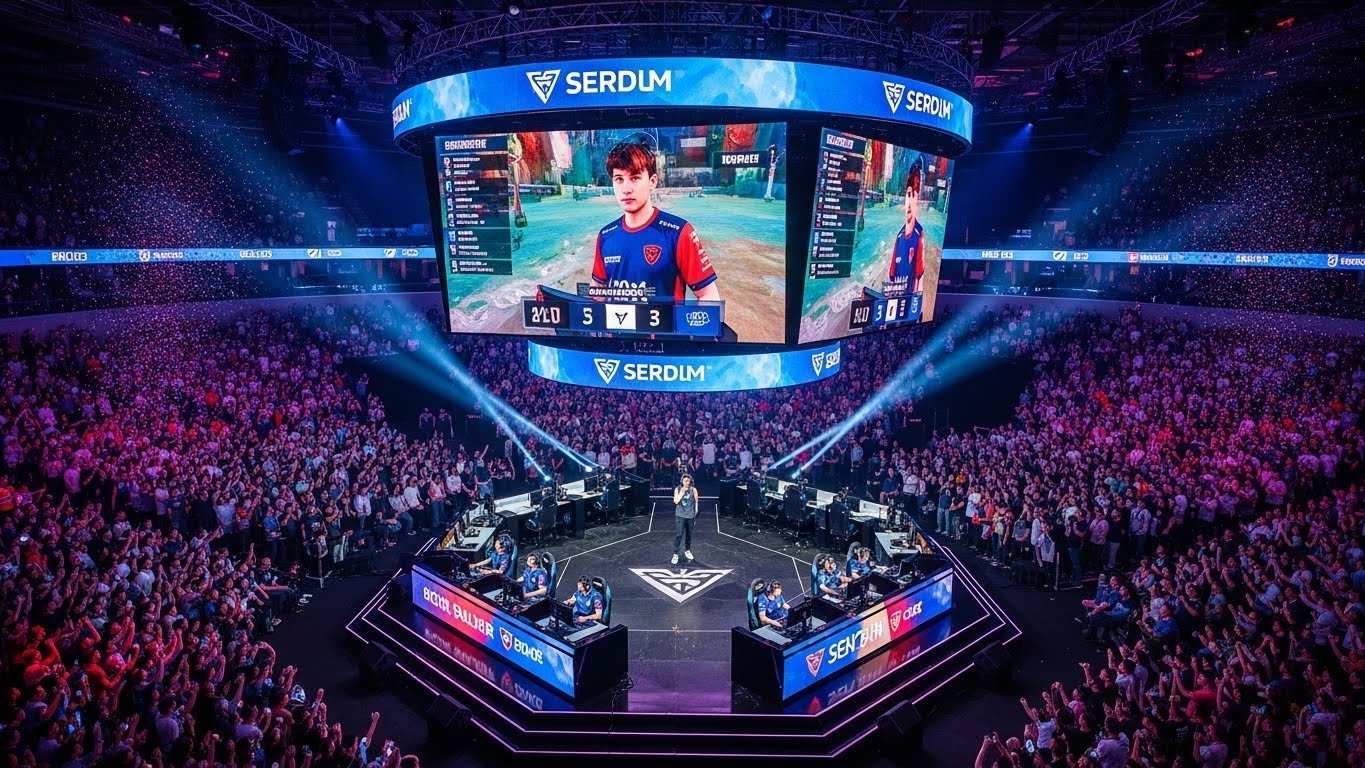
Introduction: The Unstoppable Rise of Esports
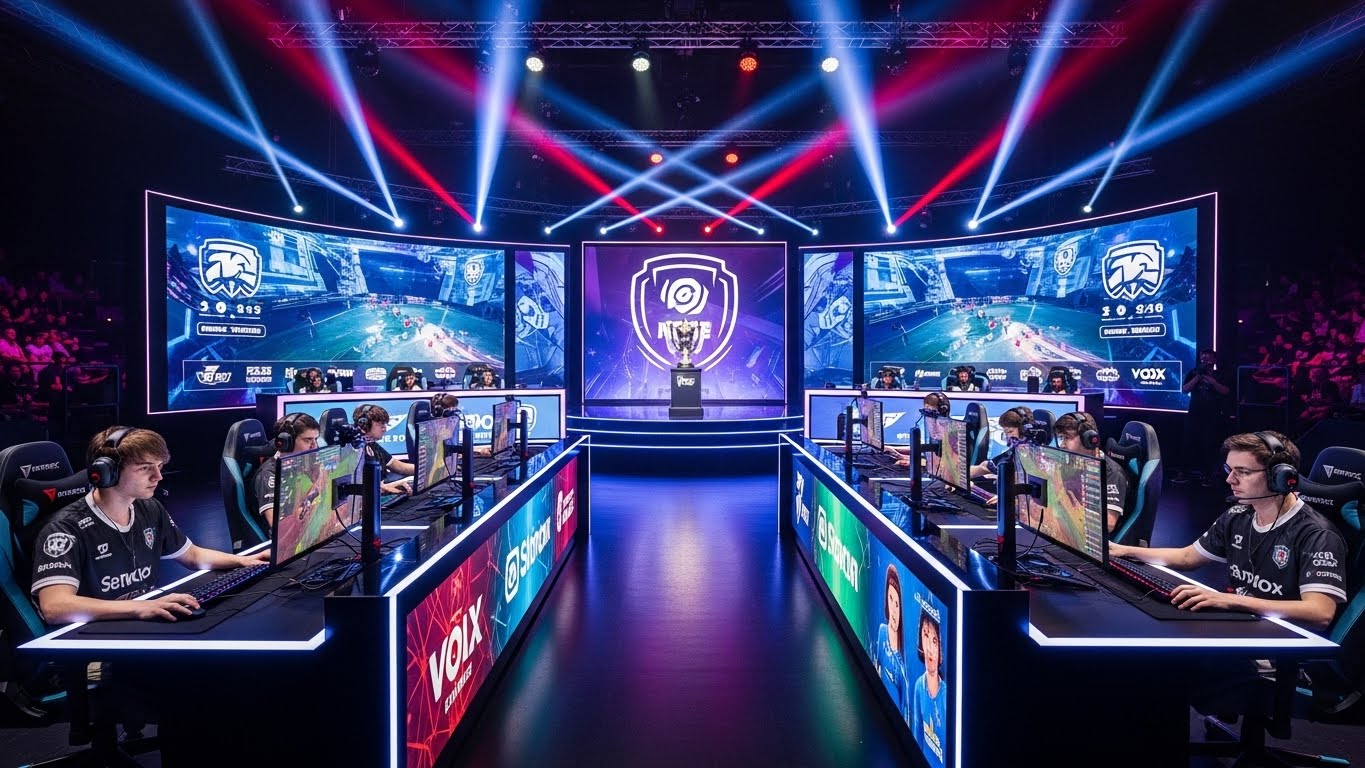
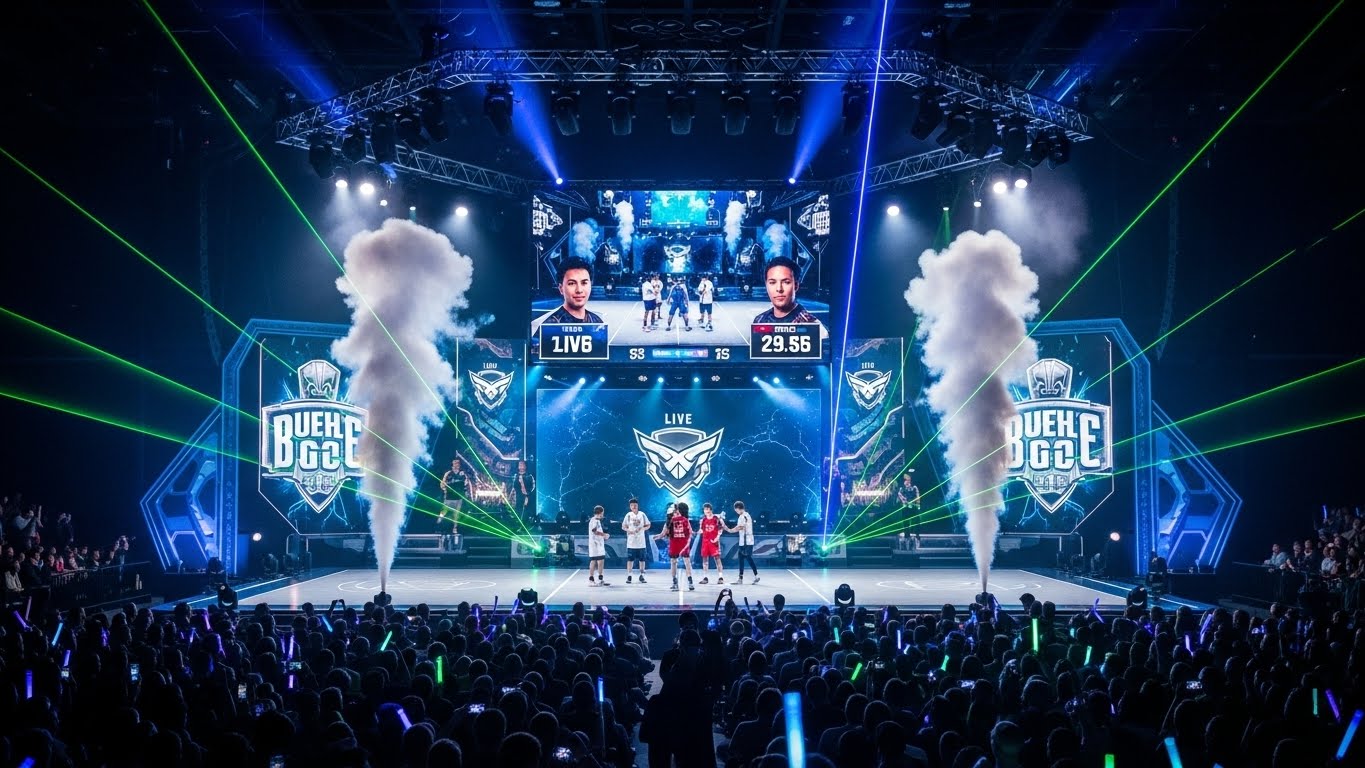
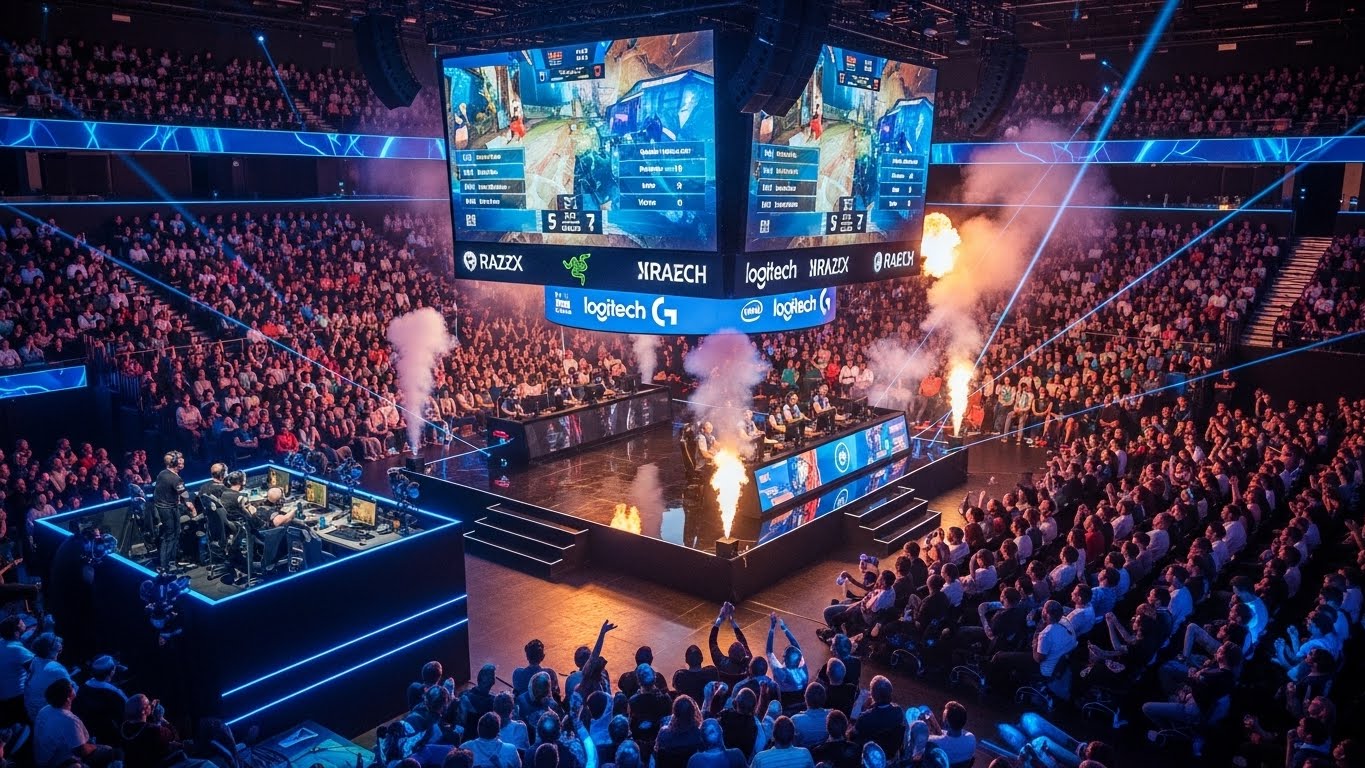
The world of sports has been forever changed in the past two decades, not by a new ball or a better stadium, but by something digital: esports. What started as a hobby for a niche group of gamers has exploded into a global phenomenon, captivating millions of fans worldwide and turning competitive gaming into a multi-billion-dollar industry. Unlike traditional sports, esports is accessible to virtually anyone with an internet connection, giving it a unique edge in terms of inclusivity and global reach. Today, esports tournaments draw crowds as large as those in football stadiums, and gamers have become global celebrities with millions of followers across social media platforms.
In this blog, we’ll explore the evolution of esports, its rise to global prominence, and the many factors that have contributed to making it one of the fastest-growing forms of entertainment today. Along the way, we’ll discuss how esports has changed the way we think about competition, community, and the future of digital entertainment.
The Origins of Esports: From Arcade Games to International Tournaments
Esports didn’t just appear overnight. Its roots can be traced back to the early 1990s, when competitive gaming was still a novel idea. Early computer and arcade games like Pong and Space Invaders had multiplayer modes, but it wasn’t until StarCraft and Quake that competitive gaming began to evolve into the format we recognize today. These games introduced an entirely new way to engage with gaming—through tournaments where players could compete for prizes and prestige.
The first large-scale tournament that set the stage for modern esports was the Red Annihilation tournament for Quake in 1997, where professional and amateur gamers from around the world gathered to compete. But it wasn’t until the early 2000s, with the advent of online multiplayer games like Warcraft III and Counter-Strike, that the competitive gaming scene began to take off on a global scale. Platforms such as the World Cyber Games and Electronic Sports World Cup emerged, showcasing the competitive potential of gaming and attracting sponsorships from brands seeking to tap into this growing market.
The next pivotal moment for esports came in 2011 with the launch of Twitch, a live streaming platform dedicated to gaming content. Twitch gave players and fans alike an easy way to watch and participate in esports tournaments, allowing them to engage in real-time with their favorite games and players. With Twitch’s growing popularity, gaming transitioned from an isolated experience to a highly interactive and social one. This helped esports gain mass appeal, turning it into a true spectator sport and further solidifying its place in the entertainment industry.
Esports Today: A Global Industry Worth Billions
Esports has grown at an exponential rate since its humble beginnings. Today, it is a global industry worth billions of dollars. Prize pools for tournaments have skyrocketed, and the business side of esports continues to attract significant investments from both traditional sports franchises and big-name companies. Major tournaments like the League of Legends World Championship, The International for Dota 2, and Fortnite tournaments offer prize pools worth tens of millions of dollars. These events are not only streamed live on platforms like Twitch but are also broadcast on traditional television networks, expanding their reach to a global audience.
The rise of esports has also led to the establishment of professional esports leagues in various games. For example, the Overwatch League and Call of Duty League mirror traditional sports leagues, with franchised teams, regular seasons, and playoffs. These leagues have brought a level of professionalism to esports, attracting major sponsors and creating a viable career path for players. In fact, esports athletes now earn salaries, receive endorsement deals, and have long-term contracts, much like their counterparts in traditional sports.
With the financial growth has come an increase in the number of esports organizations, tournaments, and leagues. Major cities around the world now host large esports events in state-of-the-art arenas. Esports has also expanded beyond just the games themselves; gaming content creators and influencers have become central to the ecosystem. Streaming platforms like YouTube Gaming and Facebook Gaming have seen a surge in viewership, providing gamers with opportunities to not only compete but to build entire careers around their personalities and content creation.
The Appeal of Esports: Why It’s Captivating Millions
What makes esports so appealing to millions of fans around the world? The answer lies in several key factors: accessibility, engagement, skill, and community.
1. Accessibility
Unlike traditional sports, esports is incredibly accessible. All it takes is a computer or gaming console, an internet connection, and a game to play. People from all corners of the globe can connect and compete without the need for expensive equipment or travel. Furthermore, many of the most popular esports titles, like League of Legends and Fortnite, are free-to-play, making them even more accessible to a wider audience.
2. Engagement
Esports isn’t just about watching players compete—it’s about interacting with the game and the players themselves. Platforms like Twitch and YouTube Gaming allow fans to engage directly with their favorite players, whether through live chat, donations, or even participating in events. The interactive nature of esports elevates it from a passive viewing experience to an active, immersive one.
3. Skill and Competition
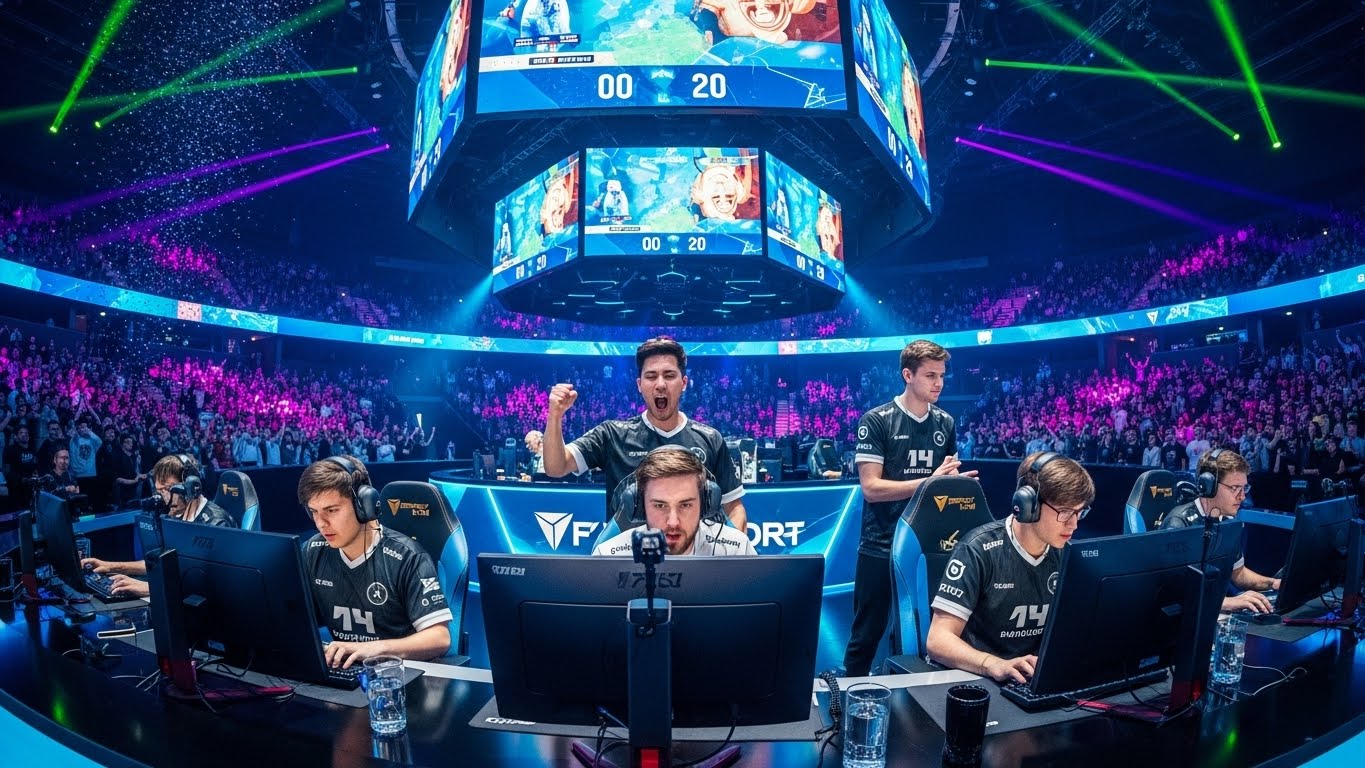
At the heart of esports is the level of skill required to succeed. Professional esports players dedicate countless hours to practice, strategy, and refinement of their gameplay. Unlike some traditional sports, where physical prowess is a key component, esports requires extraordinary hand-eye coordination, strategic thinking, and the ability to stay calm under pressure. For fans, this high level of skill is both awe-inspiring and relatable—many can watch and learn from the pros, while others aspire to reach those same levels of excellence.
4. Community
Esports is also about community. Online gaming has always been a social activity, but esports has turned it into a global community. Whether it’s rooting for a favorite team in a championship or participating in a fan-driven discussion about a game, esports fans are some of the most passionate and dedicated. Online forums, social media groups, and fan meet-ups contribute to a sense of belonging that transcends borders and languages.
Esports and the Cultural Shift: Gaming as a Lifestyle
Esports has not only changed how we view gaming; it has fundamentally altered our perception of what it means to be a “gamer.” In the past, gamers were often stereotyped as introverted individuals sitting in front of a screen for hours on end. Today, gaming and esports are considered a legitimate form of entertainment, much like watching professional basketball or football. Esports stars are treated like celebrities, and gaming culture has become mainstream.
Gaming is no longer just a hobby—it’s a lifestyle. Gamers express themselves through the games they play, the content they create, and the communities they build. Streaming platforms, YouTube, and social media have created spaces for gamers to showcase their skills, connect with fans, and build brands. Many top-tier esports players have become household names, influencing everything from fashion to technology.
Moreover, the growing acceptance of esports in academic institutions, particularly in high schools and colleges, is cementing gaming as a legitimate career path. Many universities now offer esports scholarships and field competitive teams, while esports organizations and businesses are opening doors for gamers in areas such as coaching, analytics, commentary, and event management.
The Future of Esports: Challenges and Opportunities
While the growth of esports has been nothing short of remarkable, the industry still faces several challenges. One of the most pressing issues is player health. Professional gamers often spend hours each day training, which can lead to physical and mental strain. Repetitive stress injuries, such as carpal tunnel syndrome, are common among esports players, and mental health issues such as anxiety and burnout are prevalent as well. As esports continues to grow, there will likely be a greater emphasis on providing players with support for their physical and mental well-being.
Another challenge is the long-term sustainability of the industry. While the prize money and sponsorship deals are substantial, there is still uncertainty regarding the longevity of esports’ appeal. What happens when a game’s popularity wanes, or if new competitors enter the scene? Esports organizations will need to innovate continuously to keep audiences engaged and ensure that players have opportunities for long-term careers.
Despite these challenges, the future of esports is promising. The rise of new games, the expansion of esports into mainstream media, and the increasing recognition of esports as a legitimate form of entertainment will continue to drive the industry forward. The integration of virtual reality, augmented reality, and advanced streaming technologies will likely enhance the gaming experience, creating even more immersive tournaments and fan interactions.
Conclusion: The Evolution of a Digital Revolution
Esports is no longer just a niche activity for gamers; it has become a global entertainment powerhouse. With its massive audience, lucrative career opportunities, and cultural impact, esports is reshaping the way we think about gaming and competition. As the industry continues to evolve, the future of esports looks bright, offering new opportunities for players, fans, and content creators alike.
Esports has not only proven that competitive gaming can be just as thrilling as traditional sports but has also highlighted the power of community, skill, and innovation in creating something truly global. As we look ahead, it’s clear that esports will continue to captivate the world and inspire future generations to embrace the digital frontier.