championtribe73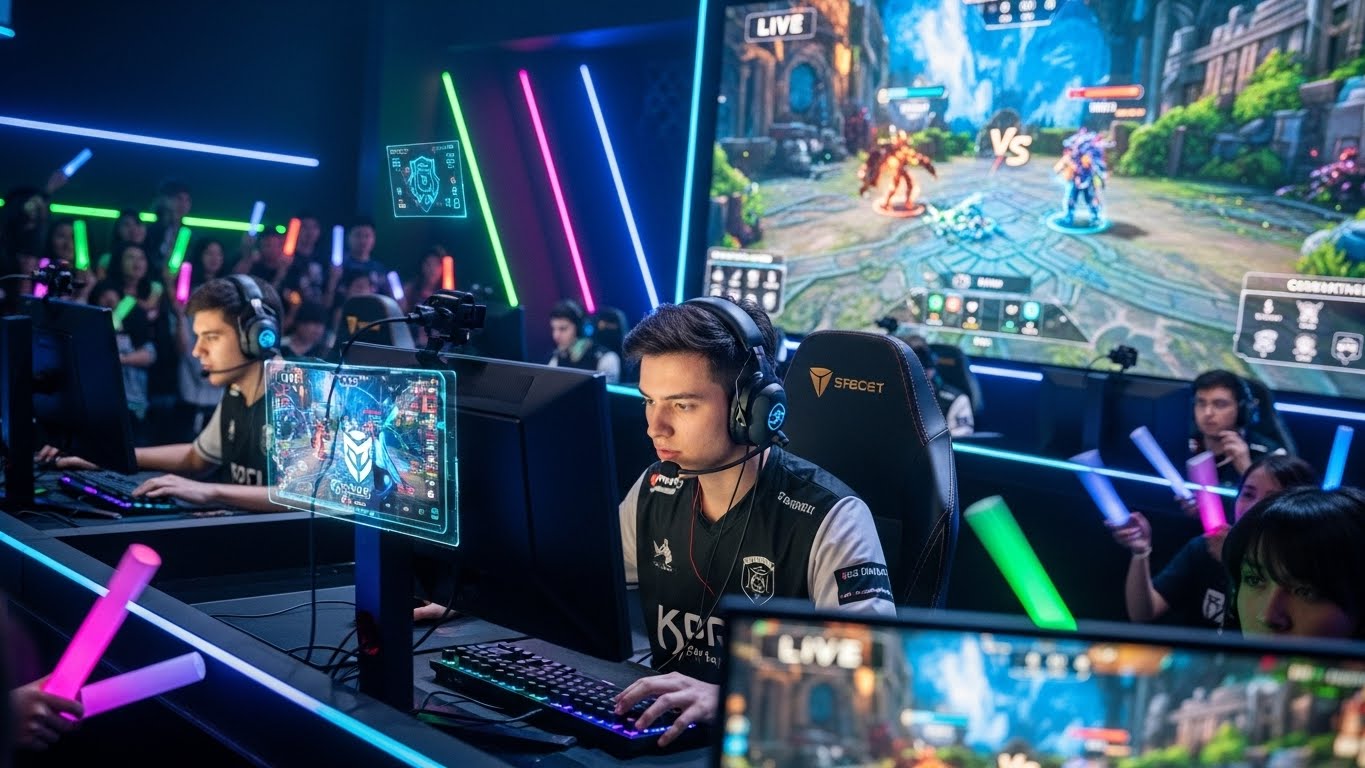
Introduction: The Rise of a Digital Arena
Esports, once dismissed as a niche pastime for gamers, has evolved into a global phenomenon that rivals traditional sports in viewership, revenue, and cultural impact. Competitive gaming now fills stadiums, attracts millions of online spectators, and creates professional opportunities that did not exist a decade ago. From teenagers training like elite athletes to multinational brands investing heavily in teams and tournaments, esports has reshaped how competition is defined in the digital age. This blog explores the evolution of esports, its ecosystem, its cultural influence, and what the future may hold for this rapidly growing industry.
Understanding Esports: More Than Just Playing Games
Esports refers to organized, competitive video gaming where individuals or teams compete under standardized rules in popular game titles. Unlike casual gaming, esports emphasizes skill mastery, strategic depth, teamwork, and high-pressure performance. Players specialize in specific games and roles, often practicing for many hours a day to refine mechanics, reaction time, and decision-making.
Popular esports genres include multiplayer online battle arenas, first-person shooters, real-time strategy games, sports simulations, and fighting games. Each genre requires a unique skill set, from lightning-fast reflexes to long-term strategic planning. What unites them is the competitive framework that mirrors traditional sports leagues, complete with seasons, playoffs, championships, and dedicated fan bases.
A Brief History of Competitive Gaming
The roots of esports can be traced back to the early days of video games, when arcade competitions and small-scale tournaments brought players together. As home consoles and personal computers became more powerful, competitive gaming moved online, allowing players from different regions to compete against one another.
The real turning point came with the rise of broadband internet and streaming platforms. Competitive matches could now be broadcast live, transforming private competitions into spectator events. Viewers were no longer just players; they became fans who followed teams, analyzed strategies, and celebrated star performers. This shift laid the foundation for esports as an entertainment industry rather than just a hobby.
The Esports Ecosystem: Players, Teams, and Organizations
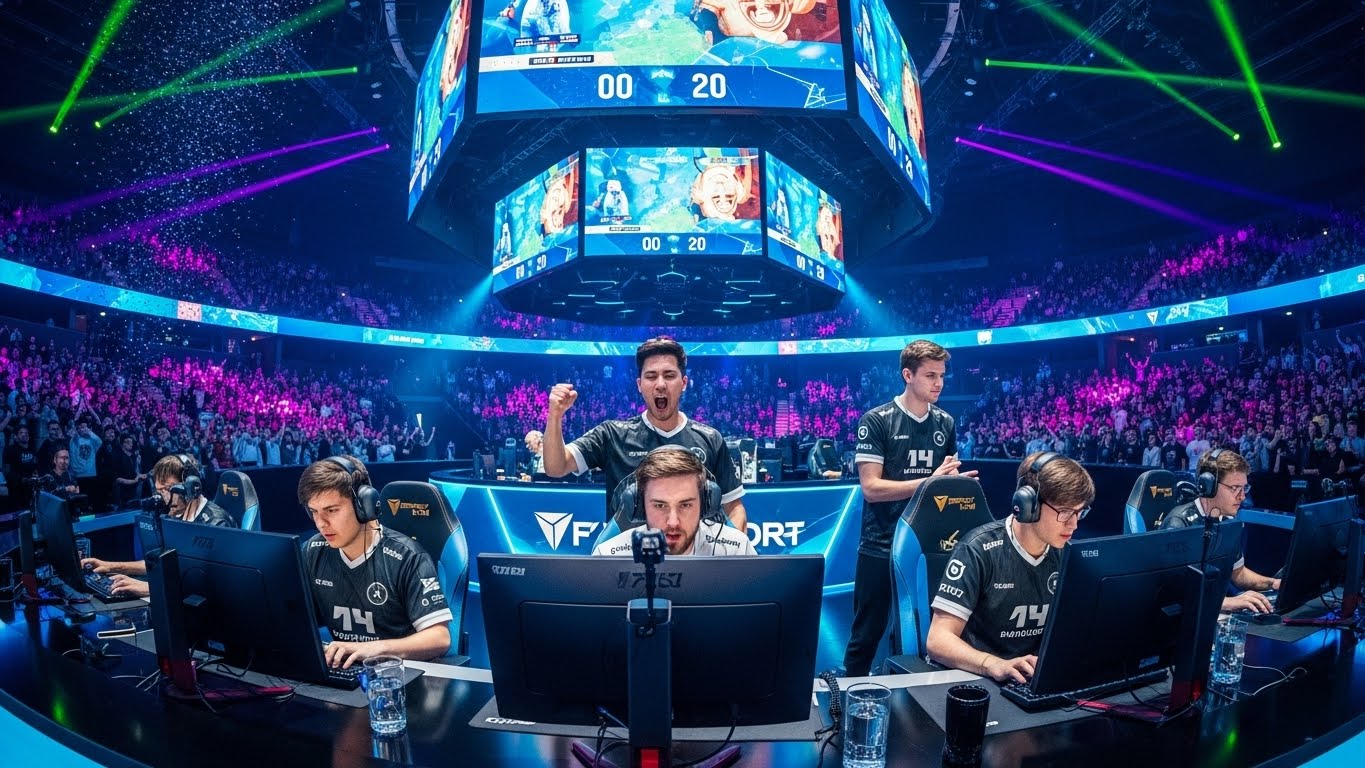
At the center of esports are the players, many of whom begin training at a young age. Professional players often specialize early, focusing on one game to reach elite levels. Their daily routines resemble those of traditional athletes, including practice sessions, strategy meetings, physical exercise, and mental conditioning.
Teams and organizations provide structure and support. They manage player contracts, coaching staff, analysts, and support personnel. Coaches help refine strategies and team coordination, while analysts study opponents and game data to gain competitive advantages. Larger organizations also invest in player well-being, recognizing that physical health and mental resilience are crucial for peak performance.
Tournament organizers and league operators form another essential part of the ecosystem. They design competitive formats, enforce rules, and ensure fair play. These events range from local competitions to international championships with massive prize pools and global audiences.
The Role of Technology and Innovation
Technology is the backbone of esports. High-performance hardware, low-latency internet connections, and advanced software tools enable competitive integrity and smooth gameplay. Streaming technology allows matches to be broadcast in real time, complete with professional commentary, instant replays, and data overlays that enhance the viewing experience.
Innovation continues to shape the industry. Artificial intelligence is increasingly used for performance analysis, helping players identify weaknesses and optimize strategies. Virtual and augmented reality experiments hint at new ways for fans to engage with esports, potentially blurring the line between spectator and participant.
Esports as Entertainment and Spectacle
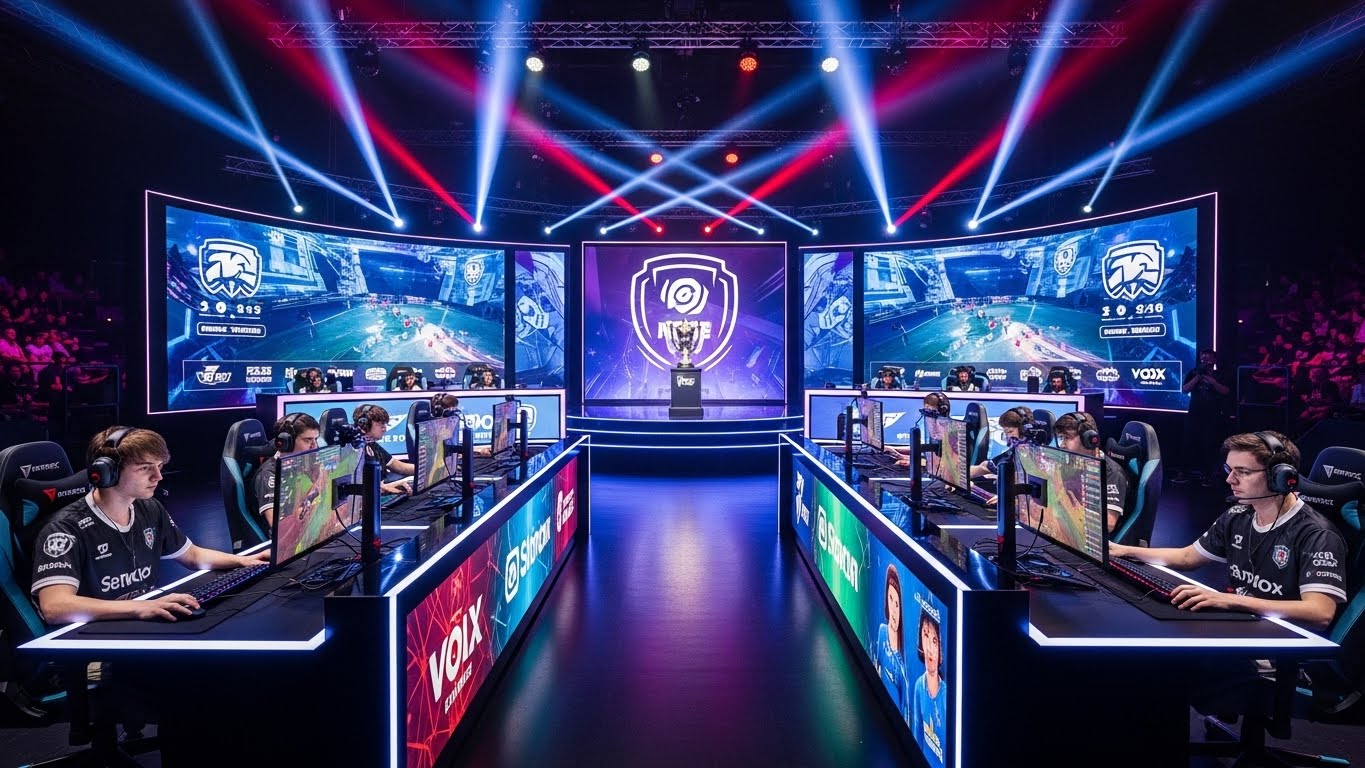
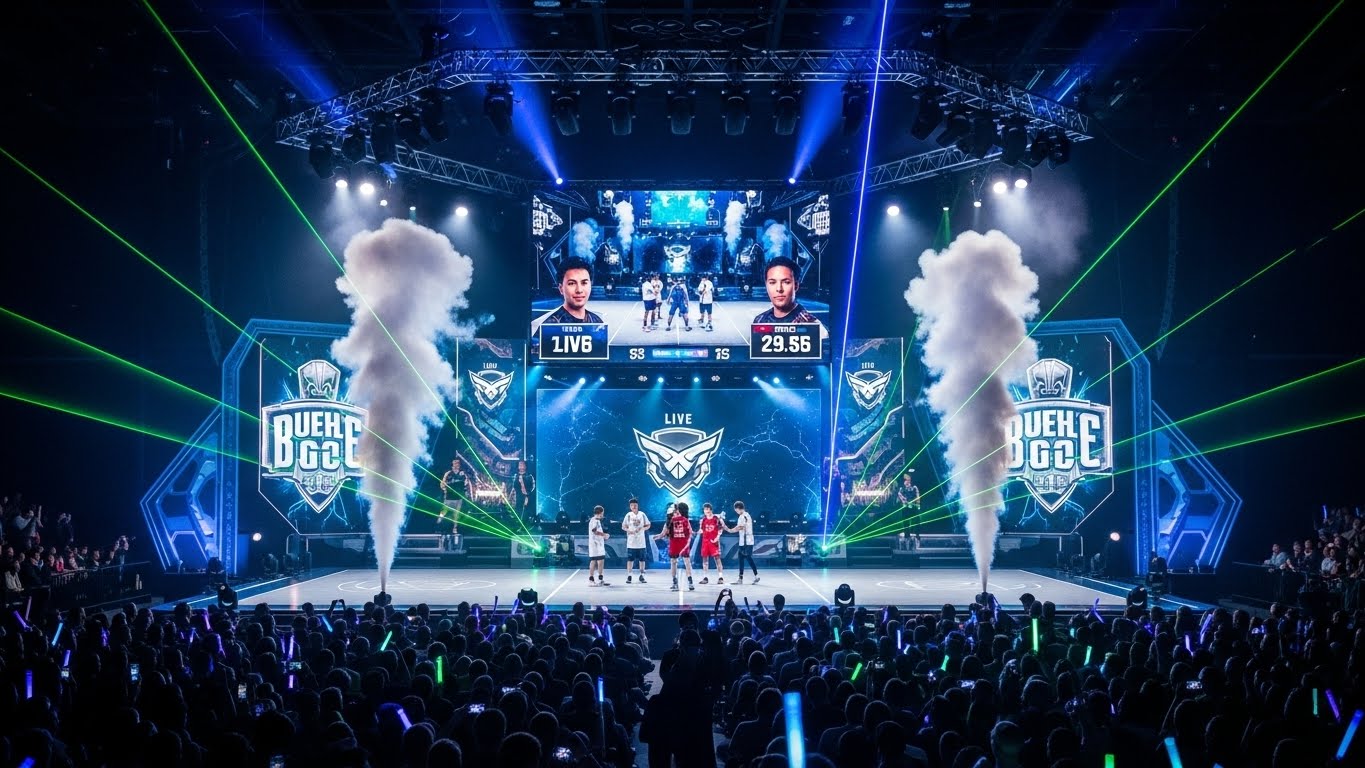
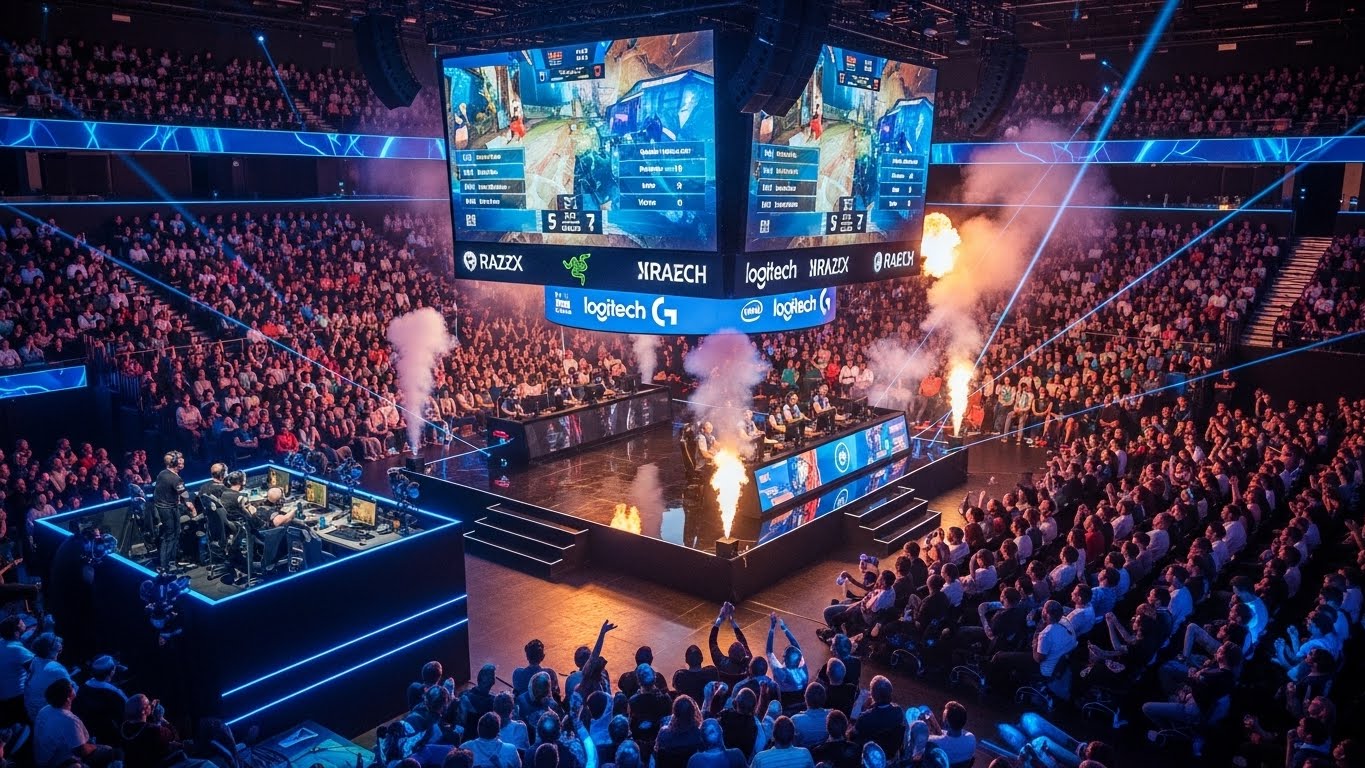
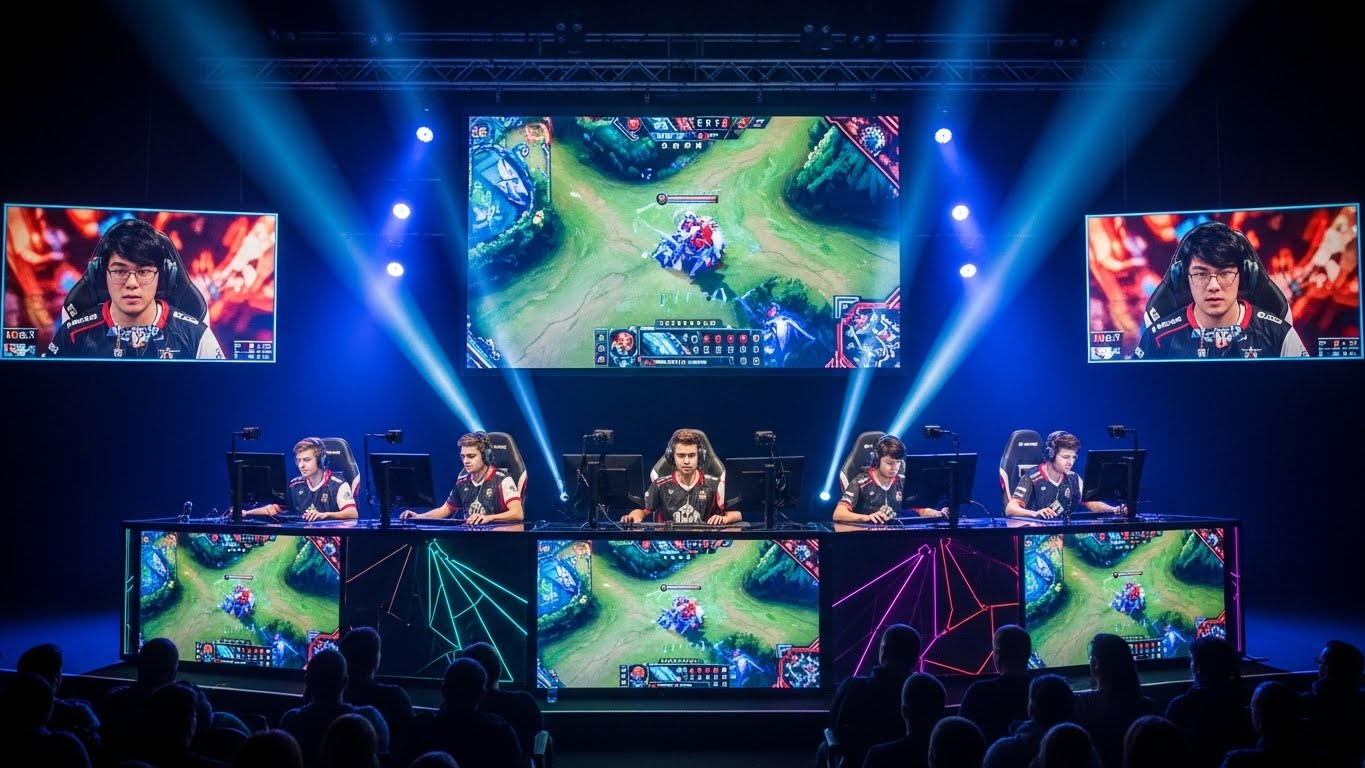
One of the most striking aspects of esports is its transformation into a form of mass entertainment. Major tournaments are staged in large arenas, complete with elaborate lighting, music, and stage design. The atmosphere often resembles a concert or championship sporting event, with cheering crowds and dramatic moments that create lasting memories.
Commentators, often called casters, play a crucial role in making esports accessible to broader audiences. They explain strategies, highlight key plays, and build narratives around rivalries and player journeys. This storytelling element helps newcomers understand the games while deepening engagement for experienced fans.
Cultural Impact and Global Reach
Esports transcends geographical and cultural boundaries. Players and fans from different countries interact daily through online platforms, creating a truly global community. International tournaments showcase diverse styles of play, influenced by regional preferences and training philosophies.
The cultural impact extends beyond gaming. Esports influences fashion, music, and language, with team merchandise, gaming slang, and digital personalities becoming part of mainstream culture. For many young people, esports provides a sense of identity and belonging, connecting them with like-minded individuals across the world.
Education, Skills, and Career Pathways
Contrary to outdated stereotypes, esports fosters valuable skills. Players develop teamwork, communication, strategic thinking, and adaptability. These competencies are transferable to many professional fields, including technology, business, and media.
Career opportunities in esports extend far beyond playing professionally. The industry needs coaches, analysts, event managers, marketers, broadcasters, content creators, and developers. Educational institutions are increasingly recognizing this potential, offering programs and scholarships related to esports management, game design, and digital media.
Challenges and Criticisms
Despite its growth, esports faces challenges. Player burnout is a significant concern, driven by intense practice schedules and high expectations. The pressure to perform at a young age can impact mental health, making support systems essential.
There are also ongoing discussions about regulation and governance. Ensuring fair play, preventing cheating, and standardizing rules across different leagues require coordination and transparency. Additionally, balancing commercial interests with competitive integrity remains an ongoing challenge as sponsorships and investments increase.
The Business of Esports
Esports is a rapidly expanding business sector. Revenue streams include sponsorships, advertising, merchandise, media rights, and ticket sales. Brands are drawn to esports because of its young, digitally savvy audience and high engagement levels.
Investment from traditional sports organizations and entertainment companies has accelerated professionalization. These partnerships bring resources and expertise but also raise questions about maintaining the unique culture that originally defined esports. Finding the right balance between commercialization and community values will be key to sustainable growth.
The Future of Esports
Looking ahead, esports shows no signs of slowing down. As technology advances and global connectivity improves, competitive gaming will continue to reach new audiences. Emerging markets, mobile esports, and cross-platform competitions are likely to play a significant role in the next phase of growth.
The definition of esports itself may evolve. New game genres, hybrid physical-digital competitions, and innovative viewing experiences could redefine what competitive gaming looks like. What remains constant is the core appeal: the thrill of competition, the pursuit of mastery, and the shared excitement of watching skillful play unfold.
Conclusion: A New Era of Competition
Esports represents a fundamental shift in how society views games, competition, and entertainment. It challenges traditional notions of sport while creating opportunities for creativity, connection, and career development. Whether as players, fans, or professionals behind the scenes, millions of people are shaping and being shaped by this digital arena. As esports continues to grow and mature, it stands as a powerful example of how technology and human ambition can combine to create entirely new forms of cultural expression.