championtribe73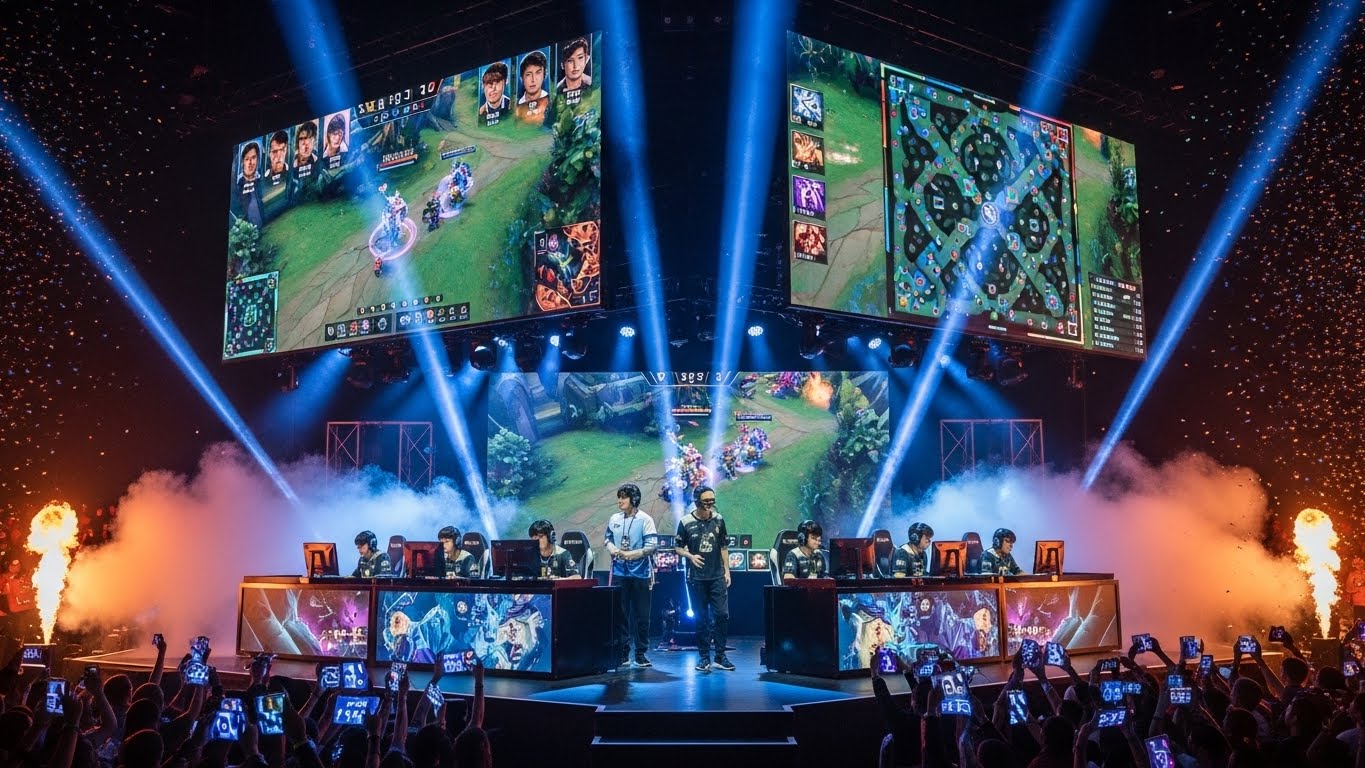
Introduction: A New Era of Competitive Entertainment
Esports is no longer a niche hobby or a side-interest enjoyed by small groups of enthusiastic gamers. It has evolved into a multi-billion-dollar global ecosystem that brings together players, fans, organizations, and brands in ways once unimaginable. What was once dismissed as a casual pastime has transformed into a professional pursuit rivaling traditional sports in viewership, revenue, and cultural impact. Today, esports is shaping careers, building communities, and redefining what competition looks like in a digital world.
This blog explores how esports grew into the cultural powerhouse it is today, what drives its continued expansion, and what the future holds for this rapidly evolving industry.
The Origins of Esports: From Arcade Floors to International Arenas
Esports’ journey can be traced back to the early days of arcade machines and home consoles. Small competitions sprang up as early as the 1970s and 1980s, fueled by the excitement of players mastering titles like Space Invaders and Pac-Man. These early competitions served as the foundation for what would eventually become an organized competitive gaming industry.
As technology improved, local tournaments migrated from school basements and community centers to online platforms. The late 1990s saw the rise of organized leagues around games such as StarCraft, Quake, and Counter-Strike. These titles introduced concepts such as clans, ranked matches, and professional teams. By the 2000s, esports events were filling stadiums in South Korea and gaining mainstream recognition in other parts of the world.
The Explosion of Global Viewership
One of the most important drivers of esports’ popularity is its massive audience. Millions tune in globally to watch their favorite teams compete in tournaments across genres, including first-person shooters, battle arenas, strategy games, and sports simulations.
Streaming platforms played a major role in this surge. Instead of relying on traditional television, esports found its audience online, where viewers could interact, commentate, and follow their favorite players in real time. This accessibility encouraged a new generation of fans, many of whom were already immersed in gaming culture.
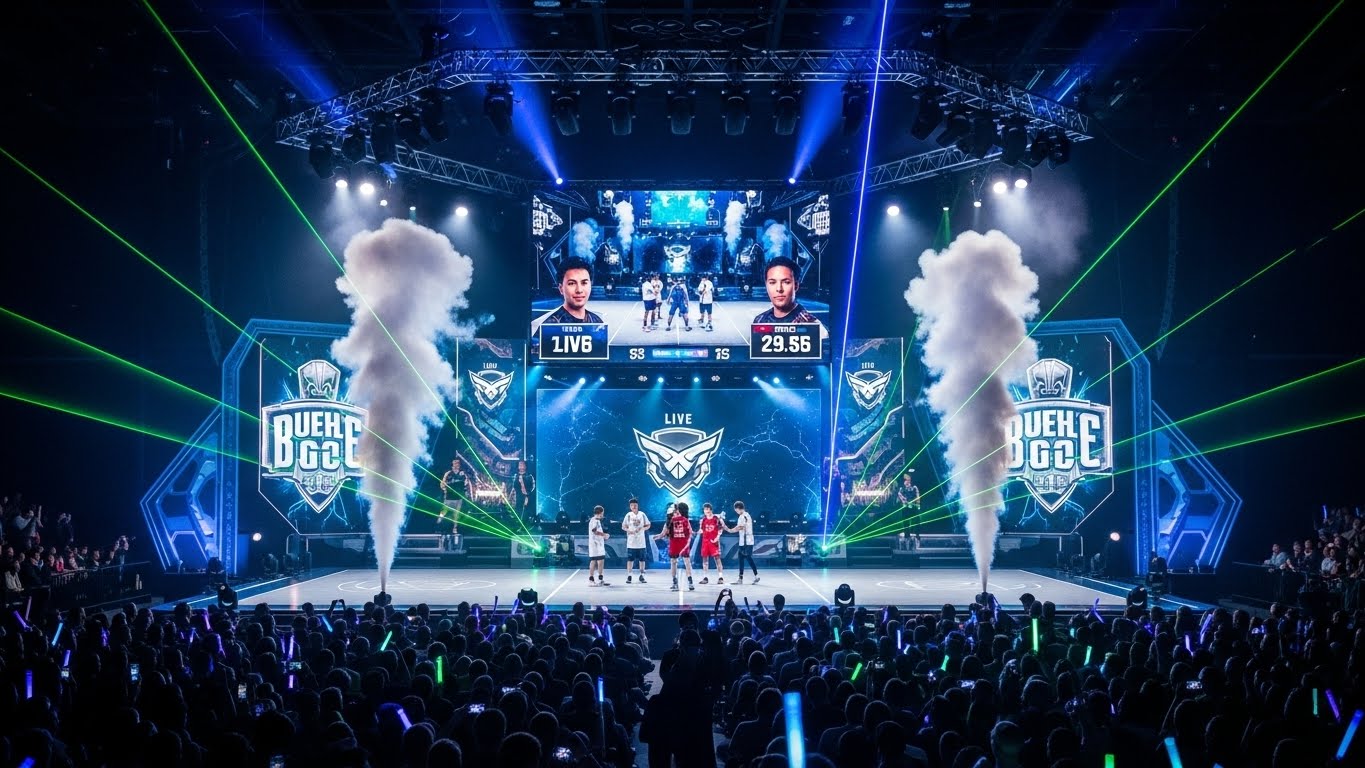
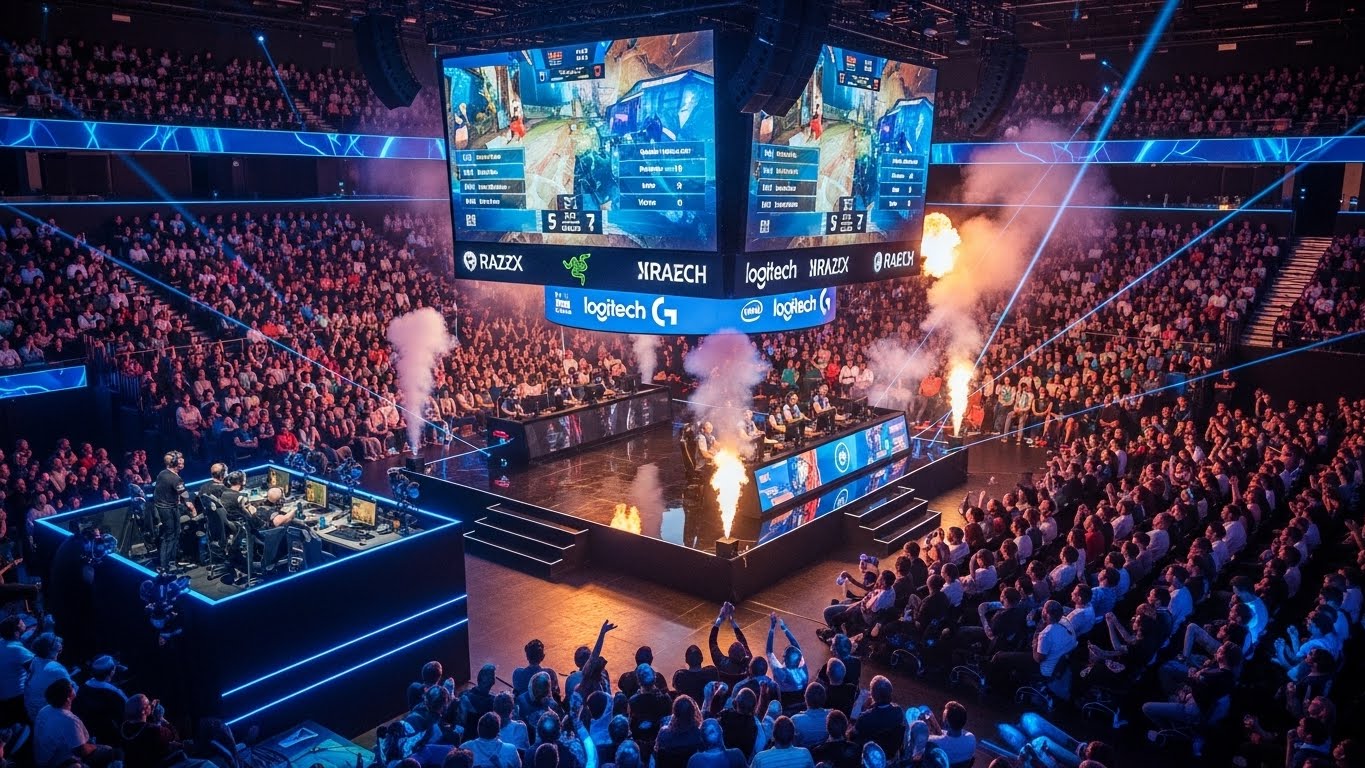
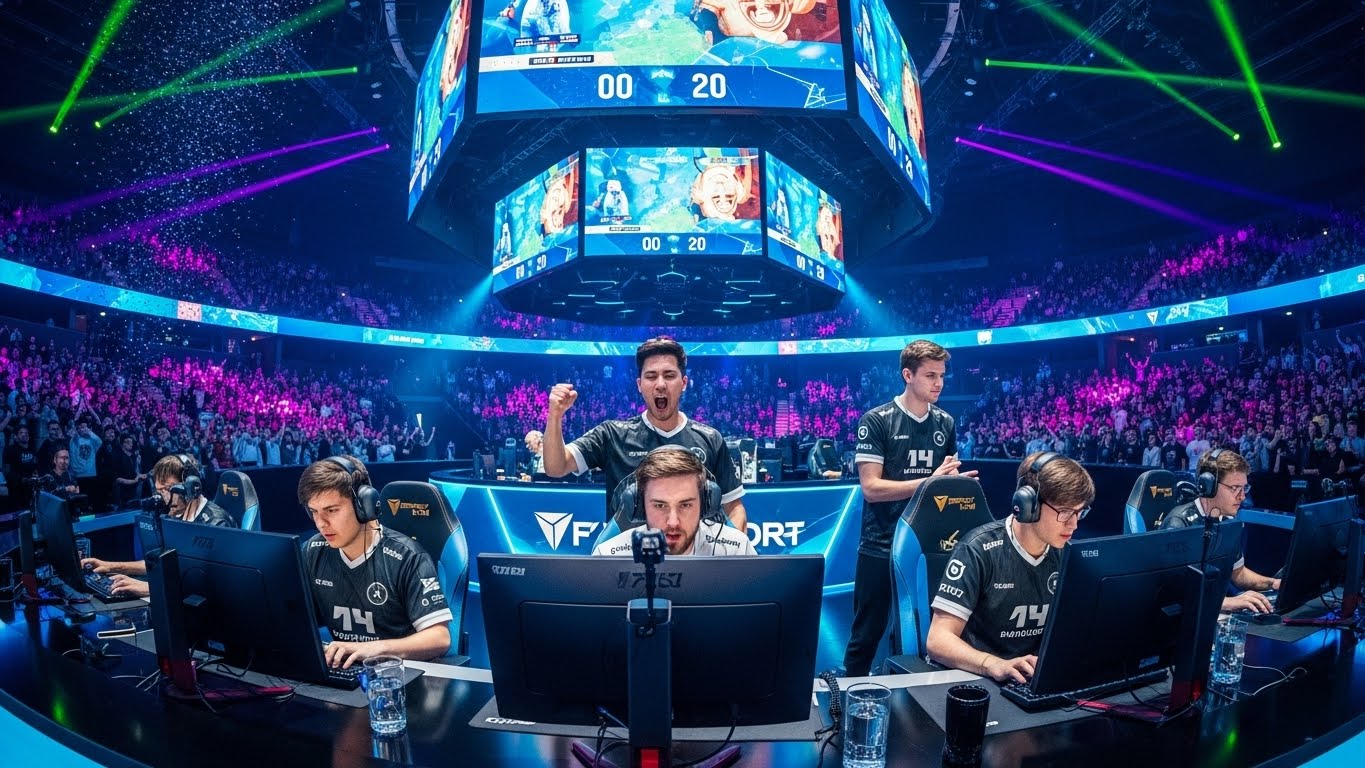
The growth is so substantial that esports finals now rival the viewership of major global sporting events. The thrill of watching elite competitors battle in fast-paced environments has captured diverse audiences, from teenagers discovering gaming to adults who grew up with the earliest esports titles.
The Professional Gamer: More Than Just Playing Games
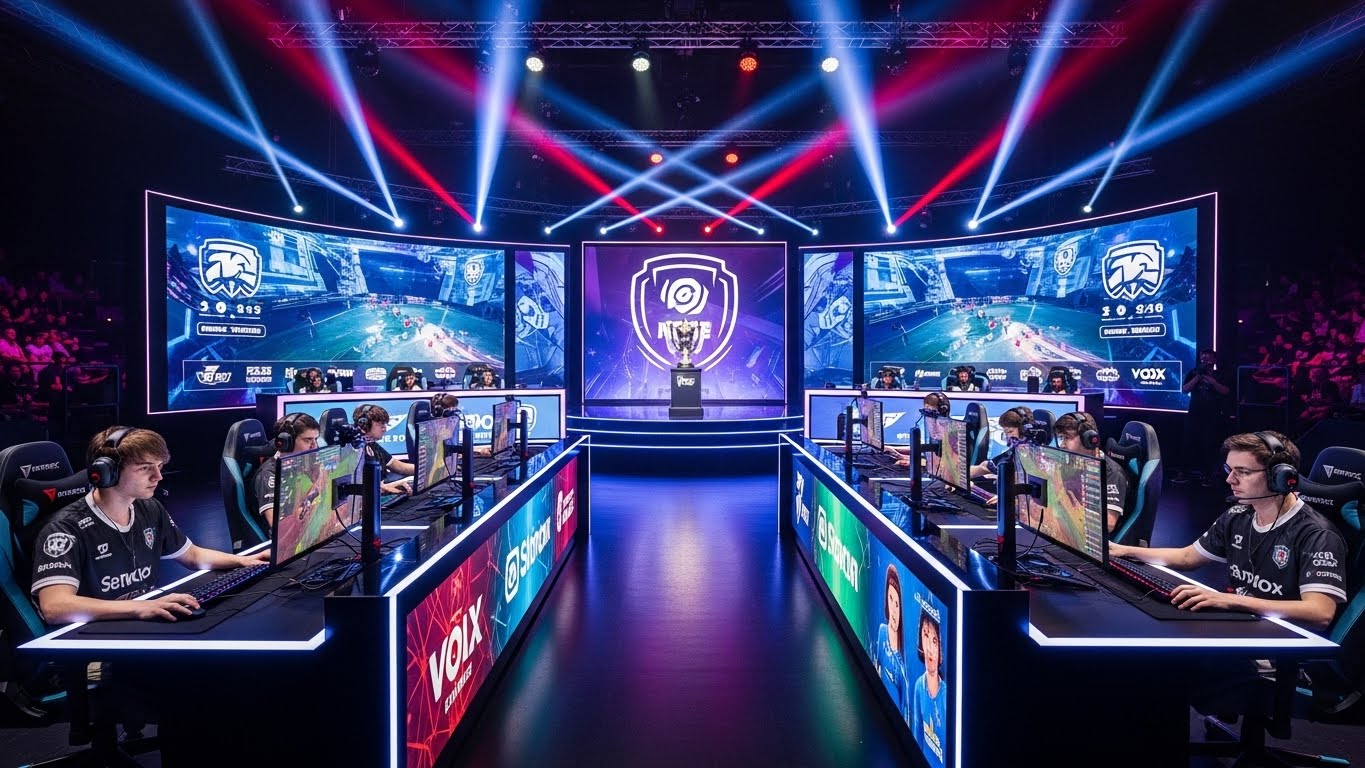
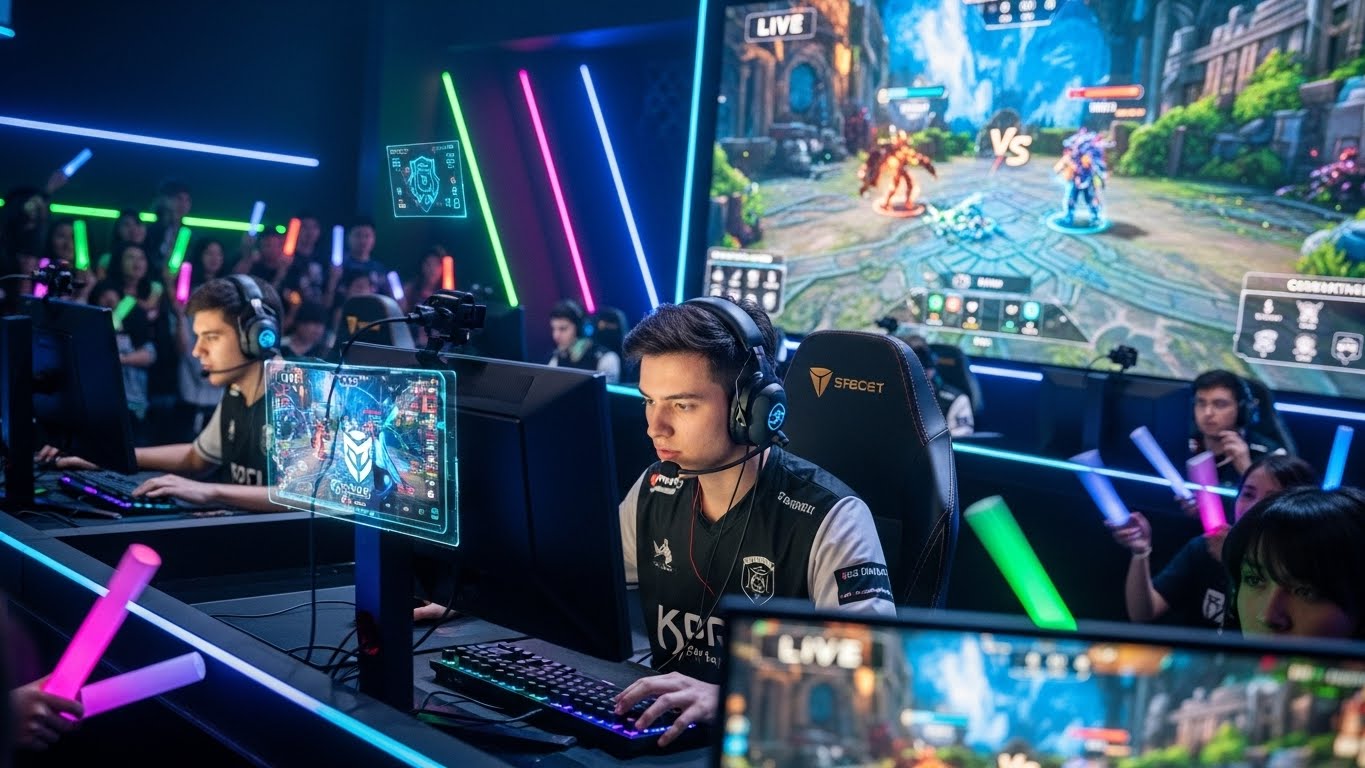
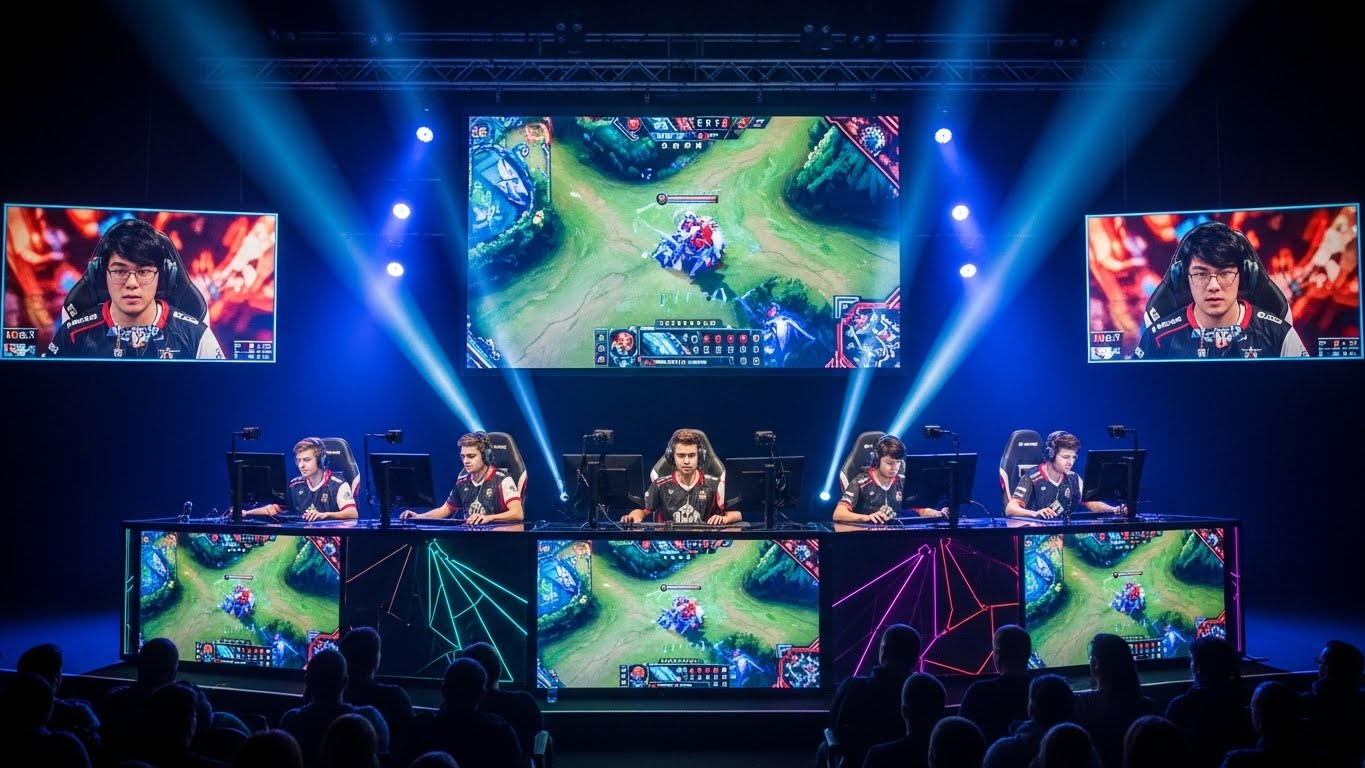
The modern esports athlete is a professional in every sense of the word. They train for hours each day, studying strategies, reviewing gameplay footage, and practicing advanced mechanics. Teams employ coaches, analysts, nutritionists, and mental wellness experts to ensure players reach peak performance.
A competitive gamer must possess:
- Exceptional reaction speed
- Strategic decision-making skills
- Strong communication abilities
- Team coordination and adaptability
- Mental resilience under pressure
These athletes compete in intense tournaments with prize pools that often reach millions. The stakes are high, and the competition is fierce. For many players, this path offers not only the thrill of competition but also the opportunity to build a career, gain sponsorships, and represent global organizations.
Esports Organizations: The New-Age Franchises
Behind the players are powerful esports organizations that operate similarly to traditional sports franchises. These organizations manage multiple teams across different game titles, invest in training facilities, and collaborate with sponsors to support their operations.
Esports organizations have transformed competitive gaming into a structured, profitable business. They offer contracts, salaries, housing, and benefits to players, and some even have exclusive training centers equipped with high-end gaming setups, fitness rooms, and coaching staff.
As esports continues to expand globally, these organizations become central pillars of the industry, influencing everything from tournament ecosystems to brand partnerships.
The Economic Engine Driving the Industry
Esports is not just entertainment; it is a massive economic powerhouse. Revenue streams include sponsorships, advertising, merchandise sales, tournament ticketing, brand deals, and media rights.
Major brands outside the gaming world now invest heavily in esports. Companies from technology, food and beverage, automotive, apparel, and financial sectors collaborate with teams and events, recognizing the immense potential of the esports audience. This widespread investment has further legitimized esports as a mainstream industry.
Additionally, universities and colleges now offer esports scholarships, training facilities, and even official varsity teams. This institutional support showcases how deeply esports has integrated into modern culture and education.
Technology’s Role in Esports Growth
The rise of esports is tightly interwoven with advancements in technology. As hardware becomes more powerful and more affordable, players gain access to high-performance systems capable of running complex games smoothly.
Key technologies that influence esports growth include:
- High-speed internet enabling stable global online tournaments
- Advanced gaming peripherals providing competitive precision
- High-refresh-rate monitors enhancing performance
- Powerful graphics and processors allowing immersive gameplay
- Streaming tools improving content creation and broadcasting quality
The industry’s continuous reliance on evolving technology ensures that esports remains innovative, immersive, and future-focused.
The Cultural Impact of Esports on Youth and Society
Esports has significantly shaped youth culture. It has created new role models, inspired career paths, and influenced social interactions. Many young people today look up to professional gamers the same way previous generations admired traditional athletes.
Beyond competition, esports builds communities. Online platforms allow players and fans from around the world to connect, communicate, and collaborate. These interactions transcend geographical boundaries, fostering teamwork and global friendships.
Additionally, esports encourages skill development in areas such as critical thinking, strategic planning, multitasking, and communication. These qualities transfer beyond gaming and can support personal and professional growth.
The Diversity of Esports Game Genres
The beauty of esports is its variety. Different genres cater to different interests and playstyles, creating multiple avenues for competitive play.
Some popular esports genres include:
- Multiplayer Online Battle Arenas where teams fight for map control
- First-Person Shooters where reflexes and teamwork dominate
- Real-Time Strategy Games emphasizing planning and resource management
- Sports Simulation Games mimicking real-life athletic competitions
- Fighting Games showcasing individual skill and precision
Each genre has its own fan base, competitive structure, and iconic players, contributing to a rich and diverse esports landscape.
Challenges Faced by the Esports Industry
Despite its success, esports faces several challenges that shape its evolving landscape.
Player Health and Burnout
Professional players often train intensely, leading to physical strain and mental fatigue. The industry is working toward better health support and balanced training practices.
Career Longevity
Esports careers tend to be short, with players retiring in their early twenties. Organizations now help players transition to coaching, content creation, or brand partnerships.
Regulation and Governance
With so many game titles, regions, and tournament organizers, creating unified regulations remains complex.
Online Toxicity
Esports communities sometimes struggle with negative behavior, making moderation and mental health support essential.
The Future of Esports: What Lies Ahead
Esports is on track to grow even more dramatically in the coming years. Emerging technologies such as virtual reality, augmented reality, and artificial intelligence are expected to reshape the industry.
Stadiums dedicated exclusively to esports are being built in major cities, and more schools and universities continue to integrate esports into their programs. The possibility of esports becoming part of major global sporting events has also been discussed, showing just how influential the field has become.
Additionally, the blending of gaming with entertainment creates new experiences such as live concerts during tournaments, interactive audience participation, and hybrid digital-physical events.
Esports is not just a trend; it is a cornerstone of modern digital culture.
Conclusion: Esports as the Future of Competitive Entertainment
The rise of esports represents a shift in how society views competition, entertainment, and community. What began as small gatherings of passionate gamers has transformed into an international phenomenon that rivals traditional sports in scale and significance.
Esports empowers players, inspires audiences, and builds global connections. Its growth highlights the evolving nature of entertainment in a digital age, where innovation, technology, and human skill come together to create something truly extraordinary.
As the industry continues to expand, it is clear that esports will remain a powerful and defining force in the world of competitive entertainment for years to come.