championtribe73
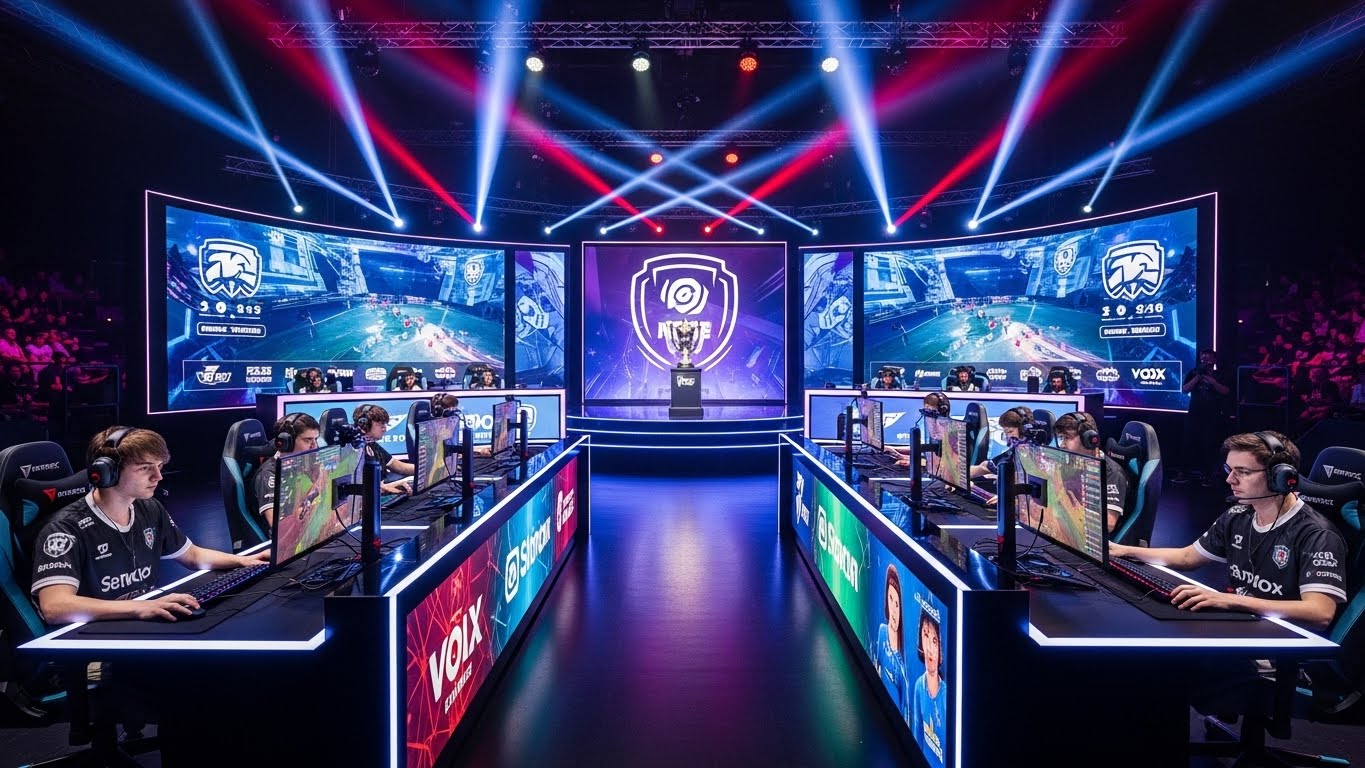
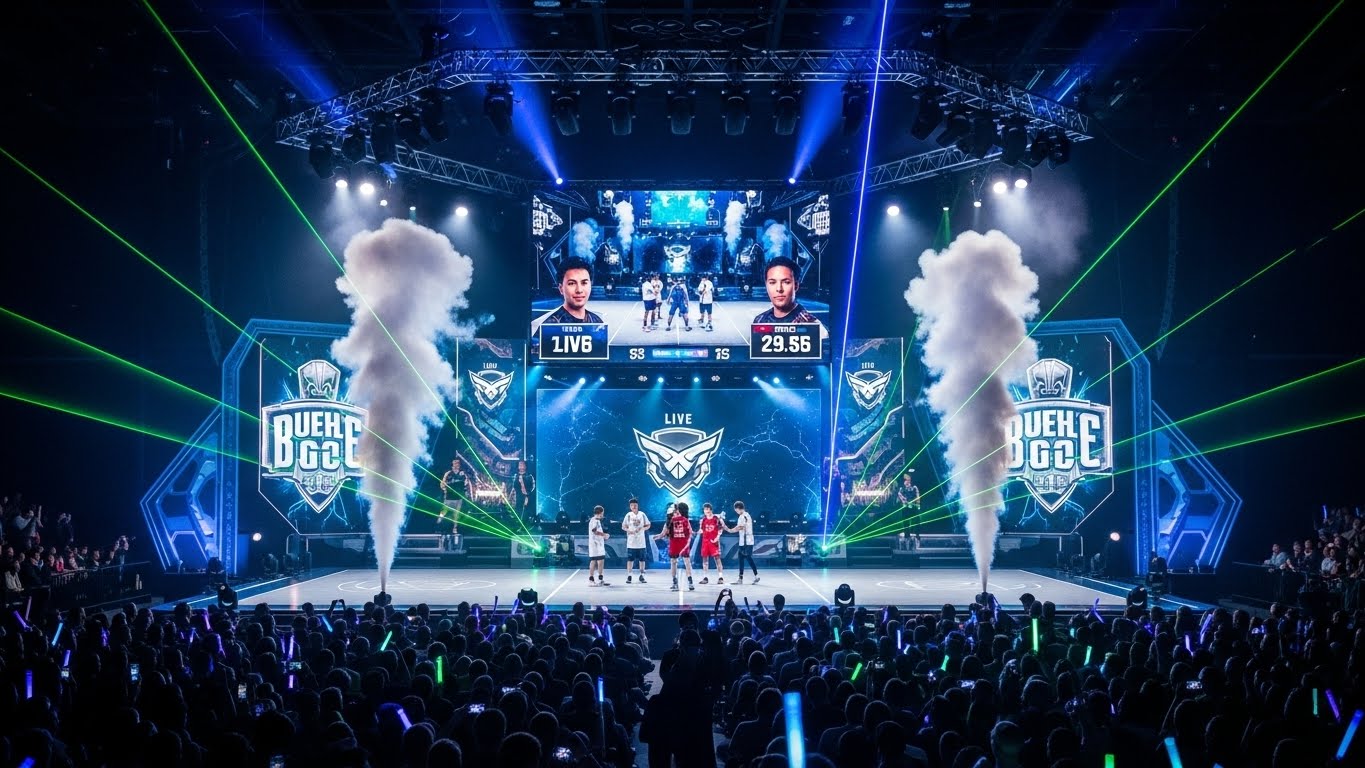
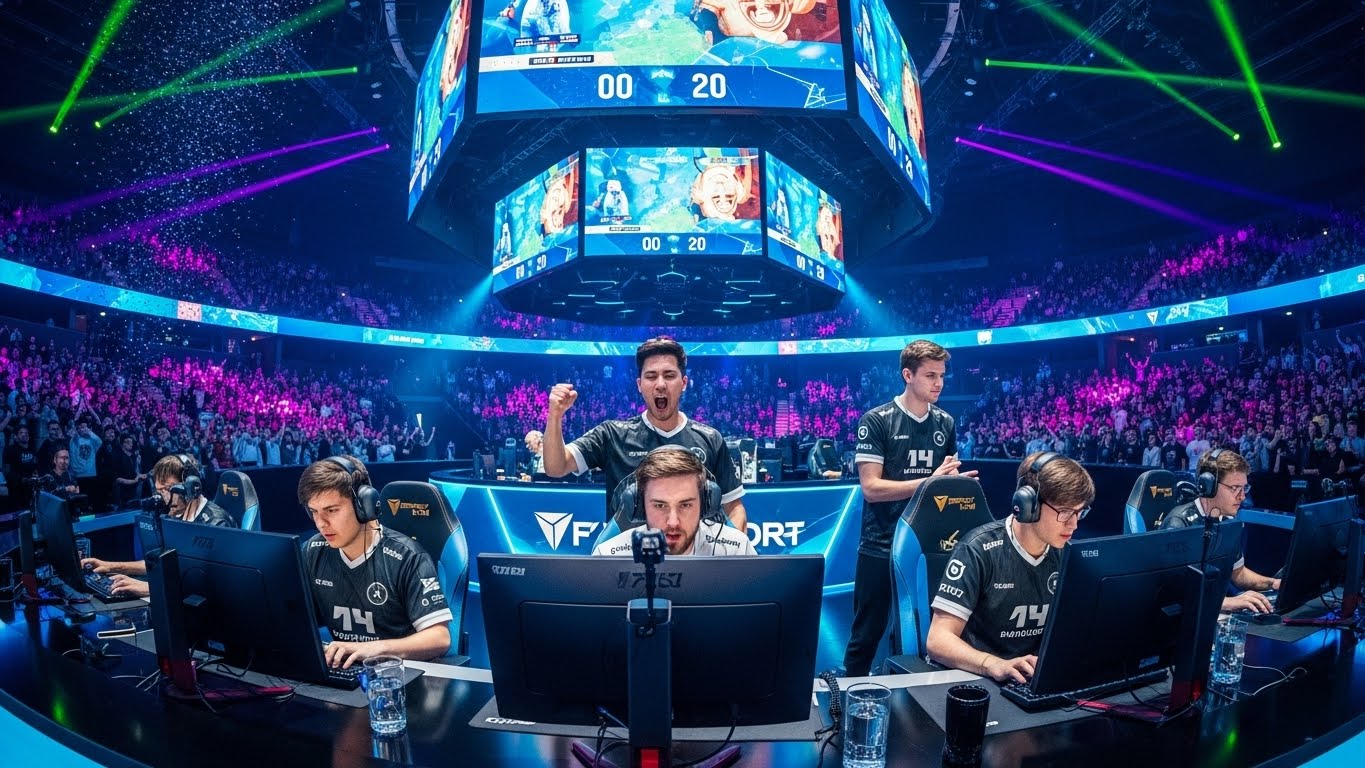
In recent years, the world of gaming has evolved into something far bigger than entertainment. eSports, the arena of professional video gaming, has transformed casual play into a global spectacle. Millions of players compete at the highest level, while fans watch, cheer, and engage in ways that were once reserved for traditional sports.
What is eSports?
eSports, short for electronic sports, refers to organized competitive gaming where players or teams compete in structured tournaments. It is not just about playing games for fun; it involves strategy, precision, teamwork, and mental agility. Popular eSports games include strategy-based MOBAs, first-person shooters, fighting games, and sports simulations.
The Explosion of eSports Popularity
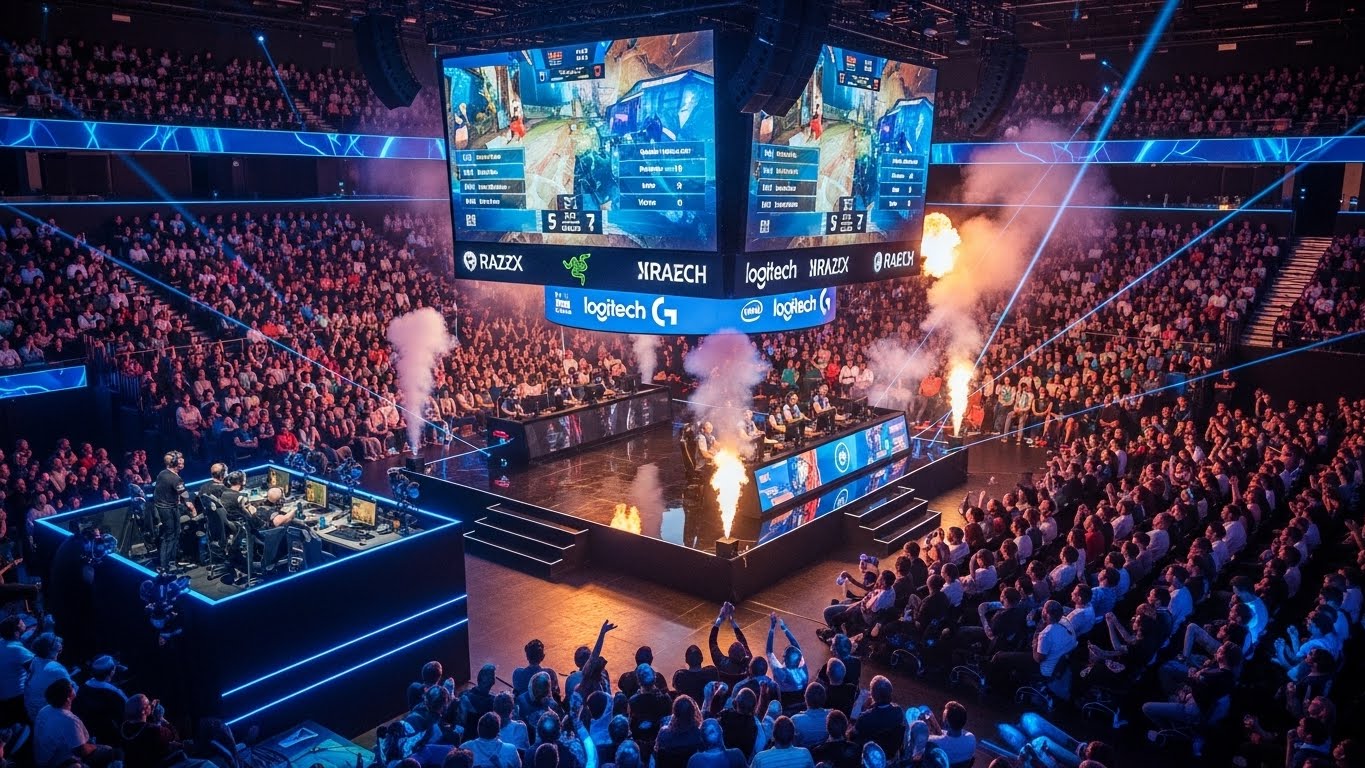
eSports has grown from small local tournaments into a worldwide industry. The rise of high-speed internet and streaming platforms allows fans to watch live events from anywhere. Major tournaments now offer prize pools in the millions, attracting professional players who dedicate themselves entirely to their craft.
Popular Genres and Games in eSports
The eSports industry features diverse game genres that test different skills:
- Multiplayer Online Battle Arenas (MOBAs): Games like League of Legends and Dota 2 require strategic thinking, teamwork, and fast reflexes.
- First-Person Shooters (FPS): Titles such as Counter-Strike: Global Offensive and Valorant focus on precision, reflexes, and tactical decision-making.
- Fighting Games: Games like Street Fighter and Tekken emphasize timing, strategy, and individual skill.
- Sports Simulations: FIFA, NBA 2K, and other sports-based games replicate real-world sports competition digitally.
The Role of Streaming and Online Communities
Streaming platforms have been critical in eSports’ growth. Fans can watch live tournaments, engage with players, and participate in communities that share their passion. These communities foster connection, competition, and collaboration, turning eSports into a global culture rather than just a game.
Career Opportunities in eSports
The eSports ecosystem offers more than just professional players. Careers include commentators, analysts, coaches, tournament organizers, and content creators. Sponsorships, brand collaborations, and digital media opportunities provide additional revenue streams, making eSports a multi-dimensional industry.
Challenges Facing eSports
Despite its growth, eSports faces significant challenges. Maintaining fair competition, preventing cheating, and ensuring player health and well-being are major concerns. Moreover, the industry must navigate varying regulations across countries to create a safe and consistent environment for players and fans alike.
The Future of eSports
The future of eSports is promising. Technologies like virtual reality, augmented reality, and artificial intelligence are expected to create more immersive and interactive experiences. As eSports continues to integrate with mainstream culture, it will further redefine entertainment, competition, and digital social interaction.
Conclusion
eSports has transformed competitive gaming into a global phenomenon. It combines skill, strategy, technology, and community into an experience that captivates millions worldwide. With its rapid growth and ongoing innovation, eSports is poised to remain a central force in shaping the future of digital entertainment.