championtribe73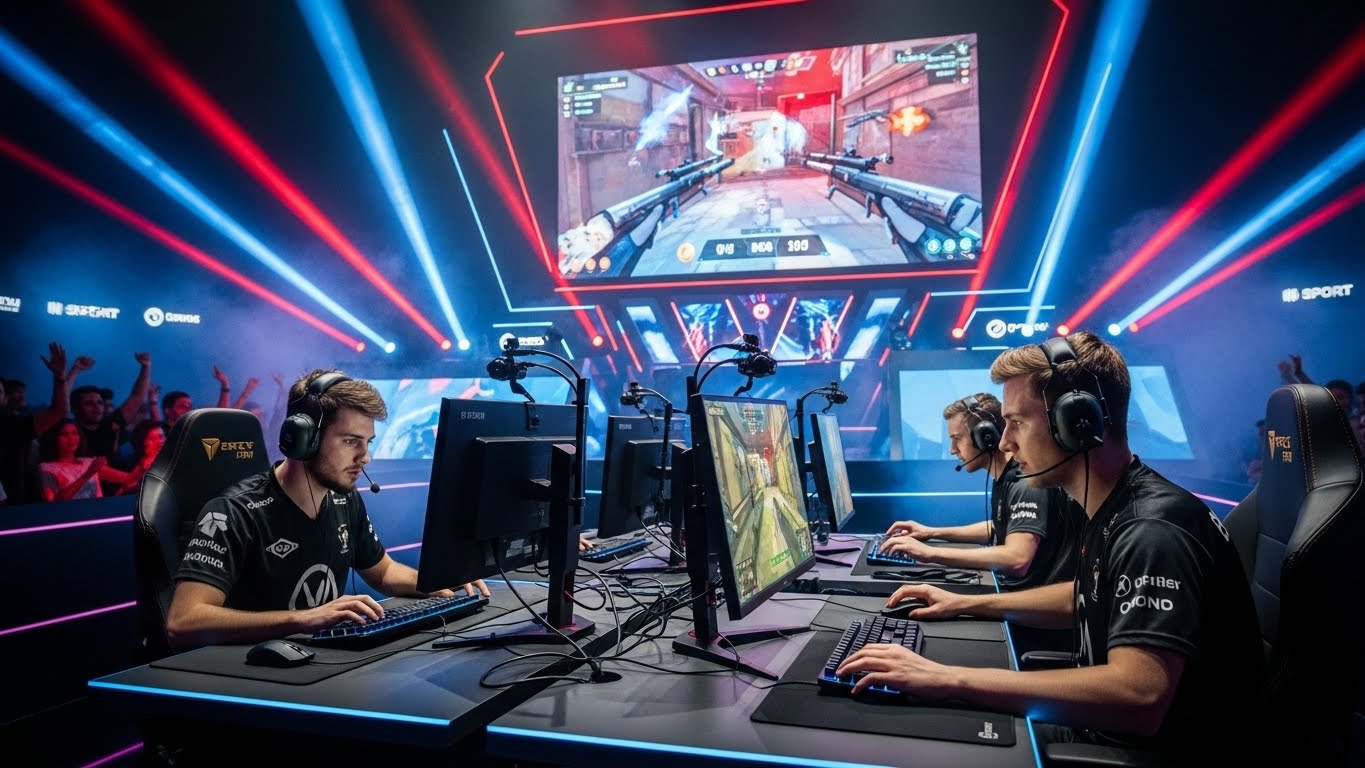
Introduction: The Digital Revolution of Competition
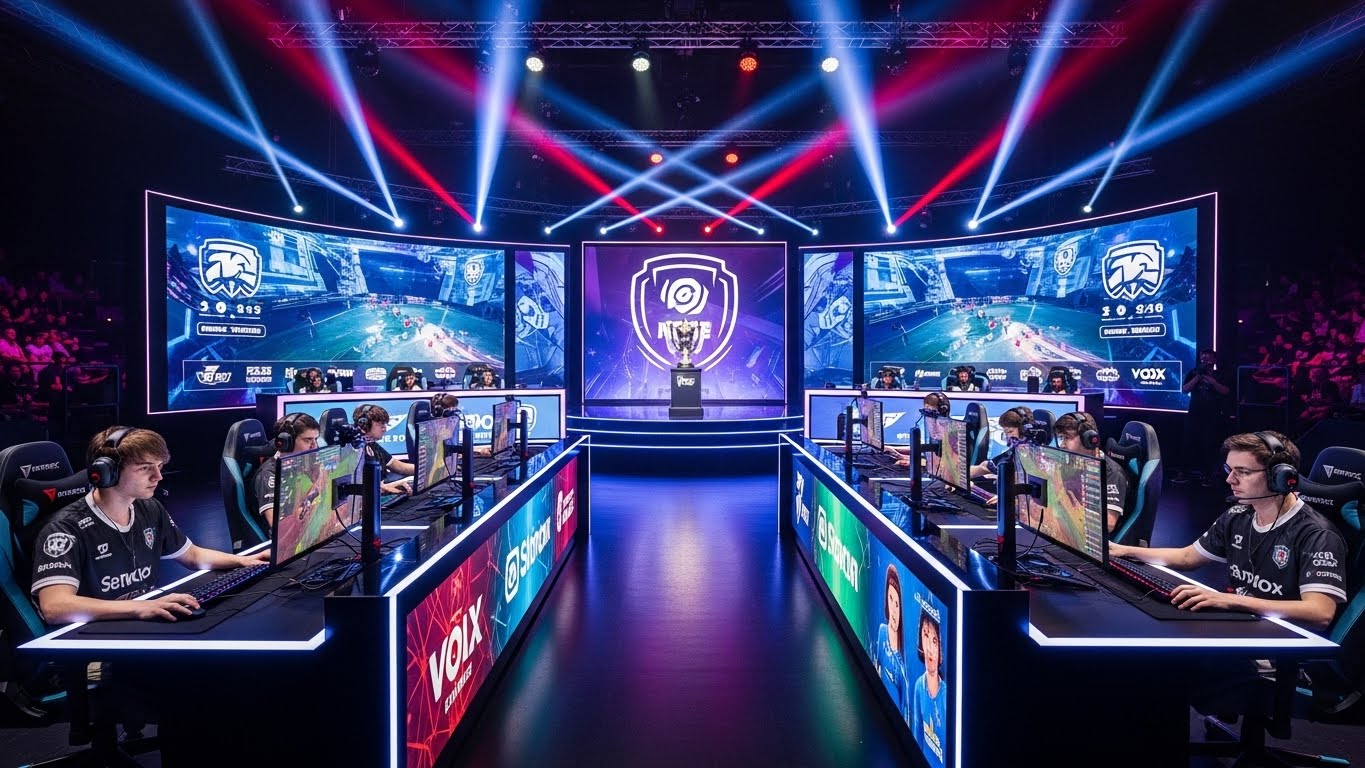
Esports, or competitive gaming, has evolved from a niche hobby into a worldwide phenomenon that rivals traditional sports in popularity, revenue, and cultural influence. Once limited to small tournaments and local gaming communities, esports now commands millions of viewers, attracts global sponsors, and creates careers for professional players, streamers, and industry professionals. This transformation reflects the intersection of technology, entertainment, and social engagement, proving that competitive gaming is no longer just a pastime—it is a powerful cultural force shaping modern society.
The Origins of Esports
The roots of esports can be traced back to the 1970s and 1980s, when early video game competitions emerged in universities and arcades. Titles like Space Invaders and Pong were among the first games to inspire competitive play, drawing crowds eager to see who could achieve the highest score. These early competitions were primarily local and informal, yet they laid the foundation for the organized gaming tournaments that would follow.
By the 1990s, multiplayer gaming over local area networks (LAN) became more popular. Games such as StarCraft and Counter-Strike allowed players to compete strategically, fostering teamwork and competitive communities. These developments marked a turning point in gaming culture, creating a sense of identity and community among players who shared a passion for competition.
Technology as a Catalyst for Growth
The rapid expansion of esports would not have been possible without technological advancements. High-speed internet, powerful graphics, and sophisticated game engines have transformed competitive gaming into a highly immersive experience. Modern games are designed with competitive balance and spectator enjoyment in mind, creating thrilling experiences for both players and viewers.
Streaming technology has played a crucial role in esports’ global reach. Platforms that allow live broadcasting of tournaments have enabled audiences to watch matches from anywhere in the world. This accessibility has brought esports into the mainstream, creating fan bases and communities that rival those of traditional sports. Mobile technology has further expanded access, allowing players to compete and spectate on-the-go.
Popular Esports Genres
Esports is diverse, encompassing a wide variety of game genres, each requiring unique skills and strategies.
Multiplayer Online Battle Arenas (MOBA)
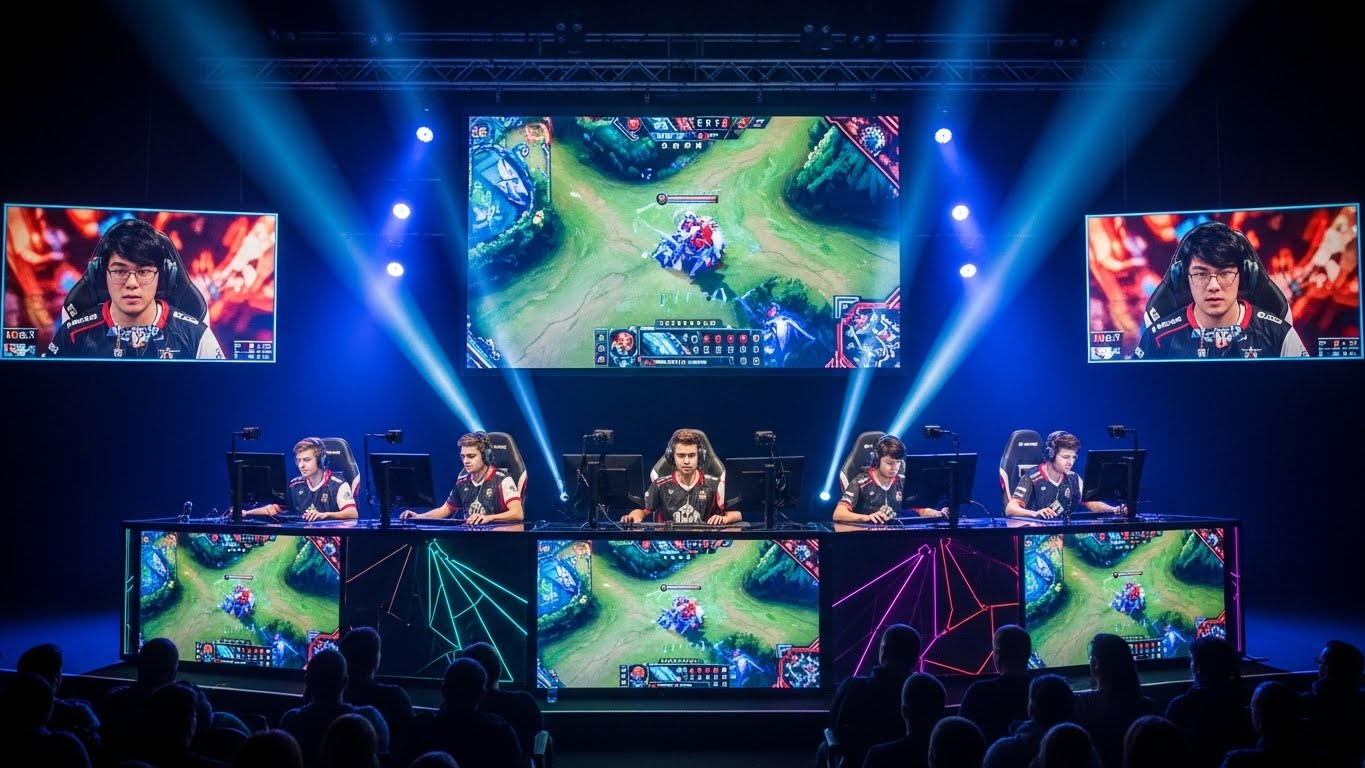
MOBA games like League of Legends and Dota 2 emphasize teamwork, strategy, and quick decision-making. Players must coordinate with teammates, adapt to dynamic game scenarios, and execute complex strategies to achieve victory.
First-Person Shooters (FPS)
FPS games such as Counter-Strike: Global Offensive and Call of Duty test reflexes, aim, and map awareness. Precision, speed, and tactical thinking are critical, making these games intense and highly competitive.
Battle Royale Games
Games like Fortnite and PUBG combine exploration, combat, and survival, creating unpredictable and high-stakes matches. Players must adapt rapidly, making split-second decisions to outlast opponents.
Sports and Racing Simulations
Titles that simulate real-world sports, like FIFA and NBA 2K, appeal to traditional sports fans while maintaining strategic and skill-based competitive elements.
Fighting Games
Fighting games such as Street Fighter and Tekken focus on individual skill, timing, and mastery of character abilities. These tournaments highlight technical expertise and quick thinking in one-on-one battles.
Each genre attracts a unique audience, creating a diverse ecosystem that supports multiple competitive formats and events.
Esports as a Professional Career
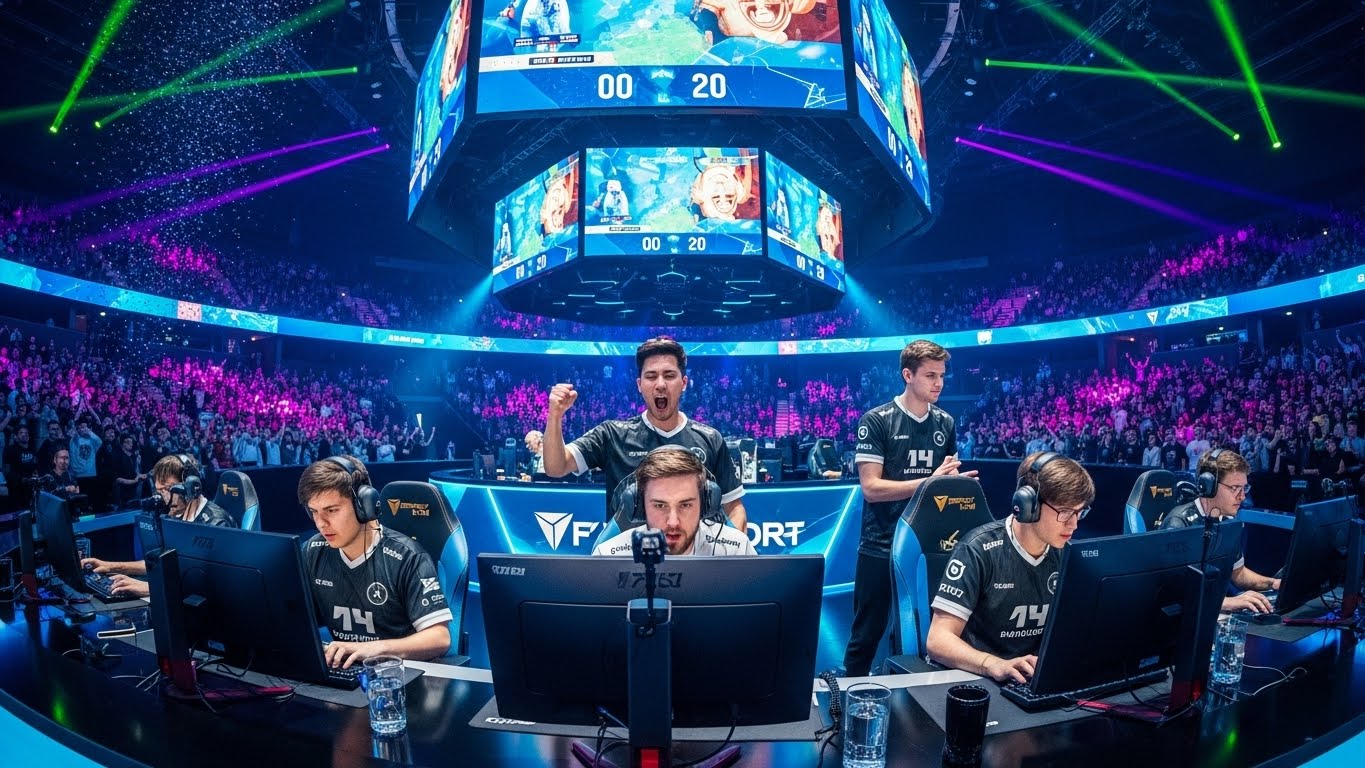
The rise of esports has created legitimate career opportunities. Professional players dedicate hours each day to training, analyzing opponents, and improving performance. They often join esports organizations, where they receive coaching, salaries, and sponsorships.
Beyond players, esports offers careers in broadcasting, content creation, coaching, event management, and analytics. Commentators, analysts, and production teams work behind the scenes to deliver seamless tournament experiences for fans. Organizations operate like traditional sports teams, employing professionals across multiple disciplines to ensure competitive and commercial success.
The Role of Community in Esports
Community is central to esports. Online forums, social media, and live chats allow fans to engage with players, discuss strategies, and follow tournament outcomes. Dedicated communities create loyalty and enthusiasm, amplifying the reach of esports events.
Grassroots tournaments and amateur leagues provide pathways for aspiring players to gain recognition and improve their skills. Community-driven initiatives help discover talent, maintain competitive integrity, and nurture the next generation of professional gamers.
Global Reach and Cultural Impact
Esports transcends borders, attracting players and audiences from around the world. International tournaments showcase teams from multiple continents, offering diverse playstyles and strategies. The global nature of esports fosters cultural exchange and a sense of shared experience among fans.
Unlike traditional sports, esports removes physical barriers to participation. Anyone with access to a game and stable internet can compete, creating an inclusive and accessible competitive environment. This inclusivity contributes significantly to esports’ rapid growth and widespread popularity.
Educational and Cognitive Benefits
Esports requires strategic thinking, quick decision-making, teamwork, and problem-solving, making it a valuable tool for cognitive development. Many educational institutions now recognize esports’ benefits, offering scholarships, collegiate leagues, and structured training programs.
Players learn discipline, leadership, and time management while balancing academic responsibilities. The technical skills acquired through competitive gaming, including familiarity with software, hardware, and digital communication, are increasingly relevant in today’s technology-driven world.
Economic Impact of Esports
The esports industry is a major economic driver, generating revenue through sponsorships, merchandise, media rights, ticket sales, and digital content. Major brands invest in teams and events to reach younger, tech-savvy audiences.
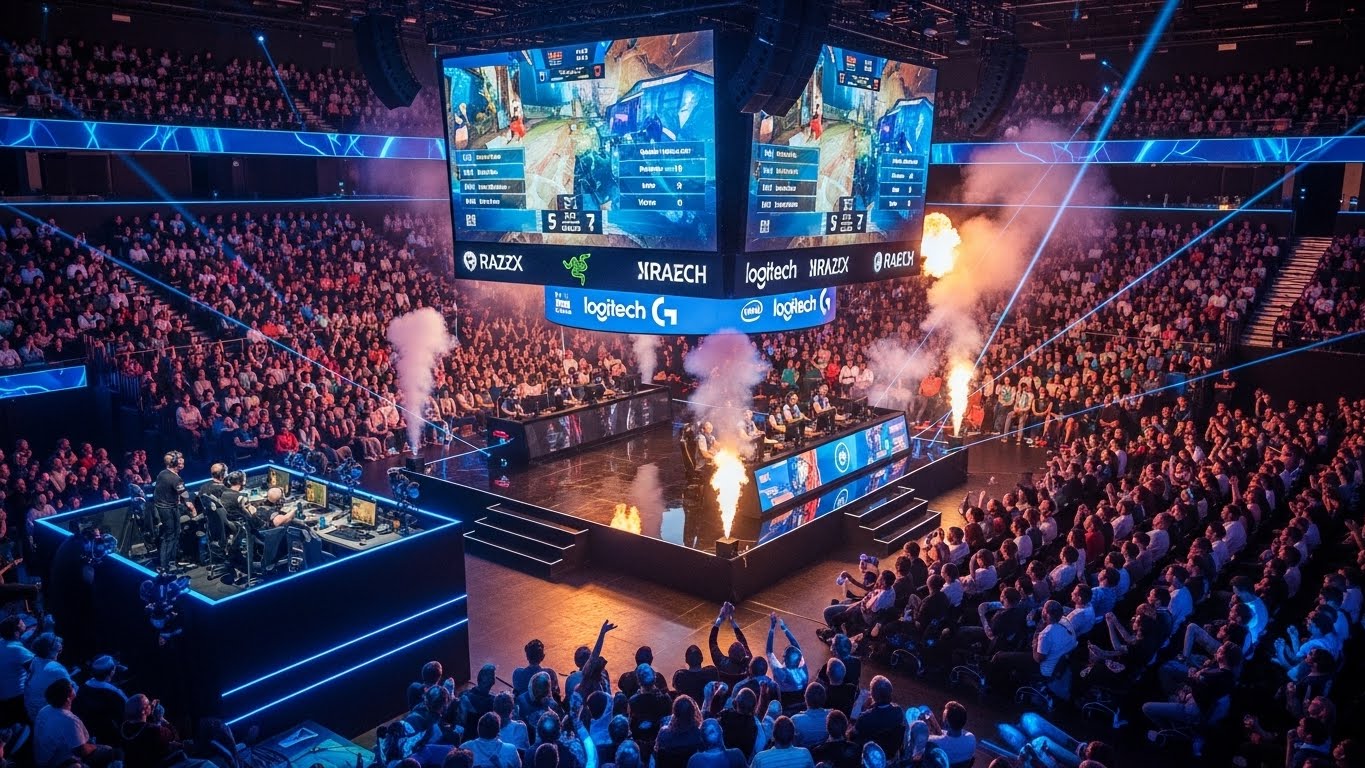
Stadiums and arenas dedicated to esports events attract tourism and generate local revenue, while large tournaments create temporary employment opportunities in production, logistics, and event management. Esports also fuels innovation in technology, gaming software, and streaming platforms, contributing to broader economic growth.
Challenges in Esports
Despite its success, esports faces challenges. Player health and burnout are growing concerns, as long training hours and high-pressure competition can affect mental and physical well-being. Ensuring fair play is another critical issue, requiring robust anti-cheat systems and integrity measures.
Regulation and standardization vary by region, creating challenges in contracts, age restrictions, and tournament rules. Additionally, while the industry is profitable overall, individual players and smaller organizations may face financial instability without consistent sponsorship or revenue streams.
The Future of Esports
Esports continues to evolve, driven by technology and innovation. Virtual reality competitions, AI-driven training, and cloud-based gaming will shape the next generation of competitive experiences. Accessibility improvements will allow more players to participate across devices and locations.
Cross-platform play and immersive experiences will enhance audience engagement, while collaborations with traditional sports and entertainment industries will further integrate esports into mainstream culture. As esports gains recognition, it may achieve the same prestige and societal impact as conventional sports, with professional leagues, sponsorship deals, and media coverage growing exponentially.
Conclusion: Esports as a Cultural and Digital Force
Esports has grown from informal competitions into a global industry that influences culture, technology, and social interaction. It combines skill, strategy, and entertainment, offering experiences that engage players and viewers alike. The industry provides career opportunities, cognitive benefits, and a sense of community, establishing itself as a central component of modern entertainment.
As technology continues to advance, esports will become increasingly immersive, inclusive, and competitive. Its global reach ensures that players and fans from diverse backgrounds can participate, celebrate, and connect. Esports is no longer just a pastime; it is a cultural movement, a professional arena, and a digital spectacle that continues to redefine what it means to compete and entertain in the 21st century.