championtribe73
Introduction
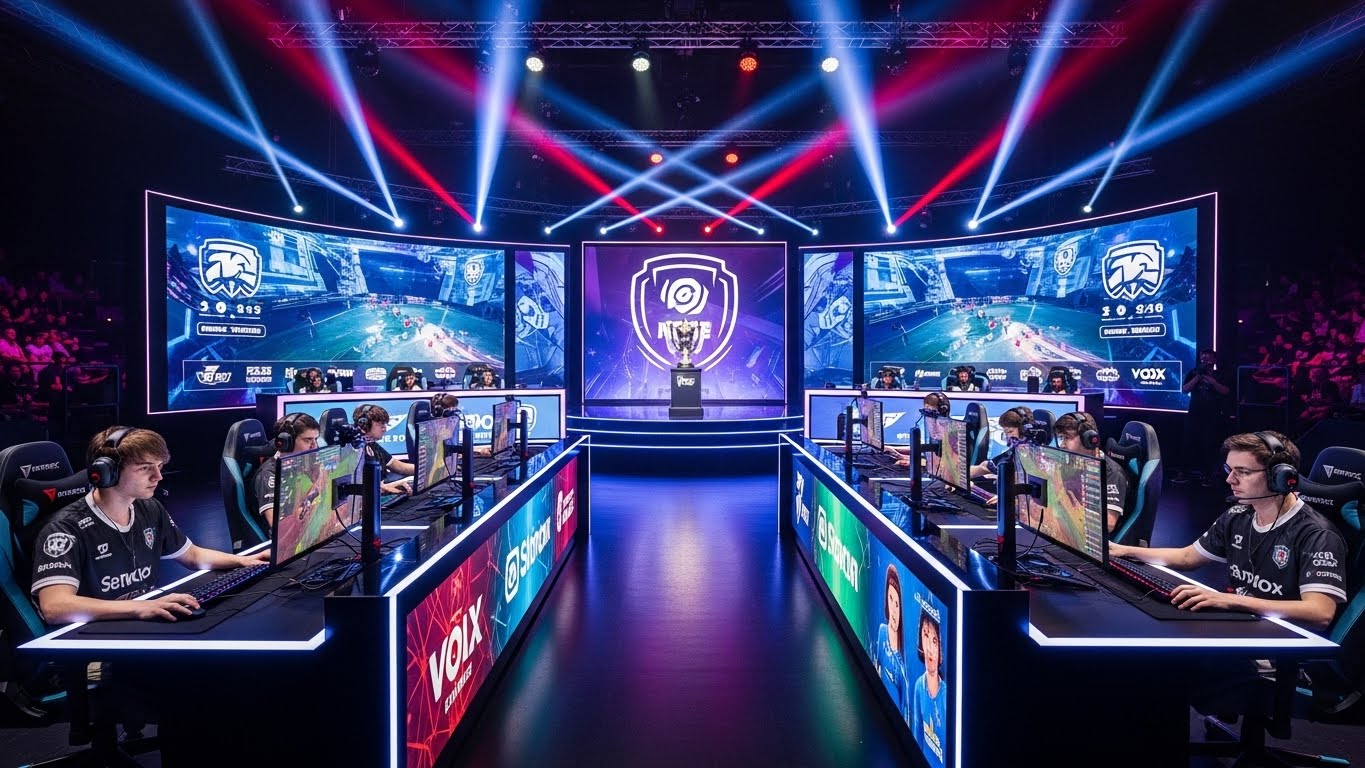
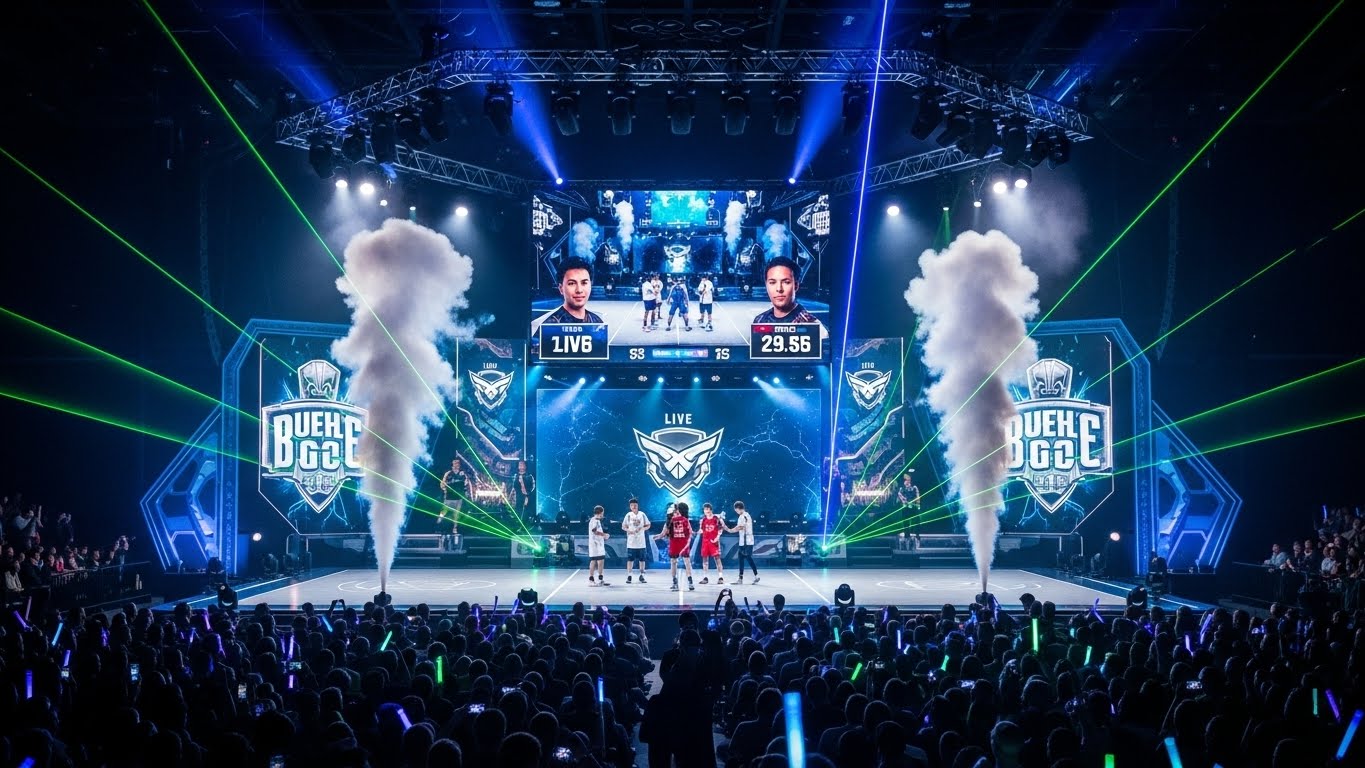
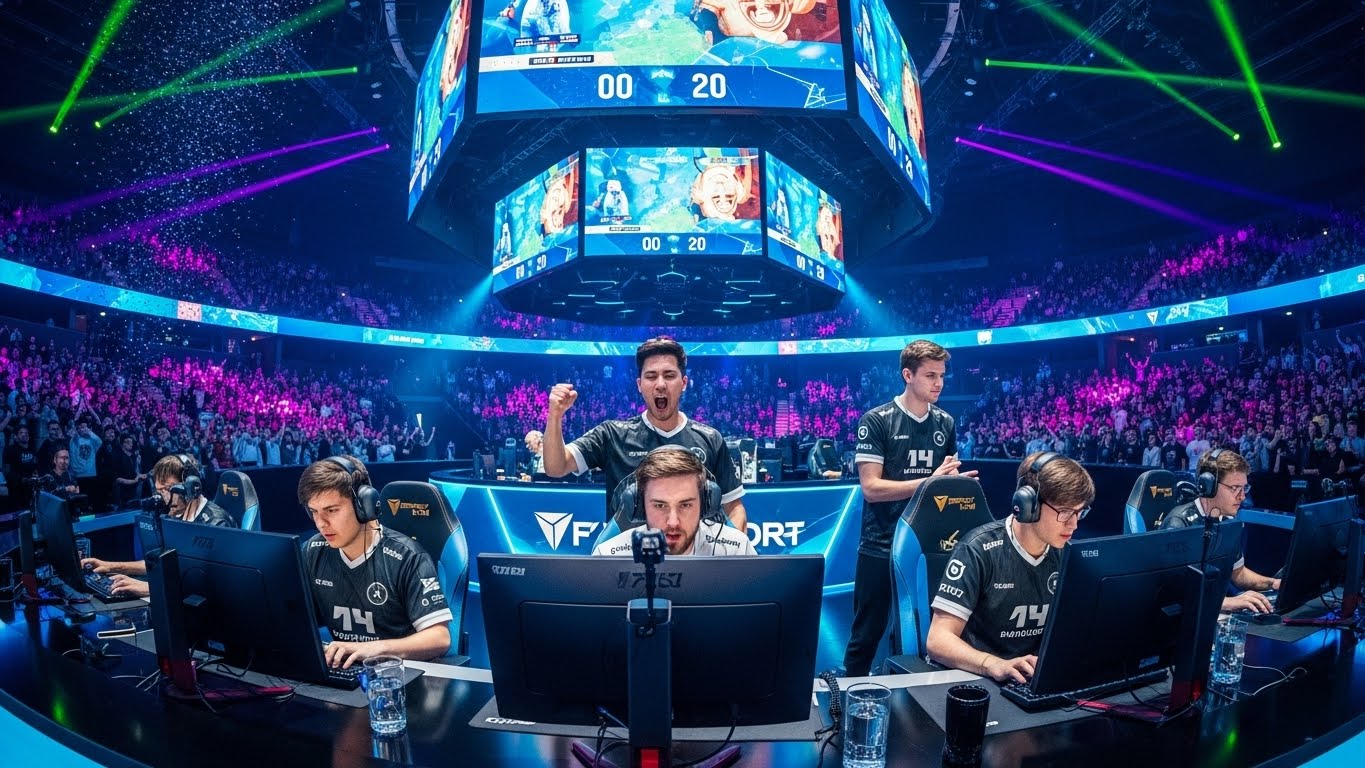
In the span of just a couple of decades, competitive gaming — or esports — has transformed from a niche pastime into a worldwide phenomena. What once might have been dismissed as a hobby for a small group of enthusiasts is now a multi‑billion dollar industry with stadiums filled with cheering fans, players earning professional salaries, and national broadcasting deals. This post explores the rise of esports, its cultural impact, evolving structure, challenges, and what the future might hold for this rapidly growing ecosystem.
The Roots of Competitive Gaming
Long before esports was a household term, gamers competed for pride, bragging rights, and sometimes small cash prizes. During arcades’ golden era, high scores on machines like Pac‑Man, Street Fighter, and Galaga were public displays of supremacy. Players would flock to arcades to challenge record holders. As home consoles and personal computers became more common, local area network (LAN) parties and small tournaments blossomed in college dorms and community centers. Games such as Quake, StarCraft, and Counter‑Strike defined early competitive playstyles, cultivating communities of deeply dedicated players.
Over time, advances in internet infrastructure, streaming platforms, and gaming technology gave these informal competitions legitimacy. More organized tournaments began to appear, prize pools grew, and professional teams emerged. What had once been underground steadily moved into mainstream consciousness.
What Defines Esports
Esports, at its essence, refers to organized, multiplayer video game competitions. These events are often broadcast live, have structured formats, and include teams or individuals competing for prizes. But it supports far more than just matches. Esports is a complex ecosystem that includes:
- Teams and players: Many players specialize in one or two games and work with organizations that provide coaching, training facilities, marketing, and salary.
- Tournament organizers: Companies and leagues design formats, set prize pools, manage broadcasts, and enforce rules.
- Streaming platforms and broadcasting: Spectators watch live matches via digital platforms; broadcasters add commentary, analysis, and production values.
- Sponsors and advertisers: Brands partner with teams or events to reach gaming audiences through sponsorship, advertising, and product placement.
- Fans and communities: Esports thrives because fans follow players, discuss match strategies, and contribute to vibrant online discourse.
The result is a richly interconnected system where each participant plays a crucial role.
Game Genres and Their Appeal
Esports isn’t a monolithic activity — it spans several genres, each with unique mechanics and audiences:
- First‑Person Shooters (FPS): Games like Counter‑Strike, Valorant, and Overwatch feature fast reflexes, aiming precision, and team coordination. Spectators love the intensity and moment‑to‑moment action.
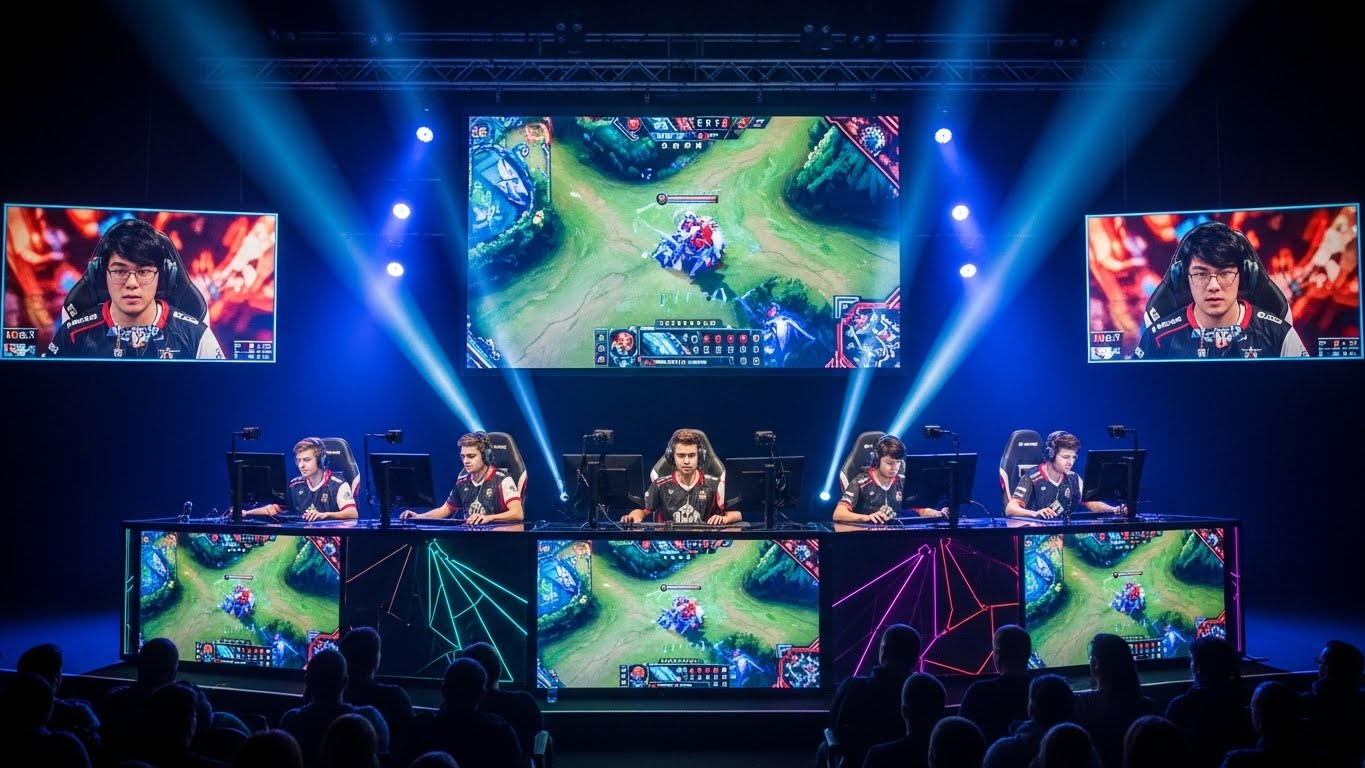
- Multiplayer Online Battle Arena (MOBA): In titles such as League of Legends and Dota 2, teams control heroes or champions with unique abilities, aiming to destroy the opponent’s base. These games emphasize strategy, macro decision making, and team synergy.
- Real Time Strategy (RTS): Classic examples like StarCraft II require managing an economy, building forces, and executing tactical attacks. It’s often called the “grand strategy” form of esports.
- Sports and Racing Simulators: Games such as FIFA, NBA 2K, and iRacing replicate real sports. They attract traditional sports fans who appreciate the realism and parallels to real‑world competition.
- Battle Royale / Hero Shooters: Titles like Fortnite, Apex Legends, and PUBG offer high stakes, large player counts, and evolving match dynamics.
- Fighting Games: Street Fighter, Tekken, Super Smash Bros. and similar games bring head‑to‑head duels, advanced combos, and tight decision timing.
Each genre appeals to different types of players and spectators, yet they all share core traits: skill, competition, and viewer spectacle.
The Professionalization of Players
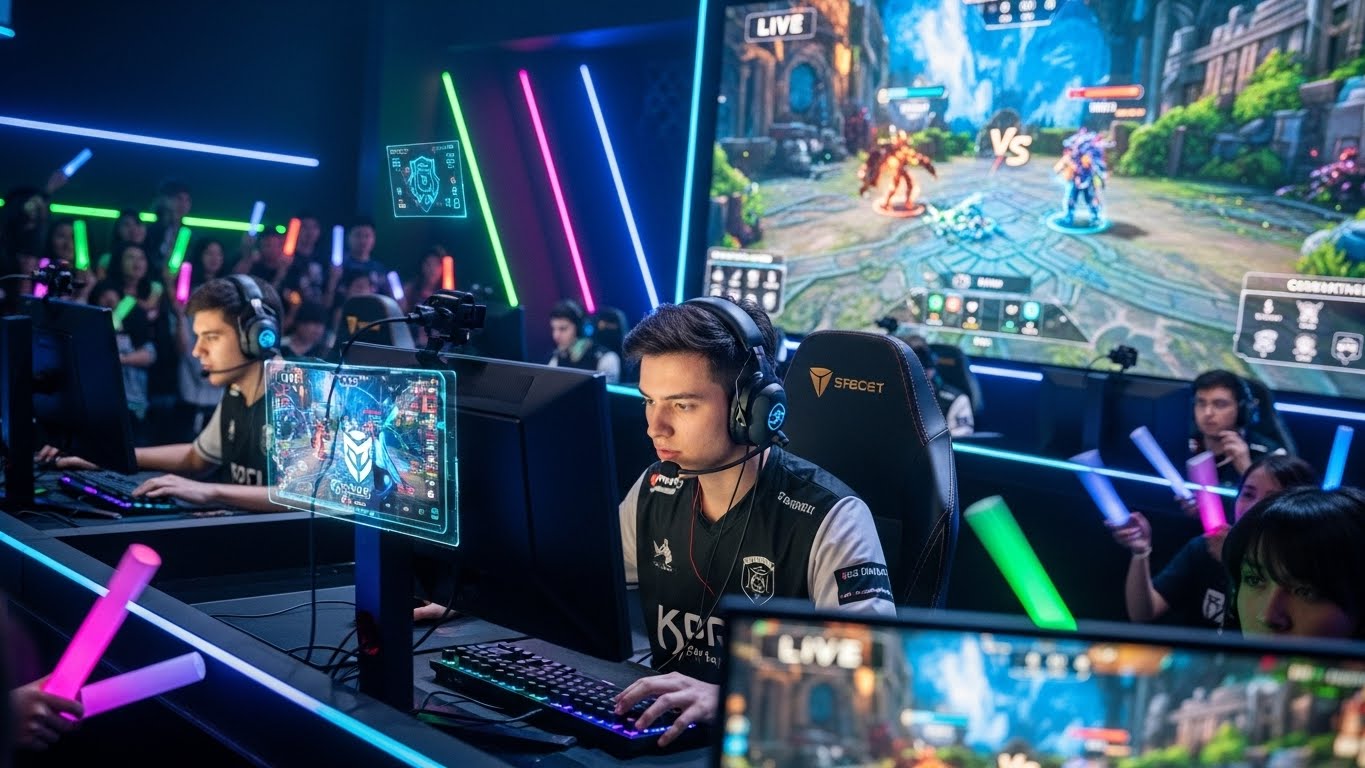
As esports matured, so did the lives of its players. Once amateurs competing from their bedrooms, many now operate like elite athletes. Training regimes often mirror those in traditional sports: daily practice sessions, physical conditioning, strategic review, and mental coaching. A professional player’s schedule might include:
- Morning warmups and aim practice
- Team scrimmages against opponents
- Strategy review sessions and VOD (video on demand) rewatch
- Physical fitness and stretching
- Media, content creation, and fan engagement
In addition, many top players are under contract with organizations, receiving salaries, sponsorships, housing, travel support, and performance bonuses. Some of the biggest names become influencers, building massive online followings.
Tournaments, Leagues, and Formats
There’s no one single way to run an esports event. Different games and organizers favor different formats, but many share similarities:
- Open qualifiers: Anyone can enter, and the best teams filter up to the main event.
- Group stages / round robin: Teams play each other in a group to determine seeding or advancement.
- Double elimination brackets: Teams may lose once and still fight through a lower bracket for second chance.
- Single elimination bracket: Lose and you’re out—common in finals stages.
- Best‑of series: Matches played as best of three, five, or even seven.
Major leagues often run seasonal formats (spring, summer, playoffs, championships). The longer structure helps build narratives and rivalries. Events often run across multiple days or even weeks, with spectators gathering both online and in large physical venues.
Prize pools have ballooned significantly. For example, major tournaments offer millions of dollars, funded by sponsors and sometimes crowdfunding. As prize pools grow, competition intensifies, and the stakes become higher for both players and organizers.
Esports Culture and Fandom
At its heart, esports is community driven. Fans don’t just watch—they engage. They cheer for favorite teams, debate tactics, analyze replays, and create memes. This deep involvement builds loyalty and emotional investment.
Fan culture manifests in many ways:
- Viewing parties and watch groups: Friendly gatherings where fans watch events together.
- Cosplay and fan art: Creative expressions of favorite characters and tournaments.
- Online forums and discussion boards: Strategy analysis, hype posts, predictions.
- Fantasy esports: Fans draft teams and track performance, reminiscent of fantasy football.
- In‑game fan interactions: Special skins, events, and cosmetics tied to major tournaments.
Esports has also influenced broader popular culture. Some players are celebrities; teams release merchandise; brands sponsor events; music artists perform at opening ceremonies. It’s not just gaming — it’s entertainment.
Revenue Models and Business Dynamics
Turning a passion into a sustainable business is a challenge. The esports industry uses multiple revenue streams:
- Sponsorships and partnerships: Brands sponsor teams or events to reach target audiences.
- Media rights and broadcasting deals: Organizers sell streaming or television rights.
- In‑game monetization: Cosmetic items, battle passes, or event themed content generate revenue.
- Tickets and merchandise: Live event tickets, team jerseys, accessories, and collectibles.
- Publisher funding: Game publishers often back esports programs for their titles, allocating prize pools or development resources.
- Advertising and digital ads: Ads run during live streams, pause overlays, or sponsored segments.
Balancing these models is key. Too much reliance on one source is risky. Organizers must manage cost of production (venue, staff, travel, broadcast) against prospective earnings.
Challenges Facing Esports
Despite its remarkable growth, esports still grapples with hurdles that can threaten sustainability:
Player Burnout and Longevity
The intense demands on top players can lead to burnout, mental fatigue, and early retirement. Careers often span only a few years, and organizations must support wellness, psychological health, and life beyond competition.
Regulation and Governance
Esports currently lacks a universal governing body. Different leagues and publishers have varied rules, standards, and player treatment. Issues like match fixing, doping, cheating, and contractual disputes require oversight mechanisms that are still developing.
Monetization and Profitability
Many events still operate at a loss or very thin margins. Production costs are high, and converting viewers into paying customers (through merch, tickets, or digital purchases) remains challenging. Economies of scale and sustainable business practices are still works in progress.
Audience Saturation and Retention
With so many tournaments, teams, and games, capturing viewer attention is harder than ever. Ensuring a consistent, high‑quality experience is critical. Overexposure or low production standards can erode fan loyalty.
Infrastructure and Accessibility
In many regions, internet connectivity, hardware costs, and gaming infrastructure are barriers. Talented players may be excluded simply by geography or lack of resources. Addressing inequality in access is crucial for global inclusion.
Esports in Different Regions
Esports has developed differently across global regions, shaped by culture, investment, and regulation.
Asia (especially East Asia)
Nations like South Korea and China are pioneers. In South Korea, esports players achieve celebrity status, leagues are televised, and training facilities abound. In China, publishers heavily invest in esports infrastructure and monetize through in‑game purchases tied to competitive events. The region is often considered the heartland of professional gaming.
North America
The United States has strong corporate investment, media rights deals, and crossovers with traditional sports organizations. Franchised league models (with fixed teams and city branding) are common. Major venues host packed stadium events, and crossovers with entertainment are frequent.
Europe
European esports emphasizes diversity. Many leagues blend franchise and open formats. Countries like Germany, France, the UK, and Scandinavia host major events. European teams often compete in global tournaments, and regional scenes remain vibrant.
Southeast Asia, Latin America, and the Middle East
These emerging regions experience explosive growth. Rising internet infrastructure and mobile gaming proliferation fuel talent. Local tournaments increasingly attract international attention. Investment is growing in grassroots scenes, though resource disparities remain.
Iconic Moments in Esports History
To appreciate how far esports has come, it helps to revisit some landmark moments:
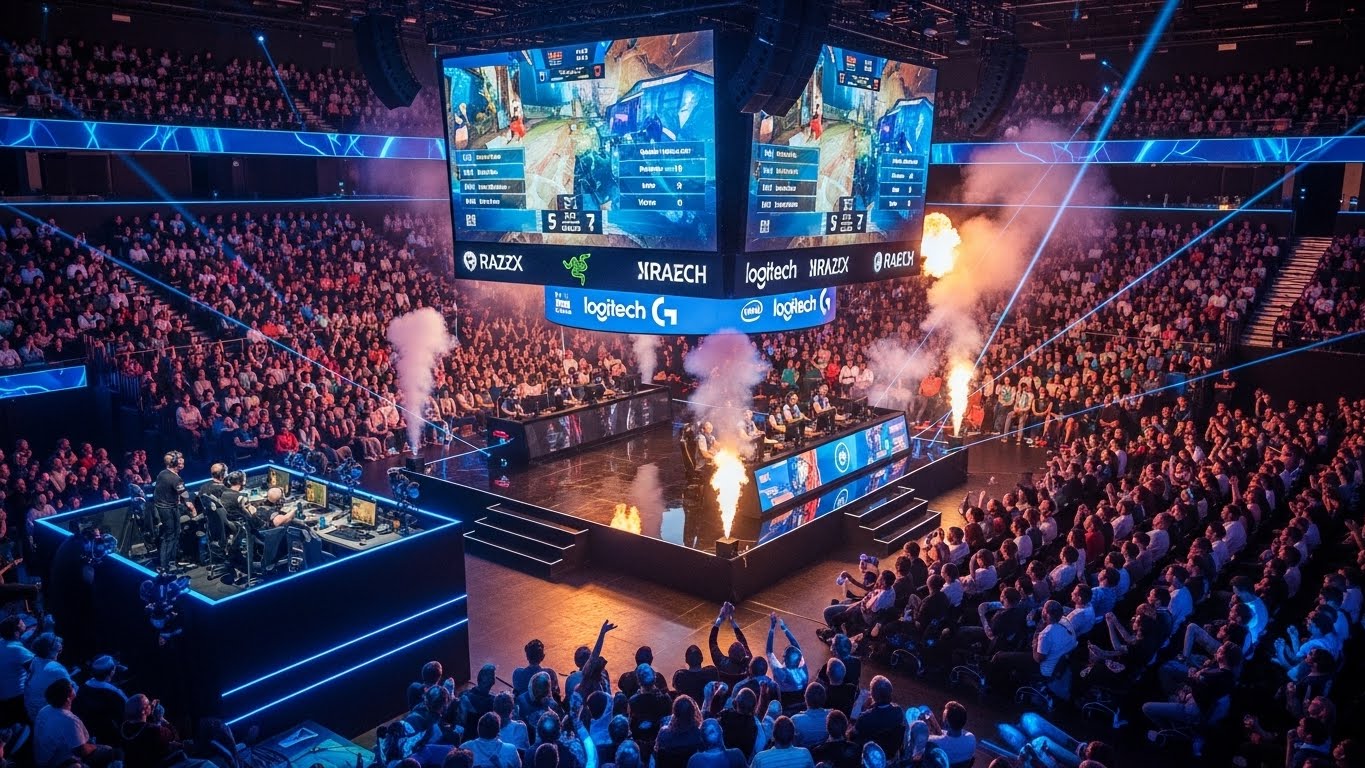
- A record crowd filling a stadium to watch a final match, with thunderous applause as winners hoist trophies.
- A Cinderella team from open qualifiers upset a heavily favored roster in a grand final, defying odds and scripting an underdog legend.
- A player executing a previously unthinkable play or strategy — a flash kill, an all‑in turnaround, or an immaculate comeback — that’s replayed and dissected for years.
- A mainstream celebrity appearance or crossover, where esports enjoy the spotlight alongside music, sports, or film.
- Prize pools breaking previous barriers, fueled by community contributions or publisher investment, signaling new milestones in legitimizing competitive gaming.
These moments become part of esports lore, shaping fandom and inspiring future competitors.
The Impact Beyond the Screen
Esports influences far more than match outcomes. Its ripple effects reach education, careers, mental health awareness, technology, and entertainment.
Educational Pathways
Colleges and universities have begun offering esports scholarships and programs. Students may major in game design, animation, broadcasting, business management, or coaching, tying their studies to the competitive gaming ecosystem. Teams may compete under school banners, further legitimizing esports as a scholastic activity.
Career Diversity
Not everyone becomes a pro gamer. The ecosystem supports roles such as casters, shoutcasters (commentators), analysts, video editors, production crew, event managers, sponsorship and marketing staff, community managers, coaches, psychologists, and more. Esports is generating a new class of creative and technical professionals.
Innovation in Technology
To serve esports, companies push advances in streaming, latency reduction, network infrastructure, and performance hardware. These improvements benefit regular gamers and digital entertainment more broadly.
Mental Health and Wellness
High stakes and public scrutiny can take a toll. The industry is beginning to adopt support systems — counseling, rest periods, stress management protocols, and career transition planning. Awareness around mental health in esports is rising.
Representation and Diversity
Esports has potential to be inclusive. Unlike many traditional sports, physical size, gender, or certain physical limitations are less limiting. Yet, gender disparity, underrepresentation of certain groups, and toxicity remain issues. Many stakeholders seek to promote diversity, safe environments, and equitable opportunities.
What the Future Holds
Looking ahead, several trends and possibilities are likely to shape the next decade of esports:
Cross‑Platform and Mobile Expansion
As mobile gaming continues booming (especially in Asia and developing markets), we’ll likely see more competitive titles built specifically for phones and tablets. Cross‑platform competition (between PC, console, and mobile) may also increase.
Virtual Reality (VR) and Augmented Reality (AR)
As VR and AR technology matures, competitive VR titles could emerge, introducing new forms of physicality, immersion, and spectator experience. Imagine tournament matches where fans see players inside a virtual arena.
Franchising and League Structures
More games may adopt franchise models (cities, fixed teams, revenue sharing). This offers stability, predictability, and investor confidence, while possibly limiting access for new teams. Striking the balance between open competition and structured investment will be key.
Global Esports Governance
We might see the formation of more formal international oversight bodies to regulate standards, dispute resolution, player protection, and ethical conduct. Such institutions could help unify practices across regions and enforce fairness.
Hybrid Entertainment Events
Esports events are likely to further merge with music, pop culture, film, and fashion elements. Grand ceremonies, performances, celebrity partnerships, and immersive fan experiences will become standard.
Grassroots Development and Accessibility
To sustain long‑term growth, investment at the grassroots level is essential. Training programs, local leagues, scholarships, and improved infrastructure will allow new talents to emerge from regions currently underserved.
Traditional Sports Partnerships
Expect deeper integration with professional sports franchises. More sports teams may own or sponsor esports clubs; stadiums may host gaming events alongside traditional matches; crossovers in marketing, branding, and fan engagement can become routine.
Tips for Aspiring Players and Fans
If you’re looking to get into esports—either as a competitor, content maker, or fan—consider these suggestions:
For Players
- Master one or two games: Focused expertise often trumps being average in many.
- Practice smart, not just hard: Quality scrims, review mistakes, and work with coaches.
- Physical and mental health: Exercise, sleep, and mental breaks are vital.
- Network and visibility: Stream, engage on social platforms, participate in open tournaments.
- Long‑term planning: Consider education or alternate career paths alongside esports ambition.
For Content Creators and Organizers
- Produce quality content: Tutorials, analysis, highlights, and behind‑the‑scenes stories can attract followers.
- Engage communities: Respond to fans, host community events, and listen to feedback.
- Stay consistent and authentic: Authentic voices tend to build loyal audiences.
- Learn from metrics: Track viewer retention, engagement, and growth.
- Collaborate locally: Supporting local teams and events strengthens your regional presence.
For Fans
- Watch with purpose: Try to understand strategies, team compositions, and meta changes.
- Join communities: Discussions, fan groups, and local watch parties enrich the experience.
- Support ethically: Buy official merchandise, attend events, and respect players.
- Stay critical and balanced: Celebrate progress, but also recognize when issues (toxicity, unfair treatment) deserve attention.
Conclusion
Esports has come a long way from lean beginnings in arcades and basements. It now stands at the intersection of technology, entertainment, sport, and culture. Through the dedication of players, the passion of communities, and the investments of organizations, competitive gaming has earned its place in the global entertainment landscape.
Still, many challenges lie ahead: monetization, governance, audience retention, and inclusion must be navigated carefully. But if esports continues to mature responsibly, it has the potential to shape a new entertainment paradigm — one that celebrates skill, community, and innovation with far more depth than most ever expected.
Whether you’re a gamer, a fan, or someone curious about where entertainment is headed, esports offers a window into a future where digital experiences are just as meaningful, competitive, and culturally significant as any sport of old.