championtribe73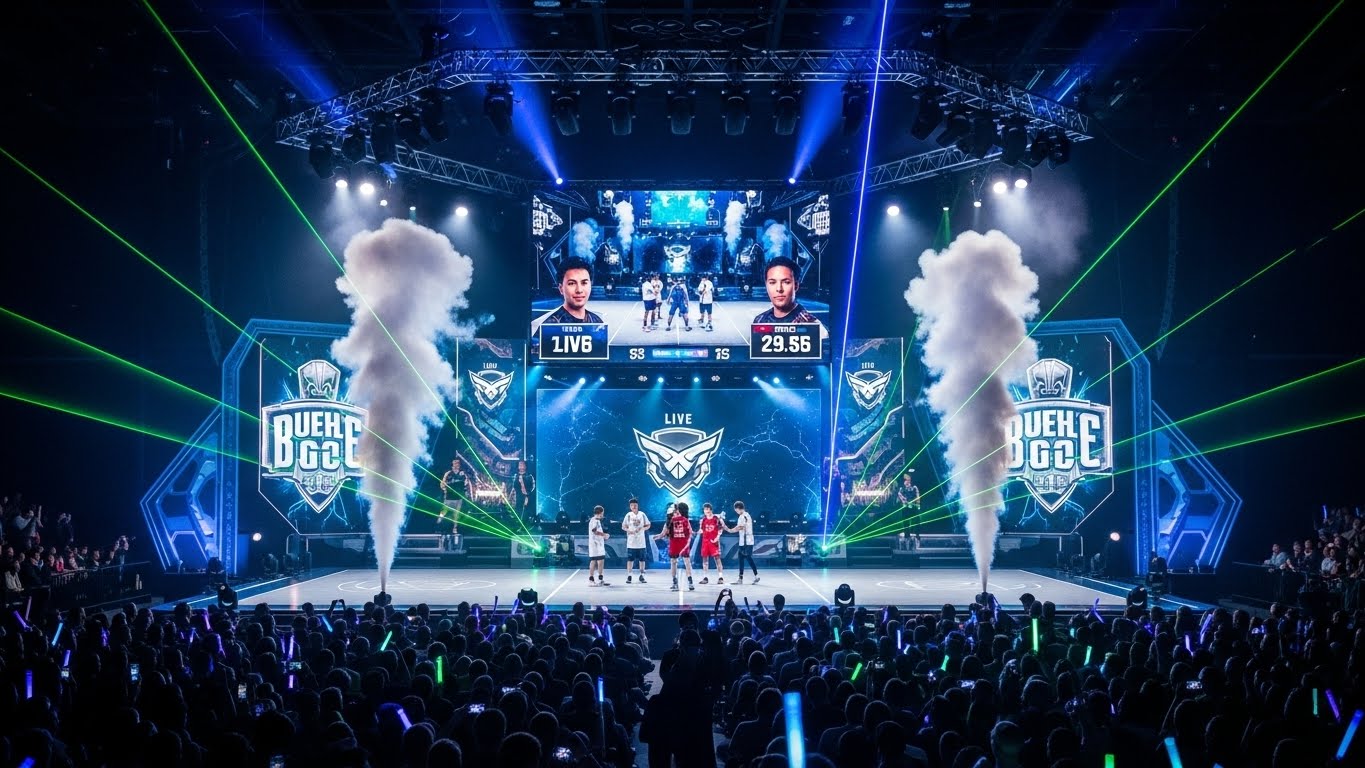
In the modern world of digital entertainment, esports has emerged as one of the most transformative forces in gaming and competitive sports. Once regarded as a niche hobby for a few dedicated gamers, esports has grown into a billion-dollar industry, attracting millions of viewers, sponsors, and professional players worldwide. Its rapid rise is changing how people perceive competition, teamwork, and career opportunities in gaming. This article explores the evolution of esports, its key components, societal impact, challenges, and what the future may hold for this dynamic field.
What is Esports?
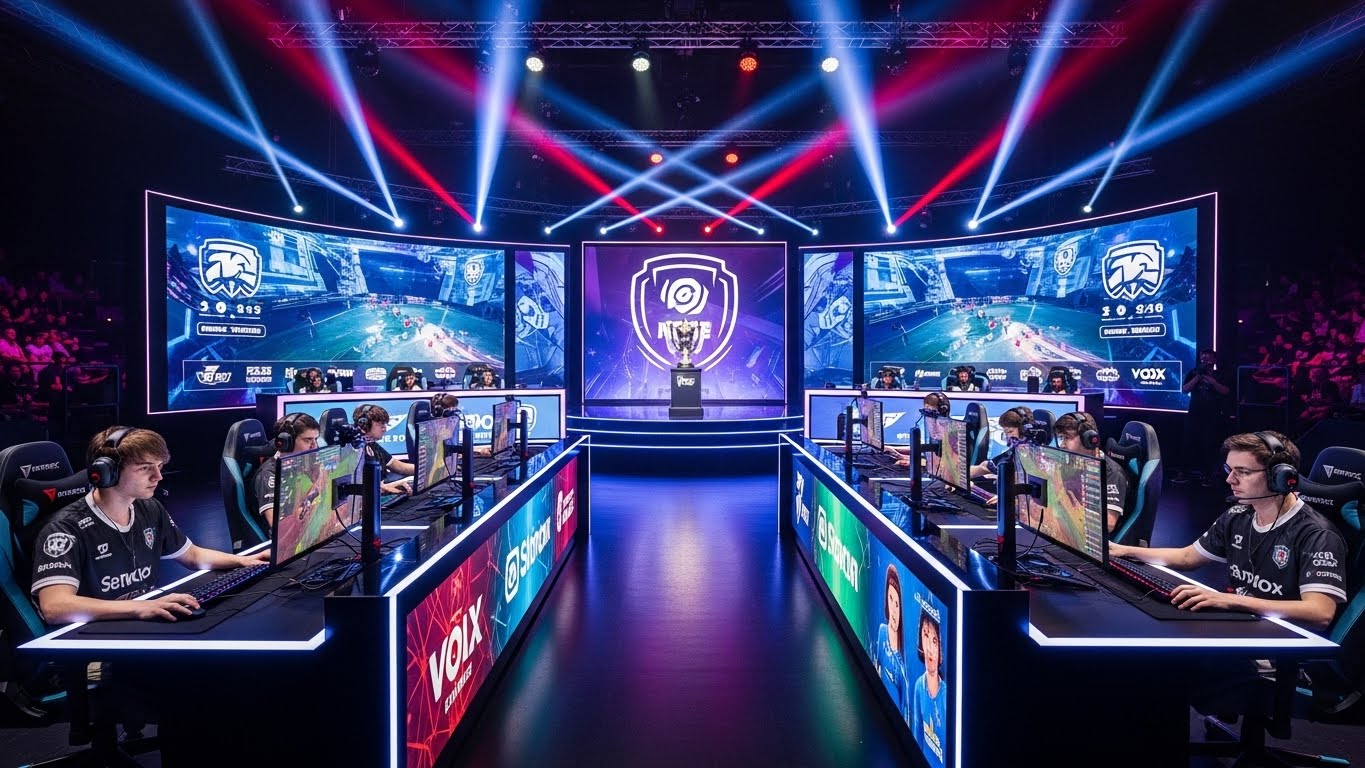
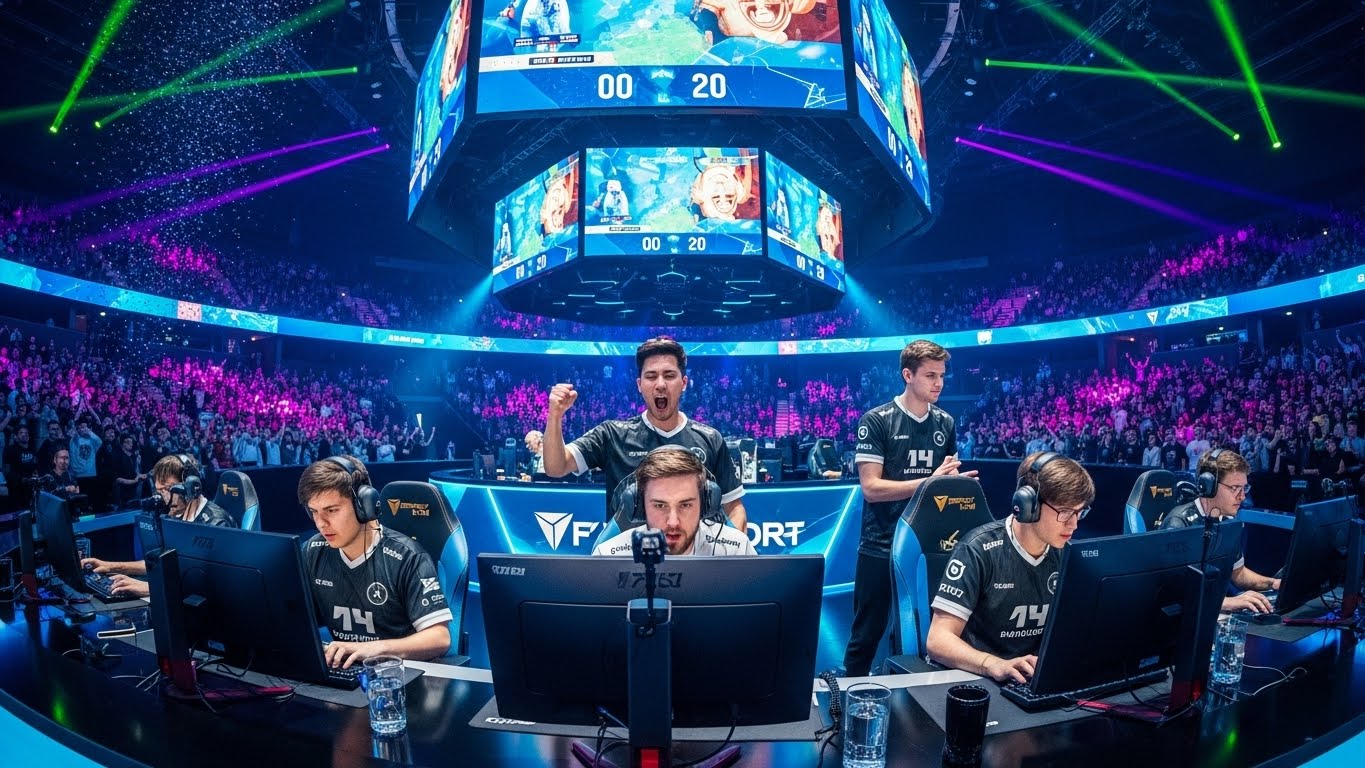
Esports, short for electronic sports, is competitive video gaming where individuals or teams face off in organized tournaments. These competitions span various genres, including first-person shooters, real-time strategy games, fighting games, and multiplayer online battle arenas. Unlike casual gaming, esports demands high levels of skill, strategy, teamwork, and mental resilience.
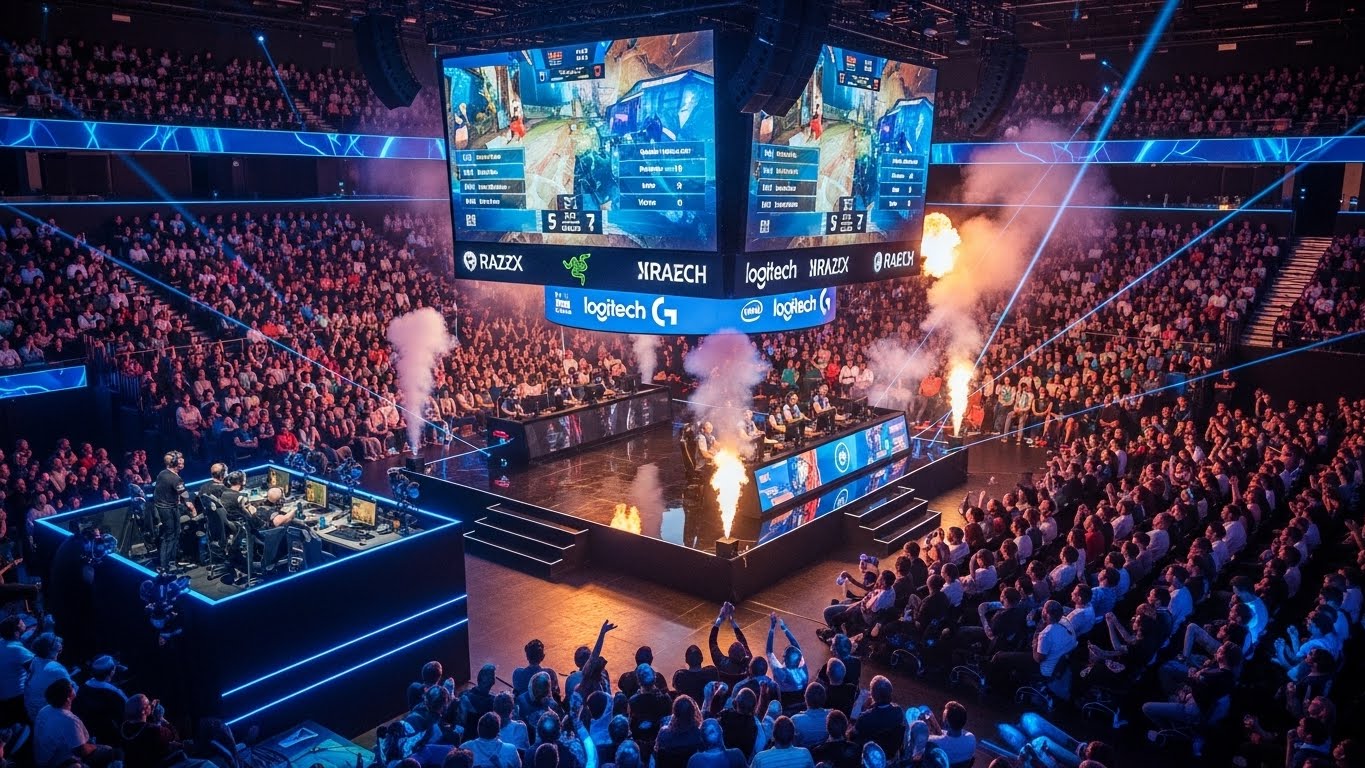
Professional players often train for several hours daily, honing reaction times, strategic thinking, and communication skills. Tournaments are broadcast to a global audience, with millions of fans watching live on streaming platforms. Beyond entertainment, esports has evolved into a professional field, offering players salaries, sponsorships, and substantial prize pools.
A Brief History of Esports
The roots of esports trace back to the early 1970s when the first video game competitions were held. In 1972, students at Stanford University competed in “Spacewar,” a simple game where players battled in a digital space environment. However, competitive gaming remained small-scale and largely underground for decades.
The 1990s saw the rise of multiplayer online games, which laid the foundation for modern esports. Titles like StarCraft and Counter-Strike became central to competitive gaming, particularly in South Korea, where professional gaming started gaining mainstream recognition. With the arrival of streaming platforms in the 2010s, tournaments reached global audiences, accelerating the growth of esports and attracting investment from sponsors and media companies.
Popular Esports Genres
Esports is diverse, encompassing multiple game genres that each have unique competitive scenes and dedicated fanbases. Some of the most prominent genres include:
- First-Person Shooters (FPS): Games like Counter-Strike: Global Offensive and Call of Duty demand precision, reflexes, and teamwork. FPS tournaments are known for high intensity and fast-paced action.
- Multiplayer Online Battle Arenas (MOBA): Titles such as League of Legends and Dota 2 involve strategic team battles where players control characters with unique abilities. MOBA games emphasize strategy, coordination, and long-term planning.
- Real-Time Strategy (RTS): StarCraft II exemplifies this genre, challenging players to manage resources, build armies, and make strategic decisions in real-time. RTS games require analytical thinking and adaptability.
- Fighting Games: Games like Street Fighter and Tekken focus on one-on-one matches where timing, combos, and precision determine success. Fighting games have cultivated passionate communities worldwide.
- Sports Simulation Games: FIFA, NBA 2K, and similar titles replicate real-world sports, attracting both gamers and traditional sports fans. These games combine strategy, skill, and knowledge of the sport itself.
The Esports Ecosystem
The esports industry relies on a complex ecosystem of players, teams, organizers, sponsors, and fans. Each component plays a critical role in sustaining competitive gaming.
Players and Teams: Professional esports athletes train rigorously, sometimes more than traditional sports players. Teams provide coaching, mental health support, and nutrition guidance to help players perform at their best.
Tournaments and Leagues: High-profile tournaments, such as The International, League of Legends World Championship, and EVO, offer massive prize pools and attract global audiences. These events are critical to promoting esports and engaging fans.
Sponsors and Brands: Esports sponsorships are a significant source of revenue. Companies from gaming peripherals to mainstream brands invest in tournaments, teams, and individual players to reach large, engaged audiences.
Streaming Platforms: Platforms like Twitch and YouTube Gaming allow fans to watch competitions live, interact with players, and immerse themselves in esports communities. Streaming has democratized access, giving smaller players and tournaments a platform to grow.
Societal Impact of Esports
Esports has influenced society in several significant ways. One major impact is the creation of career opportunities beyond professional gaming. Coaching, content creation, event management, marketing, and game development are all career paths within esports.
Education institutions have also recognized the potential of esports. Many colleges and universities now offer esports scholarships and programs, helping students develop both gaming skills and transferable life skills such as teamwork, strategic thinking, and leadership.
Esports also promotes cultural exchange and global connectivity. Players from different countries collaborate and compete, fostering teamwork across borders. Fans form communities united by a shared passion for gaming, creating social networks and opportunities for engagement beyond physical boundaries.
Challenges in Esports
Despite its growth, esports faces several challenges. Player burnout is a major concern, as intensive practice schedules and high-pressure tournaments can lead to mental health issues. Organizations are increasingly addressing this through structured schedules, wellness programs, and support resources.
Lack of standardization is another challenge. Unlike traditional sports, esports lacks a unified governing body, leading to variations in rules, tournament structures, and regulations across games and regions. Consistency and fairness remain ongoing goals for the industry.
Financial sustainability is also an issue for smaller teams and emerging players. While top players earn substantial incomes, many others struggle to secure sponsorships or steady revenue streams, making long-term stability a concern.
The Future of Esports
The future of esports is full of potential, driven by technological advancements and mainstream acceptance. Virtual reality and augmented reality could transform how players compete and how audiences experience matches. Spectators may soon enjoy immersive arenas where they can view competitions from unique perspectives or interact with the game environment.
Esports is also likely to continue intersecting with traditional sports. Hybrid competitions and crossover events are emerging, attracting fans from both sectors. Major sports leagues have invested in esports teams, recognizing the opportunity to engage younger, tech-savvy audiences.
Educational programs and community initiatives will shape the next generation of esports talent. Structured training programs, career development, and mental health support will ensure that esports remains a sustainable and respected profession. Communities of fans and players will continue to expand, driving engagement and cultural significance.
Conclusion
Esports has redefined competitive entertainment, transforming gaming from a casual pastime into a global phenomenon. With diverse game genres, professional players, teams, tournaments, and engaged communities, esports has become an industry with substantial economic, cultural, and social impact. While challenges such as mental health concerns, standardization, and financial sustainability remain, the trajectory of growth and innovation is undeniable.
The rise of esports represents a new era where digital competition is celebrated with the same enthusiasm as traditional sports. As players, fans, and industry leaders continue to push the boundaries, esports will reshape how we compete, connect, and entertain ourselves in the 21st century. The journey of esports is just beginning, and its influence will continue to expand in ways that are both exciting and transformative.