championtribe73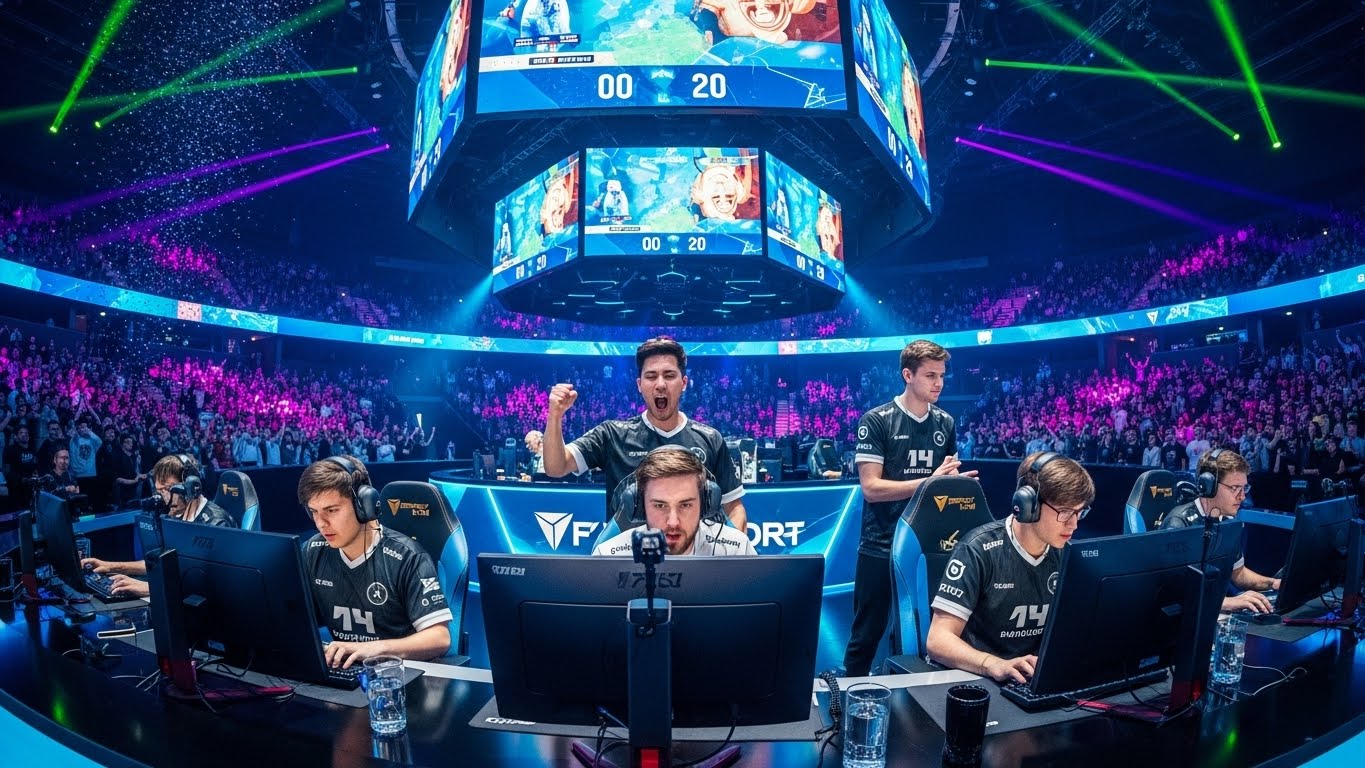
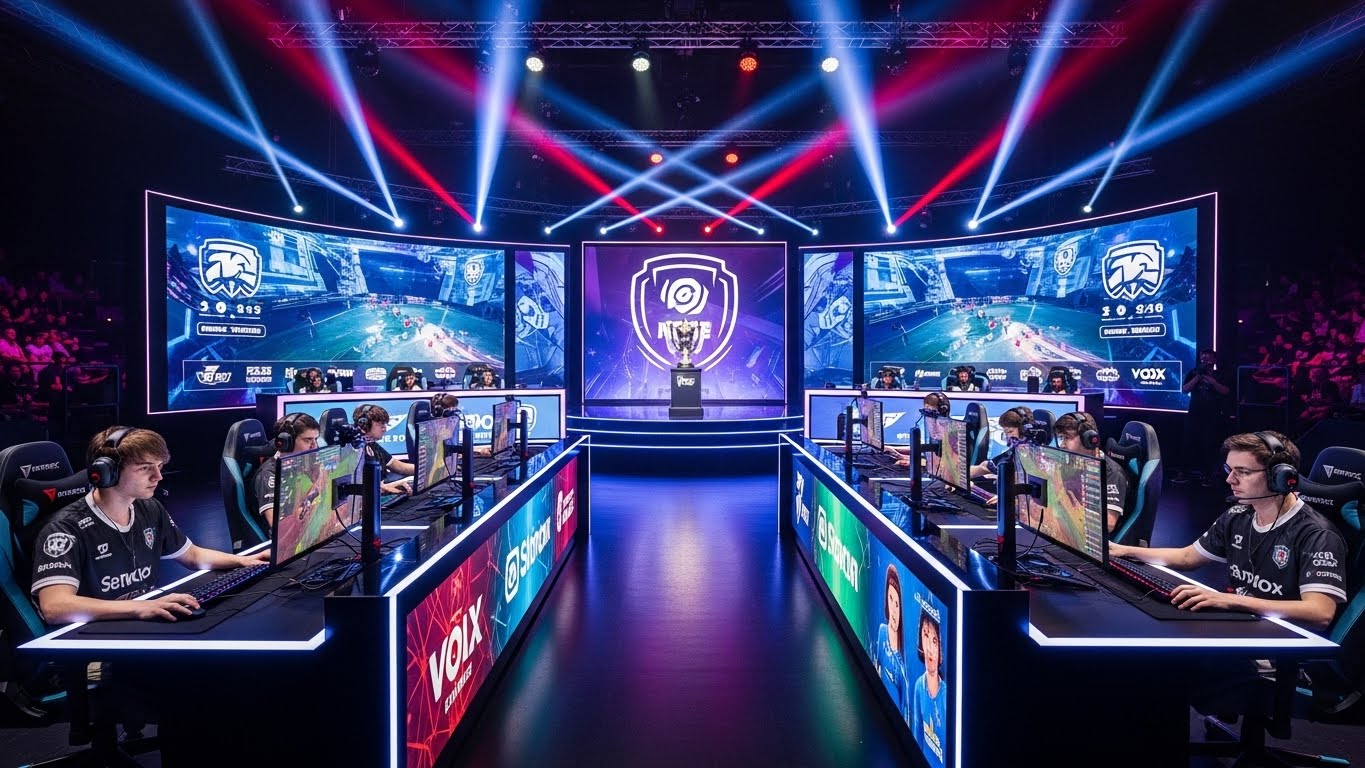
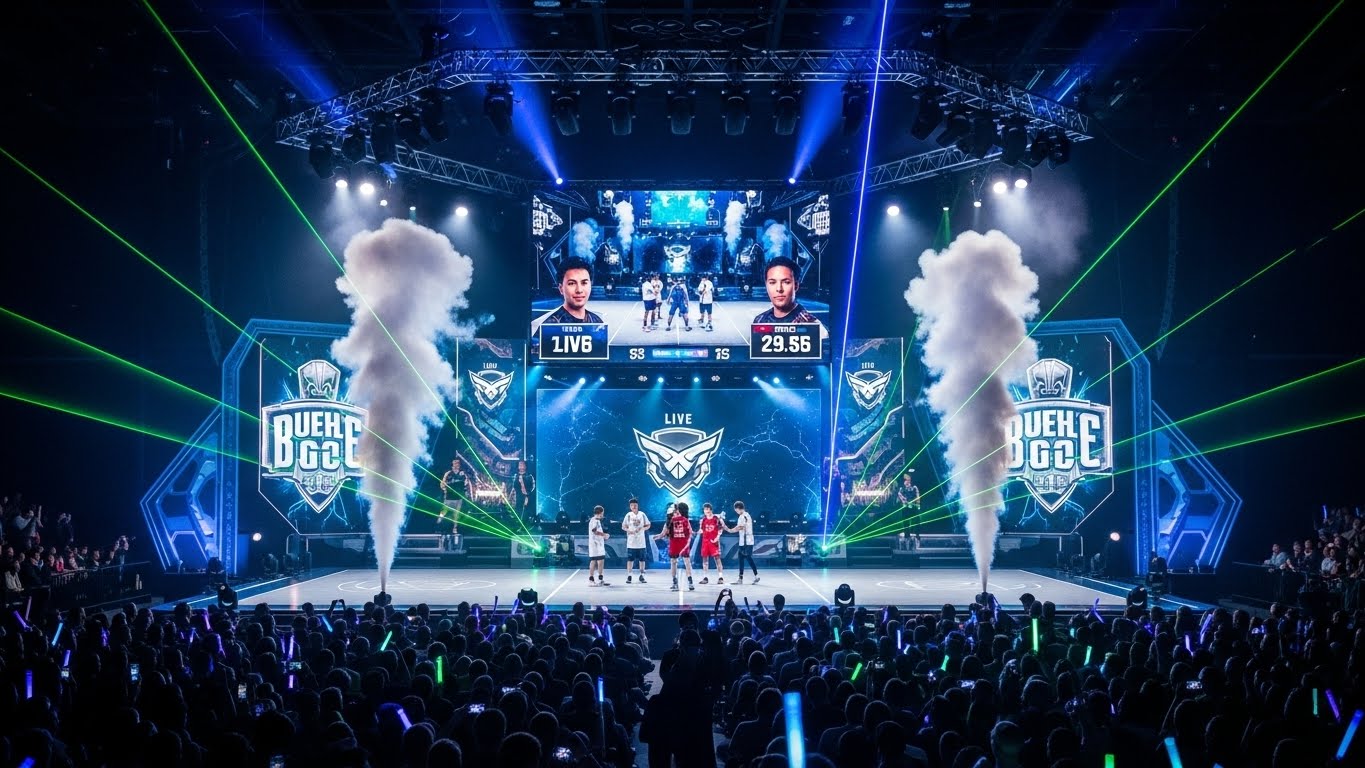
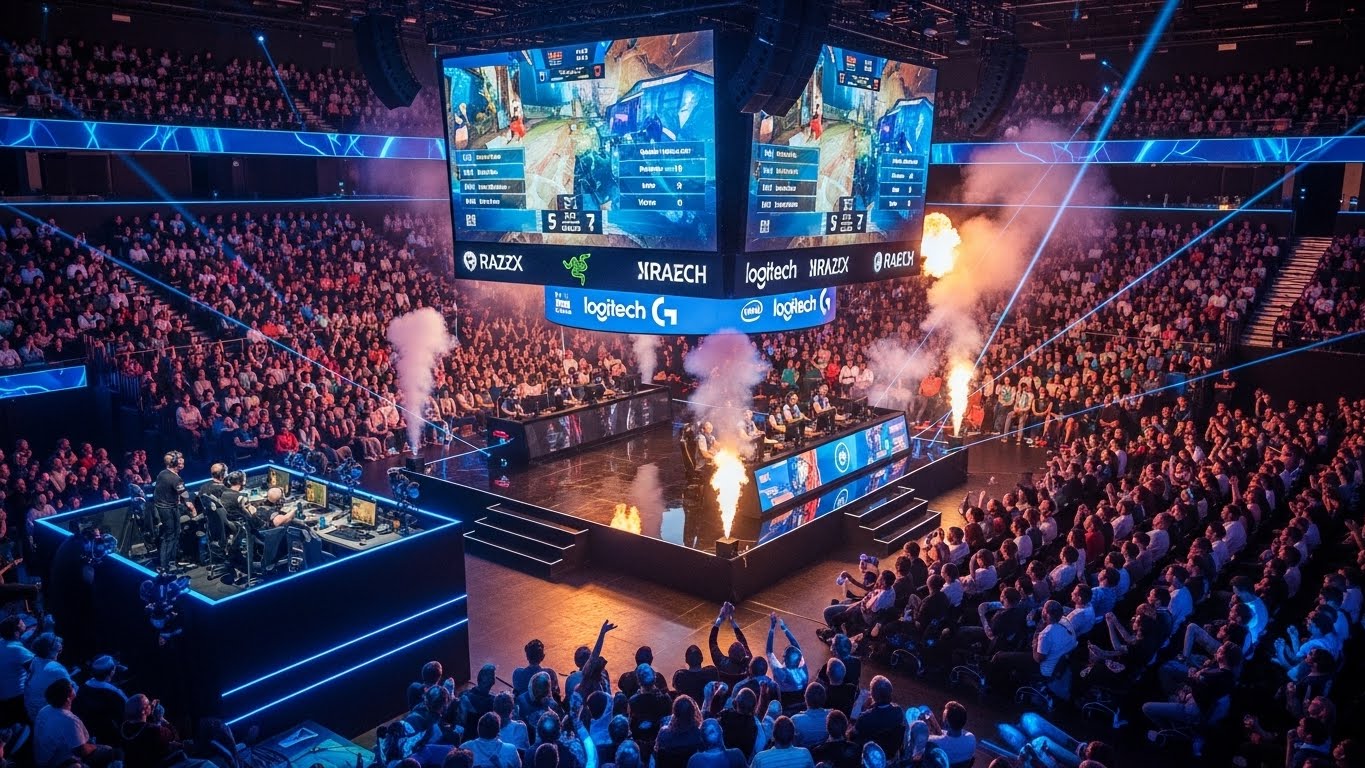
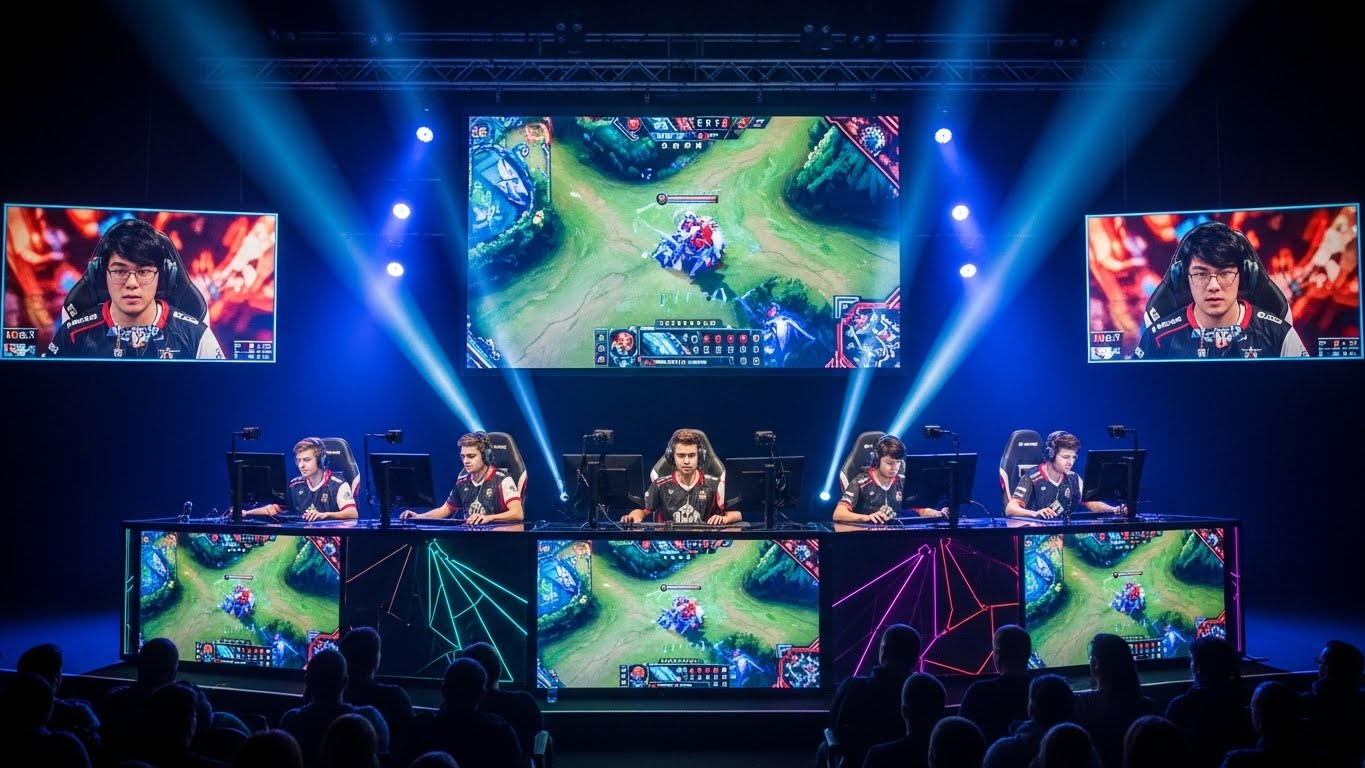
Esports, the world of professional competitive gaming, has evolved dramatically over the past decade. What began as informal gaming competitions has now become a global phenomenon, with professional leagues, international tournaments, and millions of dedicated fans. From small local competitions to grand stages filled with cheering audiences, esports is not just a pastime; it is a serious, structured industry that rivals traditional sports in influence, skill, and economic impact.
This blog explores the rise of esports, its significance in modern society, the impact it has on players and fans, and why competitive gaming is redefining what it means to compete in the 21st century.
Understanding Esports
Esports, short for electronic sports, refers to organized competitive video gaming. Unlike casual gaming, esports emphasizes strategy, precision, and performance under pressure. Players or teams compete in structured tournaments, often with professional coaching, analysis, and rigorous training schedules.
The games featured in esports cover a wide range of genres, including first-person shooters, real-time strategy games, battle royale titles, sports simulations, and multiplayer online battle arenas. Each genre demands a unique set of skills, from lightning-fast reflexes and precise hand-eye coordination to strategic planning and teamwork. Esports is not just about playing a game; it is a comprehensive competitive discipline.
The Rise of Professional Esports
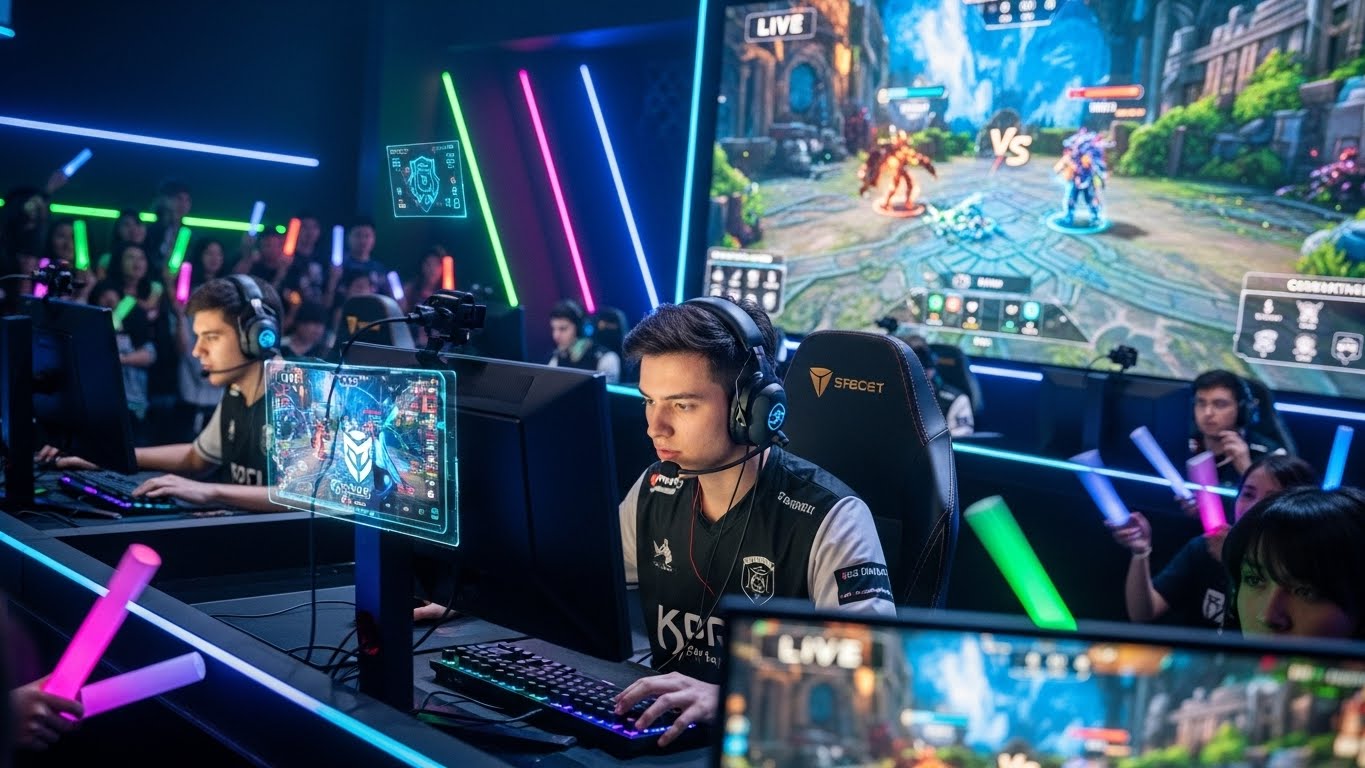
Esports has transitioned from hobbyist competitions to a fully professionalized industry. Today, professional players sign contracts, earn salaries, and compete full-time. Teams have coaches, analysts, and support staff, much like traditional sports organizations. Players spend hours each day practicing, analyzing opponents, refining strategies, and improving both physical and mental endurance.
Professionalization has also introduced player accountability, brand management, and media responsibilities. Esports athletes must maintain consistent performance while engaging with fans and sponsors. The growth of professional leagues has solidified esports as a legitimate career path, attracting talent worldwide.
The Global Impact of Esports
Esports has become a global phenomenon, with tournaments that reach millions of viewers across continents. Countries such as South Korea, China, and the United States have developed robust esports ecosystems, producing professional leagues, specialized training facilities, and celebrity players.
International tournaments foster cultural exchange and shared experiences. Fans from around the world watch live streams, follow player performances, and celebrate victories together. Esports’ global reach makes it a unique platform for cross-cultural interaction and international collaboration.
Streaming Platforms and Fan Engagement
Streaming platforms play a crucial role in esports’ success. Platforms such as Twitch and YouTube Gaming allow players to broadcast matches in real time, reaching millions of viewers worldwide. Fans can watch live events, interact through chat, and learn strategies from professional players.
The interactive nature of esports streaming strengthens the relationship between players and fans. Unlike traditional sports, where audiences are passive, esports spectators actively engage with content, creating a sense of community and belonging. Aspiring players can also use these platforms to showcase talent, attract followers, and gain sponsorships.
Cognitive and Psychological Benefits
Esports is not only a physical or mechanical challenge but also a mental one. Players develop enhanced decision-making abilities, critical thinking skills, and strategic awareness. Real-time problem-solving, adaptability, and rapid information processing are essential components of competitive gameplay.
Team-based games further enhance communication, leadership, and collaboration skills. Players learn to coordinate with teammates under pressure, anticipate opponents’ moves, and execute complex strategies. Beyond gaming, these cognitive and psychological skills translate to real-world problem-solving and professional growth.
Social Connectivity Through Esports
Esports fosters strong social connections. Online multiplayer games connect individuals from different backgrounds, cultures, and countries. Players form friendships, teams, and communities, building trust and collaboration skills.
Spectatorship also contributes to social bonding. Fans discuss tactics, celebrate victories, and share experiences within gaming communities. Esports bridges geographic and cultural gaps, providing a sense of belonging to participants who might otherwise feel socially isolated.
Youth Engagement and Education
Esports resonates strongly with younger generations. Many students view competitive gaming as a serious pursuit or career option. Schools and universities are increasingly offering esports programs, scholarships, and campus leagues.
Participation in esports encourages skill development beyond gaming, including teamwork, strategic planning, time management, and digital literacy. The accessibility of esports allows students with diverse abilities to compete, promoting inclusivity while fostering personal and professional growth.
Diversity and Inclusion
Esports has the potential to be more inclusive than traditional sports. Players of any gender, ethnicity, or physical ability can compete on equal footing. Initiatives to promote female participation and safe, harassment-free environments are gaining traction.
Adaptive esports programs cater to players with disabilities, further expanding accessibility. By breaking down traditional barriers, esports creates opportunities for diverse talent to thrive in competitive environments.
Economic Influence of Esports
The economic impact of esports extends far beyond prize pools. The industry generates revenue through tournaments, sponsorships, merchandise, streaming, and media rights. Thousands of jobs are associated with esports, including game development, event management, marketing, coaching, and commentary.
Esports events also stimulate local economies, attracting tourism and boosting hospitality services. As the industry continues to grow, it has become a significant contributor to both digital and real-world economies, showcasing its importance as a cultural and financial powerhouse.
Health and Wellness in Esports
While esports provides numerous benefits, it also presents health challenges. Extended screen time, sedentary behavior, and repetitive movements can lead to physical strain. Mental health is also a concern, as competitive pressure can cause stress and burnout.
Professional teams now emphasize holistic health strategies. Players incorporate physical fitness, nutrition plans, mental coaching, and recovery routines to maintain peak performance. These measures help ensure sustainability and longevity in competitive gaming careers.
Technology Driving Esports Forward
Technology is at the core of esports’ evolution. Advancements in gaming hardware, software, analytics, and broadcasting enhance both performance and spectator experience. Artificial intelligence and data analytics help teams optimize strategies and monitor player performance.
Virtual and augmented reality technologies are beginning to expand the esports experience, offering immersive competition formats and interactive fan engagement. Technology continues to shape how players compete, how fans interact, and how the industry grows.
The Future of Esports
The future of esports is promising. As cultural acceptance grows and technology advances, esports will continue to integrate into mainstream entertainment. Hybrid competitions that combine digital and physical elements may emerge, and collaborations with traditional sports are likely to expand.
Esports will also play a larger role in education and professional development. Its adaptability ensures that it will remain relevant, continuously evolving alongside technology and societal trends.
Conclusion: Esports as a Transformative Force
Esports has transformed the landscape of competition. It merges skill, strategy, technology, and community into a global movement that challenges traditional notions of sports. Beyond entertainment, esports fosters cognitive development, social connection, and economic growth.
Competitive gaming empowers players, connects diverse communities, and inspires future generations. The rise of esports demonstrates that competition is not confined to physical fields; it thrives in digital arenas where strategy, teamwork, and perseverance define success.
As esports continues to expand and evolve, it stands as a symbol of the digital age: a space where passion, skill, and innovation converge, and where players and fans alike can redefine what it means to compete in the modern world.