championtribe73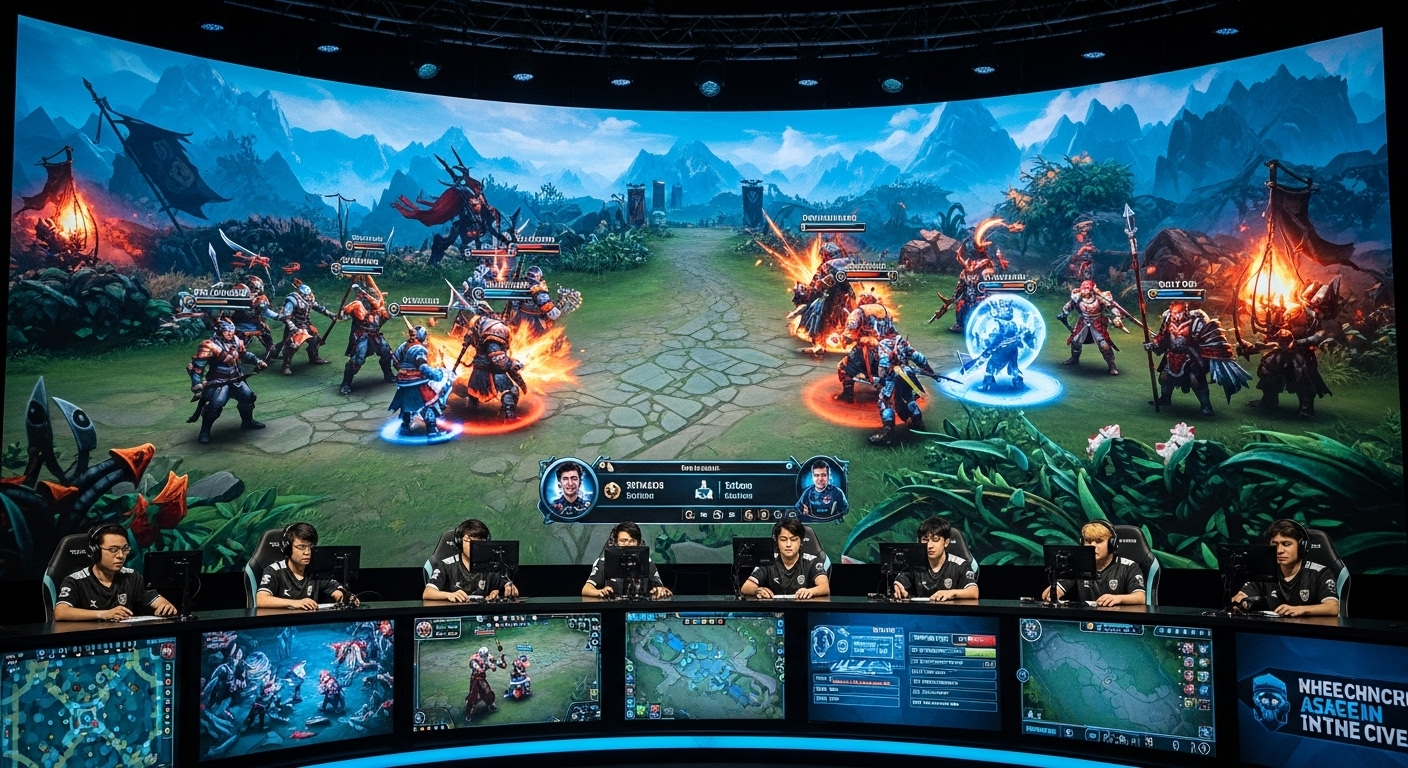
Introduction: The New Frontier of Competition
Esports has taken the world by storm, evolving from a niche interest to a global cultural and economic force. What started as casual gaming competitions in local arcades has grown into an internationally recognized multi-billion-dollar industry. Today, esports represents not only a form of entertainment but a legitimate competitive sport, with millions of players and fans, corporate sponsors, and even government recognition. With its enormous reach and rapidly growing audience, esports is transforming how we view competition in the digital age.
In this blog post, we will explore the evolution of esports, its various components, the key games that dominate the space, the business side of the industry, and the broader societal impact that esports is having around the globe.
The Early Beginnings of Esports
Esports, in its most basic form, is competitive gaming. But its origins can be traced back to the 1970s when the first arcade game competitions began to take shape. One of the earliest examples was the Space Invaders Championship in 1980, a competition where players faced off for the highest score in the iconic arcade game. At this point, gaming was still a hobby and not seen as a serious competitive activity, but it planted the seed for what would later become the esports phenomenon.
The true birth of esports began in the late 1990s with the rise of real-time strategy (RTS) and first-person shooter (FPS) games. Quake and StarCraft were among the first games that allowed players to compete against each other online, creating a new level of competition and excitement. The late 90s and early 2000s also marked the rise of tournaments like Red Annihilation (1997), which is widely considered one of the first official esports events. These early events helped establish the foundation for the vibrant global community we now see.
The Global Boom: From Niche to Mainstream
By the early 2000s, esports began to take on a more organized structure, especially in South Korea, which would become the epicenter of competitive gaming. StarCraft, a real-time strategy game, became immensely popular in South Korea and is widely regarded as the catalyst for the country’s esports boom. The South Korean government recognized the potential of esports as an industry and began investing heavily in its development, building dedicated gaming arenas and broadcasting tournaments on national television.
As the success of South Korean esports grew, the rest of the world began to take notice. The Western world soon followed suit with the rise of popular games like Warcraft III, Counter-Strike, and World of Warcraft. These games helped lay the groundwork for what would become global esports tournaments and professional leagues. The development of live streaming platforms like Twitch in 2011 also played a crucial role in esports’ expansion, allowing fans to watch professional players compete in real-time from anywhere in the world.
The Emergence of Major Esports Tournaments
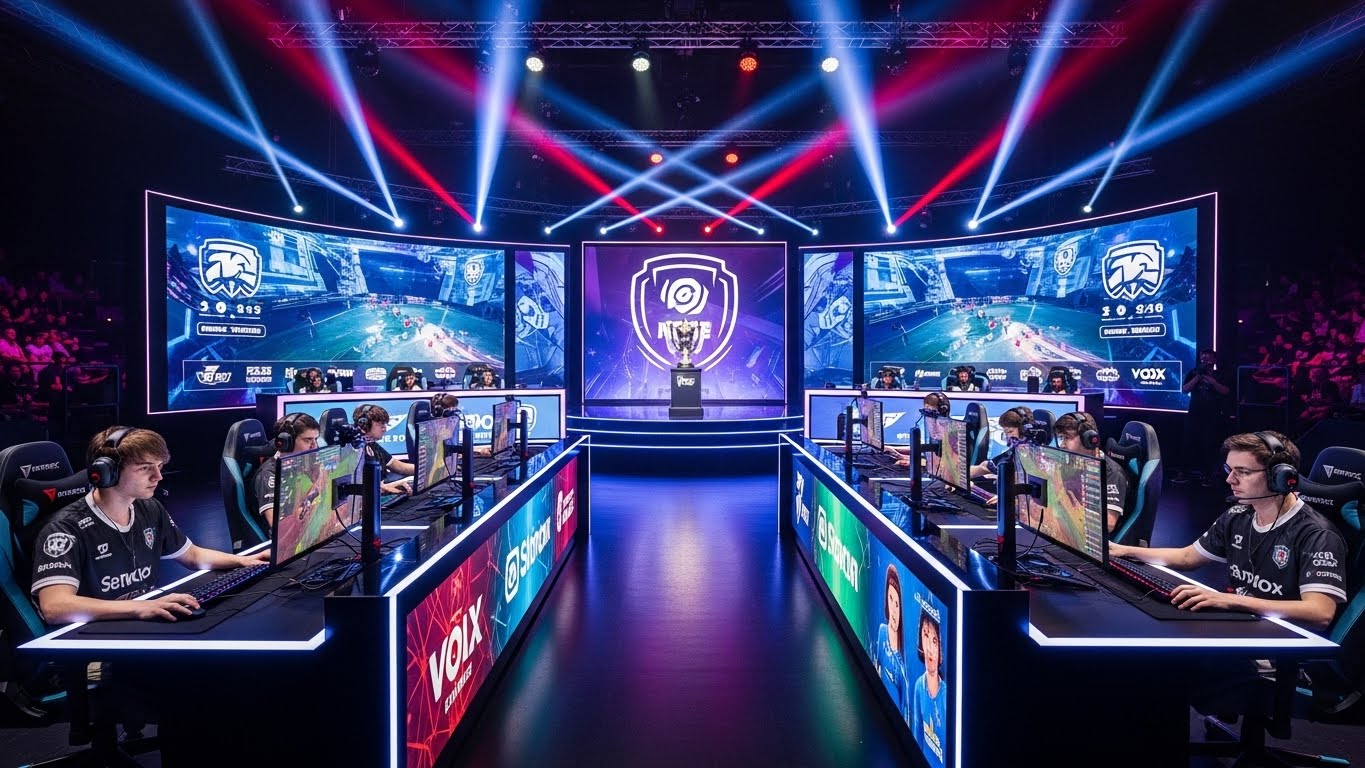
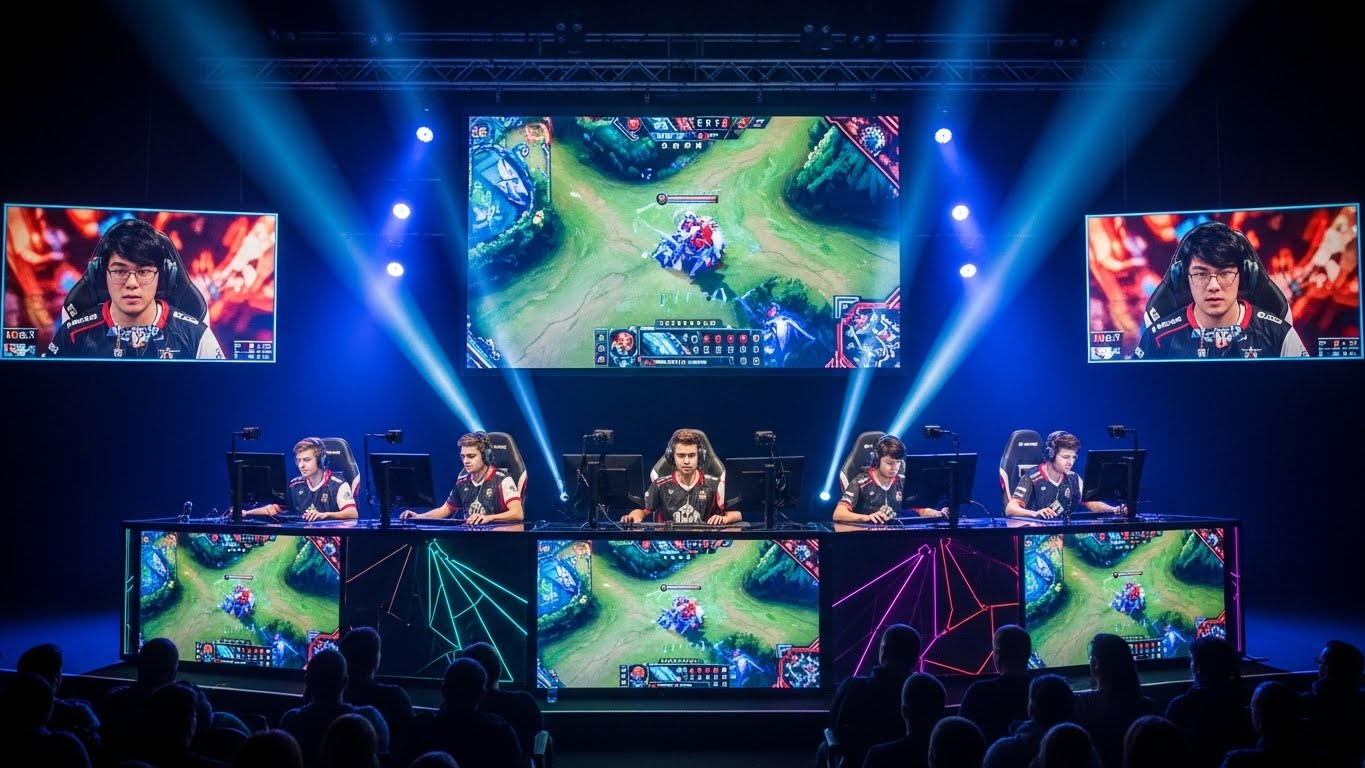
The late 2000s and early 2010s marked the start of major esports tournaments that are now staples in the industry. Tournaments like The International for Dota 2, League of Legends World Championship, and Intel Extreme Masters have become some of the most watched and anticipated events in competitive gaming. These tournaments often feature multi-million-dollar prize pools and attract audiences of millions, both in person and through streaming platforms.
The level of competition, organization, and production value in these events rivals traditional sports leagues, leading to a wider acceptance of esports as a legitimate sport. The League of Legends World Championship, for instance, consistently draws viewership numbers that rival the Super Bowl, cementing its place in the global sports landscape.
Esports Genres: A Diversity of Competition
While esports as a whole is growing rapidly, it encompasses a wide range of genres, each with its own set of rules, strategies, and player base. Some genres have become synonymous with esports, with games like League of Legends, Counter-Strike: Global Offensive, and Dota 2 dominating the competitive scene.
MOBAs (Multiplayer Online Battle Arenas)
MOBAs are one of the most popular genres in esports. In games like League of Legends (LoL) and Dota 2, teams of players work together to control unique heroes or champions with special abilities, aiming to destroy the enemy’s base while defending their own. MOBAs require high levels of teamwork, strategy, and coordination, making them extremely competitive.
The success of League of Legends has been monumental. Its annual World Championship draws millions of viewers and features prize pools in the tens of millions. Dota 2, developed by Valve, is another major MOBA that hosts The International, which boasts the largest prize pool in esports history, sometimes surpassing $40 million.
FPS (First-Person Shooters)
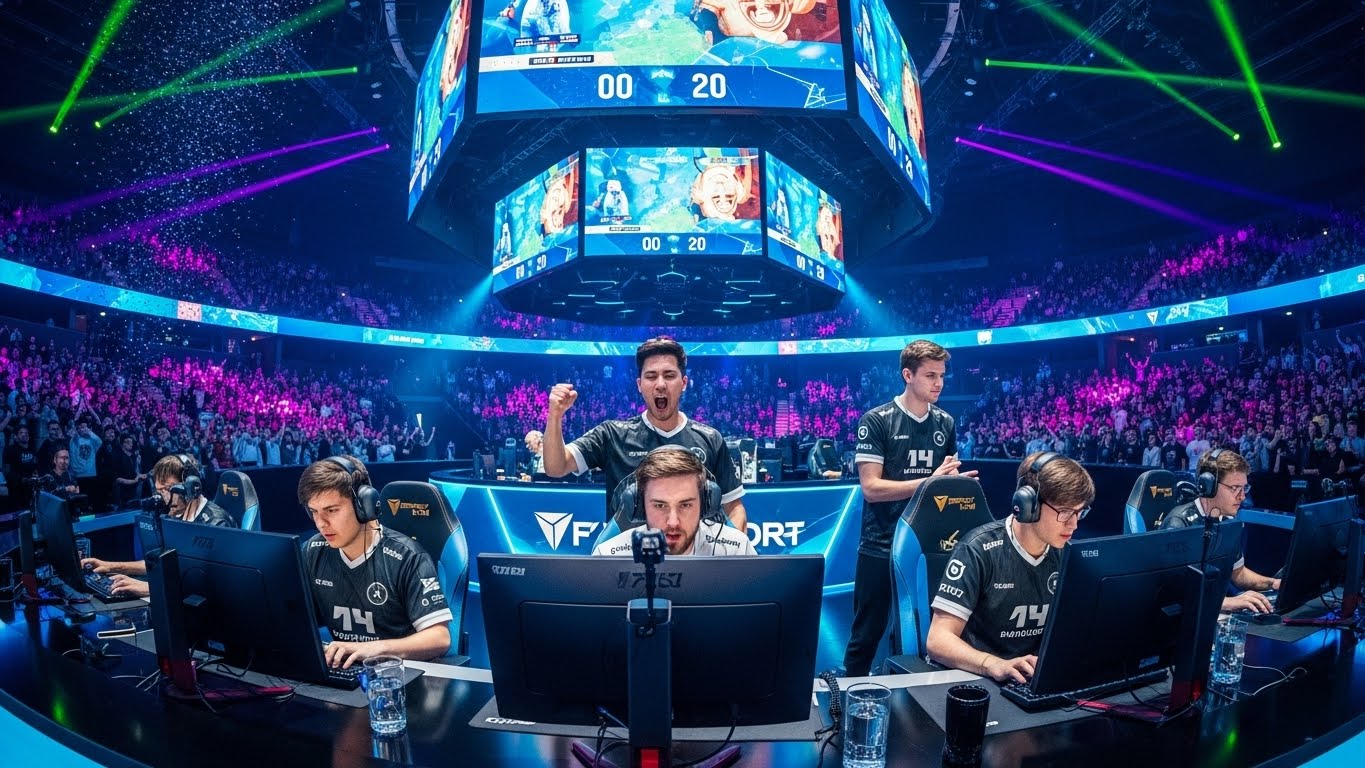
First-person shooters are another dominant genre in the esports world. These games focus on combat through firearms and require precise aiming, quick reflexes, and strategic thinking. Titles like Counter-Strike: Global Offensive (CS: GO), Overwatch, and Call of Duty have become staples in the FPS esports community. Players compete in high-stakes, fast-paced matches that demand not only individual skill but also teamwork and coordination.
Counter-Strike: Global Offensive has been a leader in competitive FPS games, with major tournaments such as ESL One and DreamHack attracting a global audience. The Overwatch League has also introduced city-based franchises and a season format, making it more accessible to fans and providing a unique model for esports leagues.
Battle Royale Games
In recent years, the Battle Royale genre has exploded in popularity. Games like Fortnite, PUBG, and Apex Legends have revolutionized the competitive gaming scene by offering players an open-world environment where they fight to be the last one standing. The genre has unique appeal because of its unpredictability and the strategic use of resources to outlast opponents.
While Fortnite became a cultural phenomenon with its free-to-play model and vibrant, cartoony visuals, PUBG set the stage for the Battle Royale boom. Both games have spawned large tournaments and attracted millions of viewers, making Battle Royale a key part of the esports ecosystem.
The Business of Esports
Esports is no longer just about players competing in virtual arenas. It has become a massive business, generating billions in revenue through sponsorships, advertising, broadcasting rights, and merchandise sales.
Sponsorships and Brand Deals
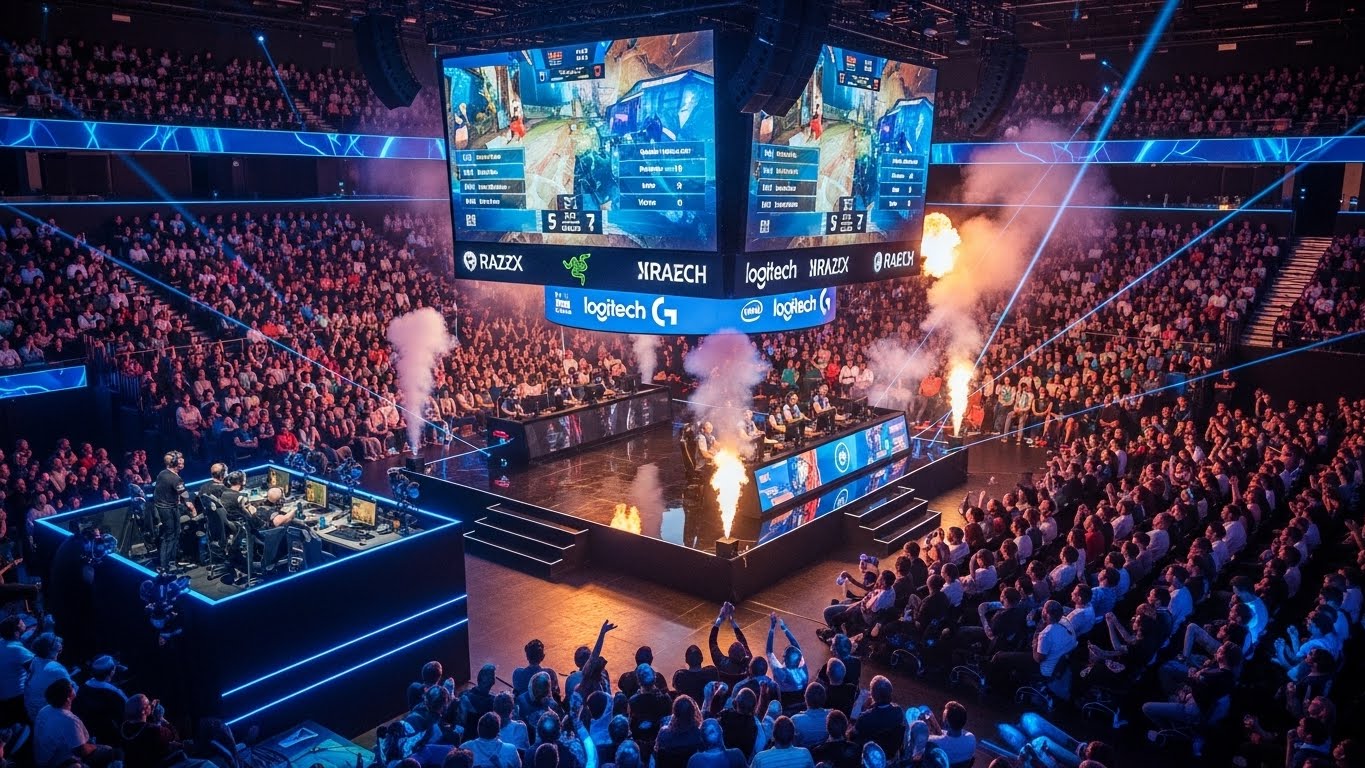
Esports sponsorships have become a major revenue stream for professional teams and events. Global brands like Coca-Cola, Intel, Red Bull, and Nike have invested heavily in the esports ecosystem. These companies sponsor teams, individual players, and major tournaments, as esports fans represent a lucrative demographic of young, tech-savvy individuals.
Sponsorships also extend to streaming platforms, where brands advertise during live broadcasts or support popular content creators. As esports continues to grow, it is likely that we will see even more high-profile brand partnerships in the coming years.
Broadcasting and Streaming
Streaming is one of the most crucial aspects of the esports business model. Platforms like Twitch, YouTube Gaming, and Facebook Gaming have provided a way for fans to watch esports competitions live from anywhere in the world. In addition to watching live events, these platforms allow fans to interact with their favorite players and teams through chats, streams, and social media.
The popularity of streaming has not only made esports more accessible but has also given rise to a new breed of celebrity athletes. Many esports professionals now have massive followings on platforms like Twitch, where they can earn income from subscriptions, donations, and brand partnerships.
Prize Money and Player Earnings
Esports tournaments often feature multi-million-dollar prize pools. In some cases, the prize money for a single tournament can rival that of major traditional sports events. The International for Dota 2, for example, consistently features the largest prize pools in esports, often exceeding $30 million.
Top-tier esports players also earn salaries from their teams, which can reach into the hundreds of thousands of dollars per year. In addition to tournament earnings, players benefit from sponsorship deals, streaming revenues, and personal brand partnerships.
Esports and Its Impact on Society
Esports has had a profound impact on both the gaming community and society at large. It has influenced everything from education to social interaction, providing new opportunities for players and fans alike.
Esports in Education
Esports has found a place in the educational system, with many universities now offering scholarships and competitive programs. Schools and colleges across the globe have begun to recognize the value of esports, offering students the opportunity to earn degrees in game design, esports management, and even professional gaming.
Some colleges have established dedicated esports teams that compete at a national level, and universities like the University of California have begun to offer esports scholarships to talented players. These developments help to legitimize esports as a legitimate career path.
Building Global Communities
One of the most powerful aspects of esports is its ability to build communities. Esports brings together people from diverse backgrounds who share a common interest in gaming and competition. Online gaming platforms and streaming services have allowed people from all over the world to connect, share experiences, and support their favorite teams and players.
Esports also offers fans a sense of belonging, with many individuals developing deep emotional connections to their favorite teams or players. Tournaments and live events provide opportunities for fans to meet in person and celebrate their shared passion for gaming.