championtribe73
Introduction: The Rise of Esports as a Cultural Phenomenon
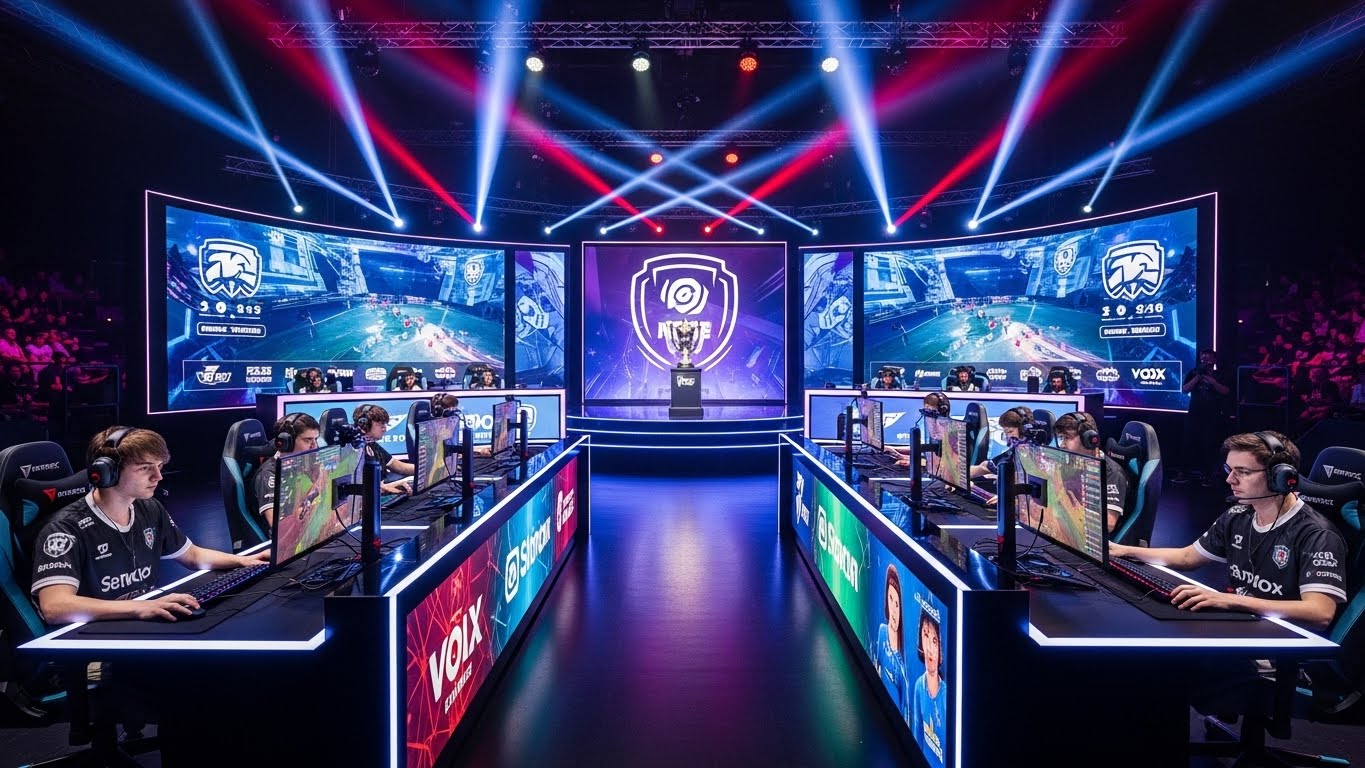
Esports, once a niche segment of the gaming world, has evolved into a global powerhouse that rivals traditional sports in terms of viewership, revenue, and cultural influence. Competitive gaming, or esports, has transitioned from amateur tournaments in basements and local arcades to massive international events watched by millions across the world. The rise of esports represents a digital revolution in entertainment, where online gaming communities have become as passionate and dedicated as those supporting traditional sports teams.
Esports is not just about gaming—it is a multi-faceted ecosystem that involves professional players, coaches, team organizations, fans, and sponsors. From mobile phones to high-end gaming PCs, millions of players compete in some of the most popular video games today, such as “League of Legends,” “Counter-Strike: Global Offensive,” “Dota 2,” and “Fortnite.” Esports tournaments attract millions of dollars in sponsorships and have led to lucrative prize pools, with winners earning impressive sums that make esports a viable career for many professional gamers. This blog will explore the rapid rise of esports, its influence on the global entertainment industry, the dynamics of professional gaming, and its future potential.
The Origins of Esports: From Small Tournaments to Global Championships
Esports traces its origins back to the early days of video gaming. In the 1970s and 1980s, arcade games like “Space Invaders” and “Pong” introduced competitive play in local settings. However, it was not until the late 1990s that the concept of esports as we know it today began to take form. Games such as “StarCraft,” “Quake,” and “Warcraft” became the first major titles to foster competitive communities. These early tournaments were small, localized events held in gaming cafes, but they provided the first glimpse of what esports could become.
The real turning point came in the early 2000s, when the advent of high-speed internet and online gaming allowed players to compete against each other globally. Games like “Counter-Strike” and “Warcraft III” introduced massive multiplayer online formats that could be played by thousands of players in real-time, paving the way for large-scale online competitions. By the mid-2000s, events like the World Cyber Games (WCG) and Electronic Sports World Cup (ESWC) had begun to attract international attention, further cementing esports as a legitimate competitive activity.
As the digital landscape evolved, so did the ambition of esports. The advent of live streaming platforms like Twitch and YouTube Gaming enabled gamers to broadcast their play and interact with fans in real-time, creating a direct connection between players and their audience. Tournaments that were once limited to small gatherings became global events, watched by millions across different time zones. The sponsorship money began to flood in from major companies, ranging from energy drink brands to tech giants, signaling that esports was no longer just a subculture, but a serious global industry.
The Esports Ecosystem: Teams, Players, and Organizations
One of the key elements behind the success of esports is its well-established ecosystem. Esports is not just about individuals playing games; it involves a highly organized structure of teams, coaches, analysts, and event organizers. Much like traditional sports, the esports scene is home to professional teams that compete in multiple games, ranging from strategy-heavy games like “Dota 2” and “League of Legends” to first-person shooters like “Counter-Strike: Global Offensive” and “Valorant.”
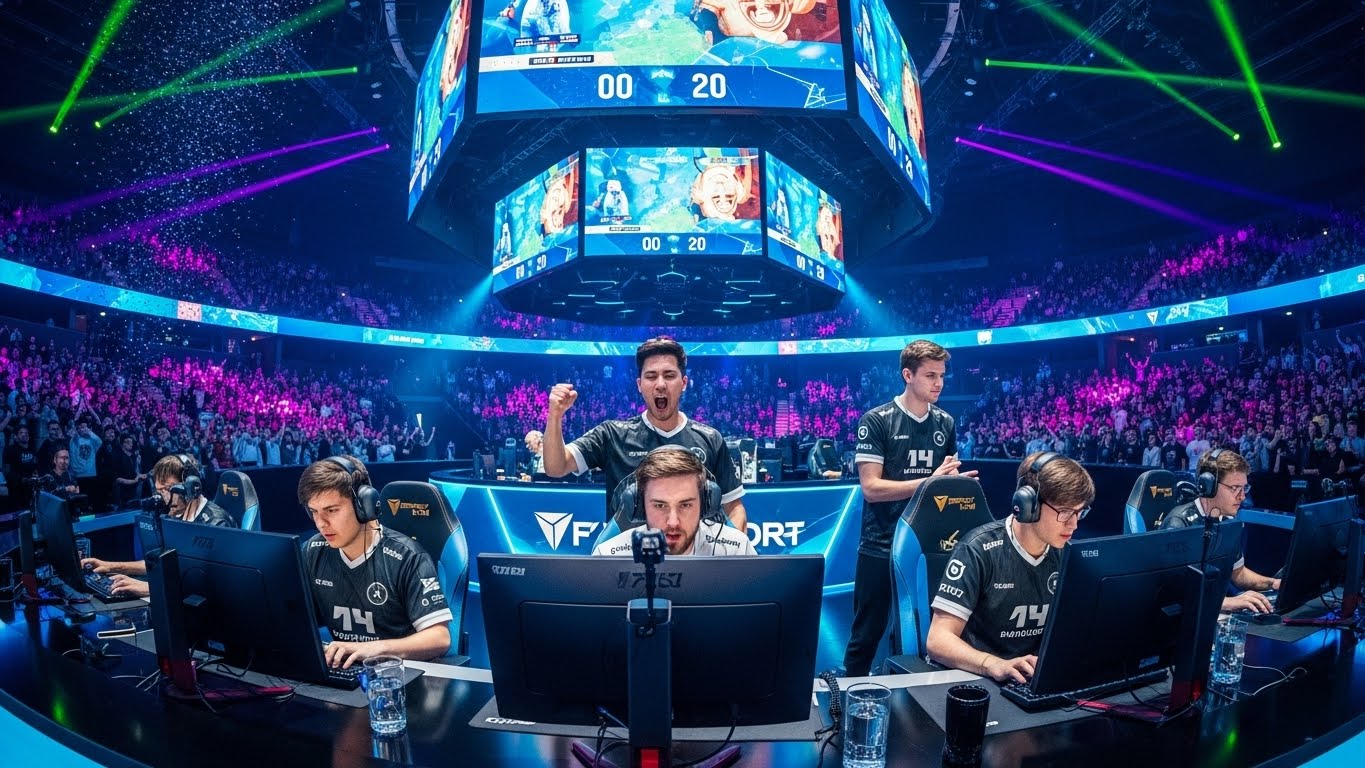
These teams—such as Cloud9, Team Liquid, and FaZe Clan—field top-tier players from around the world, each specializing in specific games or roles within games. Just like in traditional sports, esports organizations operate with dedicated coaching staff, analysts, and support personnel to ensure players are performing at their best. The success of a team is not just about individual skill; it’s about synergy, strategy, and preparation. Players train for hours every day, analyzing game data, watching replays, and discussing tactics with their teams and coaches.
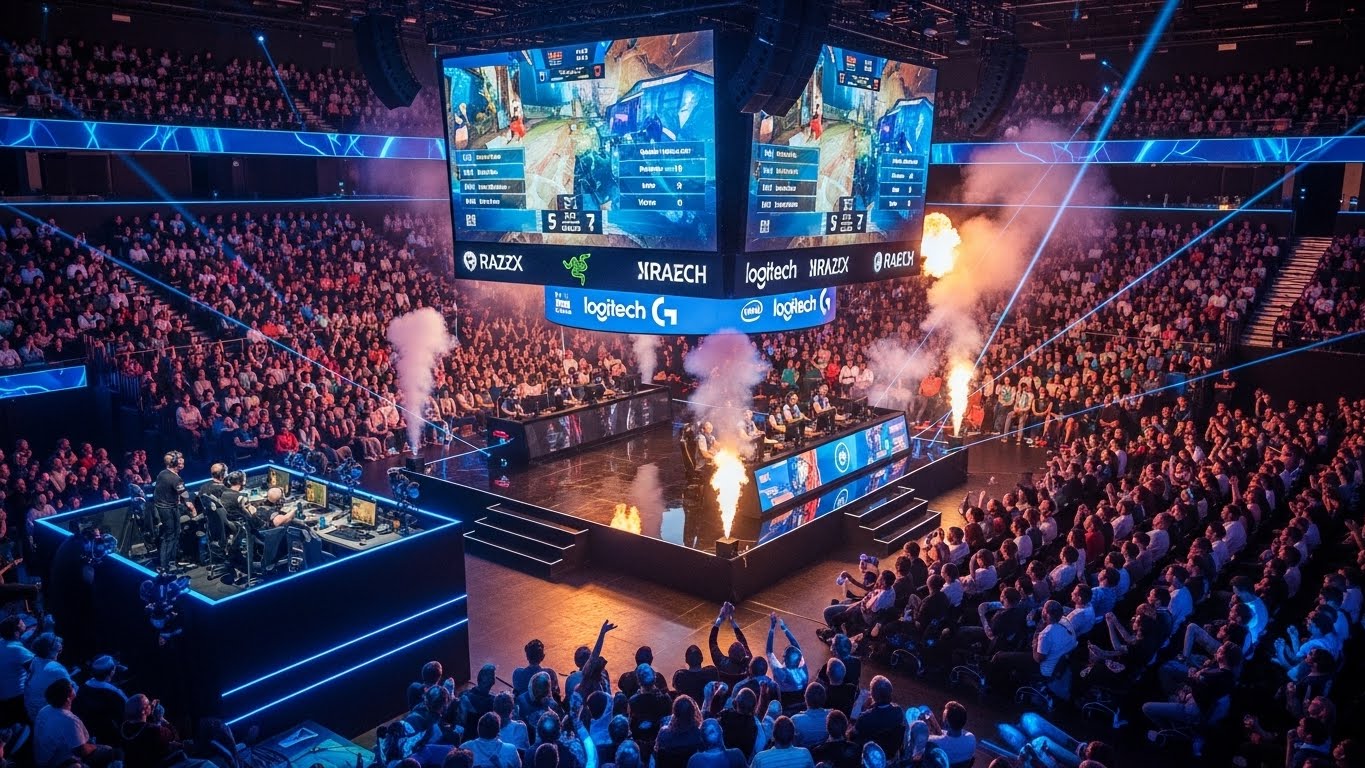
Esports organizations also have sponsors that help fund their operations. Companies in the gaming industry, such as Razer and MSI, supply players with high-end gaming peripherals and equipment. Additionally, major global brands, including Intel, Red Bull, and Mercedes-Benz, sponsor esports events and teams. These sponsorships not only provide financial backing but also further legitimize esports as a mainstream form of entertainment.
The Growth of Esports Competitions: Tournaments and Prize Pools
Tournaments are the heartbeat of the esports industry. These events offer players the chance to compete at the highest level and showcase their skills to a global audience. The format of esports tournaments varies depending on the game and the level of competition, but one thing is always certain: these events are intense, action-packed, and filled with high stakes.
Some of the most prestigious esports tournaments include:
- The International (Dota 2): This annual event is one of the most well-known in esports, featuring a prize pool that has surpassed $40 million. The International is an incredibly high-profile tournament, with top-tier teams from around the world competing for a chance to become world champions.
- League of Legends World Championship: One of the most popular esports events globally, the League of Legends World Championship, or “Worlds,” has drawn millions of viewers each year. The tournament features teams from different regions and offers a massive prize pool, further elevating the prestige of the game.
- CS:GO Majors: The CS:GO Major Championships are among the most-watched esports tournaments in the world, attracting top teams from across the globe. These tournaments offer substantial prize money, and with the added allure of the game’s competitive nature, they have become a focal point of the esports scene.
- Fortnite World Cup: Epic Games’ “Fortnite” revolutionized esports with its battle royale format, and its World Cup is one of the largest competitive events in the esports calendar. With prize money that exceeds $30 million, the Fortnite World Cup has cemented its place as a premier event in competitive gaming.
Prize pools for these tournaments are impressive, and players have the chance to win millions of dollars in a single event. However, it’s not just the money that makes these tournaments significant—it’s the honor and recognition of being the best in the world at a particular game. For many professional gamers, winning a major tournament is the pinnacle of their careers.
The Esports Audience: A Global Community
Esports has a unique relationship with its audience. Unlike traditional sports, where fans might need to attend events or watch on television, esports fans can engage with their favorite players and teams online. Streaming platforms like Twitch and YouTube allow fans to watch live tournaments, follow individual players’ streams, and participate in live chats. These platforms also allow players to build personal brands and cultivate a loyal following, which has transformed some professional gamers into celebrities.
The global reach of esports is another key factor in its growth. Fans from different regions—whether from North America, Europe, South Korea, or Brazil—can tune in and cheer for their favorite teams and players, regardless of where the tournament is taking place. The digital nature of esports has created a truly international community that is passionate, diverse, and interactive. This sense of community is what makes esports so unique—fans are not just passive viewers; they are actively engaged, creating fan art, making memes, and discussing strategies on social media platforms.
The Financial Impact: Esports as a Lucrative Industry
The financial growth of esports is nothing short of staggering. According to recent estimates, the global esports industry is worth billions of dollars, and it continues to grow year after year. This growth is driven by various revenue streams, including advertising, sponsorships, media rights, merchandise, and ticket sales for live events. Major sponsors, including global brands like Coca-Cola, Nike, and Audi, have embraced esports, realizing the immense marketing potential of engaging with millions of young, tech-savvy fans.
Esports has also spurred the growth of a new type of economy, with streaming platforms like Twitch and YouTube offering gamers the opportunity to earn money through subscriptions, donations, and ad revenue. Professional players earn a significant portion of their income from streaming, while content creators, influencers, and broadcasters also have the potential to make substantial earnings. With new revenue streams emerging, esports is increasingly seen as a sustainable and lucrative career for many players.
The Role of Technology in Esports
Technology plays a pivotal role in shaping the esports experience. Advances in hardware, software, and internet infrastructure have made esports more accessible and more exciting for both players and fans. High-end gaming PCs and peripherals provide players with the tools they need to compete at the highest level, while powerful streaming platforms enable fans to watch events in real-time, often in high definition or even 4K resolution.
In addition to technological advancements, data analytics has become a critical component of esports. Professional teams and players use data analysis tools to study their gameplay, identify weaknesses, and develop strategies to improve their performance. Fans, too, have access to detailed statistics and analysis, which add a layer of depth to the viewing experience.
The Future of Esports: Growth, Innovation, and Global Expansion
The future of esports looks incredibly promising. As technology continues to advance, esports will likely become even more immersive, with the potential integration of virtual reality (VR) and augmented reality (AR) enhancing the competitive experience. These technologies could transform the way fans watch games and how players compete, offering new levels of interactivity and engagement.
Esports is also expected to expand globally, with emerging markets in countries like India, Southeast Asia, and Africa becoming important hubs for esports talent and viewership. As internet infrastructure improves in these regions, esports will become even more accessible, allowing new players and fans to join the ecosystem.