championtribe73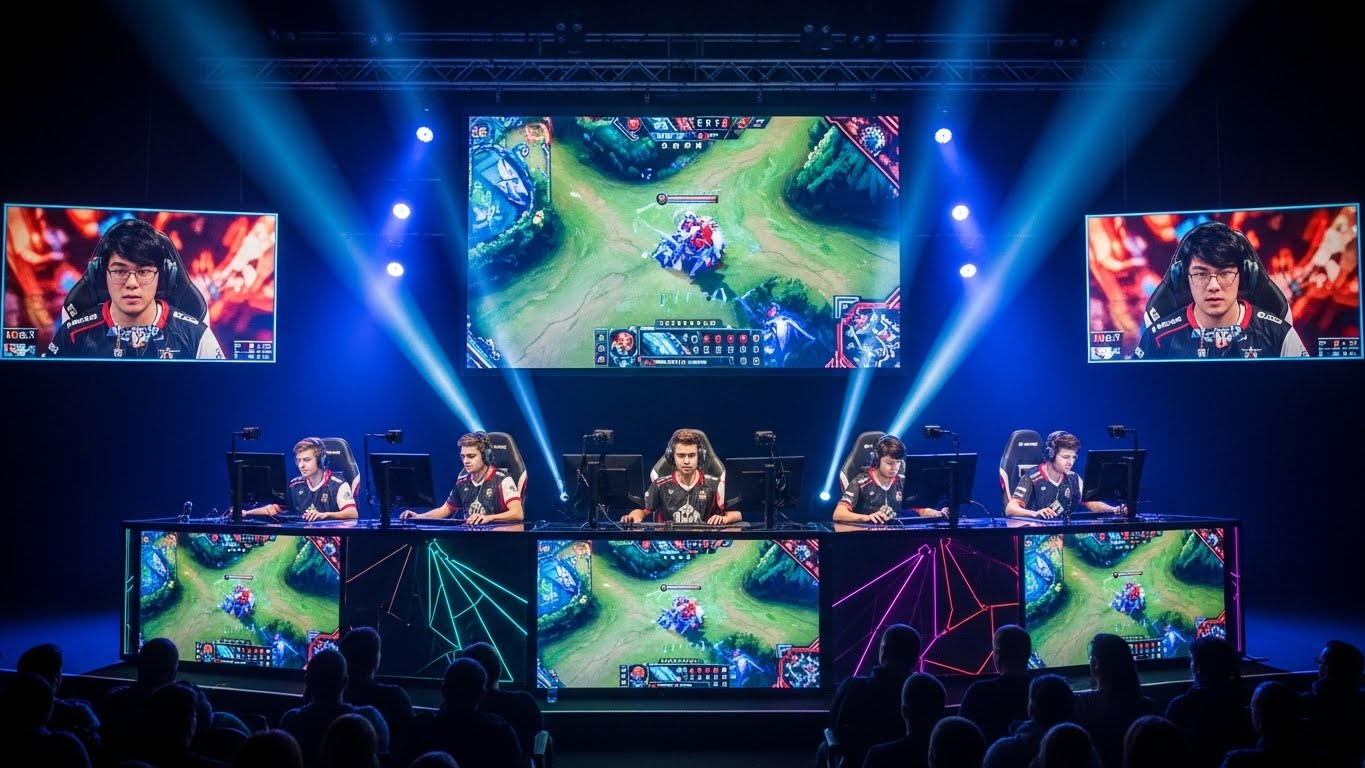
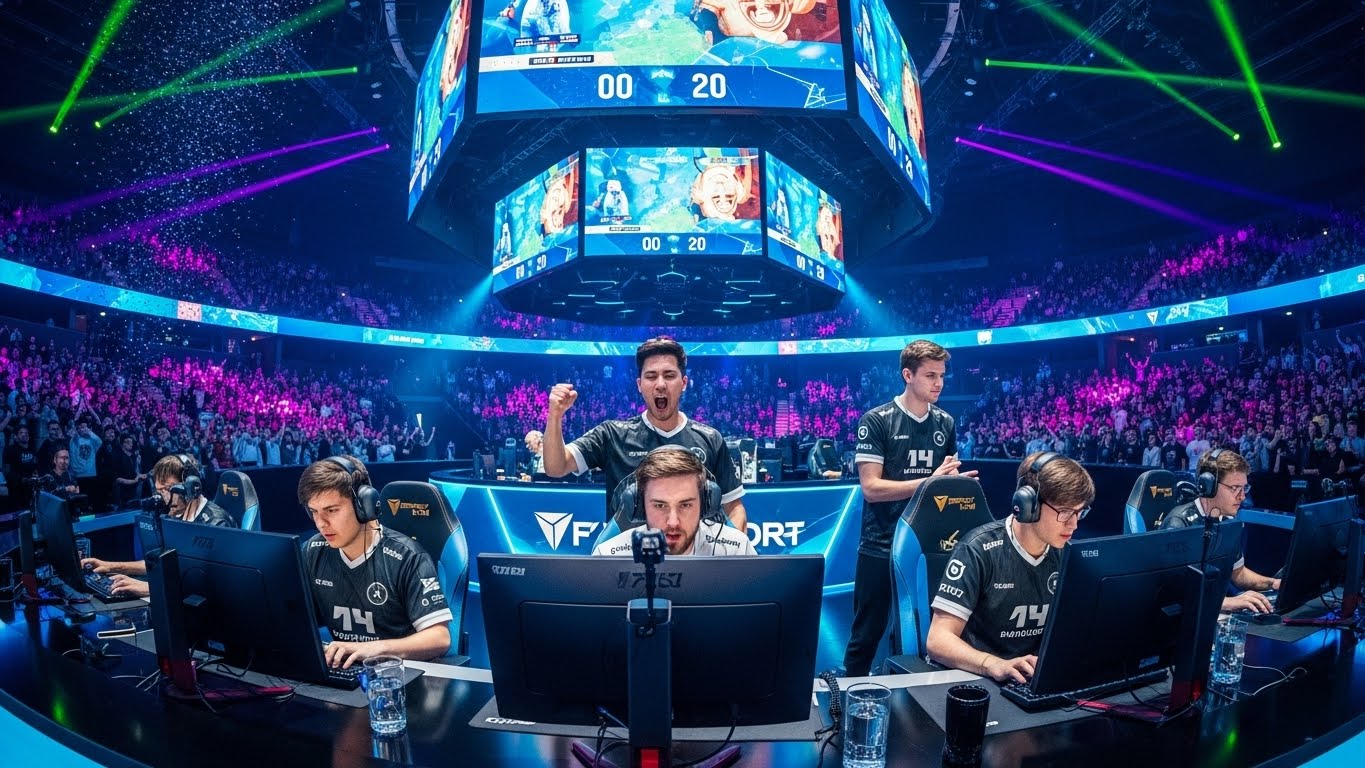
In the past two decades, esports has transformed from a niche hobby into a global phenomenon. What was once considered casual gaming has evolved into a professional arena with millions of players, fans, and investors worldwide. Esports merges technology, entertainment, and competition in a way that redefines traditional sports and reshapes the concept of professional competition. This blog explores the rise of esports, its cultural and economic impact, the challenges it faces, and the future it promises.
The Origins of Esports
The roots of esports can be traced back to the late 1970s and 1980s with the emergence of arcade games and home consoles. Early competitions were informal, often held at arcades or small local events. Games like Space Invaders and Pac-Man attracted early fans who competed for high scores, laying the groundwork for organized competitive gaming.
The 1990s marked the rise of multiplayer online games, allowing players from different regions to compete virtually. Titles such as StarCraft, Quake, and Counter-Strike became the first games to support structured tournaments with dedicated fanbases. By the 2000s, high-speed internet enabled large-scale competitions, creating a global community of gamers and audiences that would evolve into the modern esports industry.
Understanding Esports
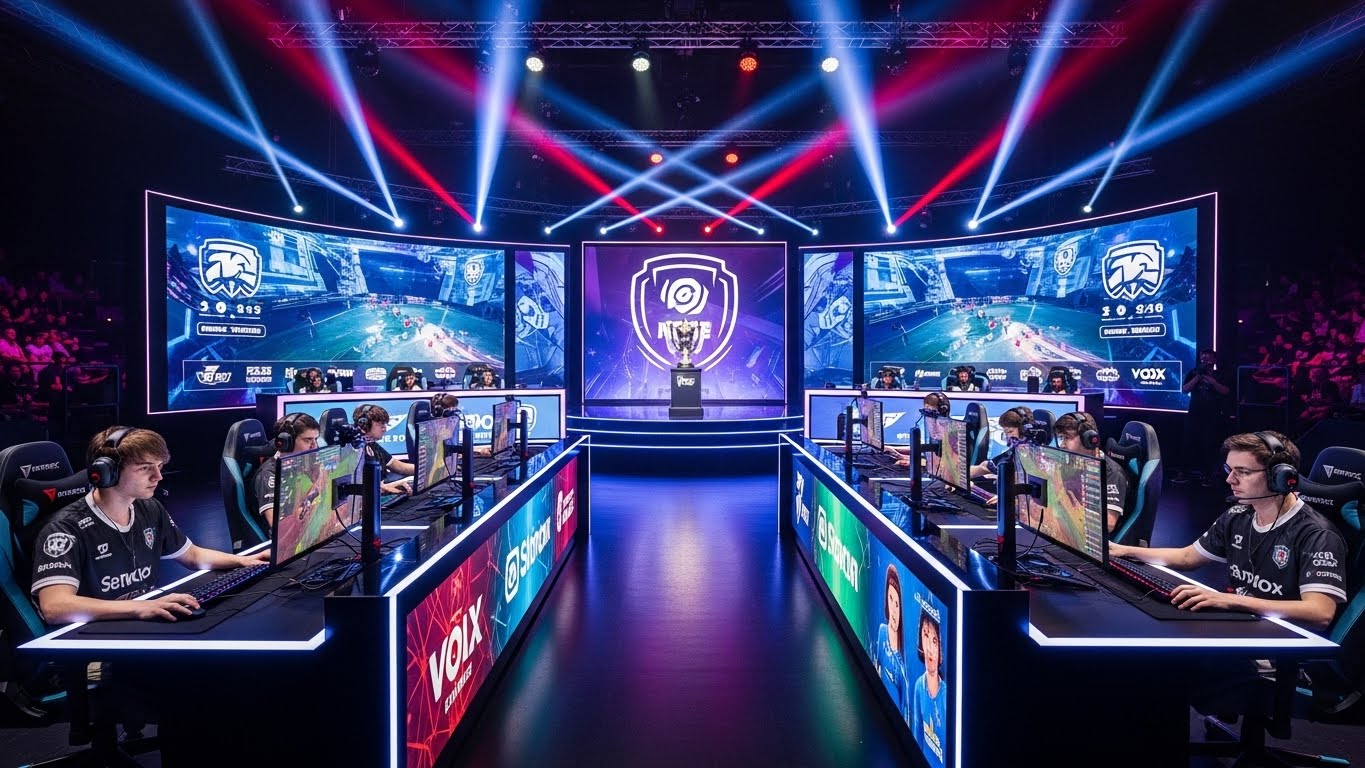
Esports, short for electronic sports, refers to organized competitive gaming where players or teams compete in video games at professional levels. Unlike casual gaming, esports emphasizes skill, strategy, and teamwork. Players dedicate hours to practice, analyzing opponents and refining techniques to gain a competitive edge.
Esports spans multiple genres, including first-person shooters, multiplayer online battle arenas, real-time strategy, fighting games, and sports simulations. Each genre demands unique skills, whether it’s rapid reflexes, tactical thinking, precise timing, or effective communication. This diversity makes esports accessible and appealing to a wide audience.
The Physical and Mental Demands of Esports
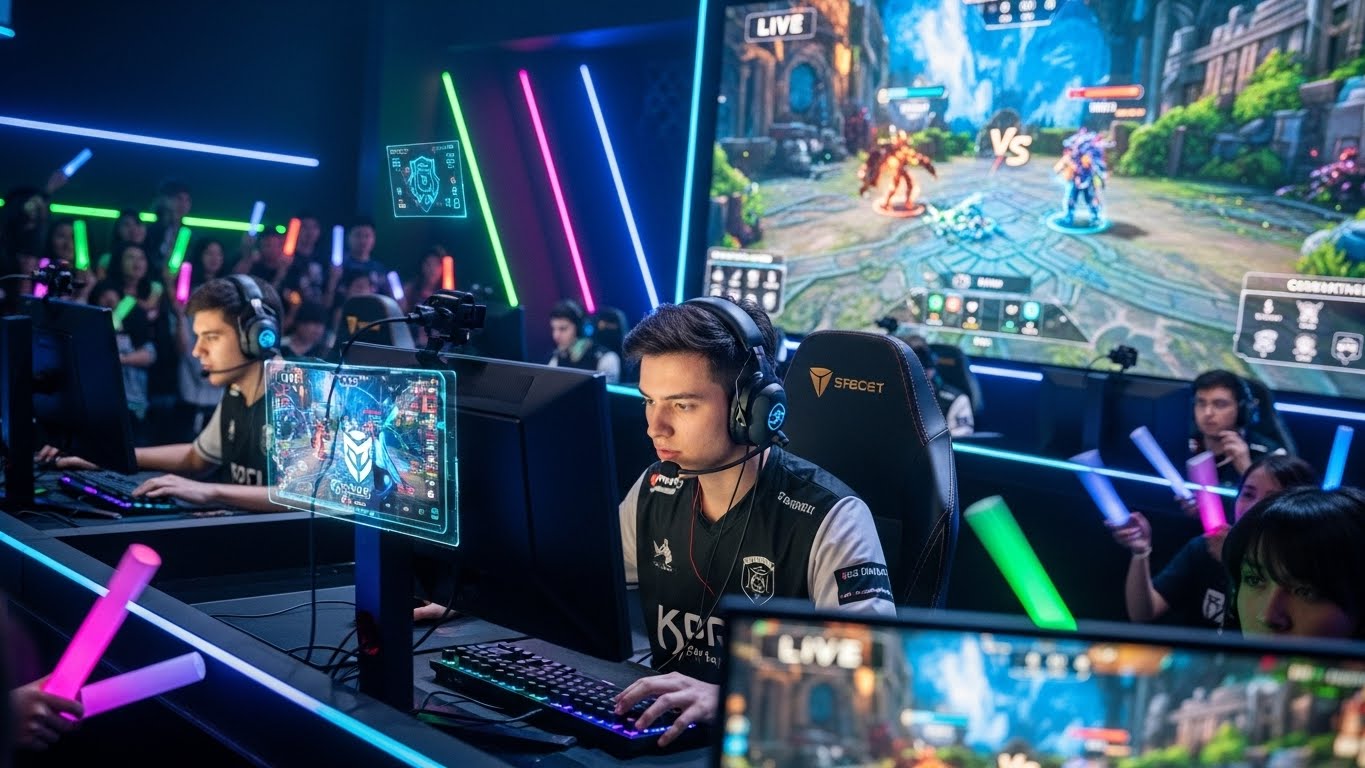
Contrary to popular belief, esports is physically and mentally demanding. Players must maintain quick reflexes, sharp hand-eye coordination, and exceptional focus. Matches can be intense, with high-pressure situations that require split-second decisions. A single miscalculation can determine the outcome of a game.
Mental resilience is equally critical. Professional players face rigorous schedules, long practice hours, and intense scrutiny from fans and sponsors. Stress management, concentration, and adaptability are key to maintaining performance. Physical well-being also matters, as long hours of gaming can lead to repetitive strain injuries, eye fatigue, and posture-related issues. Many teams now employ fitness and wellness programs to ensure players remain in peak condition.
Esports as a Career
Esports offers legitimate career opportunities beyond playing professionally. Top players earn income through tournament winnings, sponsorships, streaming, and content creation. Many professional players develop personal brands, attracting fans and endorsements in ways similar to traditional athletes.
The esports ecosystem also includes coaching, team management, event organization, game development, broadcasting, and marketing. As the industry grows, it provides a wide array of career paths for individuals passionate about gaming, technology, and entertainment. Esports is no longer just a hobby; it is a viable and rewarding profession.
The Cultural Impact of Esports
Esports has significantly influenced modern culture. It creates communities where people from diverse backgrounds connect through shared passion. Online platforms, live-streaming, and fan communities allow enthusiasts to interact, discuss strategies, and celebrate achievements together.
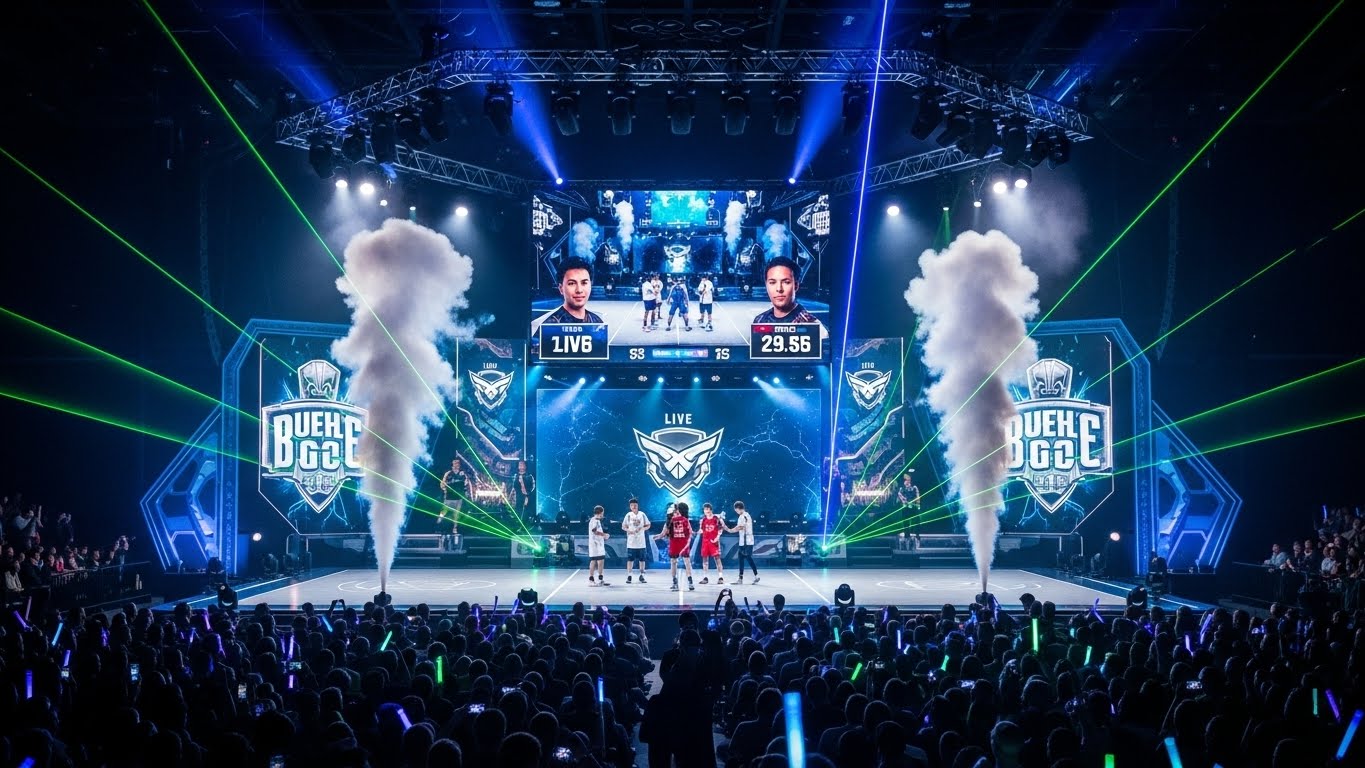
Esports has also blurred the line between traditional sports and gaming. Professional players become role models, and tournaments attract massive live and online audiences. Fan loyalty, rivalries, and the excitement surrounding major competitions mirror the culture of traditional sports, establishing esports as a legitimate and celebrated form of entertainment.
Economic Significance of Esports
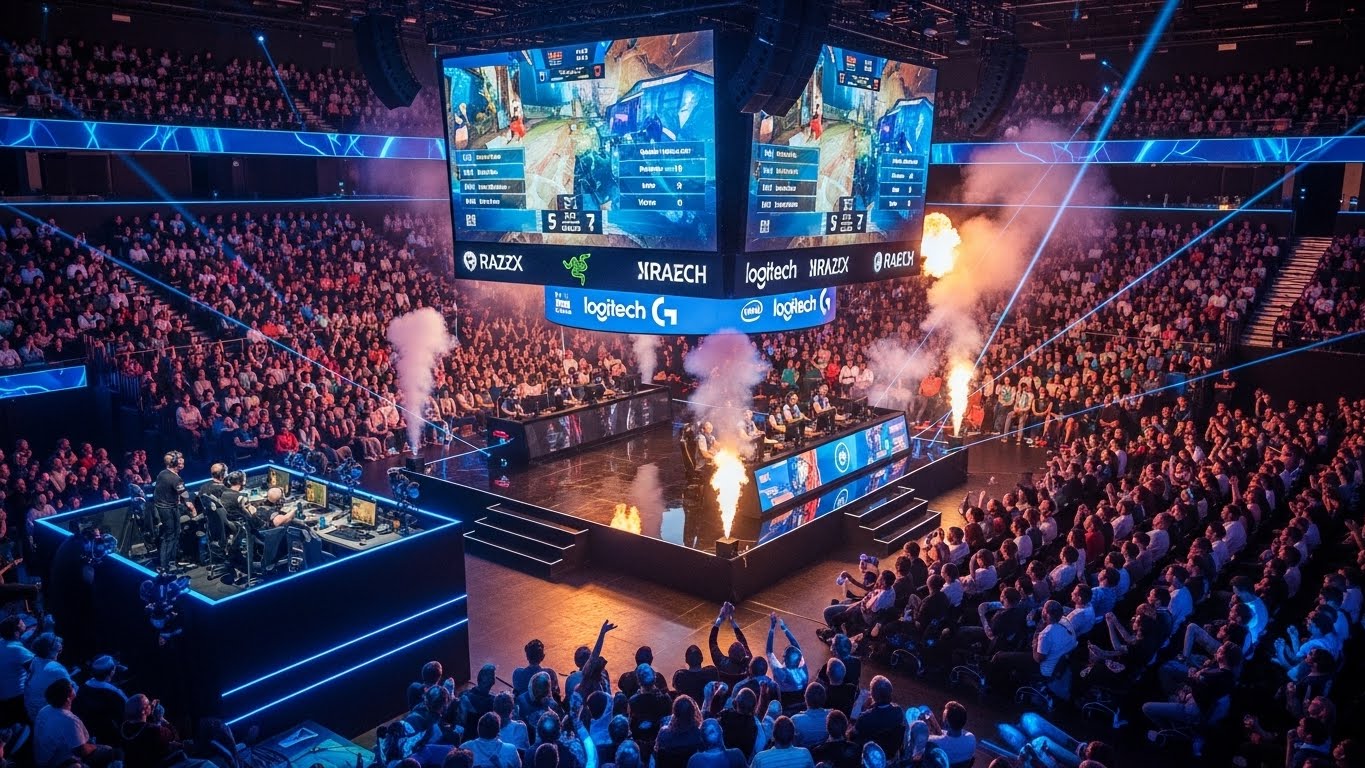
Esports is an economic powerhouse. Revenue is generated through tournament sponsorships, advertising, broadcasting rights, merchandise, and game sales. Major tournaments often feature multi-million-dollar prize pools, highlighting the financial potential of the industry.
Esports events also stimulate local economies, attracting tourism, media attention, and investment. The industry drives innovation in gaming hardware, software, and streaming technology. With its global reach and rapid growth, esports has established itself as a major economic driver with substantial influence on technology and entertainment markets.
Esports in Education
Educational institutions increasingly recognize the value of esports in teaching teamwork, strategic thinking, and leadership. Schools and universities are establishing esports programs, teams, and scholarships, treating competitive gaming as a serious extracurricular activity.
These programs offer students opportunities to develop critical skills such as problem-solving, communication, and time management. Esports in education also provides pathways to careers in technology, media, and entertainment. Beyond academics, esports encourages collaboration, discipline, and self-confidence, demonstrating its potential as a tool for personal growth.
Technology and Esports
Technology is the backbone of esports. High-performance gaming hardware, including monitors, processors, and peripherals, enables players to compete at professional levels. Streaming platforms allow fans worldwide to watch live tournaments, fostering engagement and community interaction.
Data analytics and artificial intelligence further enhance competitive play. Teams analyze performance metrics to identify strengths and weaknesses, creating strategies based on detailed insights. Emerging technologies, including virtual reality and augmented reality, promise to create even more immersive experiences, pushing the boundaries of what competitive gaming can offer.
The Role of Women in Esports
Historically, esports has been male-dominated, but women are increasingly gaining recognition. Female players, commentators, and content creators are breaking barriers, inspiring future generations. Organizations and communities are promoting inclusivity and diversity, creating opportunities for women to thrive in the industry.
Increased visibility of women in esports challenges stereotypes and fosters equality. Diverse perspectives enhance creativity, innovation, and collaboration, strengthening the entire ecosystem. Promoting gender inclusivity ensures esports continues to grow as a global and accessible community.
Esports and Social Responsibility
Esports has the potential to drive social change. Players, teams, and organizations use their platforms to raise awareness for important causes, including mental health, equality, and charitable initiatives. Community-driven esports programs for youth provide safe spaces, mentorship, and skill development opportunities, particularly in underprivileged areas.
By integrating competitive gaming with social initiatives, esports demonstrates its power to positively influence society. It encourages responsibility, teamwork, and leadership while providing a platform for advocacy and community support.
Challenges Facing Esports
Despite its growth, esports faces significant challenges. Player burnout, stress, and mental health concerns are common in high-pressure environments. Regulatory frameworks for fair play, anti-cheating measures, and standardized contracts are still developing.
Additionally, societal perception of esports as “just gaming” persists, limiting recognition and opportunities. Overcoming these challenges is essential to ensure sustainability, credibility, and long-term growth within the industry.
The Future of Esports
The future of esports is promising. Growing investment, technological advancement, and mainstream acceptance will drive further development. Esports will continue to innovate in gameplay, fan engagement, and education, solidifying its position as a major form of entertainment and competition.
As the industry matures, it is likely to achieve recognition comparable to traditional sports, with structured leagues, standardized regulations, and widespread media coverage. The combination of gaming, technology, and cultural relevance ensures esports will remain a central part of global entertainment for decades to come.
Conclusion: Esports as a Cultural and Competitive Revolution
Esports is more than a form of entertainment—it is a cultural and competitive revolution. It challenges traditional notions of sports, creates career opportunities, fosters global communities, and drives technological innovation. Through skill, strategy, and collaboration, esports engages millions of players and fans worldwide, creating a dynamic ecosystem built on passion and dedication.
Esports inspires new generations, breaks barriers, and redefines what it means to compete in the digital age. Whether as a player, fan, or observer, one cannot ignore the impact of esports on modern culture. It proves that competition, achievement, and community extend beyond physical arenas into the limitless possibilities of the digital world.