championtribe73
Esports, or electronic sports, has rapidly transformed from a niche hobby to a global entertainment powerhouse. What started as casual competitions among gamers has now evolved into a multi-billion-dollar industry, attracting millions of fans worldwide. In just a few short years, esports has become one of the most popular forms of entertainment, comparable to traditional sports in terms of viewership, sponsorship, and media coverage. This blog post will explore how esports has grown, the factors behind its rise, and what the future holds for competitive gaming.
The Evolution of Esports: From Amateur Competitions to Global Spectacles
The roots of esports trace back to the early 1990s when video games began incorporating competitive elements. Initially, these competitions were small, localized events where gamers would challenge each other in games like “Street Fighter” and “Quake.” These early tournaments were often held in arcades or through local area networks (LANs), where gamers could come together to play against one another.
In the late 1990s and early 2000s, esports began to take on a more organized structure, with the establishment of professional leagues and tournaments. Games such as “StarCraft” and “Counter-Strike” became staples of competitive gaming, and players started to form teams to compete for prize money. These competitions were streamed online, and platforms like Twitch, which launched in 2011, allowed gamers to broadcast their matches to audiences across the world. With the rise of streaming services, esports grew exponentially in terms of viewership, sponsorships, and media coverage.
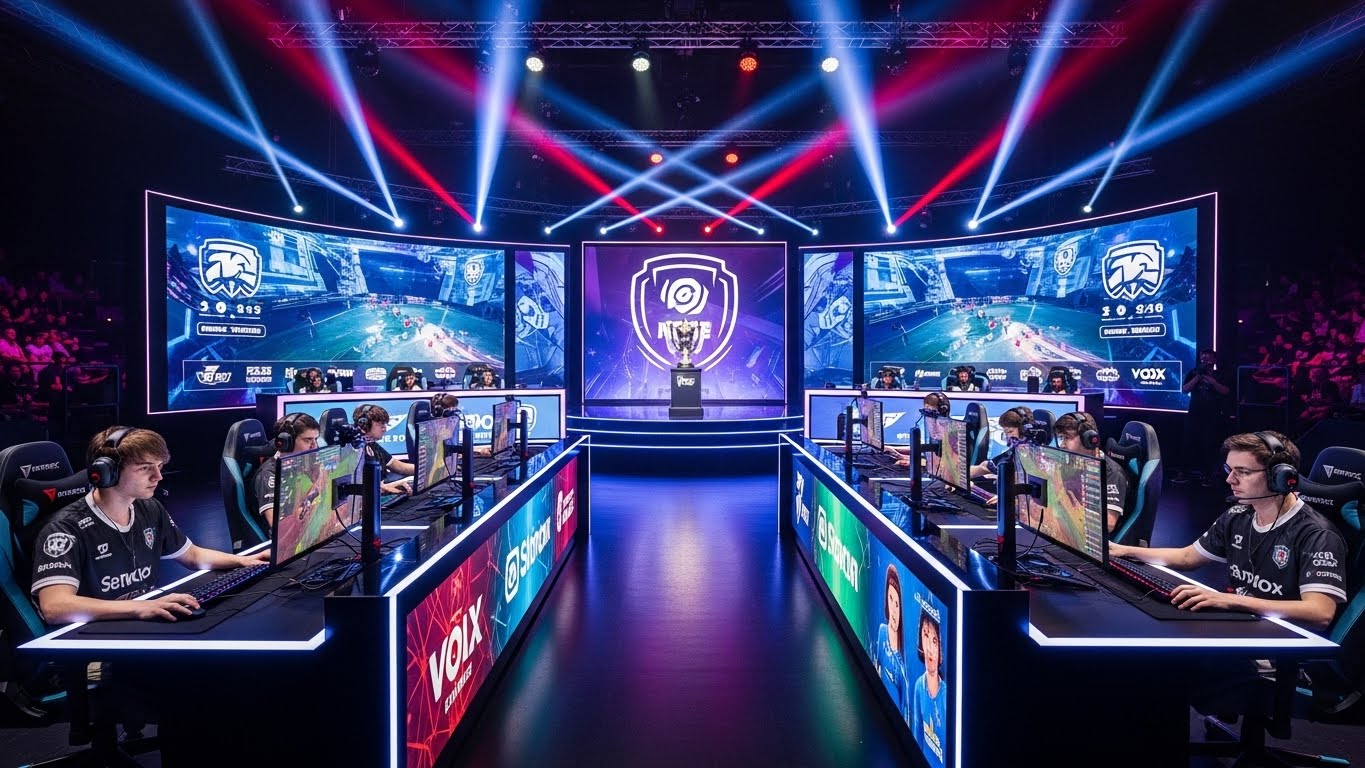
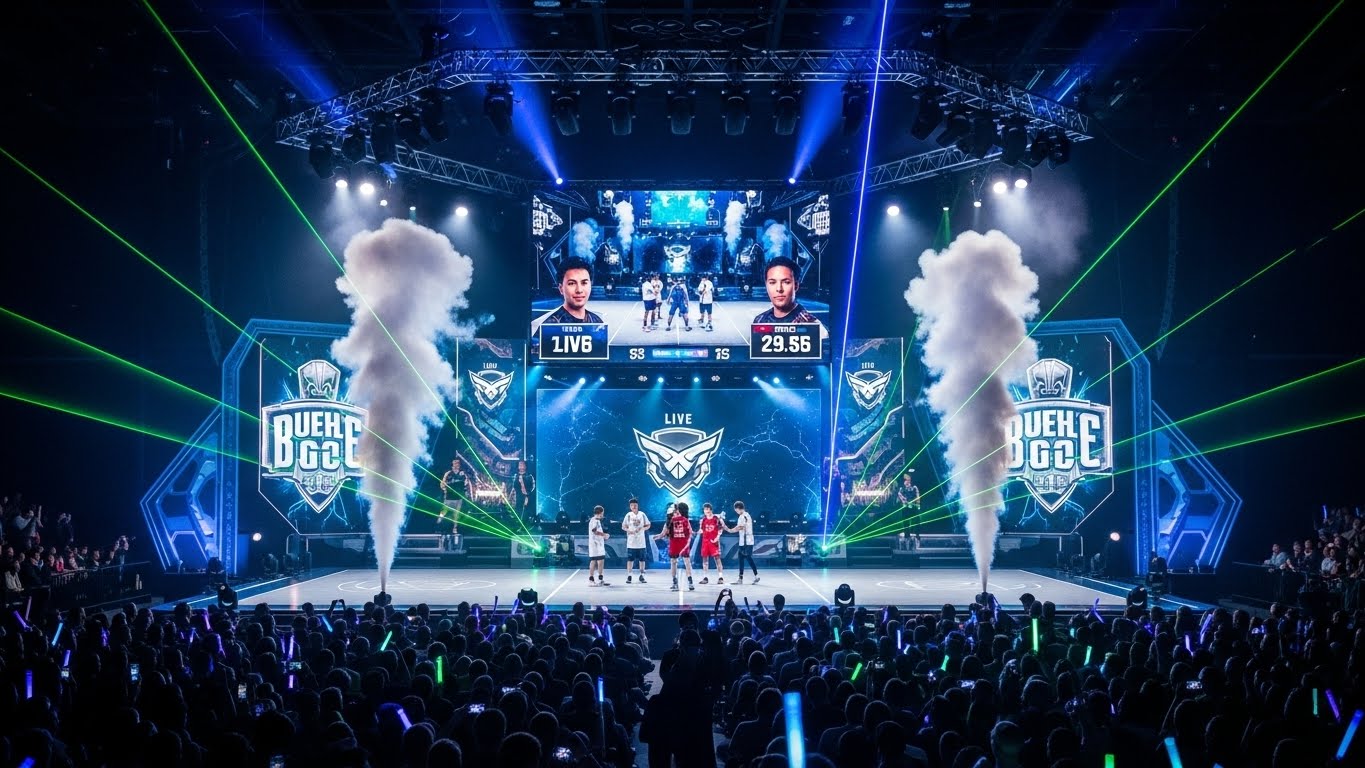
Today, esports has a dedicated global following, with tournaments attracting millions of viewers and players competing for multi-million-dollar prize pools. Esports events like the League of Legends World Championship and The International for Dota 2 have garnered attention comparable to traditional sports events like the Super Bowl and the FIFA World Cup. The transformation from small, local competitions to massive, international spectacles is a testament to the incredible growth and popularity of esports.
The Key Drivers Behind the Growth of Esports
Several factors have contributed to the rapid rise of esports, and its increasing popularity can be attributed to a combination of technological advancements, cultural shifts, and the changing nature of entertainment.
1. Advancements in Technology and Streaming Platforms
The technological advancements of the last decade have played a pivotal role in the growth of esports. The advent of high-speed internet, faster gaming hardware, and cloud gaming services has made it easier than ever for players to participate in global competitions. High-definition video streaming has enabled fans to watch esports events in real-time from anywhere in the world, further fueling the growth of the industry.
Streaming platforms like Twitch, YouTube Gaming, and Facebook Gaming have become the primary sources for watching esports tournaments, and they have helped cultivate a new generation of esports enthusiasts. Gamers can now watch professional players in action, learn new strategies, and interact with their favorite streamers, all while building a sense of community around the games they love.
2. The Rise of Professional Esports Leagues and Teams
Just like traditional sports, esports has seen the rise of professional leagues, teams, and organizations. Major gaming titles such as League of Legends, Dota 2, and Overwatch have developed dedicated professional leagues with structured seasons, playoffs, and championships. These leagues attract top-tier players who compete for not only prize money but also sponsorships, salaries, and global recognition.
Esports teams, much like sports franchises, have become household names. Organizations like Cloud9, Team Liquid, and Fnatic have built strong fanbases and have attracted investments from major companies. Many of these organizations have also expanded their reach beyond gaming by signing sponsorships with brands in a variety of industries, including technology, fashion, and lifestyle. The professionalization of esports has made it a viable career option for skilled players, streamers, and coaches, further legitimizing the industry.
3. The Cultural Appeal of Esports
Esports has garnered a massive following due to its cultural appeal, particularly among younger generations. Gaming has evolved into a form of social interaction and a way for people to connect with others who share their passion for competitive gaming. Esports events are more than just games; they are social experiences that unite fans across the globe.
Streaming platforms have played a significant role in making esports more interactive. Viewers are not just passive spectators but active participants in the community. Fans can chat with players during streams, share memes, and discuss game strategies with other viewers. This level of engagement has helped build a sense of community within the esports ecosystem, with fans forming strong bonds over shared experiences and love for particular games or players.
The Esports Ecosystem: Players, Teams, Sponsors, and Fans
Esports is a multifaceted industry that involves players, teams, tournament organizers, sponsors, and fans. Each component plays a crucial role in keeping the ecosystem thriving.
1. Players: The Stars of the Show
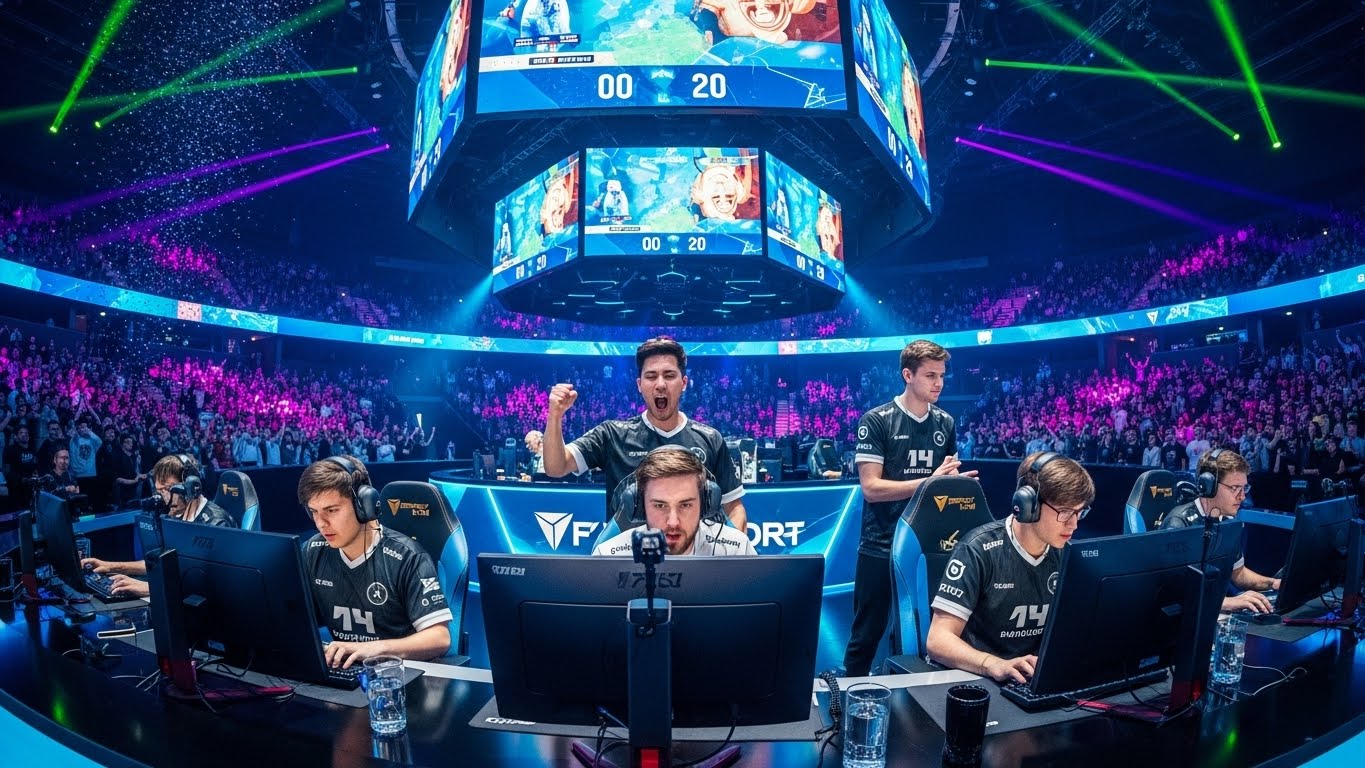
At the core of esports are the players—the skilled individuals who dedicate hours each day to perfecting their craft. Esports players are not just gamers; they are athletes in their own right. Professional players practice for several hours each day, honing their skills and learning new strategies to stay competitive. These players are constantly analyzing data, studying their opponents, and improving their reaction times to ensure they perform at the highest level.
In addition to playing, esports athletes often engage with fans on social media and streaming platforms. Many top-tier players have become celebrities in their own right, with massive social media followings and endorsement deals with major brands.
2. Esports Teams and Organizations
Esports teams are the backbone of the industry, providing a platform for players to come together, practice, and compete. These organizations recruit top players, offer training facilities, and provide coaching to help teams succeed in their respective games. Like traditional sports teams, esports organizations have sponsors, managers, and support staff who ensure that everything runs smoothly during a tournament season.
Esports teams compete in a variety of games, and many organizations operate across multiple titles. Teams like Cloud9, T1, and G2 Esports have achieved global recognition and established themselves as powerhouses in the esports community. These teams are not only focused on competition but also brand building, creating a unique identity that resonates with fans.
3. Sponsors and Brands
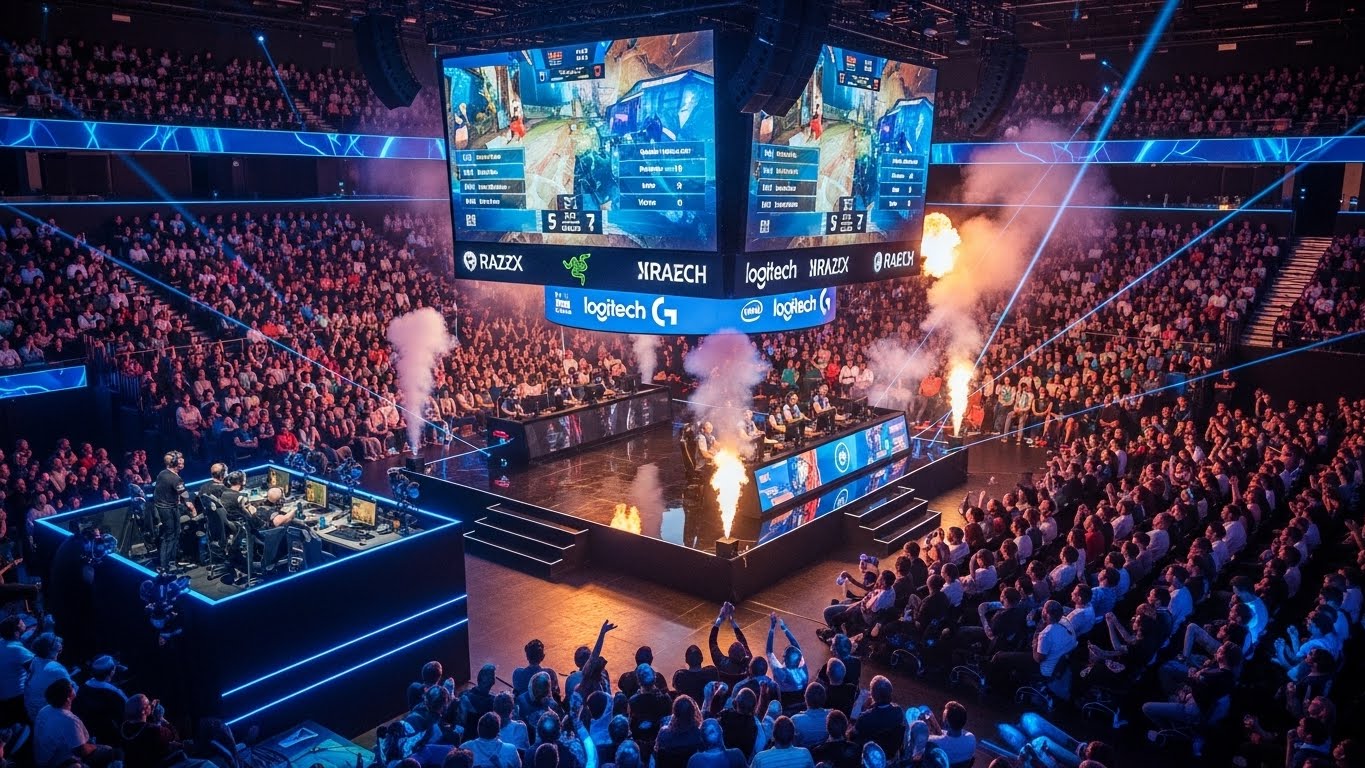
The commercial side of esports is just as important as the competition itself. Sponsorships and brand partnerships have been a major driving force behind the industry’s growth. Esports attracts sponsorships from both traditional companies and gaming-related brands, including tech giants like Intel, Nvidia, and AMD. These companies provide funding, equipment, and promotion to help elevate the esports scene.
In addition to gaming-specific brands, esports has attracted interest from major multinational companies across various sectors. Brands like Coca-Cola, Nike, and Red Bull have partnered with esports teams and tournaments, providing financial backing and increasing the overall visibility of the industry.
4. The Fans: Building a Global Community
Fans are the lifeblood of esports. Without them, the industry would not be what it is today. Esports fans are deeply passionate about their favorite teams and players, and they often form tight-knit communities around specific games. The advent of social media and streaming platforms has allowed fans to connect with one another and with the players themselves.
Fans show their support by watching streams, attending live events, purchasing merchandise, and engaging in online discussions. Esports events, both online and in-person, are massive gatherings of fans who share a collective enthusiasm for competitive gaming. Whether it’s cheering on a favorite team at a live tournament or participating in online chatrooms during a stream, esports fans are highly engaged and committed to the culture.
The Future of Esports: Where Is It Heading?
As esports continues to grow, the future looks incredibly promising. Several factors will influence the direction of the industry in the coming years.
1. The Integration of New Technologies
The continued development of new technologies will play a significant role in shaping the future of esports. Virtual reality (VR) and augmented reality (AR) could open up entirely new forms of competitive gaming, offering players and fans a more immersive experience. Cloud gaming services, which allow players to access games from anywhere without needing high-end hardware, could democratize access to competitive gaming, making it easier for people around the world to participate in esports.
2. Esports in the Mainstream Media
Esports is on the verge of becoming even more mainstream. With increasing media coverage, major broadcasting companies are beginning to recognize the potential of esports as a legitimate form of entertainment. Esports tournaments are now being broadcast on television networks, and major sports networks are starting to cover esports events regularly. As the industry continues to mature, it’s only a matter of time before esports will be considered as mainstream as traditional sports.
3. Increased Investment and Professionalization
As esports continues to grow, the influx of investment will only accelerate. Esports organizations, players, and tournaments will continue to become more professionalized, with increased focus on player welfare, salary negotiations, and career longevity. More funding from investors and sponsors will help esports reach new heights, creating a sustainable ecosystem that can support players and organizations for years to come.
Conclusion: A New Era of Competitive Entertainment
Esports has come a long way since its humble beginnings, and its rapid growth shows no signs of slowing down. As a multi-billion-dollar industry, esports is now a global force that rivals traditional sports in terms of popularity, viewership, and commercial value. With the continued advancement of technology, the rise of new games, and the growing engagement of fans and sponsors, esports is poised to reshape the future of entertainment and competition.