championtribe73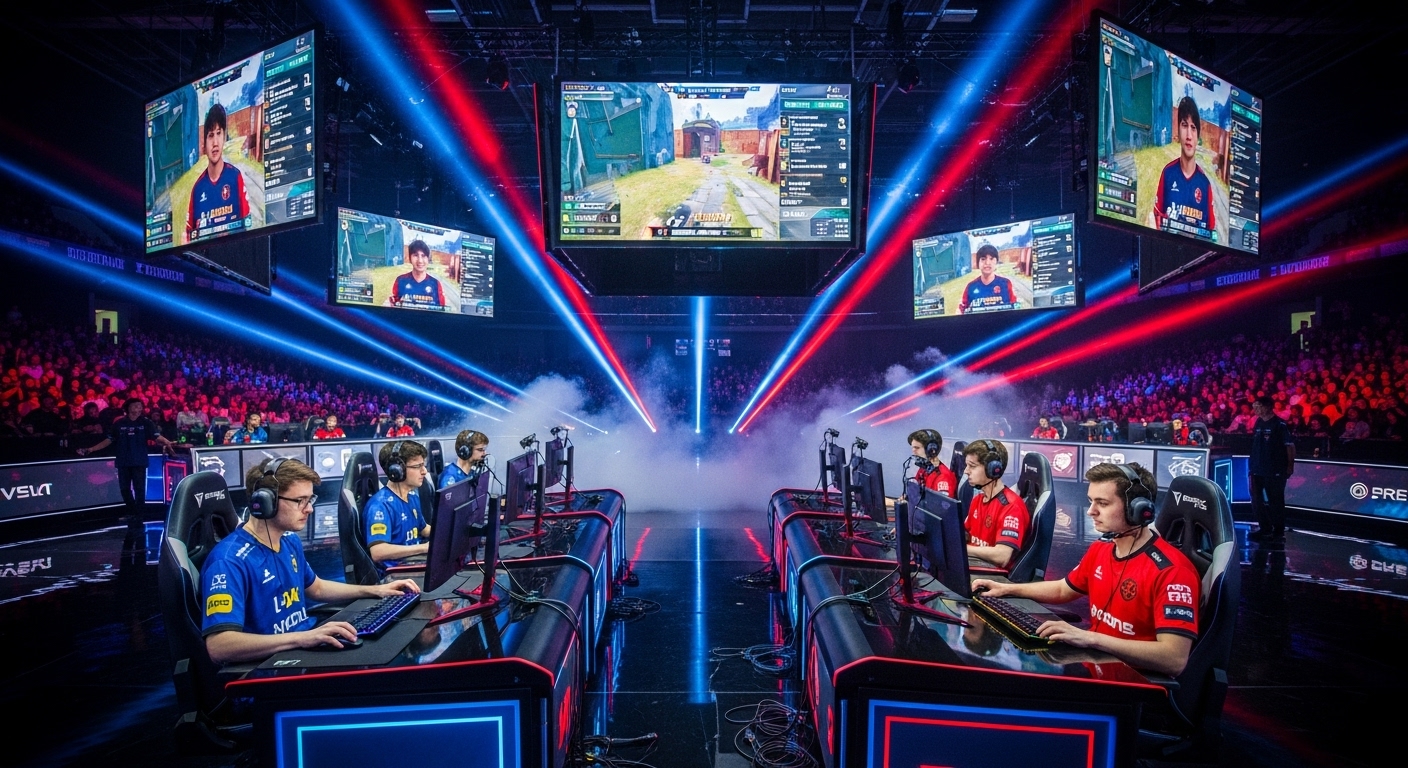
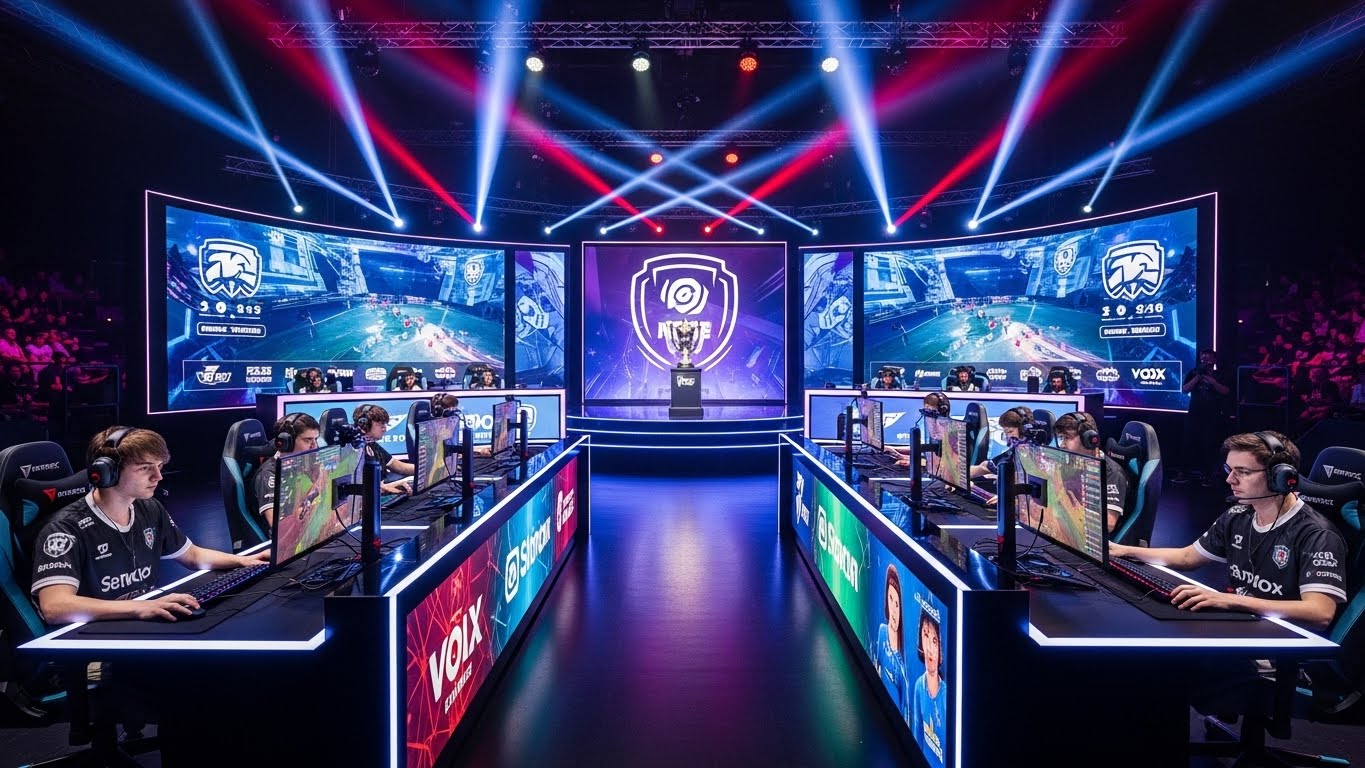
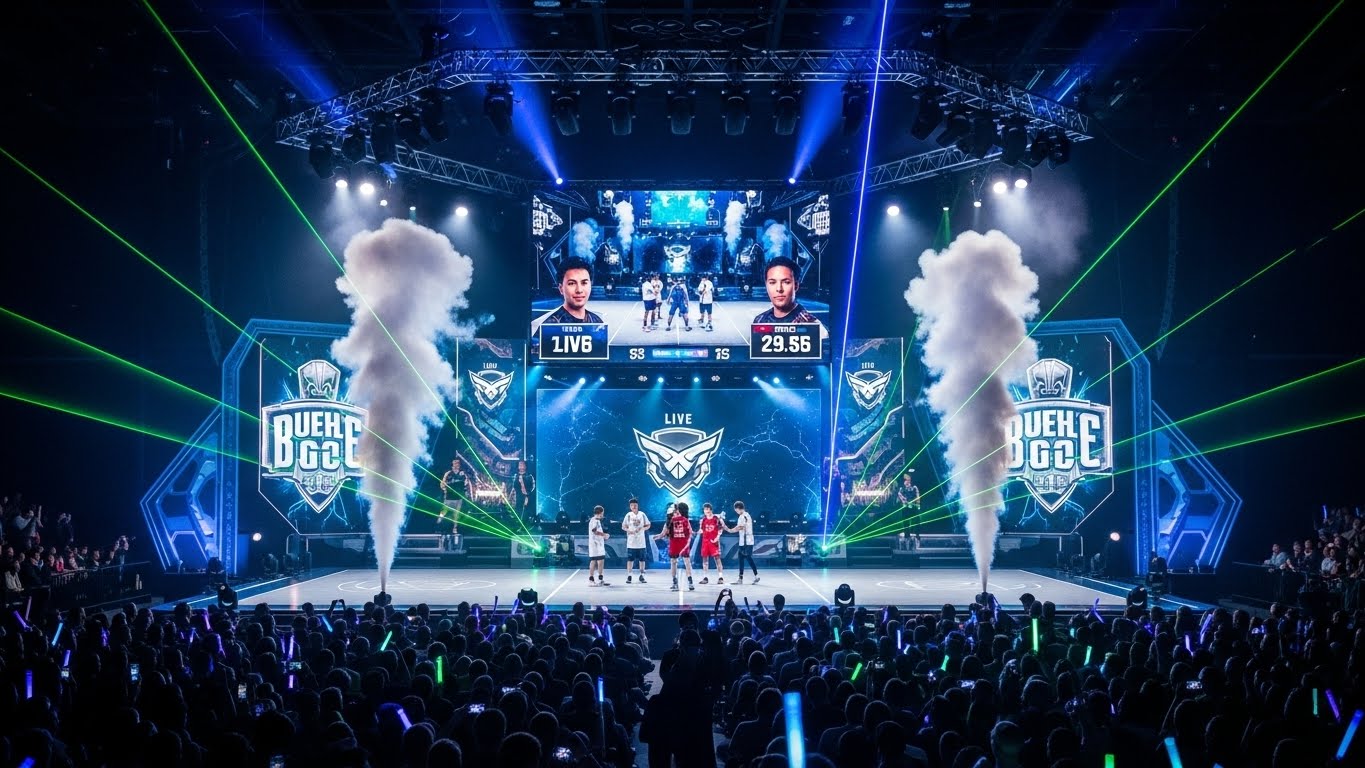
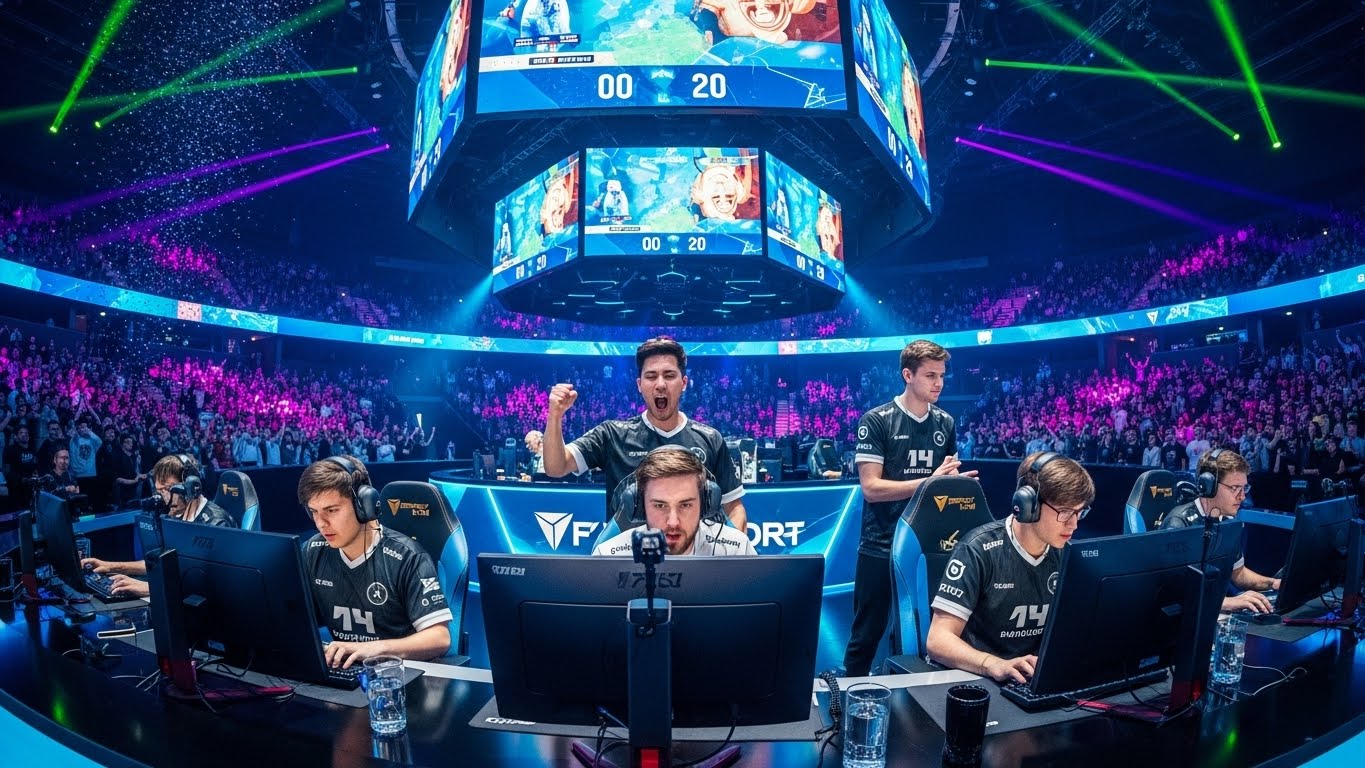
In recent years, esports has transformed from a niche subculture into one of the most lucrative and rapidly growing sectors of the global entertainment industry. From casual players to professional gamers, esports has captured the attention of millions around the world. What was once a pastime enjoyed by a small community of gamers has now become a global phenomenon, with tournaments that fill arenas, million-dollar prize pools, and sponsorship deals from major corporations. Esports is more than just competitive gaming—it’s a cultural revolution that is reshaping how we view entertainment, competition, and even career opportunities.
This blog post will explore the evolution of esports, the factors driving its rise, the role of streaming platforms, the professionalization of gaming, and what the future holds for the industry.
The Beginnings of Esports: From Hobby to Competition
Esports may seem like a modern invention, but its origins trace back to the earliest days of video gaming. In the 1970s, as arcade games began to emerge, players started to compete with one another for high scores. One of the first competitive gaming events took place in 1972 at Stanford University with a tournament for Spacewar!, a pioneering game of the time. Although small in scale, this event marked the birth of competitive gaming.
As the video game industry continued to grow, multiplayer games such as Quake and StarCraft brought the concept of esports into the spotlight during the late 1990s and early 2000s. The advent of online gaming allowed players to connect across distances, forming communities that competed for bragging rights, prizes, and fame. It was during this period that the first major competitive leagues, like Major League Gaming (MLG), began to take shape, hosting tournaments with more structured competition and larger audiences.
However, it wasn’t until the mid-2000s, with the widespread use of broadband internet, that esports truly began to evolve into a global phenomenon.
The Role of Streaming: A Game-Changer for Esports
One of the biggest factors in esports’ explosive growth has been the rise of online streaming platforms, with Twitch being the most prominent. Launched in 2011, Twitch allowed players to stream their gameplay live to a global audience, providing an easy and accessible way for fans to watch tournaments and competitions. This democratization of gaming content transformed the way people experienced esports, allowing fans from all over the world to tune in to live events, engage with players and teams, and even become a part of the conversation through interactive features like live chats.
As the popularity of Twitch grew, so did the interest in professional gaming. Tournaments and leagues, which had once been confined to niche online communities, began to attract massive audiences. This marked the shift from esports being a specialized activity to becoming mainstream entertainment. Viewers, both casual and hardcore, could follow their favorite teams, watch players compete in real-time, and even learn about new strategies and techniques.
The streaming boom didn’t stop at competitive events. It gave rise to individual content creators—gamers who made a living by streaming their gameplay, reviewing new titles, or even creating gaming-related content like tutorials and walkthroughs. This allowed esports athletes to build personal brands, gain sponsorships, and interact directly with their fans.
The Professionalization of Esports: Turning Gaming into a Career
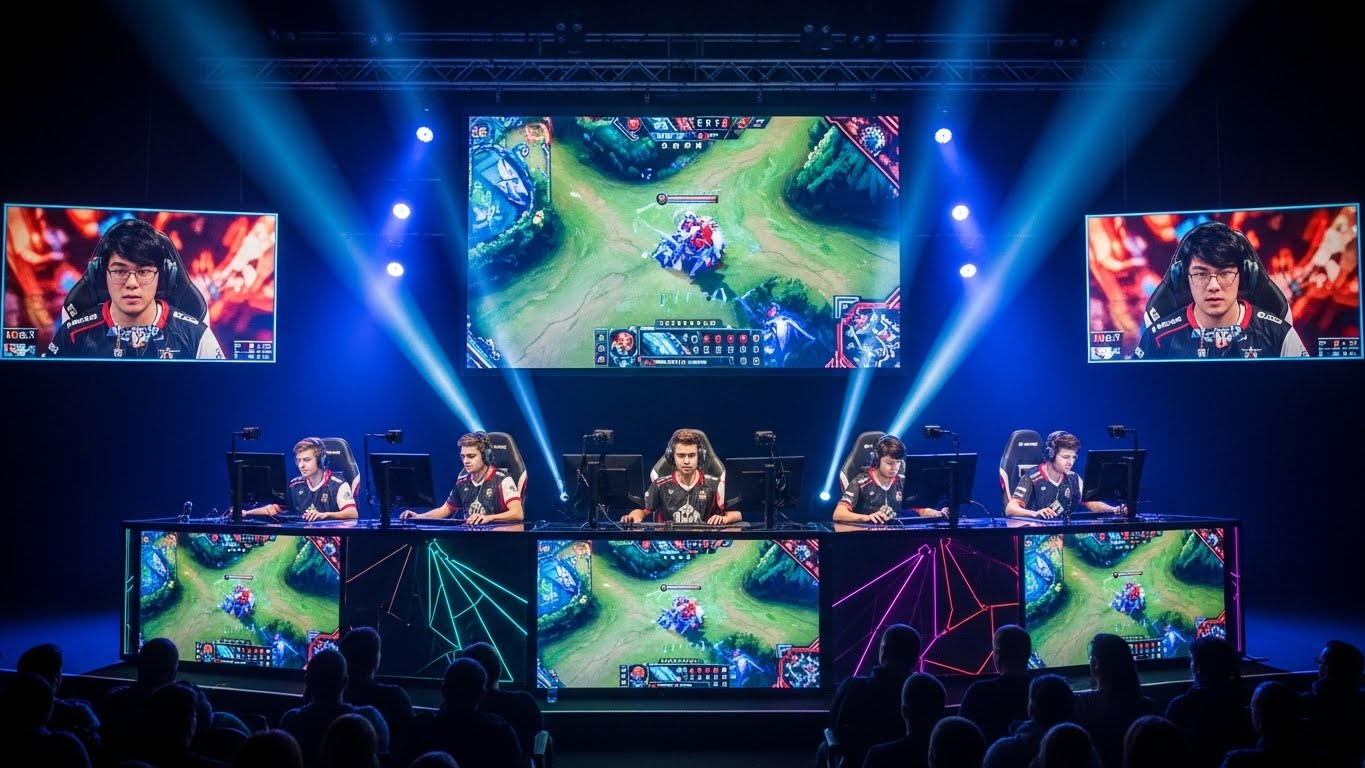
As esports began to draw more attention and investment, the structure of the industry evolved rapidly. Professional gaming tournaments became more organized, with established leagues, set seasons, and global rankings. Games like League of Legends, Dota 2, Overwatch, and Counter-Strike: Global Offensive became the primary pillars of competitive gaming, each fostering its own ecosystem of teams, players, and events.
One of the key milestones in this professionalization was the introduction of large-scale tournaments that offered substantial prize pools. The Dota 2 International, for example, became famous for offering prize money in the tens of millions of dollars. This not only helped attract top-tier players but also gave esports athletes the financial backing they needed to pursue gaming as a full-time career.
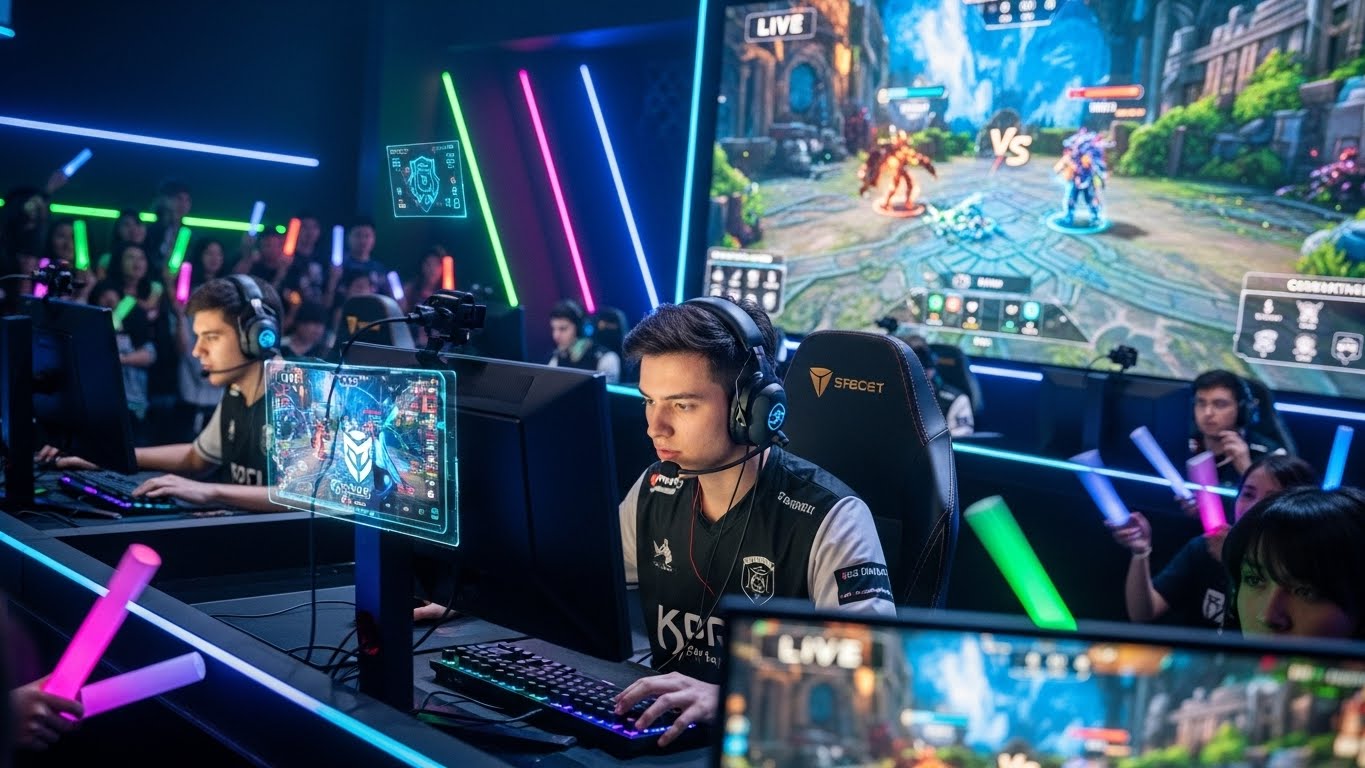
Esports organizations emerged to manage teams, coaches, analysts, and support staff, mirroring the structure of traditional sports teams. Players, who once competed solo, now had access to professional coaching and training regimens. Just like athletes in traditional sports, professional esports players follow strict schedules, training for hours each day, strategizing with their teams, and preparing for major tournaments. Many esports organizations also handle sponsorships, merchandise sales, and content production, providing players with a stable career path.
While it may seem like a dream job for many, being a professional esports player is no easy feat. The pressure to perform at the highest level is intense, and many players experience the same kind of burnout or injury risks faced by athletes in traditional sports. Esports has even begun to recognize the importance of mental health support, with organizations now offering counseling, stress management programs, and other resources to help players cope with the pressures of professional gaming.
Esports and Sponsorships: The Lucrative Business of Gaming
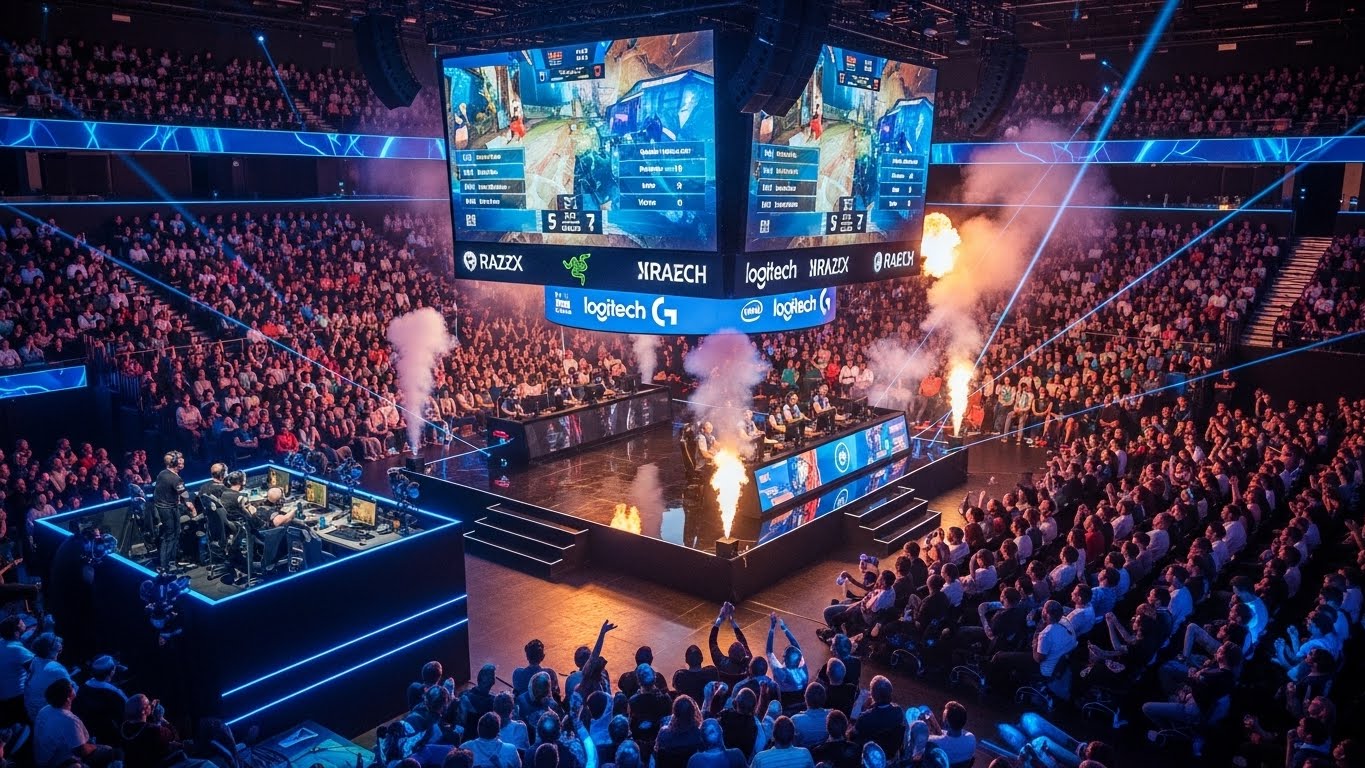
As the esports industry matured, it attracted the attention of major brands and corporations. From tech giants like Intel and Nvidia to global consumer brands like Coca-Cola and Red Bull, the sponsorship opportunities in esports have been vast. Brands have recognized the value of reaching the passionate, young, and tech-savvy esports audience. Sponsorships help fund esports tournaments, teams, and individual players, while also offering brands an opportunity to market their products to an engaged fanbase.
In addition to traditional sponsorships, esports has also seen the rise of merchandise and licensing deals. Teams and players now sell branded clothing, accessories, and gaming peripherals. Popular teams like Team Liquid, Cloud9, and Fnatic have their own merchandise lines, allowing fans to support their favorite teams while generating revenue for the organizations.
Another major development in the esports business model is the growing involvement of media companies. Streaming platforms like YouTube and Facebook Gaming, as well as traditional sports networks, have begun broadcasting esports events to a wider audience. This media exposure has helped solidify esports as a legitimate form of entertainment on par with traditional sports. Esports events, once held in small arenas or online, now fill massive stadiums, and major media outlets cover esports tournaments with the same enthusiasm as they do football or basketball games.
The Global Impact of Esports: Bridging Cultures and Communities
One of the most powerful aspects of esports is its ability to bring together people from different cultures and backgrounds. Unlike traditional sports, where geographical location and physical ability play a large role, esports allows players to compete with others from around the world, all on a level playing field. This global appeal has led to the creation of international tournaments and leagues that attract top players from every corner of the globe.
The League of Legends World Championship, for example, regularly features teams from Europe, North America, South Korea, China, and other regions. These international competitions have not only sparked fierce rivalries but have also fostered cross-cultural exchange. Players and fans interact across language barriers, creating a global community bound together by a shared passion for gaming.
Esports also offers a unique platform for social interaction. Through streaming platforms like Twitch, players and fans can engage in real-time conversations, share tips, or simply enjoy watching a game together. Social media has amplified this sense of community, with dedicated fan groups and online forums providing a space for people to connect over their shared interests.
The Future of Esports: What Lies Ahead?
As esports continues to evolve, the future of the industry looks incredibly promising. New technologies and innovations are expected to play a huge role in shaping the next generation of competitive gaming.
One of the most exciting developments on the horizon is the integration of virtual reality (VR) and augmented reality (AR) into esports. These technologies could revolutionize the way esports are played, offering a more immersive and interactive experience for both players and spectators. Imagine watching a VR-powered tournament where you, the viewer, can experience the match from the perspective of the player, or even join in on the action.
Another area where esports is likely to expand is in education. Many schools and universities around the world have already begun offering scholarships for esports players, and specialized esports programs are emerging at institutions of higher learning. These programs focus not only on gameplay but also on teaching students about the business, marketing, and technical aspects of esports.
Finally, the rise of 5G networks will further enhance the accessibility and speed of esports, allowing players to compete in high-performance tournaments from virtually anywhere in the world. The introduction of 5G could reduce latency issues and improve the quality of streaming, making esports more engaging for fans and offering players a smoother competitive experience.
Conclusion: Esports Is Here to Stay
Esports has come a long way since its humble beginnings in the 1970s. Today, it stands as one of the most exciting and rapidly growing sectors in the global entertainment industry. With millions of fans, players, sponsors, and media outlets involved, esports is no longer just a trend—it’s a permanent fixture in the world of entertainment.
As technology advances, esports will continue to innovate, pushing the boundaries of what’s possible in competitive gaming. With a growing global audience, new career opportunities, and increasing investments from brands and media companies, the future of esports is bright. Whether you’re a casual gamer, a professional player, or simply a fan of the action, it’s clear that esports has found its place as a major force in the entertainment world—and it’s only just getting started.