championtribe73
Introduction: A New Era of Competitive Gaming
Over the past decade, esports has emerged as one of the most influential and fast-growing sectors in global entertainment. What was once considered a niche hobby for gamers has now evolved into a mainstream industry, attracting millions of fans, professional players, major investors, and corporate sponsors. Esports isn’t just about gaming anymore; it’s a global spectacle that blends technology, strategy, and entertainment into one high-energy experience.
In this blog post, we’ll dive deep into the world of esports, exploring how it has transformed into a multi-billion-dollar industry, what drives its growing popularity, and what the future holds for this electrifying new form of competition.
What Exactly is Esports?
Esports, short for electronic sports, refers to competitive video gaming at a professional level. While gaming has always been a popular form of entertainment, esports elevates the experience by organizing tournaments, leagues, and events where players—either individually or in teams—compete against each other for significant prizes, sponsorships, and global recognition.
The games played in esports competitions span a variety of genres, from real-time strategy games (like StarCraft and Warcraft), first-person shooters (such as Counter-Strike and Overwatch), to multiplayer online battle arenas (MOBAs) like League of Legends and Dota 2. Regardless of the game type, esports requires high-level skills, strategy, and teamwork, making it more than just casual play—it’s a professional sport where players hone their craft through rigorous training and practice.
The Explosive Growth of Esports
Esports’ rapid growth can be attributed to several key factors, starting with the advancement of technology. As internet speeds improved, online multiplayer gaming became more seamless and accessible, enabling players from around the world to compete in real-time. The rise of high-quality game titles with competitive modes, such as League of Legends (2009) and Dota 2 (2013), helped solidify esports as a legitimate form of entertainment.
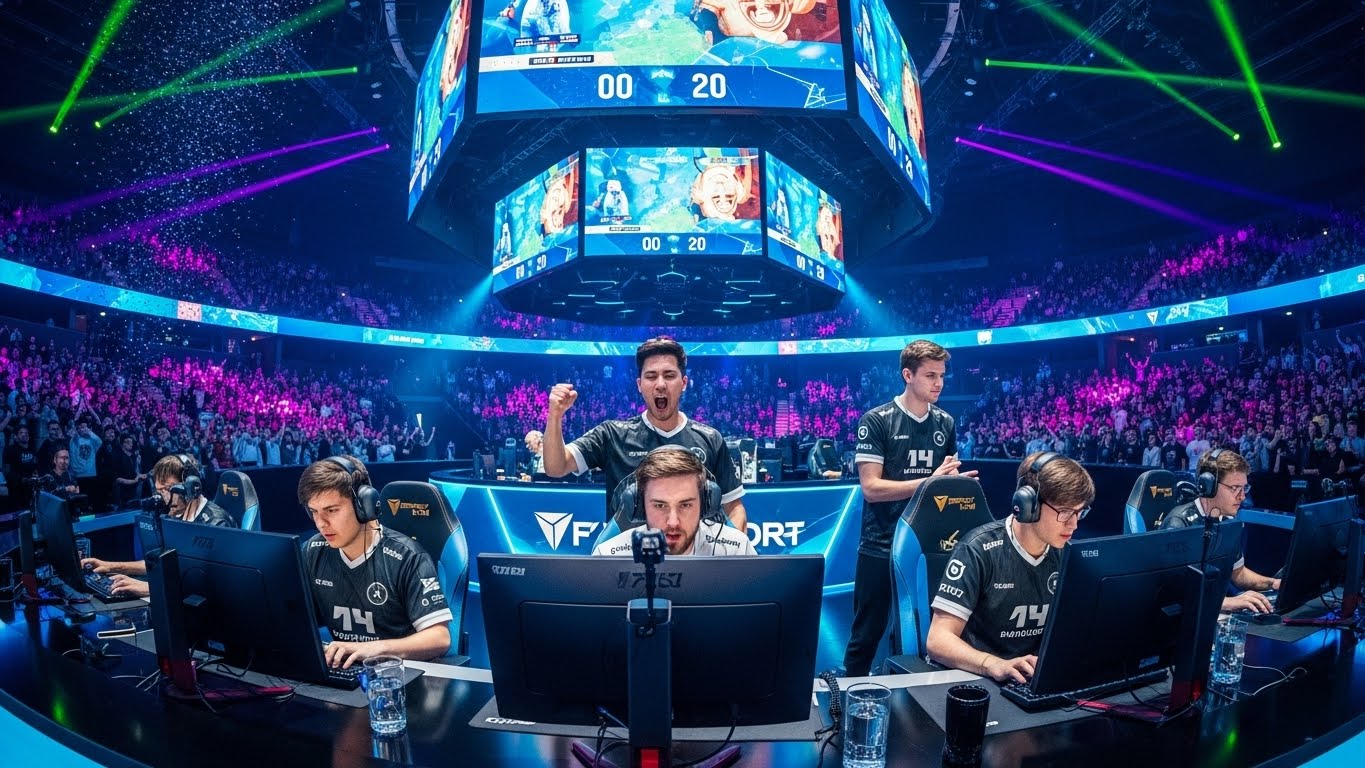
One of the defining moments in the rise of esports came with the League of Legends World Championship. This event, often referred to as the “Super Bowl” of esports, regularly attracts millions of viewers and offers multi-million-dollar prize pools, making it one of the most-watched events in the world.
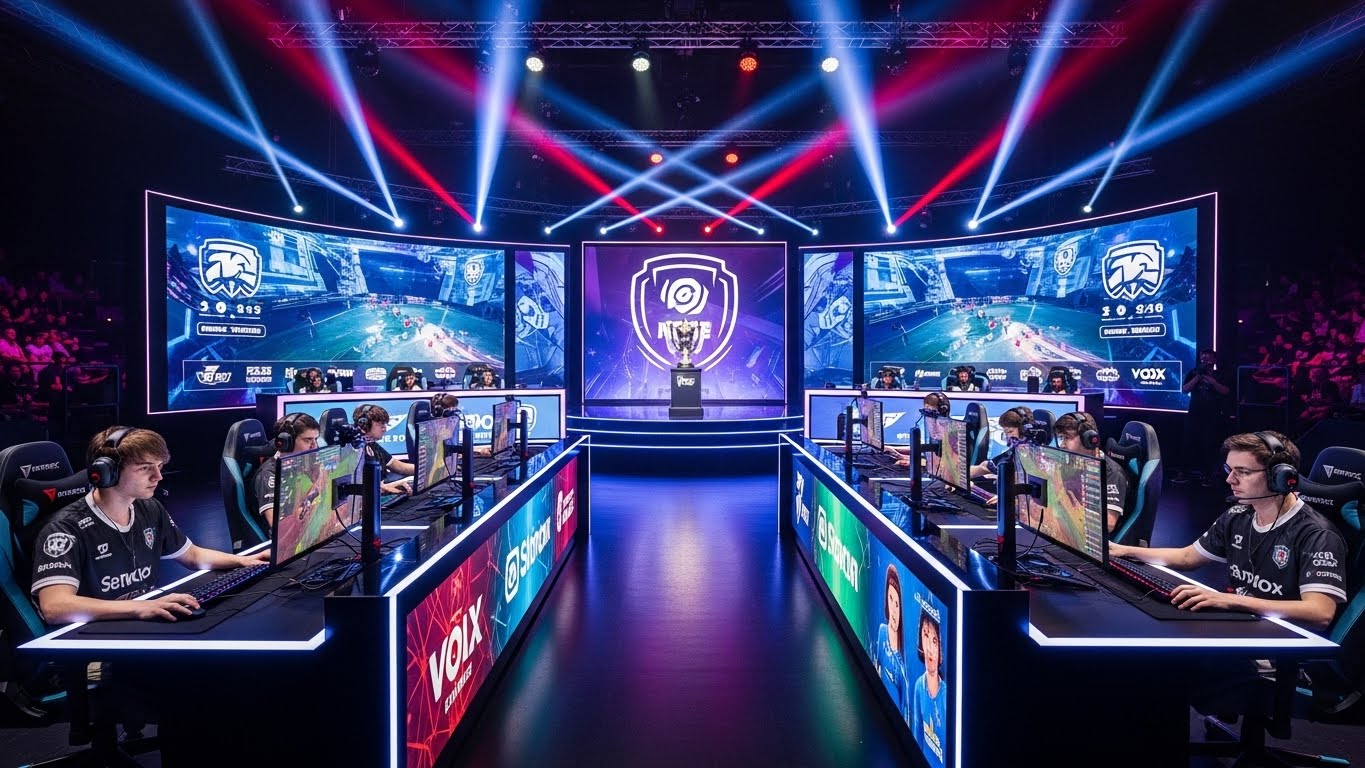
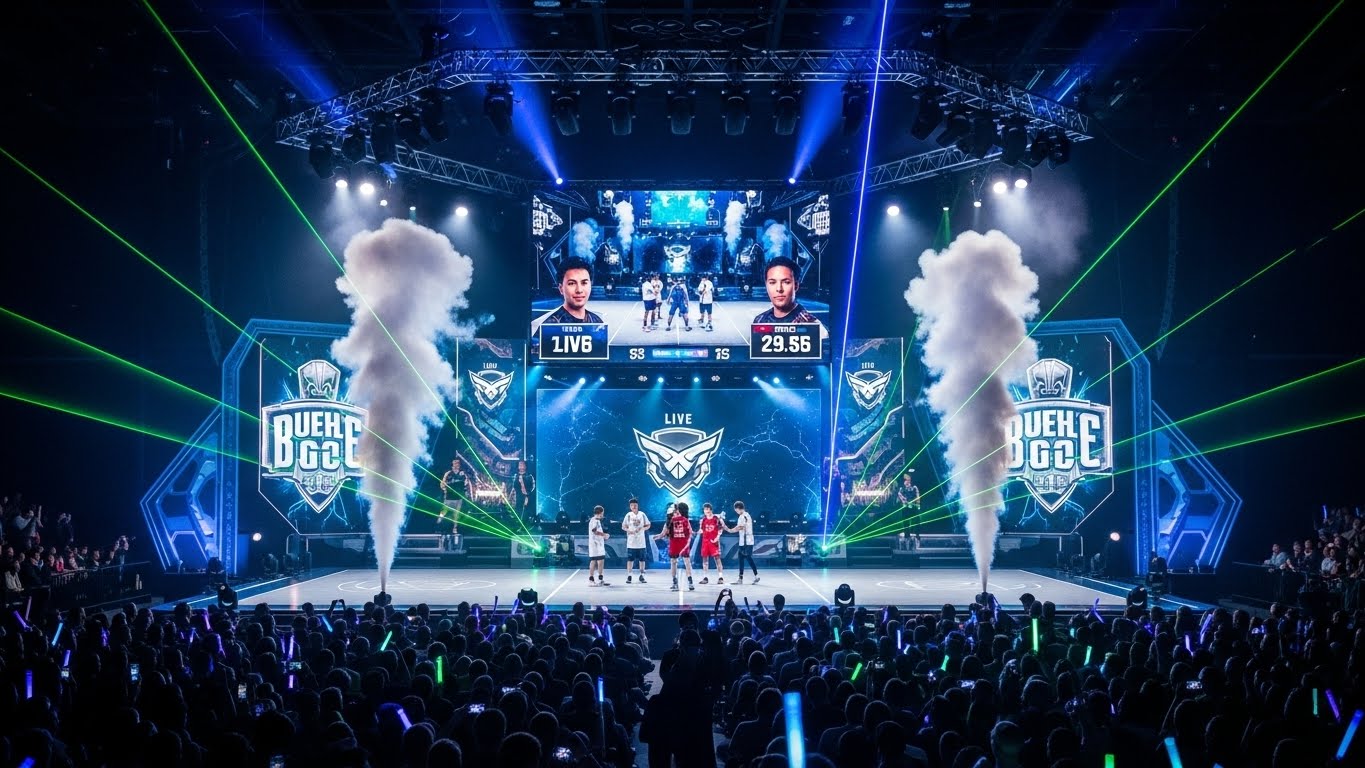
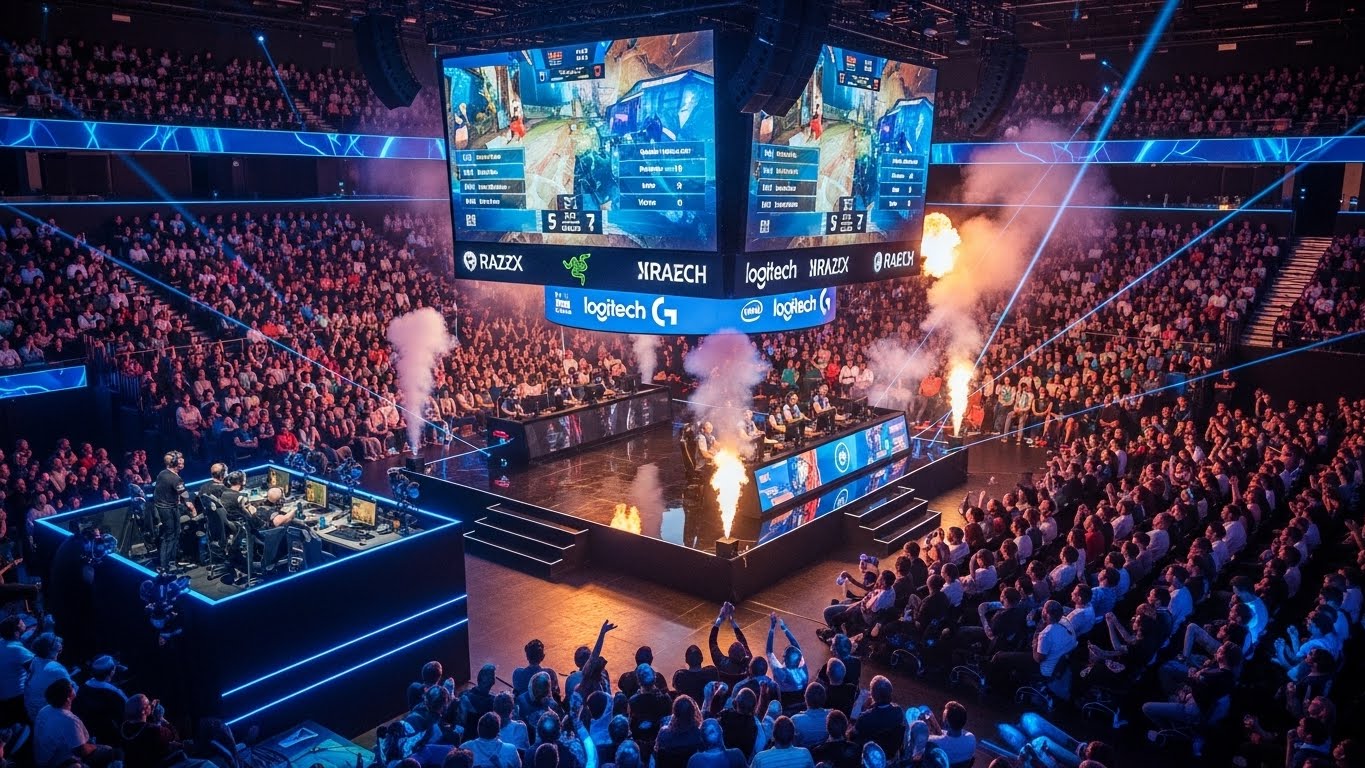
Esports tournaments now take place in grand arenas, with live audiences and streaming broadcasts reaching a global viewership. In fact, some of the largest esports events, like The International (Dota 2) and CS:GO Major Championships, draw in more viewers than traditional sports events, a trend that shows no signs of slowing down.
The Impact of Streaming Platforms on Esports
The rise of live streaming platforms has played a critical role in the growth of esports. Platforms like Twitch, YouTube Gaming, and Facebook Gaming have revolutionized how fans consume competitive gaming content. These platforms not only allow people to watch their favorite players and teams compete in real time but also provide interactive features such as live chat, fan donations, and community engagement.
For many fans, esports isn’t just about watching tournaments—it’s about immersing themselves in the community. Live streams offer behind-the-scenes glimpses into players’ lives, strategies, and practices. Professional gamers are often seen streaming their own gameplay, allowing fans to connect with them on a personal level, whether they’re watching a big tournament or just a casual practice session.
Streaming also democratizes esports, allowing viewers from any corner of the world to tune in and watch top-tier competitions from their devices. This broadens the appeal of esports, making it more accessible and inclusive than traditional sports, where physical proximity to stadiums or arenas can limit access.
Sponsorships, Investments, and the Business of Esports
Esports is not just a sport—it’s big business. Over the last few years, it has attracted significant investment from major brands, corporations, and even traditional sports teams. Sponsorships are one of the primary revenue streams for esports, with global brands like Intel, Red Bull, Coca-Cola, and Audi backing tournaments, teams, and individual players. These sponsors recognize the massive potential of esports as a marketing platform to connect with the coveted millennial and Gen Z demographics.
In addition to sponsorships, esports organizations and players also earn revenue through media rights, ticket sales, merchandise, and exclusive streaming deals. The partnership between game developers and esports organizations has resulted in highly polished tournaments that bring in a wealth of revenue while offering fans a professional and immersive viewing experience.
Top-tier esports players and teams also benefit from sponsorships, endorsement deals, and prize money. Professional players can earn millions of dollars in competitive play, streaming, and endorsements—further highlighting how esports has become a viable career path for skilled gamers. Some esports athletes even receive salary contracts, making esports more like traditional professional sports, where athletes rely on contracts for their livelihood.
The Global Appeal of Esports
Esports is a truly global phenomenon. While traditional sports often have regional fanbases, esports transcends borders, uniting players and fans from all around the world. Whether it’s a League of Legends tournament in South Korea, a CS:GO event in Europe, or a Fortnite World Cup in the United States, esports has no geographical limitations. Online connectivity allows players to compete against one another in global tournaments, breaking down barriers and bringing people together from different cultures, languages, and backgrounds.
This international appeal is also reflected in the fanbase. Fans can tune into live streams from any corner of the globe and cheer on their favorite teams and players, making esports an inclusive and diverse entertainment experience. In fact, esports is often praised for its ability to build community across different continents and bring people together under one shared interest.
The Future of Esports: New Horizons
As the esports industry matures, there are several exciting developments on the horizon. One of the most talked-about innovations is the potential integration of virtual reality (VR) and augmented reality (AR) into competitive gaming. VR could offer both players and viewers more immersive experiences, allowing fans to experience tournaments in 3D or from a player’s perspective. This could revolutionize how we watch esports and make it even more engaging.
Another growing trend is mobile esports. With the rise of mobile gaming, titles like PUBG Mobile, Clash Royale, and Arena of Valor are carving out their own esports leagues and tournaments. Mobile esports offers a more accessible entry point for players in regions with limited access to high-end gaming PCs or consoles. As mobile technology continues to improve, the future of mobile esports looks incredibly bright.
Additionally, the increasing recognition of esports as a legitimate career is leading to the rise of collegiate esports programs. Universities around the world are offering scholarships to talented esports players, creating an educational pathway that merges academics with competitive gaming. This trend is expected to grow, with more institutions establishing esports departments and leagues for their students.
Conclusion: Esports—The Sport of the Digital Age
Esports has firmly established itself as a legitimate, highly competitive sport that appeals to a wide demographic across the globe. It has captured the attention of millions of fans, both casual and dedicated, and continues to push boundaries with innovations in technology, streaming, and event organization.
As the industry continues to grow, esports will only become more ingrained in popular culture, creating new opportunities for players, fans, sponsors, and investors alike. Whether you’re a gamer yourself or just someone looking to watch top-tier competition, there’s no denying that esports is changing the way we experience sports and entertainment in the digital age.
With its dynamic growth, global appeal, and exciting future, esports is not just a passing trend—it’s a revolution in competitive entertainment that is here to stay.