championtribe73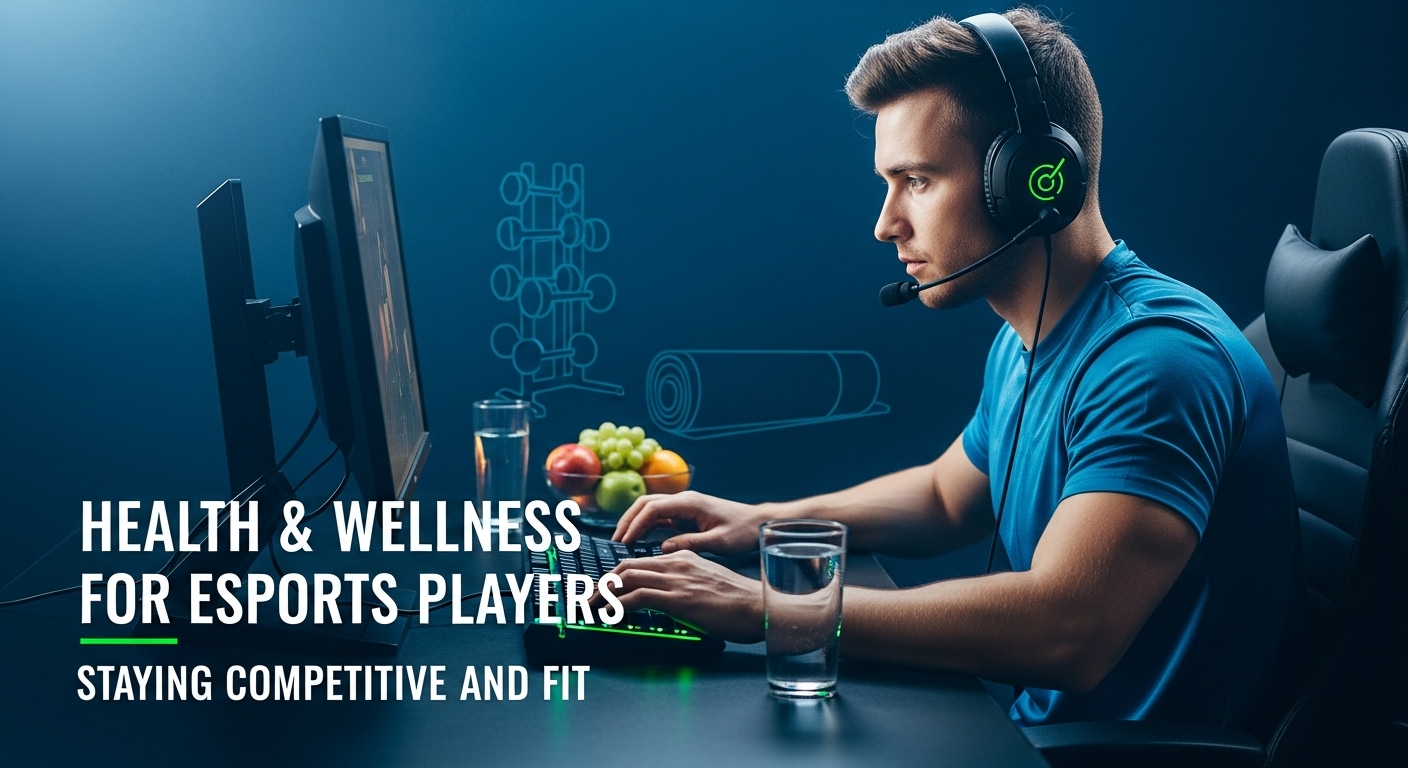
Introduction
Competitive gaming requires mental sharpness, fast reflexes, and stamina. However, long hours in front of screens can lead to physical and mental health issues. Health and wellness programs for esports players are essential to sustain peak performance.
This blog explores physical fitness, mental health, nutrition, recovery strategies, and technology tools for esports players.
Physical Fitness and Ergonomics
- Posture and Ergonomic Setups: Adjustable chairs, desks, and monitor placement reduce strain.
- Exercise Regimens: Strength training, stretching, and cardio improve reflexes and stamina.
- Eye Health: Regular breaks, screen filters, and eye exercises prevent strain.
- Hand and Wrist Care: Stretching and proper mouse/keyboard ergonomics prevent repetitive strain injuries.
Mental Health and Cognitive Training
- Stress Management: Meditation, mindfulness, and breathing exercises.
- Focus & Concentration Training: Brain games, puzzles, and AI-assisted cognitive exercises.
- Sleep Optimization: Sleep schedules and circadian rhythm alignment enhance performance.
- Social Support: Team communication, coaching, and community support reduce isolation.
Nutrition for Esports Players
- Balanced diet with sufficient protein, carbs, and healthy fats.
- Hydration strategies to maintain focus and reaction time.
- Supplements like Omega-3, vitamins, and electrolytes (if advised by professionals).
- Avoiding excessive caffeine and sugar to prevent crashes.
Recovery and Injury Prevention
- Regular breaks and micro-pauses during practice sessions.
- Physical therapy or massage for repetitive strain prevention.
- Cold/heat therapy for inflammation and fatigue management.
- Sleep and rest schedules to optimize recovery and performance.
Technology-Assisted Wellness
- Wearable devices tracking heart rate, sleep, and activity.
- AI-driven apps for mental training and cognitive performance.
- VR/AR exercises for immersive physical and cognitive training.
- Analytics tools to monitor practice intensity and prevent burnout.
Challenges and Considerations
- Lack of awareness in amateur esports communities.
- Scheduling conflicts between practice, tournaments, and wellness routines.
- Access to professional nutritionists, trainers, or mental health specialists.
- Overcoming culture of long, uninterrupted gaming sessions.
Future Trends
- Integrated wellness programs within esports teams and leagues.
- VR-based physical and cognitive training modules.
- AI-driven mental health monitoring and coaching.
- Partnerships between esports organizations and health professionals.
Conclusion
Health and wellness are critical components of esports performance. Physical fitness, mental resilience, proper nutrition, and recovery strategies allow players to sustain competitive levels and prolong their careers.