championtribe73
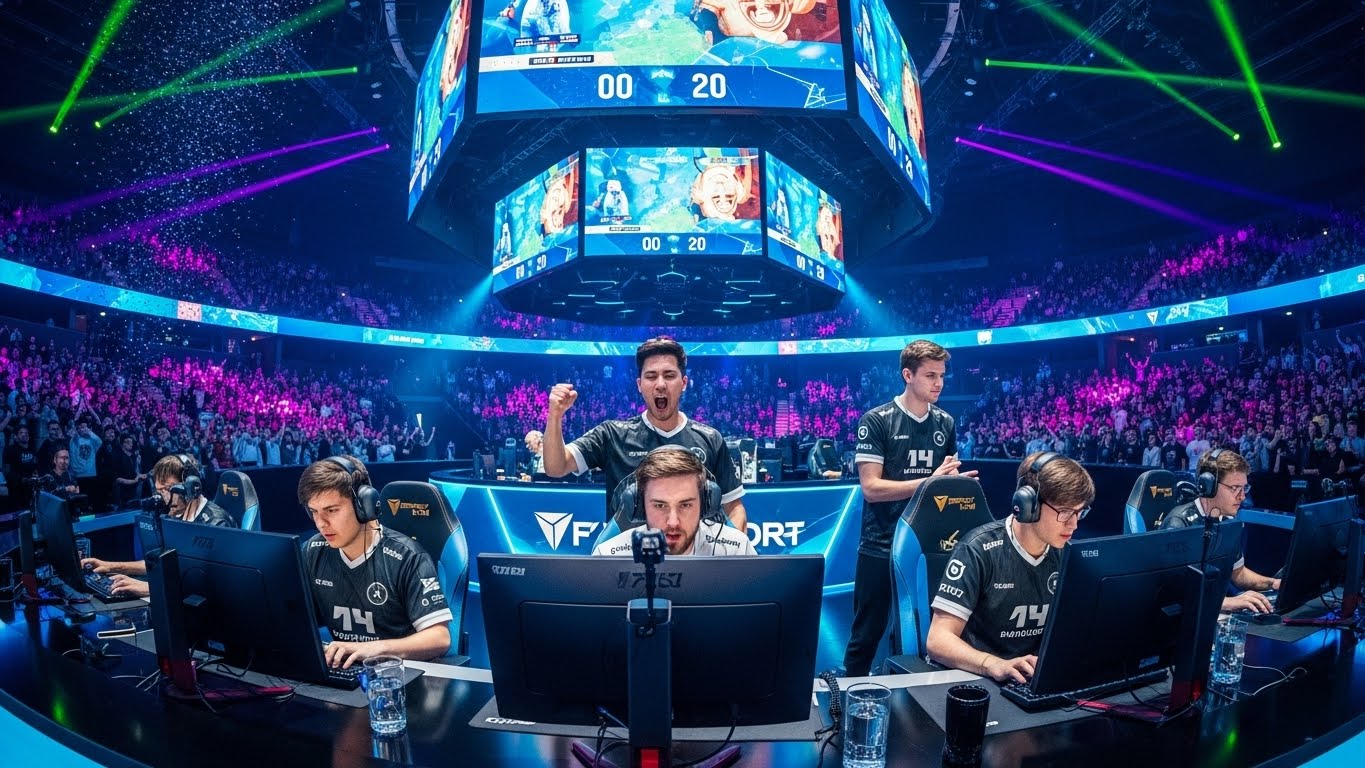
Esports has evolved into one of the most global entertainment industries of the 21st century, bridging borders and connecting millions of players and fans from every corner of the world. From the neon-lit arenas of Seoul to massive European gaming festivals and North American tournaments streamed to millions, esports has become a universal language. Yet, beneath this global unity lies a fascinating diversity. Cultural differences play a major role in shaping how esports are played, viewed, and even organized. Each country’s traditions, values, and social structures influence how its players compete, how its fans engage, and how its industry grows.
Understanding how culture shapes esports offers insight into why certain games dominate in some regions, why playstyles differ across continents, and how national identity can be expressed through digital competition.
The Global Nature of Esports
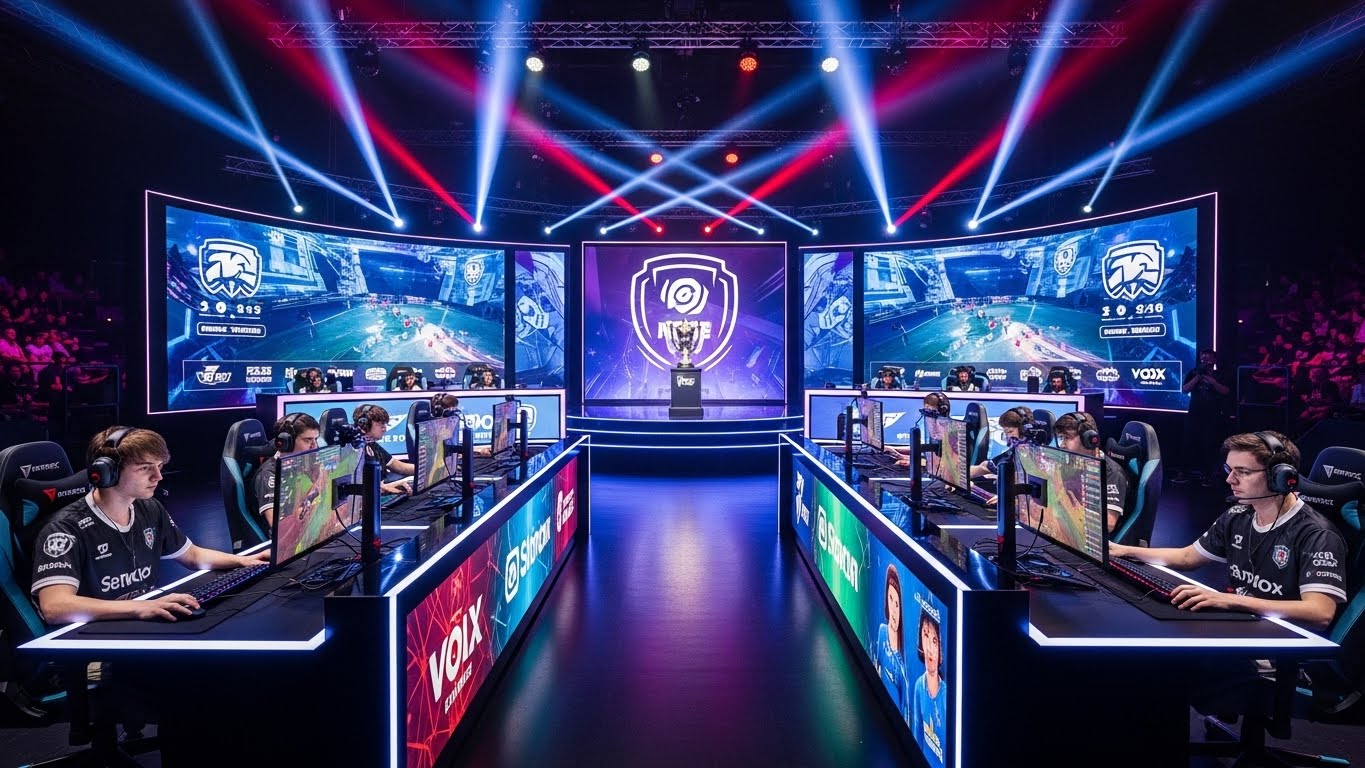
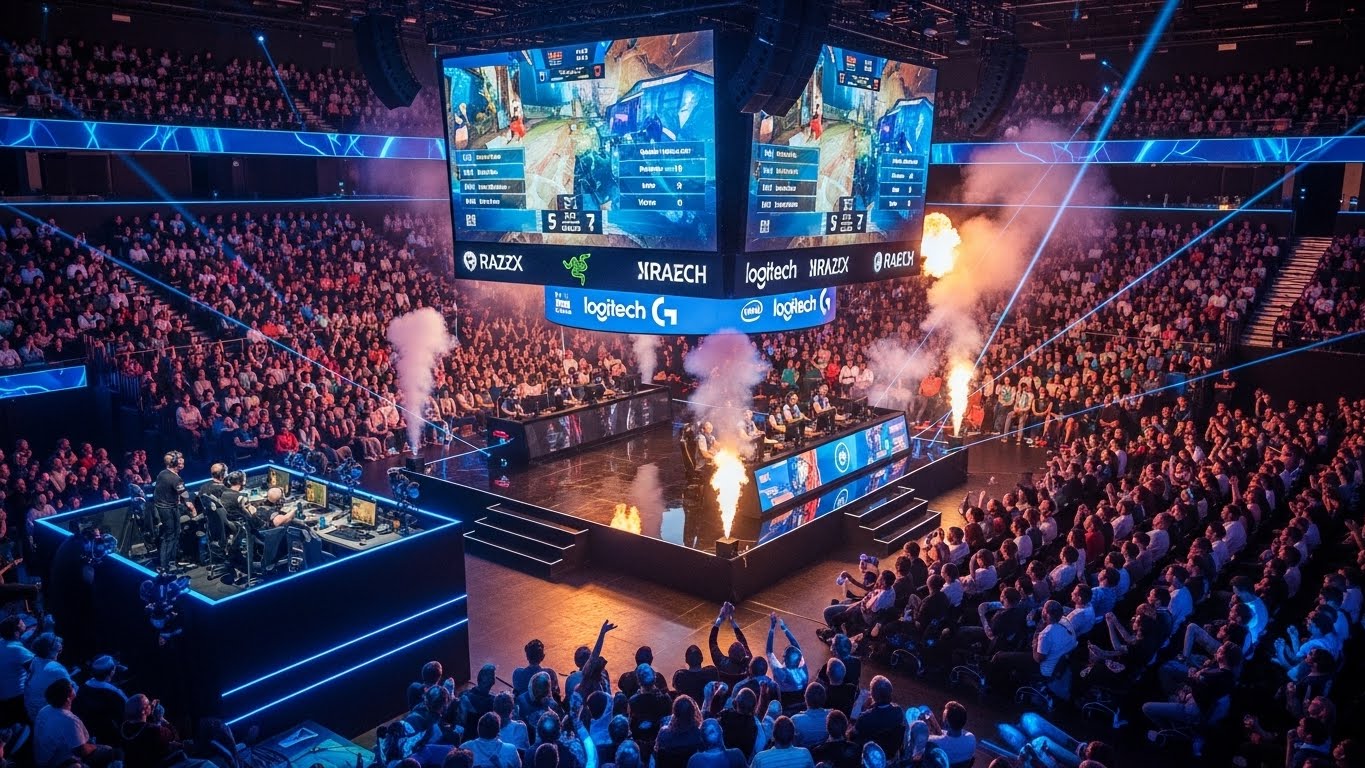
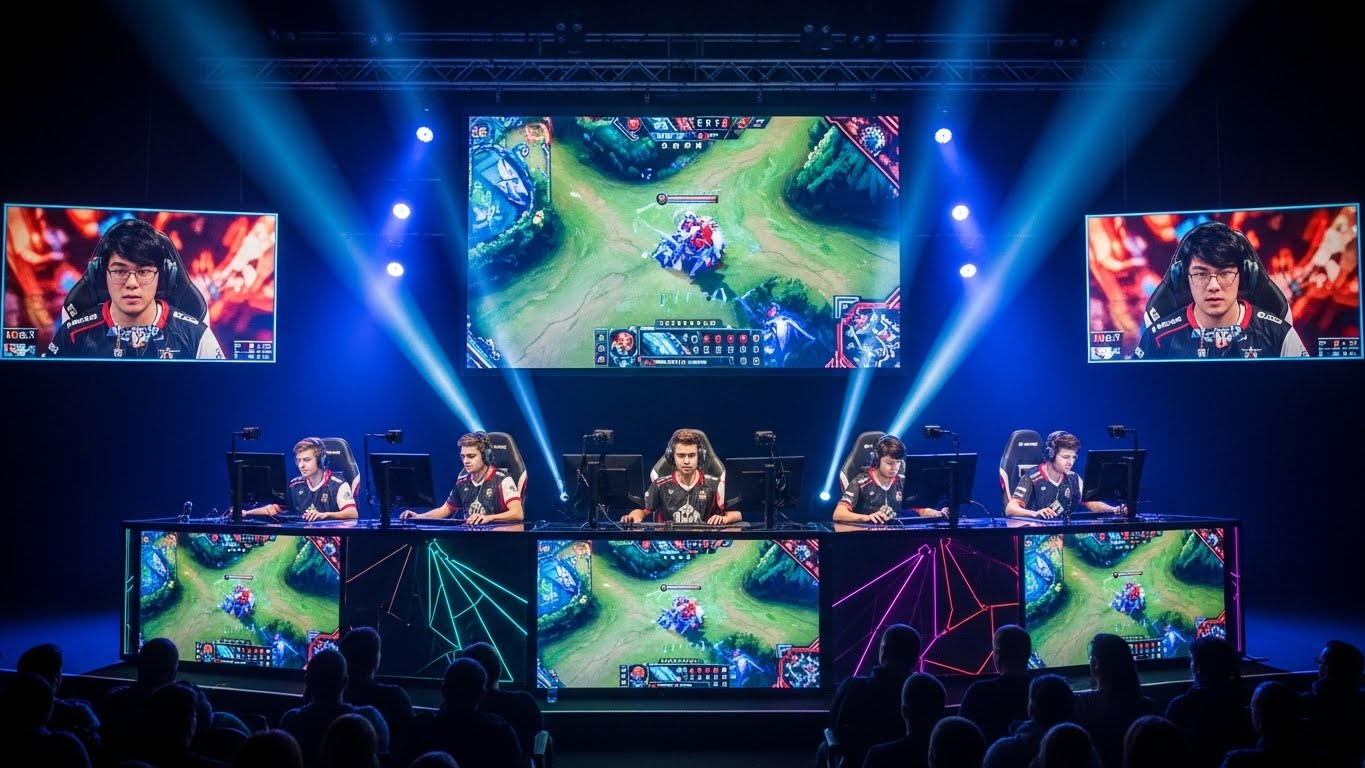
Esports transcends geography, language, and politics, creating a digital ecosystem where competition thrives. Major tournaments such as The International, the League of Legends World Championship, and the Overwatch League bring together teams from dozens of countries. Fans around the world unite to cheer for their favorite teams, regardless of nationality.
However, this global appeal also reveals stark contrasts. What resonates with fans in South Korea may not hold the same meaning in Europe or North America. The esports industry has adapted to these cultural differences through localized marketing, broadcasting, and even game design choices tailored to specific regions.
Culture shapes how people perceive competition, teamwork, authority, and individuality—all of which are vital aspects of esports. Thus, while esports is global in scope, it is deeply local in character.
Esports in East Asia: Discipline, Teamwork, and National Pride
East Asia—particularly South Korea, China, and Japan—has been at the heart of esports since its early days. South Korea is often called the birthplace of modern esports, largely due to the massive success of StarCraft in the early 2000s. Korean esports culture reflects many elements of its broader society, such as discipline, hierarchy, and collective effort.
In South Korea, players are treated with the same respect as traditional athletes. The nation’s emphasis on education, rigorous training, and respect for authority translates directly into its esports infrastructure. Professional players often live together in team houses, practicing up to 12 hours a day under the supervision of coaches and analysts. This disciplined environment mirrors the country’s cultural values around hard work and collective success.
China, another esports powerhouse, combines similar traits of discipline with a deep sense of national pride. Chinese fans view international tournaments as opportunities to prove their country’s dominance in the digital arena. Esports victories are often celebrated with patriotic enthusiasm, and the government actively supports esports as a legitimate industry.
Japan’s esports culture, on the other hand, is shaped by a unique blend of artistry and respect for craftsmanship. While Japan was slower to embrace competitive gaming due to legal restrictions on prize money, its gaming community emphasizes creativity and technical mastery. Japanese players tend to focus on precision and style, reflecting the cultural emphasis on skillful performance rather than brute force competition.
North America: Individualism and Entertainment-Driven Esports
In contrast, North American esports culture is rooted in individualism and showmanship. Players are often celebrated as personalities as much as athletes. Streamers, content creators, and pro players alike cultivate unique identities that attract large fan followings. This mirrors the region’s broader entertainment culture, where storytelling and personal branding are key to success.
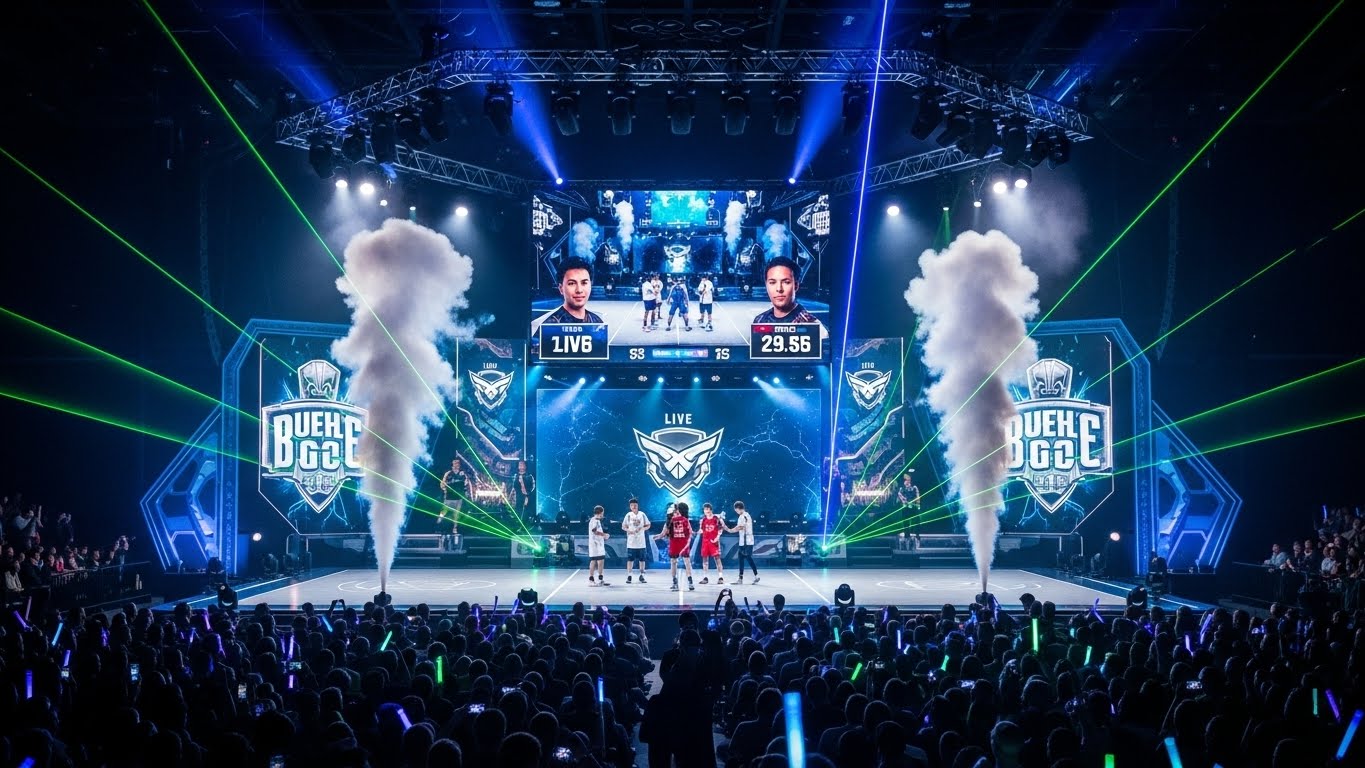
North American esports organizations tend to focus heavily on marketing, sponsorships, and media exposure. Esports events in the United States are designed as entertainment spectacles, blending music, celebrity appearances, and flashy production with gaming competition.
The competitive approach also differs—North American teams are often more experimental, emphasizing creative strategies and flashy plays. This reflects a cultural tendency toward innovation and self-expression, sometimes at the expense of rigid discipline.
While North America may lag behind regions like Korea or China in raw competitive dominance, it leads in creating marketable esports experiences and integrating gaming into mainstream culture.
Europe: Strategy, Collaboration, and Cultural Diversity
Europe’s esports scene is one of the most diverse in the world. With dozens of languages, cultures, and gaming traditions coexisting on one continent, European esports is a melting pot of ideas. European teams often represent a fusion of national identities, bringing together players from multiple countries.
This diversity fosters adaptability and collaboration. European esports organizations are known for their emphasis on strategic thinking, communication, and cross-cultural teamwork. For example, in games like League of Legends or Counter-Strike: Global Offensive, European teams are often praised for their tactical depth and methodical playstyle.
Europe’s cultural emphasis on education and analysis translates into esports as well. Many European organizations invest heavily in coaching, analytics, and player welfare, reflecting a more holistic approach to competition. Additionally, European esports fans tend to value sportsmanship and fair play, echoing the continent’s traditional sports heritage.
However, cultural and language barriers sometimes create challenges for communication within multinational teams. Yet, overcoming these barriers has also strengthened Europe’s identity as a region where diversity fuels creativity and innovation.
Southeast Asia: Passion, Community, and Grassroots Growth
Southeast Asia has rapidly emerged as one of the most vibrant esports regions in the world. Countries like the Philippines, Indonesia, Thailand, and Malaysia have passionate fan bases and growing professional scenes.
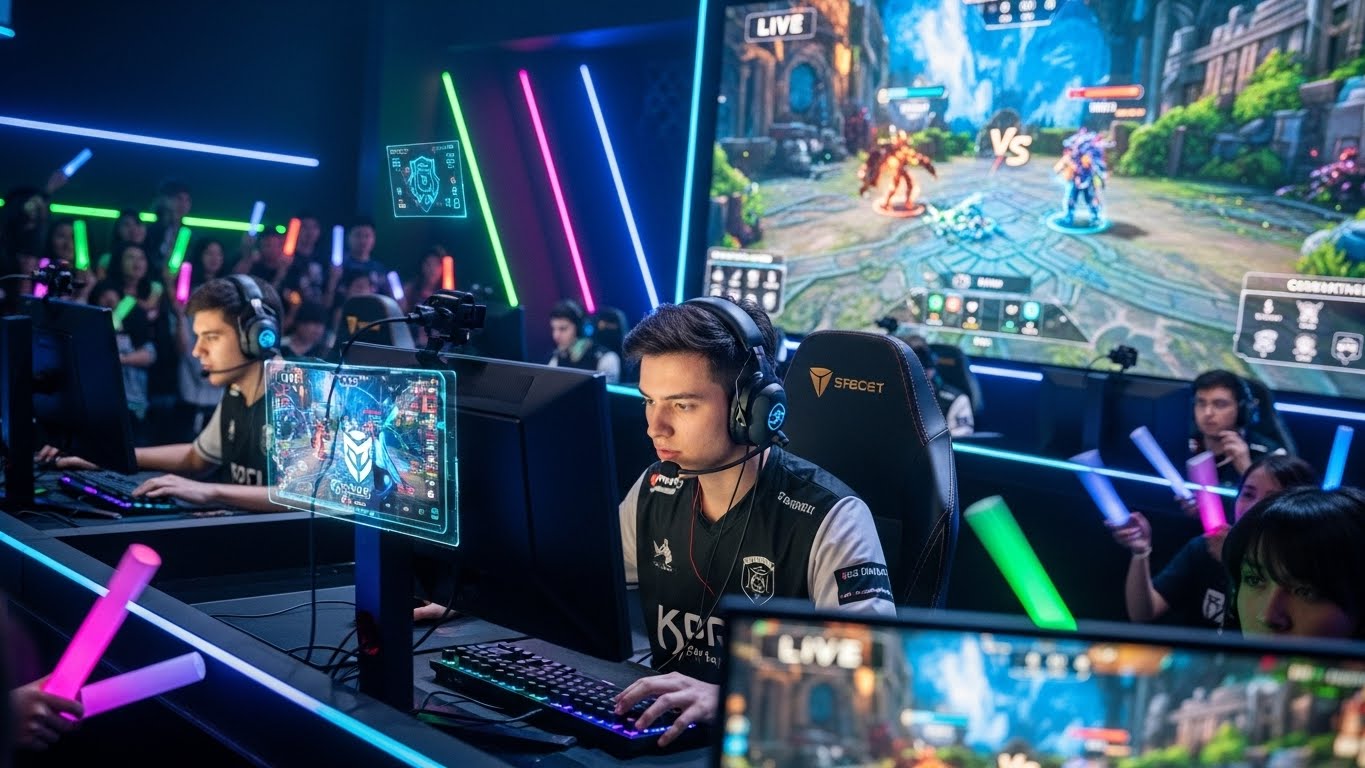
In many parts of Southeast Asia, gaming is deeply intertwined with community life. Esports events often resemble festivals, filled with local pride, cheering crowds, and an electric atmosphere. This communal energy reflects cultural values of togetherness and social connection.
Southeast Asian esports growth has been largely grassroots-driven. Players often rise to prominence through local tournaments or mobile esports titles, such as Mobile Legends or PUBG Mobile, which are more accessible than PC-based games. The prevalence of mobile esports in the region highlights how economic and cultural contexts shape gaming trends. Accessibility, affordability, and social play are prioritized over high-end technology.
The Middle East: Tradition Meets Modern Gaming
The Middle East’s esports scene has seen remarkable growth in recent years, with countries like Saudi Arabia, the United Arab Emirates, and Egypt investing heavily in gaming infrastructure. Esports in the Middle East reflects the region’s youthful population and its desire to balance tradition with modernity.
Cultural norms around competition, modesty, and public performance have influenced how esports is presented. While the region has faced challenges around gender inclusion, progress is being made with initiatives supporting female gamers and local tournaments that emphasize community building.
Moreover, esports in the Middle East often serves as a form of digital diplomacy—connecting players across borders in a region historically divided by politics. National governments see esports not only as entertainment but as a way to foster youth engagement, innovation, and international representation.
Latin America: Emotion, Resilience, and National Spirit
Latin American esports thrives on passion and resilience. The region’s fans are some of the loudest and most devoted in the world. Esports events in Brazil, Mexico, and Argentina draw massive crowds filled with energy and emotion.
This passion reflects broader Latin American cultural values—community, emotion, and pride. Esports players from the region often become national heroes, symbolizing perseverance and aspiration. Despite limited resources compared to North America or Asia, Latin American teams have made impressive progress in international competitions.
Economic challenges have pushed the community to be resourceful. Many Latin American players started in internet cafes or small local tournaments before breaking into global leagues. Their stories of overcoming obstacles inspire new generations and show how cultural resilience translates into digital success.
Cultural Differences in Playstyles
Culture doesn’t just shape the business or fan side of esports—it also directly influences how teams play. Regional playstyles often mirror cultural values.
- Korean teams emphasize discipline, structure, and team coordination, reflecting collectivist ideals.
- North American teams often favor high-risk strategies and individual plays, showcasing creativity and self-expression.
- European teams tend to rely on tactical balance and adaptability, representing a synthesis of many cultures.
- Chinese teams play aggressively and decisively, reflecting confidence and boldness in competition.
These distinct styles make international tournaments so thrilling. When teams from different regions face off, it becomes more than a battle of skill—it’s a clash of philosophies and cultural mindsets.
Communication and Team Dynamics Across Cultures
In multinational teams, communication is often one of the biggest challenges. Players must navigate not only language barriers but also different communication styles. For example, Western players may value open discussion and debate, while Eastern players may prefer structured communication with respect for hierarchy.
Successful esports organizations understand these nuances and invest in cultural training and team-building exercises. Coaches often serve as cultural mediators, helping bridge communication gaps and foster unity. The ability to blend diverse approaches often determines whether a team thrives or falls apart.
Cultural Influence on Esports Marketing and Fan Engagement
Cultural differences also affect how esports are marketed and consumed. In Asia, esports stars are often treated like traditional athletes, with endorsement deals and television appearances. In the West, they are more likely to be integrated into broader entertainment and streaming cultures.
In Europe, esports marketing emphasizes professionalism and community engagement. Meanwhile, in regions like Southeast Asia or Latin America, grassroots fan interaction and social media engagement drive popularity.
Brands and organizers tailor their strategies to match local values. Understanding these cultural preferences is essential for global success. For example, a campaign that works in South Korea might not resonate with fans in North America because of different humor, aesthetics, or values.
The Future of Cultural Integration in Esports
As esports continues to expand globally, cultural exchange will deepen. International tournaments already bring together players from vastly different backgrounds, fostering mutual understanding and respect. The digital nature of gaming allows for cultural exchange on an unprecedented scale.
Developers and tournament organizers are increasingly aware of the importance of inclusivity and cultural sensitivity. Localization, representation, and fair access are becoming priorities. Esports could become a powerful force for cross-cultural understanding, where competition brings unity rather than division.
In the future, we may see hybrid playstyles, multilingual commentary, and global organizations that embody a fusion of cultural values. Esports has the potential to become a true model for international collaboration in the digital age.
Conclusion
Esports may be a universal form of competition, but it is deeply shaped by the cultures that nurture it. From South Korea’s disciplined teams to North America’s entertainment-driven approach, from Europe’s strategic diversity to Southeast Asia’s passionate communities, every region contributes something unique to the global esports tapestry.
Cultural differences influence how players train, how teams communicate, how fans celebrate, and how companies market their games. Yet, these differences don’t divide esports—they enrich it. The diversity of styles, strategies, and values creates a global ecosystem that thrives on variety and innovation.
In a world often divided by borders and beliefs, esports stands as a symbol of how shared passion can connect humanity. It reminds us that while culture shapes competition, the love for gaming unites us all under one digital arena—where victory, teamwork, and creativity know no boundaries.