championtribe73
Esports, or competitive video gaming, has evolved from a niche hobby into a global phenomenon that rivals traditional sports in popularity, economic impact, and cultural significance. Once seen as a pastime for casual gamers, esports now draws millions of viewers, offers professional careers, and hosts tournaments with multi-million-dollar prize pools. This blog explores the rise of esports, the skills required, its social and economic impact, and the ways it is reshaping modern competition.
The Origins of Esports
The roots of esports can be traced back to the 1970s and 1980s when arcade games like Space Invaders, Pac-Man, and Donkey Kong attracted competitive players aiming for high scores. With the rise of personal computers and online connectivity in the 1990s, games such as StarCraft, Quake, and Counter-Strike introduced organized competitive gaming. Local tournaments turned into online competitions, and professional leagues began to take shape. The 2000s brought multiplayer online battle arenas and streaming platforms, making esports accessible to a worldwide audience. Over the decades, what began as friendly rivalry has grown into a professional, structured industry with global reach.
Popular Esports Games and Genres
Esports encompasses a wide variety of games and genres, each requiring unique skills and attracting distinct audiences. Multiplayer online battle arena games, known as MOBAs, such as League of Legends and Dota 2, are among the most popular, emphasizing strategy, teamwork, and split-second decision-making. First-person shooters like Counter-Strike: Global Offensive, Overwatch, and Call of Duty focus on precision, reaction time, and tactical coordination. Battle royale games, including Fortnite and Apex Legends, test survival skills, adaptability, and strategic positioning. Fighting games, sports simulations, and real-time strategy games further diversify the esports landscape, offering competitive opportunities for players of all types. The variety ensures that there is a niche for every type of gamer and spectator.
Structure of Esports Competitions
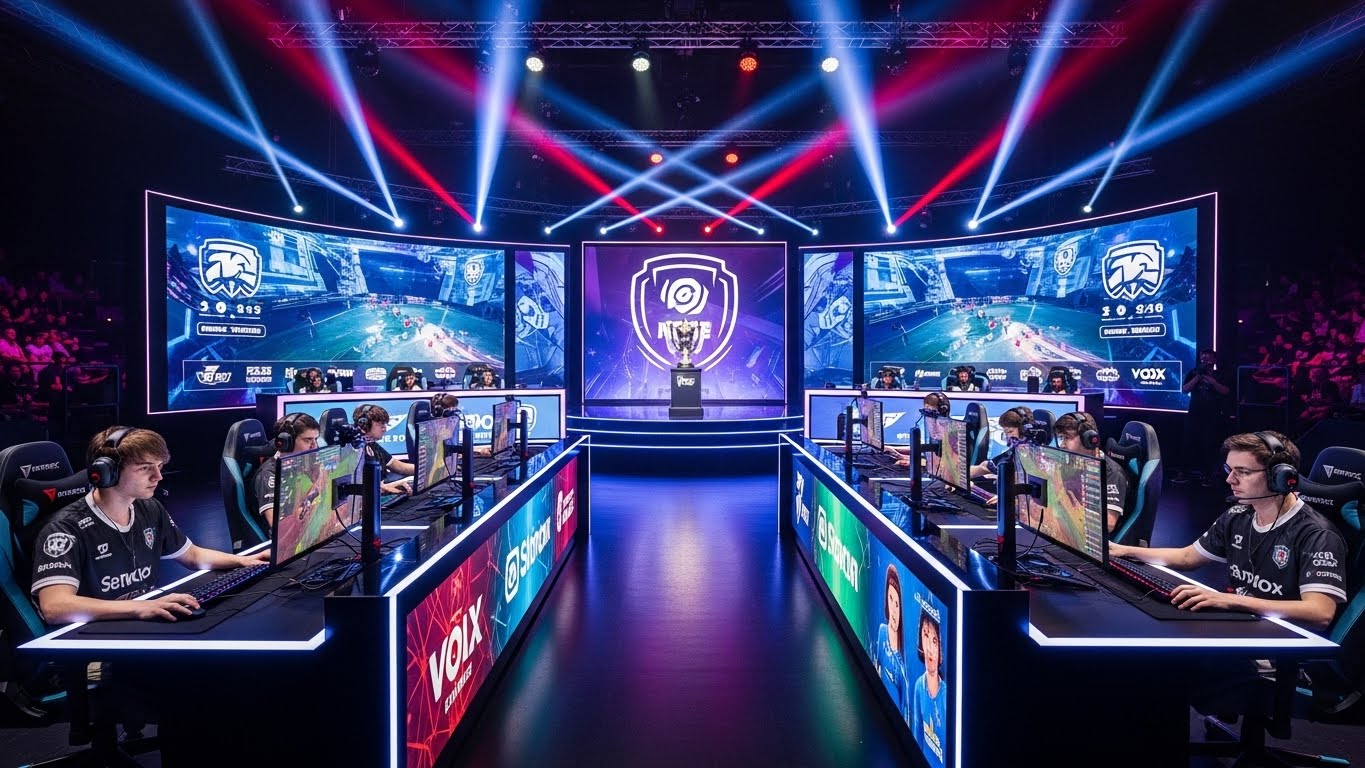
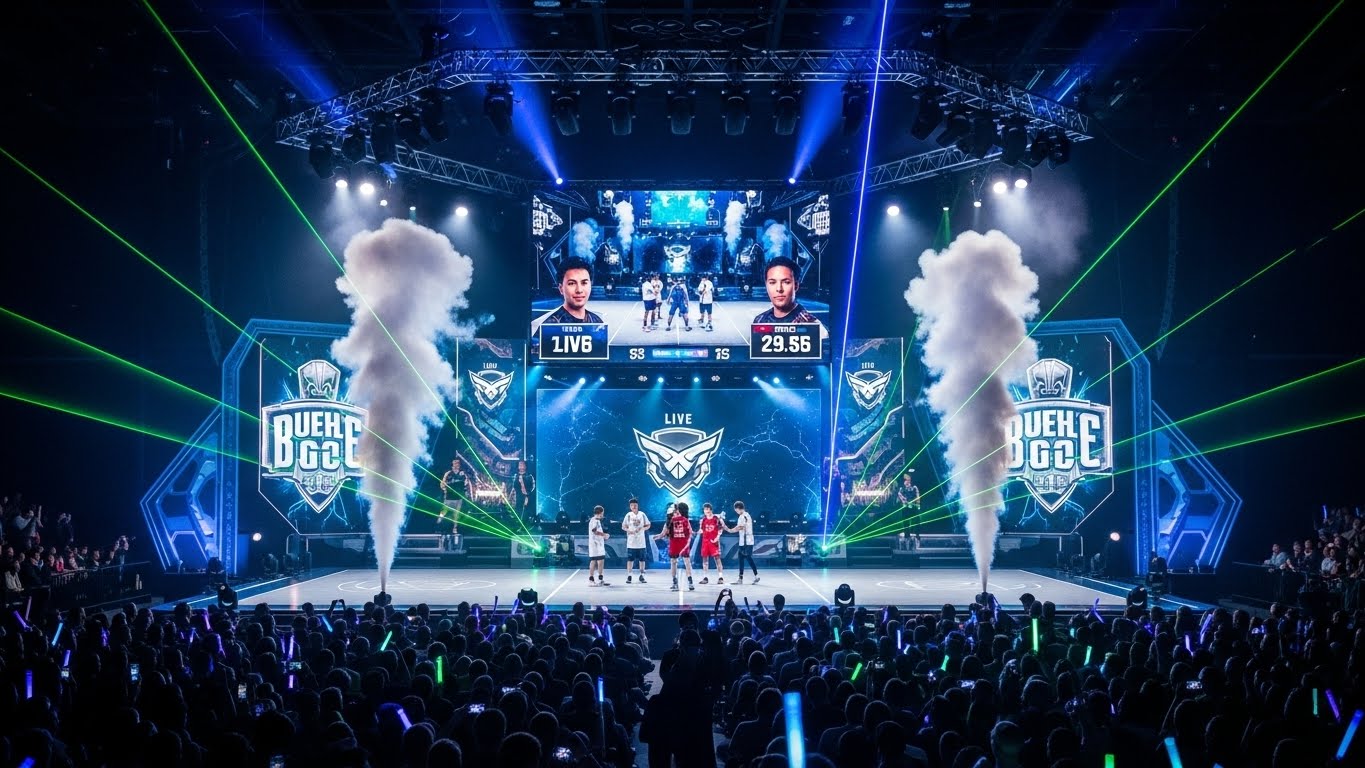
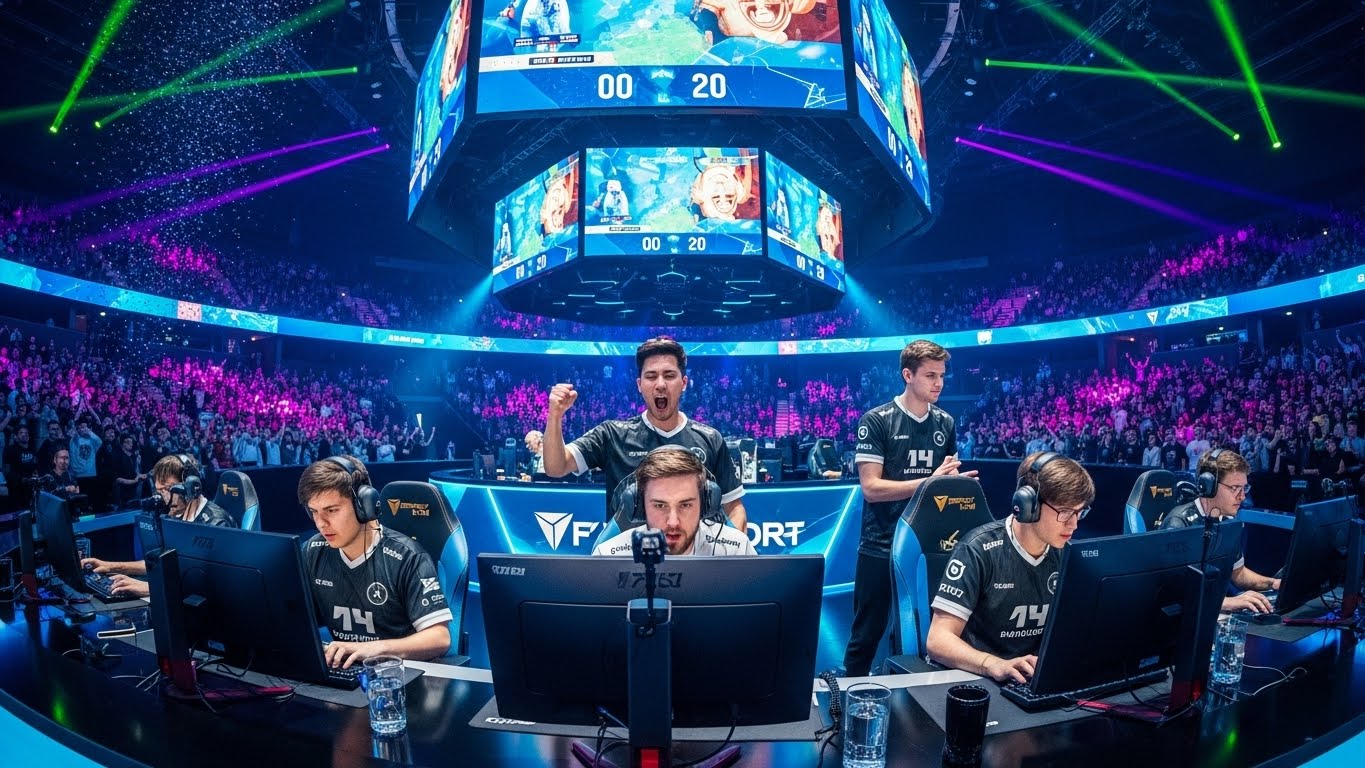
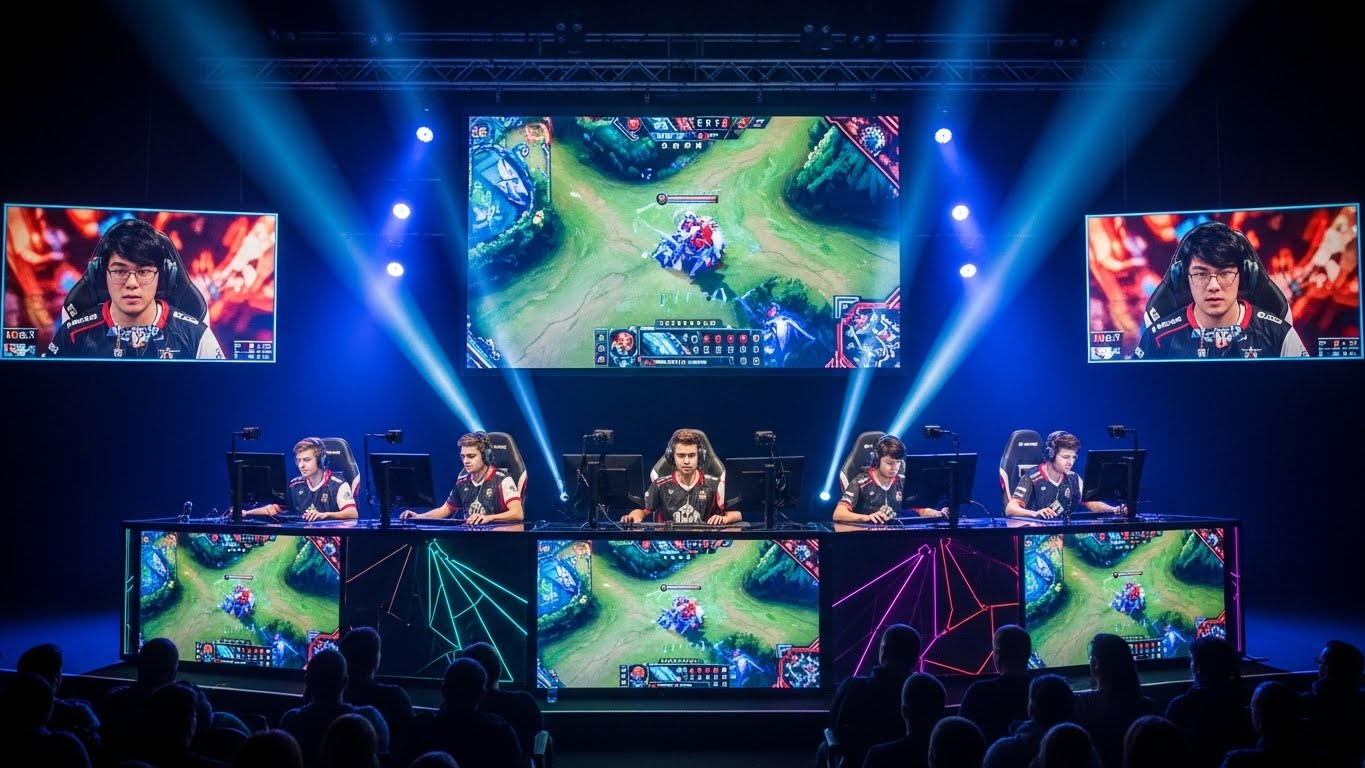
Esports competitions mirror traditional sports in their organization and professionalism. Professional leagues operate with regular seasons, rankings, and playoffs, leading to championship events with global audiences. Major tournaments, such as The International in Dota 2 and the League of Legends World Championship, offer prize pools that reach tens of millions of dollars, attracting elite players from all corners of the globe. Events are meticulously organized, with official rules, referees, commentators, and high-quality production. Team strategies are analyzed in-depth, with coaches, analysts, and support staff helping players perform at their peak. The level of preparation and professionalism in esports demonstrates that competitive gaming is as rigorous and demanding as any traditional sport.
Skills Required for Esports
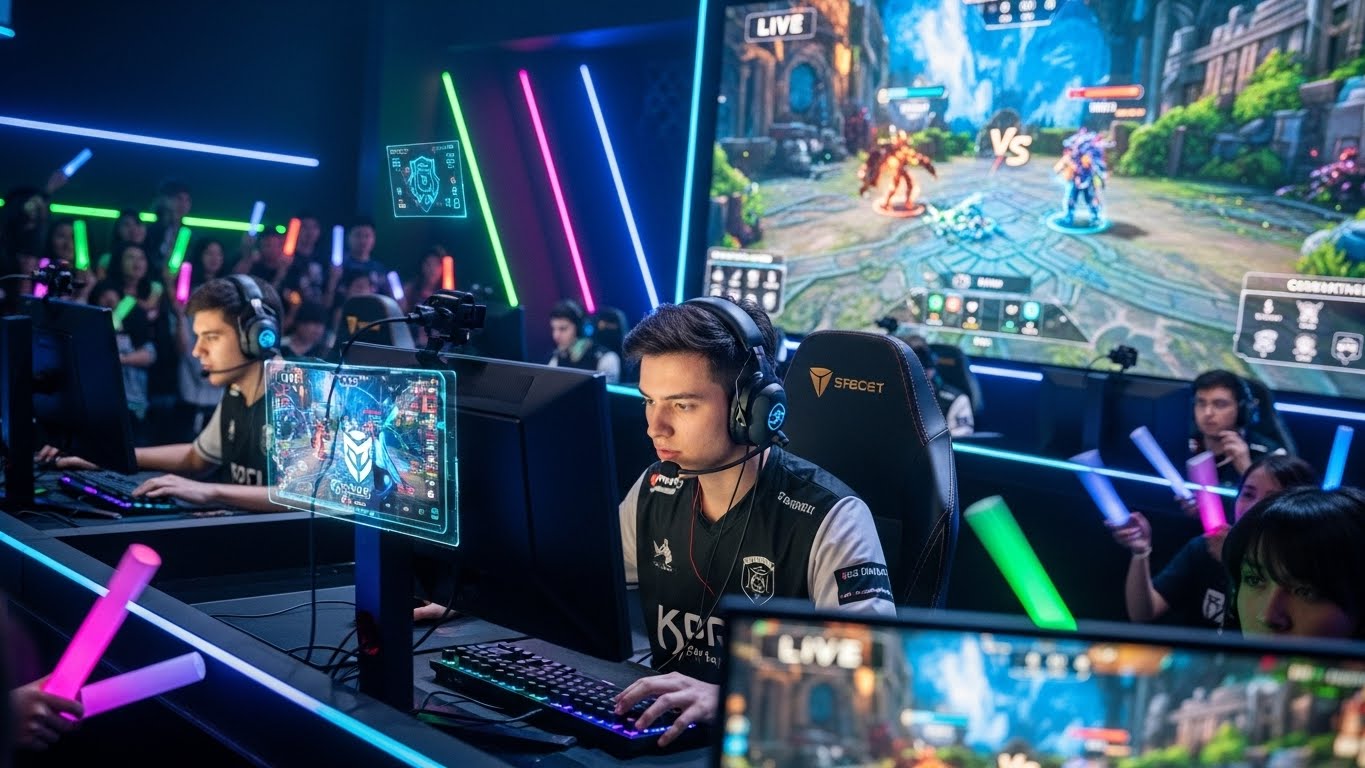
Success in esports requires a combination of mental, physical, and social skills. Quick reflexes and excellent hand-eye coordination are essential for most competitive games, particularly first-person shooters. Strategic thinking, problem-solving, and adaptability are crucial, especially in games that require dynamic decision-making. Team-based games demand communication, leadership, and coordination, as victories often depend on synchronized efforts. Mental endurance and resilience are critical, as players face pressure, high stakes, and intense scrutiny from fans and sponsors. Physical health also matters, with professional players maintaining fitness routines to prevent repetitive strain injuries and enhance focus. Esports athletes, therefore, combine mental sharpness with physical and strategic preparation to excel in their field.
Economic Impact of Esports
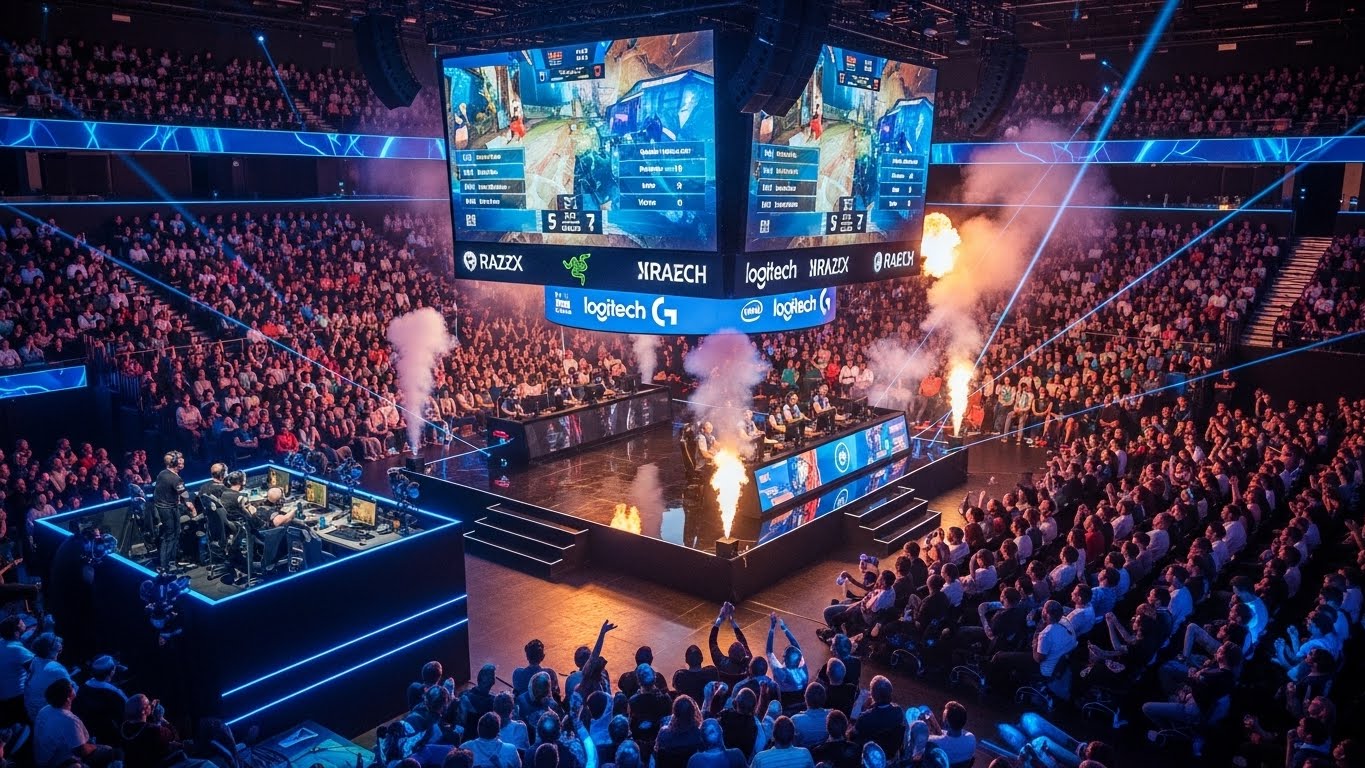
Esports has developed into a multi-billion-dollar industry. Revenue streams include sponsorship deals, advertising, merchandise, ticket sales, and broadcasting rights. Major brands invest heavily in esports teams and tournaments, recognizing the potential to engage younger, digitally active audiences. Professional esports organizations create employment opportunities for players, coaches, analysts, commentators, event managers, and content creators. Cities hosting international tournaments benefit economically from tourism, hospitality, and media exposure. The growth of esports illustrates how a digital pastime can evolve into a professional ecosystem with significant global influence.
Esports as Entertainment
Esports represents a new form of entertainment that blends interactivity, competition, and community. Unlike traditional sports, esports allows fans to participate digitally, watch live streams, and interact with players through social media. Fans can learn strategies, analyze gameplay, and even compete in amateur leagues, creating a more immersive and engaging experience. The entertainment value of esports extends beyond the games themselves, influencing music, fashion, and lifestyle trends. With tournaments broadcast globally and millions of viewers tuning in, esports has proven that gaming is not just a hobby—it is a form of cultural expression and shared experience.
Education and Career Opportunities in Esports
Esports has gained recognition in educational settings, with schools and universities offering programs, scholarships, and competitive teams. These initiatives teach students skills such as teamwork, strategic thinking, communication, and leadership, while opening pathways to professional opportunities. Some institutions incorporate game design, media production, and marketing into esports curricula, preparing students for careers in gaming and digital industries. Esports is more than playing games; it serves as a platform for education, personal development, and professional growth, providing students with both technical and social skills relevant to the modern workforce.
Challenges Facing the Esports Industry
Despite its rapid growth, esports faces several challenges. Health concerns, including eye strain, poor posture, and repetitive stress injuries, must be managed carefully. Mental health is another critical area, as players navigate high-pressure environments, public scrutiny, and burnout. Regulatory challenges, such as fair play, doping, and gambling, require oversight to maintain integrity. Gender representation also remains an issue, with female players underrepresented in competitive scenes. Addressing these challenges is essential for the sustainability and credibility of esports as a professional and respected field.
Esports as a Social Connector
One of esports’ most remarkable aspects is its ability to connect people across the globe. Online platforms enable players from different countries and cultures to compete and collaborate, fostering friendships and cultural exchange. Communities form around specific games, offering support, mentorship, and opportunities for teamwork. In-person tournaments bring fans together, creating shared experiences and a sense of belonging. In a world where digital technology can sometimes isolate, esports demonstrates the power of gaming to foster social connection and global community.
The Future of Esports
The future of esports is full of potential. Emerging technologies such as virtual reality, augmented reality, and artificial intelligence are expected to revolutionize gameplay, training, and spectating. Mobile esports is rapidly expanding, making competitive gaming more accessible worldwide. Partnerships between traditional sports and esports are becoming common, leading to hybrid events and greater mainstream recognition. As technology, creativity, and community engagement evolve, esports will continue to grow, further cementing its place as a legitimate and influential form of competition.
Conclusion: Esports as a Game-Changer
Esports has redefined the concept of competition in the digital age. Combining skill, strategy, teamwork, and entertainment, it offers opportunities for personal growth, economic development, and global connection. From humble arcade origins to professional leagues with massive audiences, esports demonstrates the evolution of gaming into a structured, respected, and influential industry. Beyond the screen, esports teaches resilience, collaboration, and adaptability—qualities valuable both inside and outside the digital arena. As esports continues to grow, it serves as a reminder that the spirit of competition transcends traditional boundaries, proving that dedication, passion, and innovation can thrive in any form of sport.
Esports is not just a game; it is a global movement shaping the future of entertainment, education, and social interaction. It invites players to improve, fans to engage, and communities to unite. In this rapidly evolving landscape, esports stands as a testament to the transformative power of digital innovation and human creativity. It represents a new era of competition where the boundaries of possibility are constantly expanding, and where every player has the chance to level up in ways that extend far beyond the screen.