championtribe73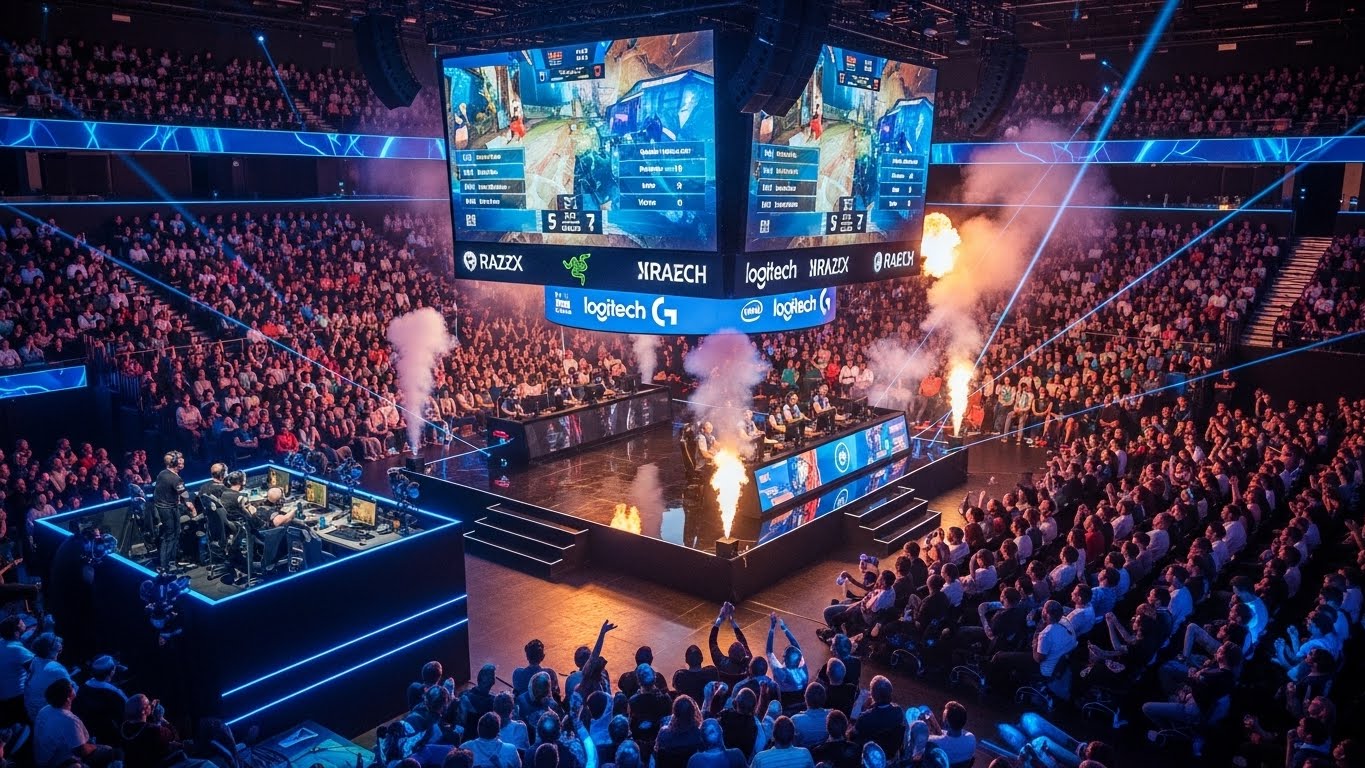
Introduction: From Bedroom Gaming to Global Arenas
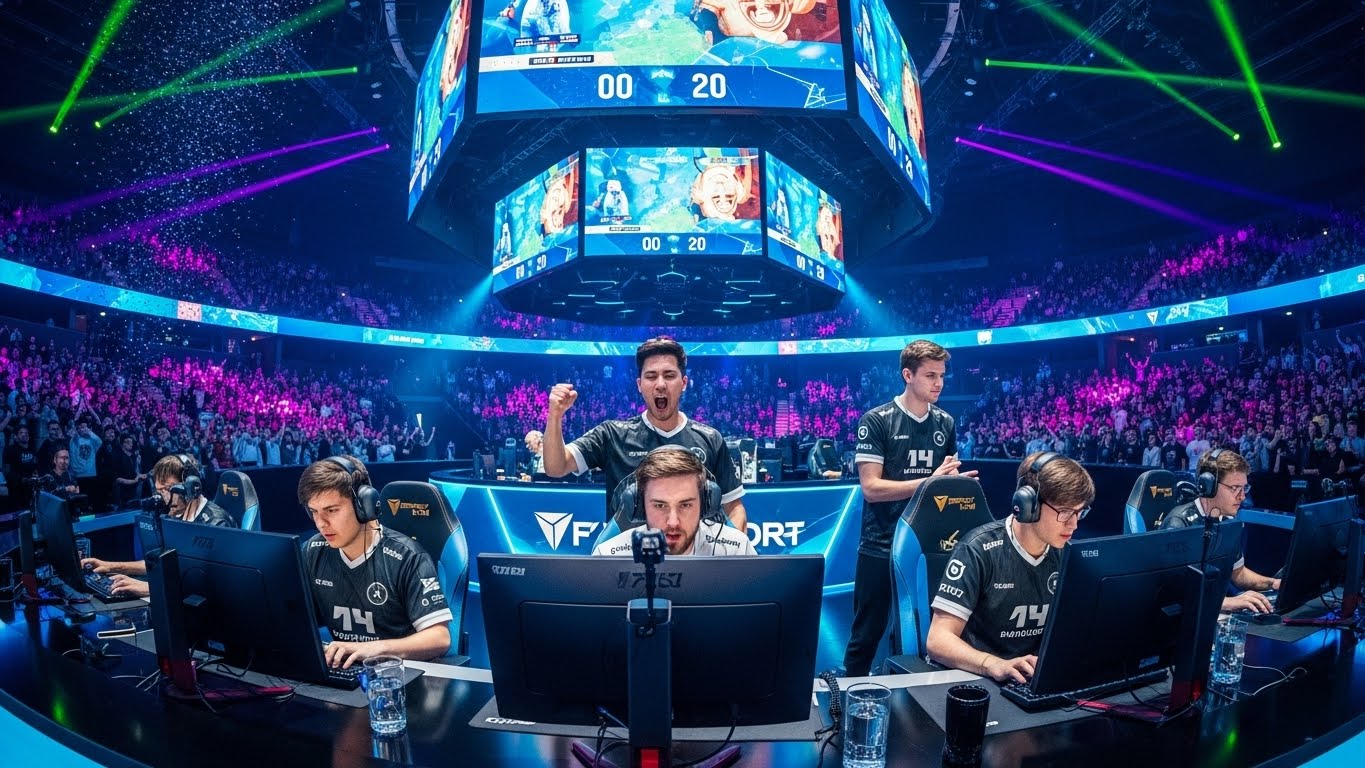
Esports, once dismissed as a niche hobby for teenagers playing games in their bedrooms, has transformed into a billion-dollar global industry. Competitive gaming now fills stadiums, attracts millions of online viewers, and creates career paths that rival traditional sports. What makes esports truly remarkable is not just its rapid growth, but how deeply it has embedded itself into modern culture, technology, and entertainment. This blog explores the evolution of esports, its ecosystem, cultural impact, economic power, and the challenges and opportunities shaping its future.
Understanding Esports: More Than Just Playing Games
Esports refers to organized, competitive video gaming where professional players or teams compete in structured tournaments. These competitions span multiple genres, including multiplayer online battle arenas, first-person shooters, real-time strategy games, and sports simulations. Unlike casual gaming, esports demands intense practice, strategic thinking, teamwork, and mental discipline.
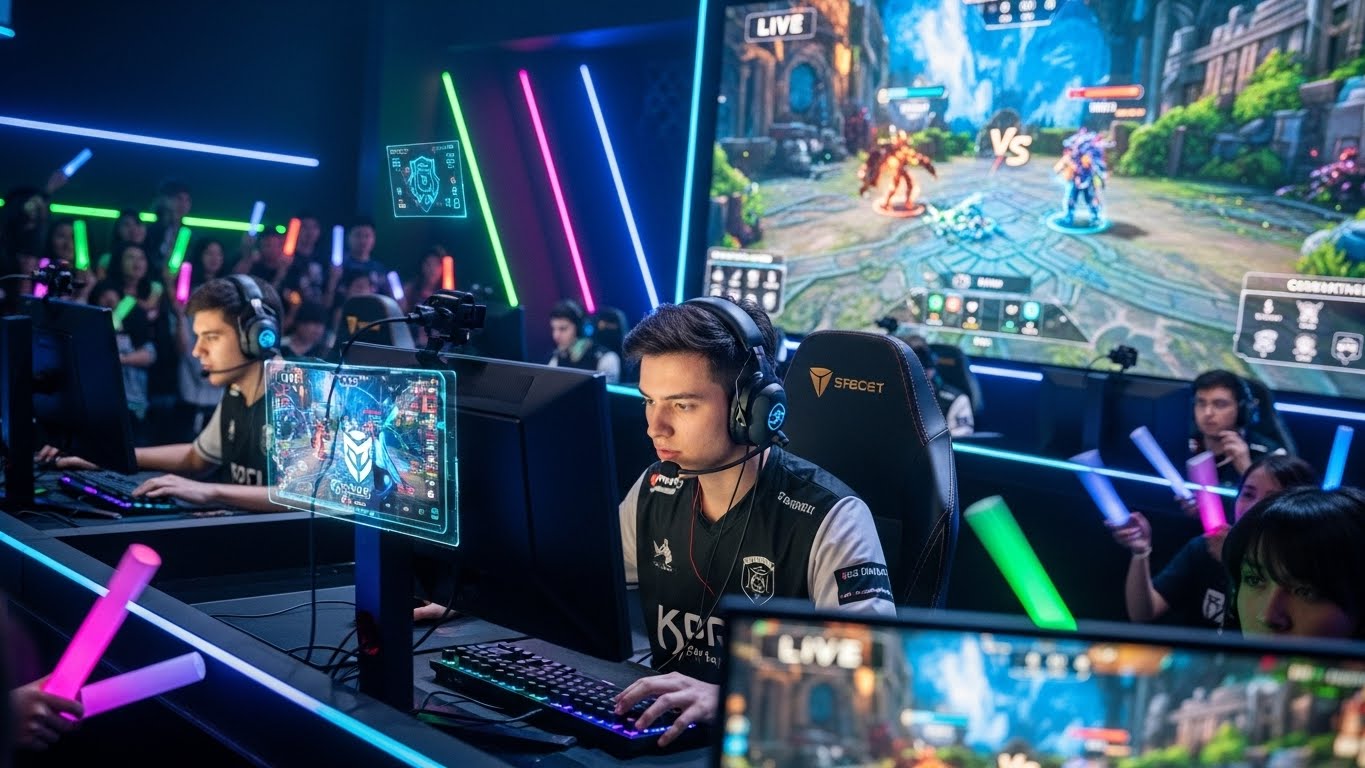
Professional esports players often train for several hours a day, analyzing gameplay, refining mechanics, and studying opponents. Coaches, analysts, and support staff play a critical role, making esports organizations function similarly to traditional sports teams. This structured professionalism is a key reason esports has gained legitimacy worldwide.
The Evolution of Esports: A Brief Historical Perspective
The roots of esports can be traced back to early arcade competitions and local gaming tournaments. As internet connectivity improved, online multiplayer games allowed players from different regions to compete in real time. This technological shift laid the foundation for modern esports.
The real breakthrough came with live streaming platforms, which enabled audiences to watch matches as they happened. Suddenly, competitive gaming was no longer limited to participants; it became a spectator sport. Viewership numbers began to rival those of established sporting events, signaling a major cultural shift in how entertainment was consumed.
The Esports Ecosystem: Players, Teams, and Organizations
At the heart of esports are the players, but the ecosystem extends far beyond them. Professional teams sign players to contracts, manage branding, and compete in leagues and tournaments. These organizations are supported by sponsors, merchandise sales, media rights, and prize winnings.
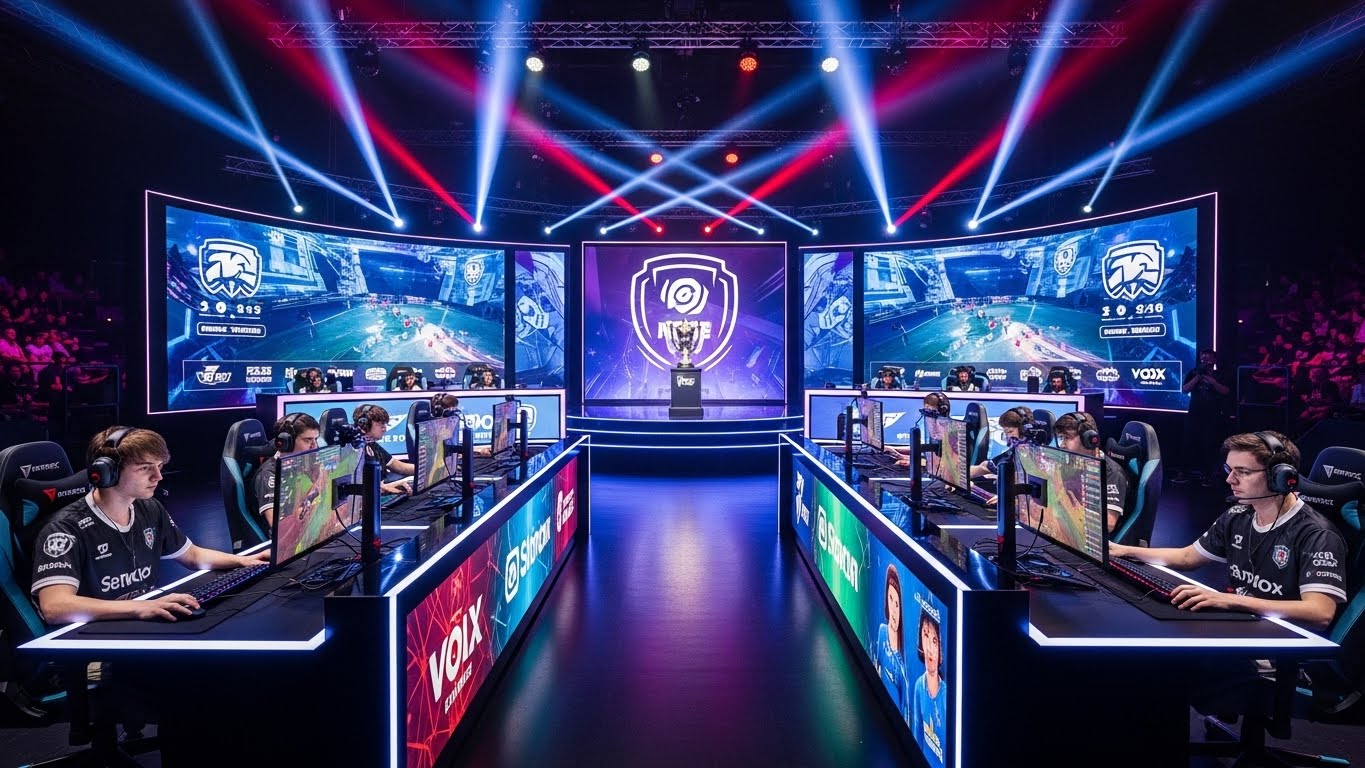
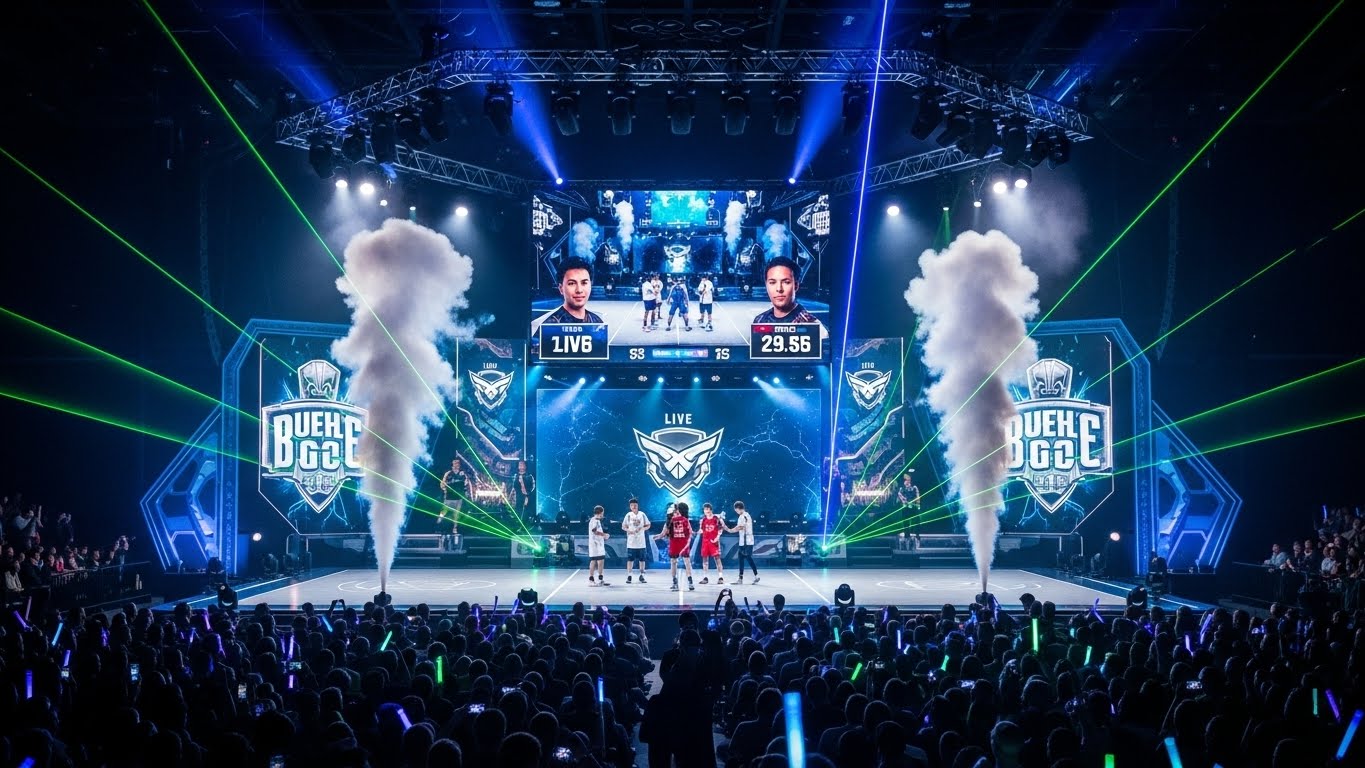
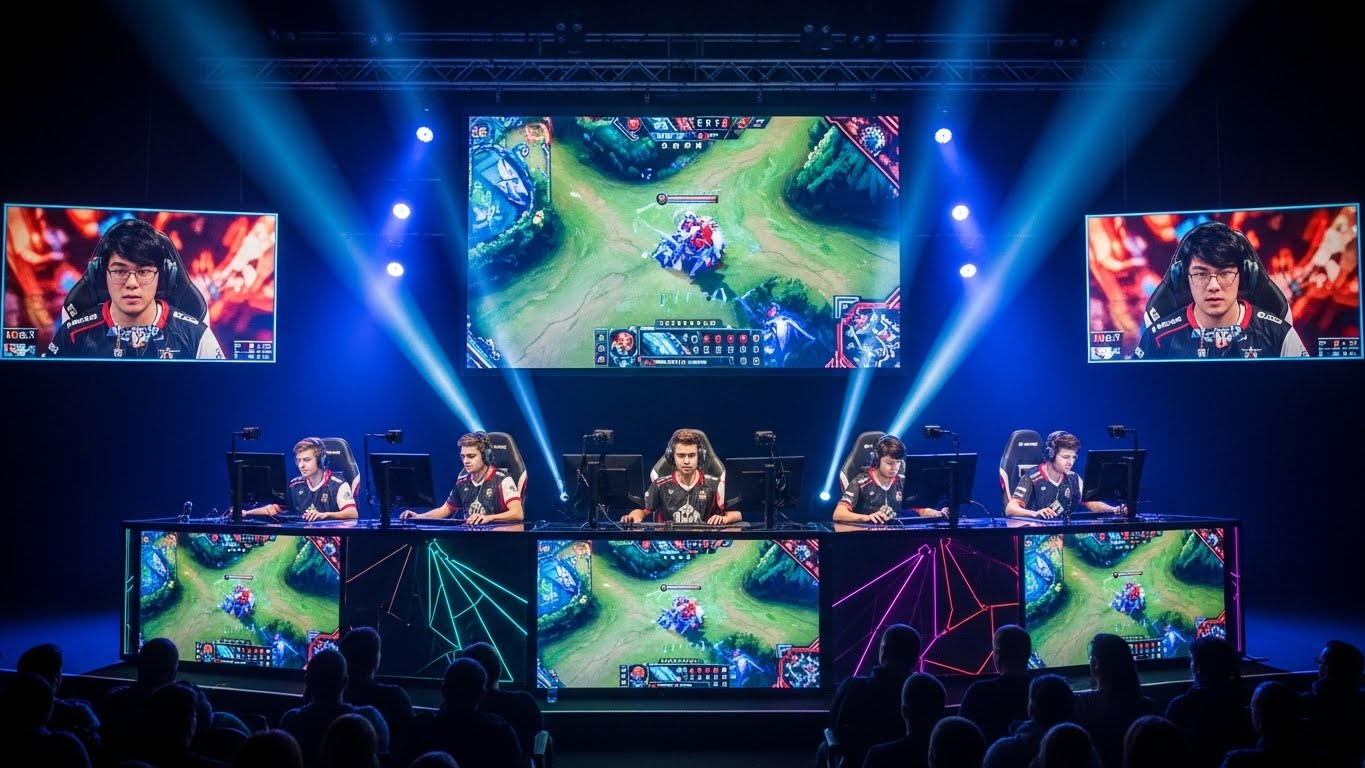
Tournament organizers create large-scale events with professional production quality, including commentary, analysis desks, and live audiences. Game developers also play a unique role by maintaining competitive balance, releasing updates, and supporting tournament structures. This interconnected ecosystem ensures esports remains dynamic and continuously evolving.
The Role of Technology and Streaming
Technology is the backbone of esports. High-performance gaming hardware, low-latency internet, and advanced broadcasting tools make competitive gaming possible at a global scale. Streaming platforms revolutionized how fans engage with esports, allowing real-time interaction through live chats, subscriptions, and community features.
Unlike traditional sports, esports fans can watch from multiple perspectives, listen to team communications, and follow individual players closely. This level of access creates a deeper connection between players and audiences, fostering highly loyal fan communities.
Esports as a Career Path
One of the most significant shifts in perception is the recognition of esports as a legitimate career. Professional players can earn income through salaries, tournament winnings, sponsorships, and content creation. Beyond playing, esports offers careers in coaching, event management, marketing, broadcasting, game design, and data analysis.
Educational institutions in many regions have begun offering esports programs and scholarships, further legitimizing the industry. For many young people, esports represents an alternative path that combines passion with professional opportunity.
Cultural Impact and Global Reach
Esports transcends geographical, cultural, and linguistic boundaries. International tournaments bring together players and fans from around the world, creating a shared global culture. Gaming communities often foster inclusivity, where skill and dedication matter more than background.
Esports has also influenced mainstream culture, impacting fashion, music, and digital media. Professional players become influencers, shaping trends and inspiring millions of fans. This cultural integration highlights how esports is not just entertainment, but a social movement driven by digital connectivity.
The Business of Esports
Economically, esports has become a powerful industry. Revenue streams include sponsorships, advertising, ticket sales, merchandise, media rights, and in-game purchases. Major brands invest heavily in esports to reach younger, digitally savvy audiences.
Franchise-based leagues have introduced long-term stability, allowing teams to build local fan bases and attract consistent investment. As a result, esports has shifted from experimental ventures to structured business models with long-term growth strategies.
Challenges Facing the Esports Industry
Despite its success, esports faces several challenges. Player burnout is a major concern due to intense training schedules and performance pressure. Career longevity is often shorter than in traditional sports, making financial planning and post-career opportunities crucial.
Regulation and governance also remain complex. Issues such as cheating, match-fixing, and fair play require consistent oversight. Additionally, ensuring diversity, inclusion, and player welfare continues to be an ongoing challenge that the industry must address to sustain healthy growth.
The Future of Esports
The future of esports appears promising and expansive. Advancements in virtual reality, augmented reality, and artificial intelligence may redefine how games are played and watched. Mobile esports is opening competitive gaming to new markets, especially in regions where console and PC access is limited.
As technology evolves, esports is likely to integrate further with traditional sports, education, and mainstream media. The lines between gaming, entertainment, and social interaction will continue to blur, positioning esports as a cornerstone of digital culture.
Conclusion: A Digital Revolution in Competition
Esports represents a fundamental shift in how competition, entertainment, and community are experienced in the digital age. What began as simple gaming contests has grown into a global phenomenon that influences culture, business, and technology. With its unique blend of skill, strategy, and spectacle, esports has secured its place as more than just a trend.
As audiences grow and opportunities expand, esports will continue to challenge traditional definitions of sport and entertainment. Its journey from pixels on a screen to packed arenas and worldwide recognition is a testament to the power of innovation and passion in shaping the future.