championtribe73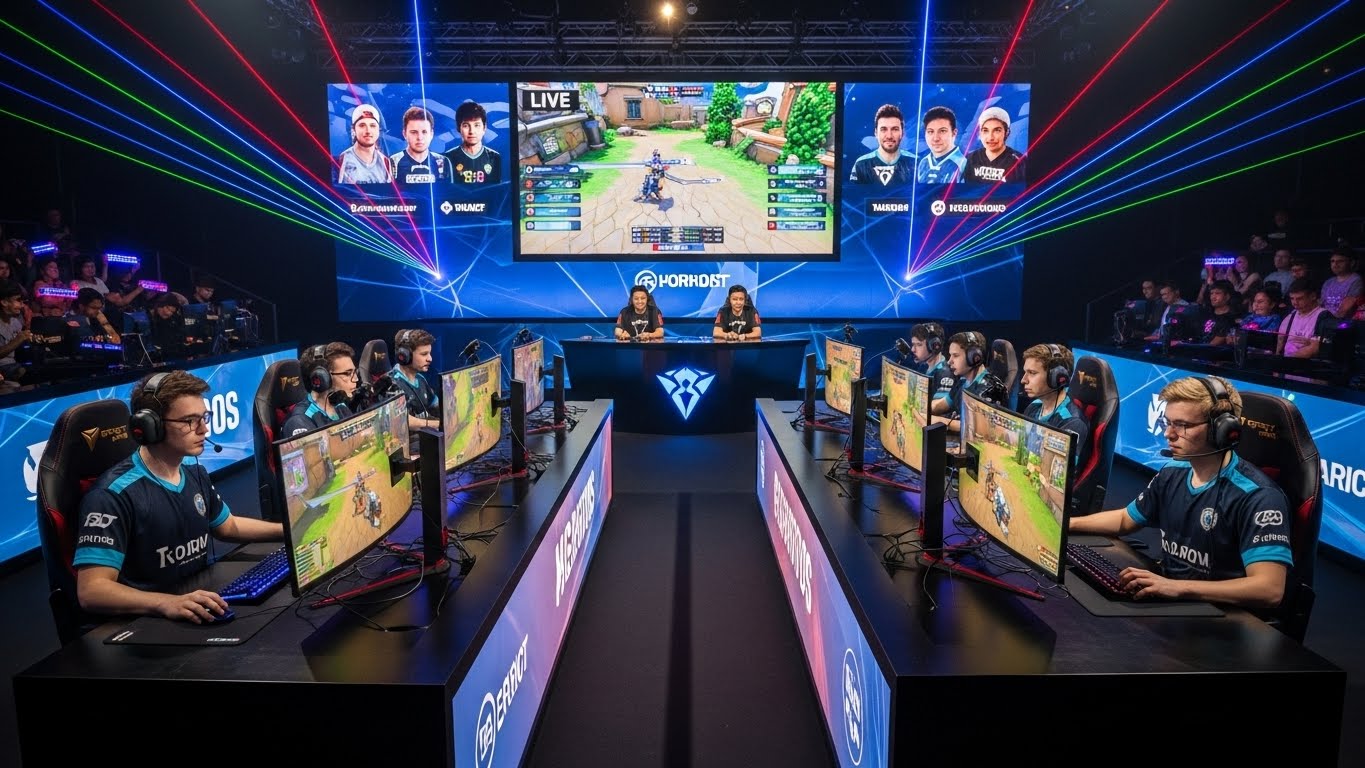
Introduction
Esports has rapidly transformed from a niche pastime into a global cultural force, drawing millions of viewers, inspiring new careers, and redefining ideas about competition. Once regarded as a hobby practiced in dimly lit internet cafés, competitive gaming is now a mainstream entertainment giant, rivaling traditional sports in viewership, prize pools, and international influence. This surge is not accidental but the result of technological innovation, shifting cultural attitudes, and a new generation of digital-native players and fans. In this blog, we explore the rise of esports, how it became a global spectacle, why it matters culturally and economically, and where it might be headed next.
The Origins of Competitive Gaming
Although modern esports appears fresh and futuristic, its roots stretch back decades. In the late twentieth century, players gathered around arcade machines, competing for high scores in games like Space Invaders and Pac-Man. These competitions were modest, often limited to local arcades or small conventions. Yet they established the foundation for the competitive spirit that drives esports today. Over time, technology advanced, allowing gaming to move from public arcades into homes. Early console tournaments and PC LAN events in the 1990s brought communities together and sparked the idea that video gaming could evolve into a serious competitive platform.
The launch of multiplayer-focused titles created new avenues for competition. Games like Doom, Quake, StarCraft, and Counter-Strike became early pillars of the esports movement. Internet connectivity reshaped the landscape, enabling players to challenge each other across great distances. With the arrival of online gaming, the stage was set for esports to move from casual contests to organized, high-stakes global tournaments.
The Explosion of Esports Popularity
The 2000s ushered in an era of extraordinary growth. Esports organizations formed, tournaments grew in scale, and competitive gaming began to capture mainstream attention. High-speed internet access became more widely available, enabling more players to compete and more fans to watch. At the same time, streaming platforms emerged, revolutionizing how esports reached audiences. Before this innovation, esports events relied on niche outlets or local broadcasts. But streaming allowed fans worldwide to watch live matches, study strategies, and follow their favorite teams or personalities in real time.
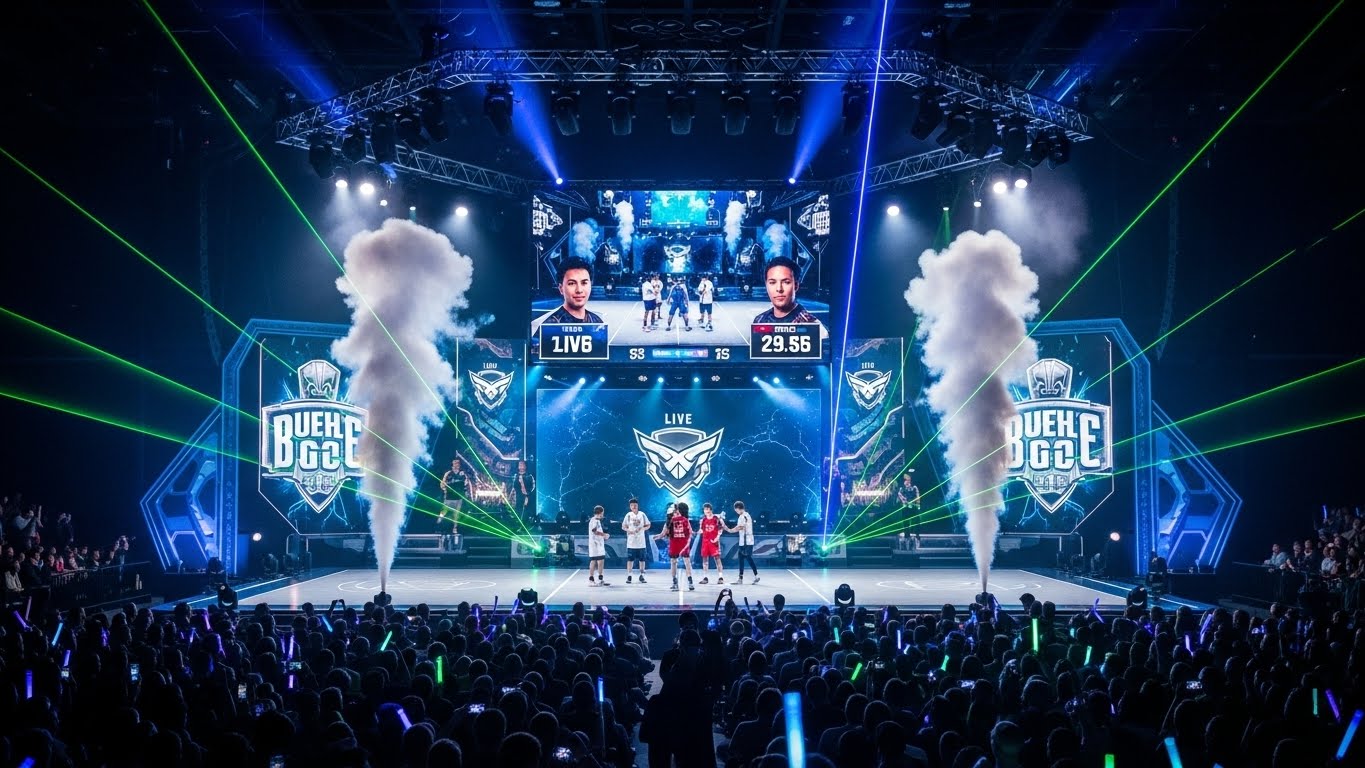
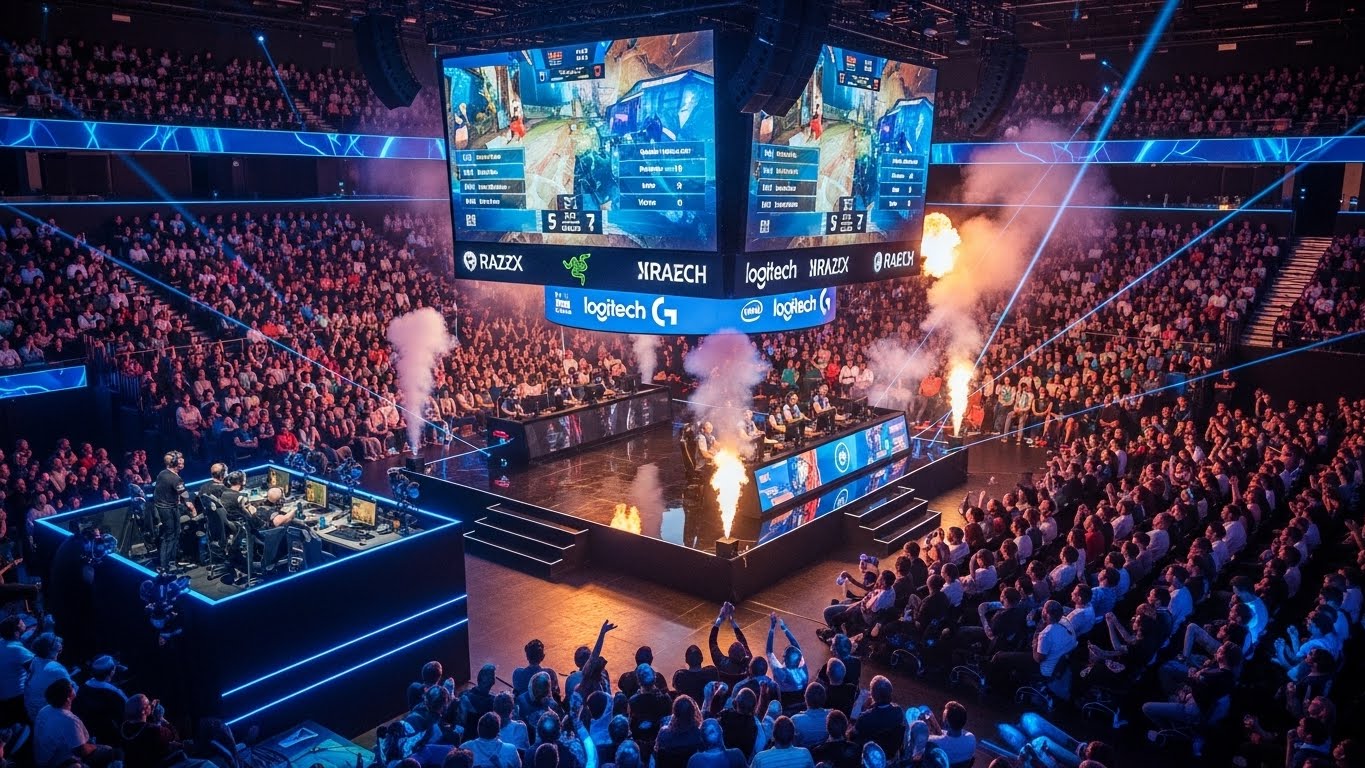
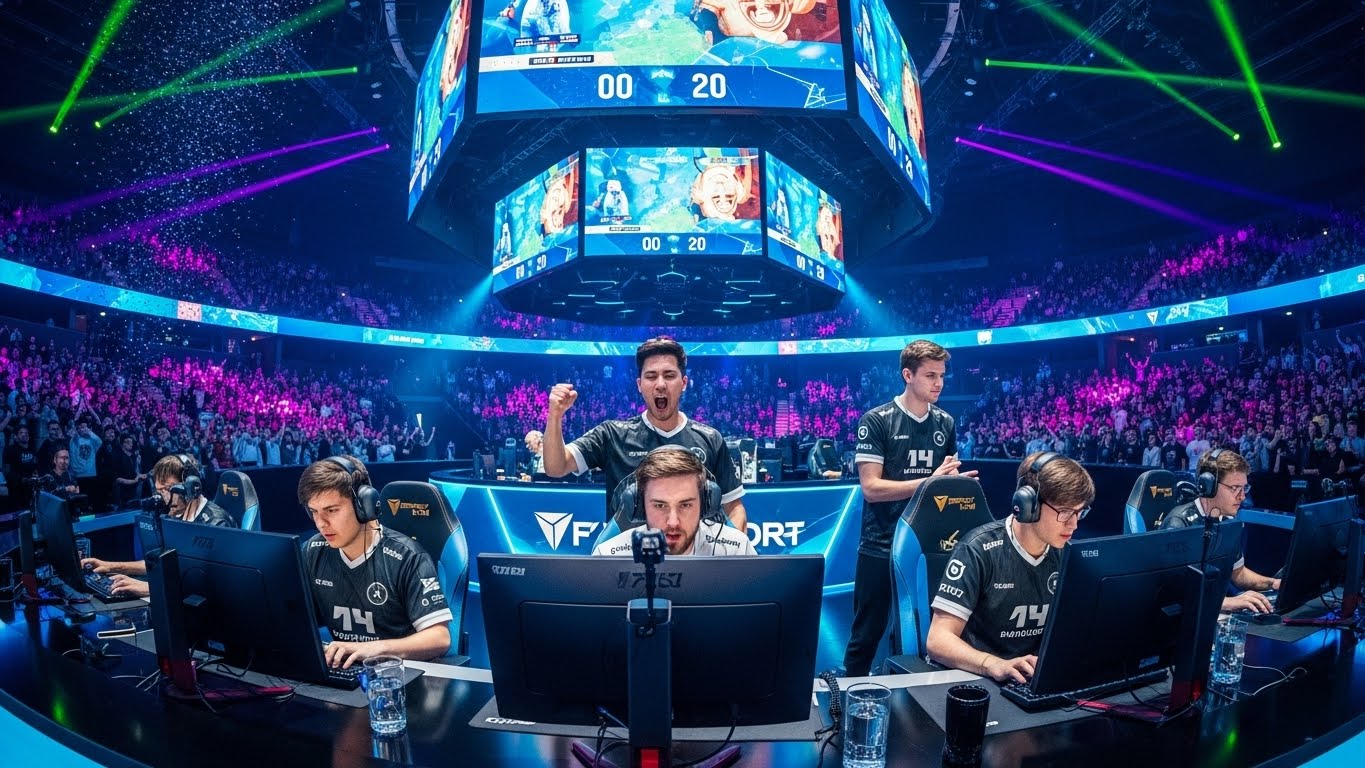
This accessibility fueled an explosion in popularity. Tournaments that once drew thousands began attracting millions. Stadiums started hosting events, and the energy of a live esports crowd rivaled that of traditional sports environments. Professional teams, sponsorship deals, and player salaries increased dramatically. Esports transitioned from side attraction to centerpiece, gaining recognition as a legitimate competitive discipline.
The Structure of Modern Esports
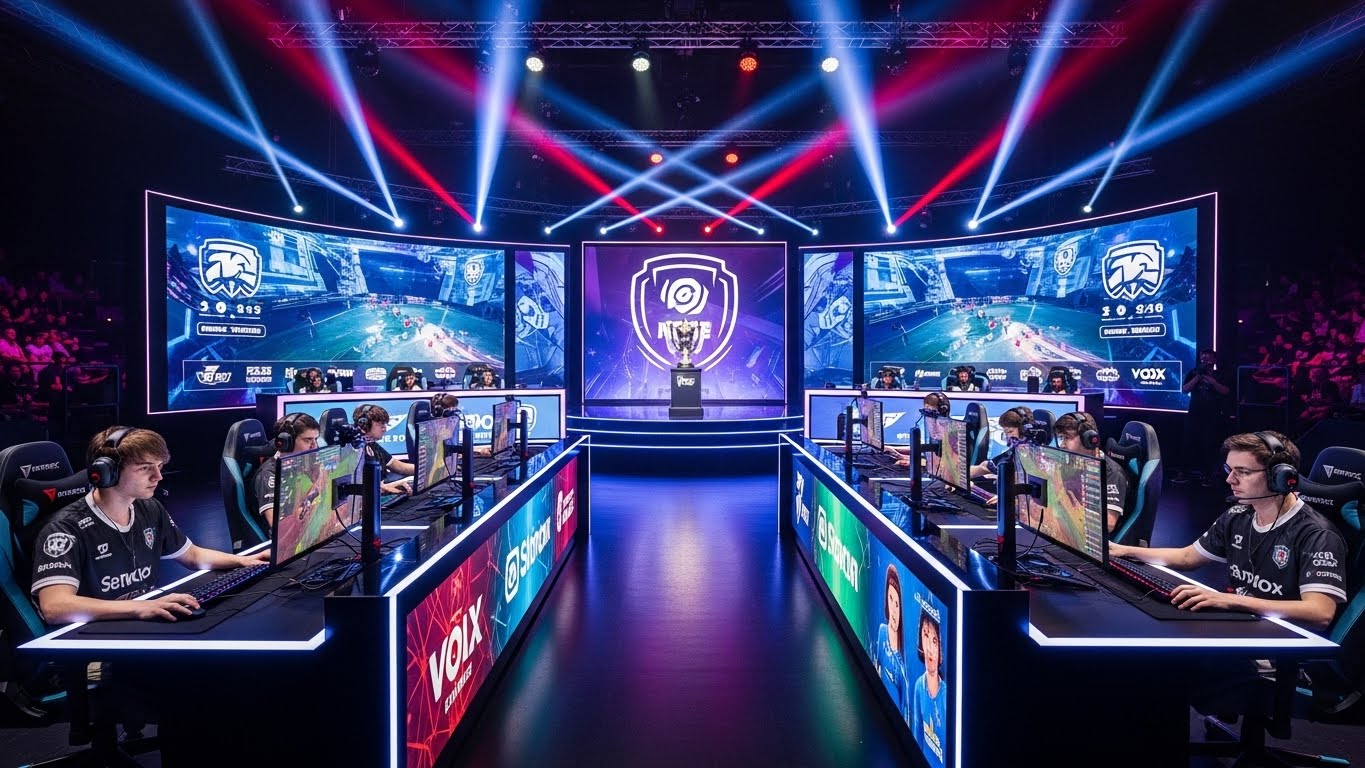
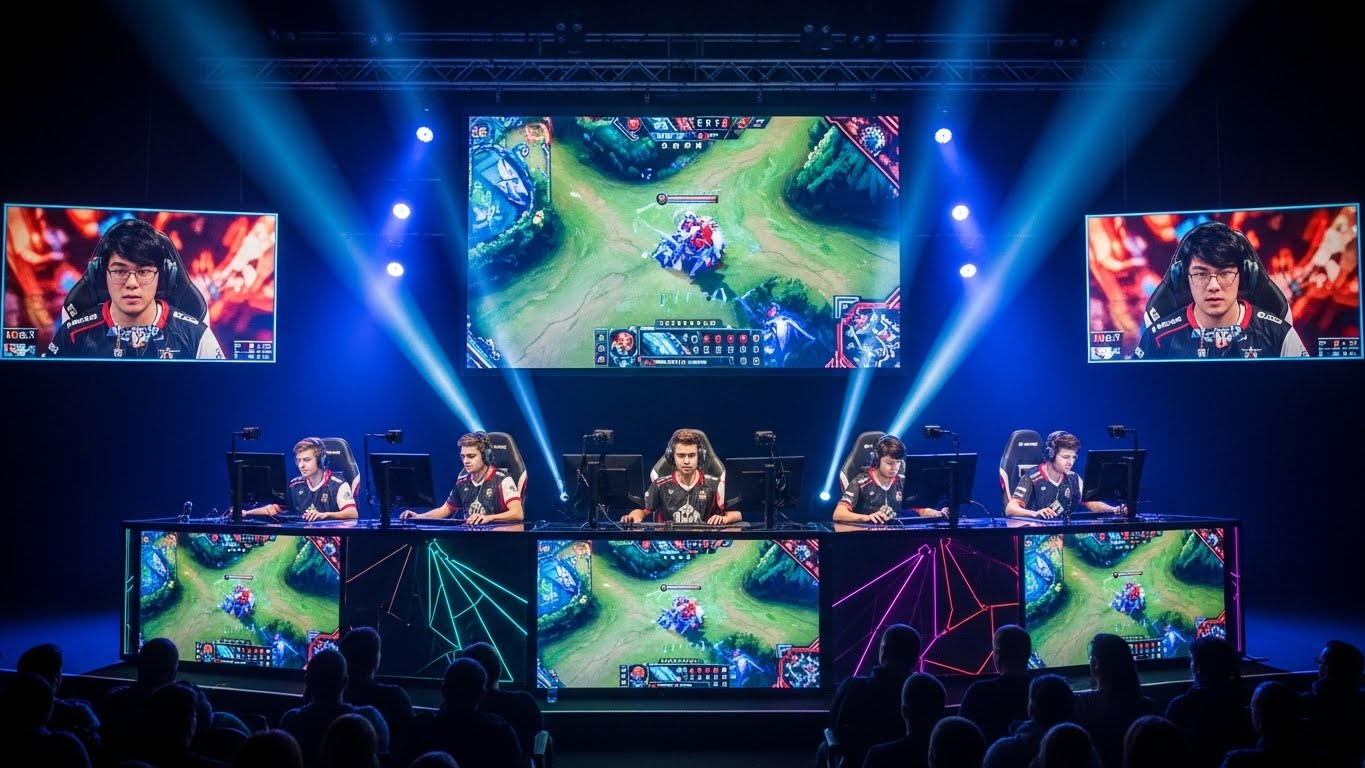
Today’s esports ecosystem is highly organized, professional, and multi-layered. At the top are international tournaments that feature the world’s best teams. These events often include extensive qualification rounds, regular seasons, and playoffs. Titles such as League of Legends, Dota 2, Valorant, Overwatch, Rocket League, and Counter-Strike: Global Offensive stand at the forefront of the competitive landscape.
Teams operate like traditional sports clubs, complete with managers, coaches, analysts, and support staff. They scout talent, train rigorously, and approach competitions with tactical precision. Organizations also invest heavily in branding, merchandising, and fan engagement. Training facilities resemble high-tech sports centers, where players undergo structured practice sessions, physical conditioning, and even mental wellness programs.
This level of professionalism demonstrates how esports has evolved beyond simple gameplay. It is now an industry driven by strategy, teamwork, discipline, and innovation.
Esports as a Form of Entertainment
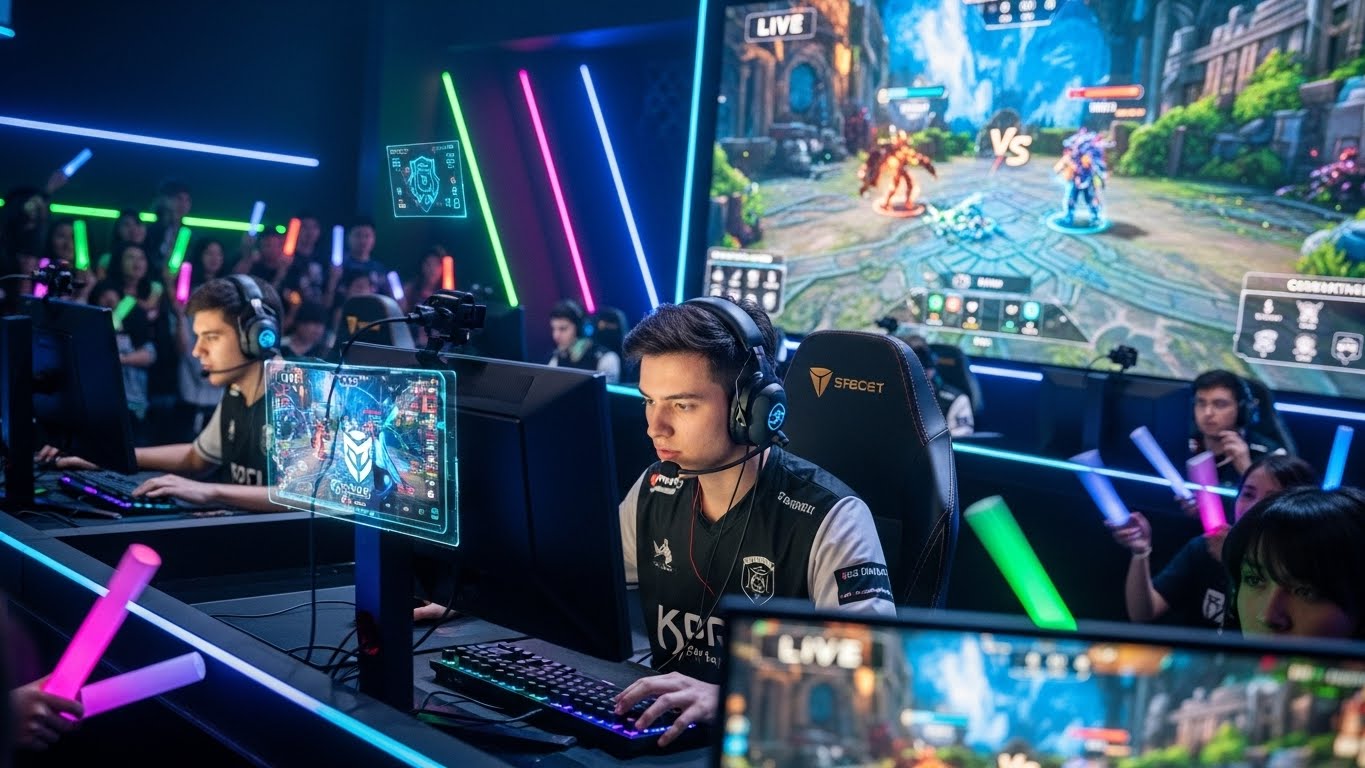
Esports has become a massive entertainment phenomenon. Fans follow the lives of players on social media, watch streams for hours each day, and even attend live events in arenas filled with lights, music, and energetic crowds. Spectators engage with esports because it blends high-speed action with deep strategy. Matches can shift in seconds, creating suspense and emotional investment similar to traditional athletic competitions.
Another reason for esports’ entertainment success is its inclusivity. Viewers do not need to play the game at a high level to appreciate the excitement. At the same time, those who do play gain unique insight by watching professionals perform advanced techniques. This dual appeal sets esports apart from many other entertainment forms. It is interactive, dynamic, and constantly evolving.
Economic Impact and Industry Growth
The economic footprint of esports is enormous and continues to expand. Prize pools have reached staggering amounts. Major events attract millions of viewers, generating advertising revenue and corporate sponsorships. Tech companies, gaming publishers, hardware manufacturers, and even non-gaming brands have invested heavily in esports initiatives.
Sponsorships play a major role in funding teams and tournaments. Brands see esports audiences as young, engaged, and globally connected, making them ideal for marketing. Merchandise, digital goods, event tickets, coaching services, and in-game purchases add layers to the revenue ecosystem. Many players now earn salaries comparable to athletes in traditional sports, while top performers gain celebrity status.
The economic impact extends beyond players and teams. Event organizers, content creators, commentators, analysts, marketers, and production crews all contribute to the industry. Cities benefit from hosting events. Universities now offer esports scholarships and academic programs, recognizing the significance of this growing field.
The Role of Technology in Shaping Esports
Esports is inseparable from technology. Advancements in hardware, software, and network capabilities have fueled its rise. High-performance gaming equipment enables precision and speed, while stable online infrastructures ensure fair and seamless gameplay. Game developers continuously refine competitive titles to maintain balance and fairness, ensuring that skill remains the primary decider of victory.
Furthermore, technology has enhanced how fans experience esports. Streaming platforms deliver high-quality broadcasting to millions. Advanced overlays, replays, and real-time statistics enrich the viewing experience. Artificial intelligence and data analytics are increasingly used by teams to study opponents, optimize performance, and strategize more effectively.
Virtual reality and augmented reality may shape the next era of esports, potentially creating new forms of competition that merge physical and digital experiences.
The Cultural Influence of Esports
Esports has become a significant cultural force. It influences fashion, language, and entertainment trends. Esports athletes are celebrated like traditional sports stars, often collaborating with brands, appearing in media, and becoming influencers. Gaming communities foster strong relationships, where fans and players share strategies, celebrate victories, and support each other.
In many regions, esports has also become a point of national pride. International tournaments resemble global sporting events, with fans cheering for their country’s representatives. This cultural shift emphasizes how deeply ingrained gaming has become in modern society.
Esports has also helped redefine what it means to be an athlete. While traditional athleticism relies heavily on physical prowess, esports demonstrates that mental agility, reflexes, teamwork, and strategic thinking are equally valuable. This expanded definition of competition reflects evolving values in a digital-first world.
Challenges Facing the Esports Industry
Despite extraordinary growth, esports faces challenges that must be addressed for long-term stability. Player burnout is a major concern. Many professionals begin training at a young age and spend long hours practicing, leading to physical and mental stress.
Another challenge is maintaining fairness. Issues such as cheating, match-fixing, and hacking threaten the integrity of competitions. Organizations must invest in robust security measures, anti-cheat systems, and standardized regulations.
Additionally, the industry must balance commercial interests with community values. Rapid monetization can risk alienating fans if not handled thoughtfully. The future of esports depends on its ability to grow sustainably while preserving the passion that built it.
The Future of Esports
The future of esports appears bright and full of possibility. As technology continues to advance, new games, formats, and experiences will emerge. Virtual reality competitions may create entirely new genres. Artificial intelligence could shape training methods and improve performance analysis. More countries may recognize esports as an official sport, expanding its legitimacy and global influence.
Educational programs will likely continue to grow, cultivating new talent and offering career paths beyond playing professionally. Media networks may integrate esports more deeply into mainstream entertainment. With its worldwide appeal, esports is positioned to remain a cultural and economic powerhouse for decades to come.
Conclusion
Esports is more than competitive gaming; it is a celebration of skill, creativity, and community. From humble beginnings to massive global arenas, it has reshaped how people connect, compete, and entertain themselves. As it continues to evolve, esports will remain a defining force of the digital age, inspiring new generations of players, fans, and innovators. Its rise represents not only a shift in entertainment but also a broader transformation in how society values talent, teamwork, and technology.