championtribe73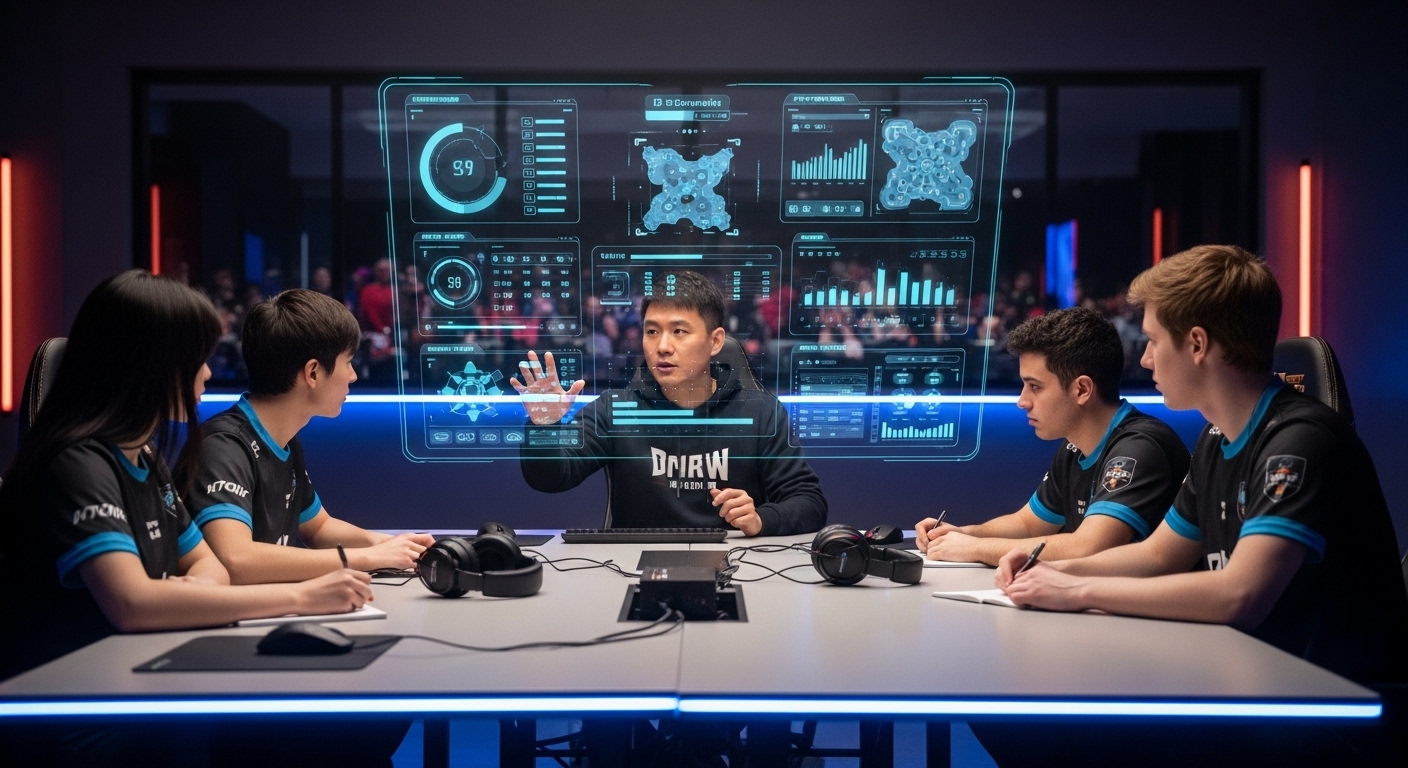
Introduction
Successful esports teams are not just about skilled players—they require effective management, strategy, and communication. Team management covers recruitment, coaching, scheduling, performance tracking, and conflict resolution.
This blog explores best practices in esports team management, roles, tools, challenges, and future trends.
Key Roles in Esports Teams
- Team Manager: Oversees scheduling, logistics, and player coordination.
- Coach: Develops strategies, analyzes gameplay, and provides feedback.
- Analyst: Evaluates performance metrics, opponent strategies, and meta trends.
- Mental Health & Wellness Officer: Supports players’ mental and physical health.
- Players: Execute strategies and maintain communication during tournaments.
Recruitment and Talent Development
- Scouting emerging talent from amateur leagues or online platforms.
- Evaluating players’ skills, teamwork, and attitude.
- Training and mentorship programs for skill development.
- Continuous feedback and performance assessment for growth.
Communication and Collaboration
- Use of in-game communication tools, Discord, and team software.
- Regular team meetings to discuss strategy and feedback.
- Conflict resolution protocols to maintain harmony.
- Team-building exercises to strengthen cohesion.
Scheduling and Practice Management
- Balanced practice schedules to avoid burnout.
- Integration of physical and mental wellness routines.
- Tournament preparation with mock matches and scrimmages.
- Data-driven practice planning using analytics and AI.
Technology in Team Management
- AI and analytics for performance tracking and strategy optimization.
- Cloud-based collaboration tools for remote teams.
- VR and AR simulations for immersive practice.
- Communication and scheduling platforms to streamline operations.
Challenges in Team Management
- Player burnout and stress management.
- Balancing competition with wellness and personal life.
- Recruitment and retention in a highly competitive market.
- Ensuring fair revenue distribution and sponsorship management.
Future Trends
- AI-assisted team strategy planning and player recruitment.
- Virtual team houses and immersive training environments.
- Cross-regional team management integrating global esports talent.
- Data-driven wellness integration for optimal performance.
Conclusion
Team management is the backbone of successful esports organizations. Effective leadership, communication, and technology integration allow teams to compete at the highest levels while maintaining player health and cohesion.