championtribe73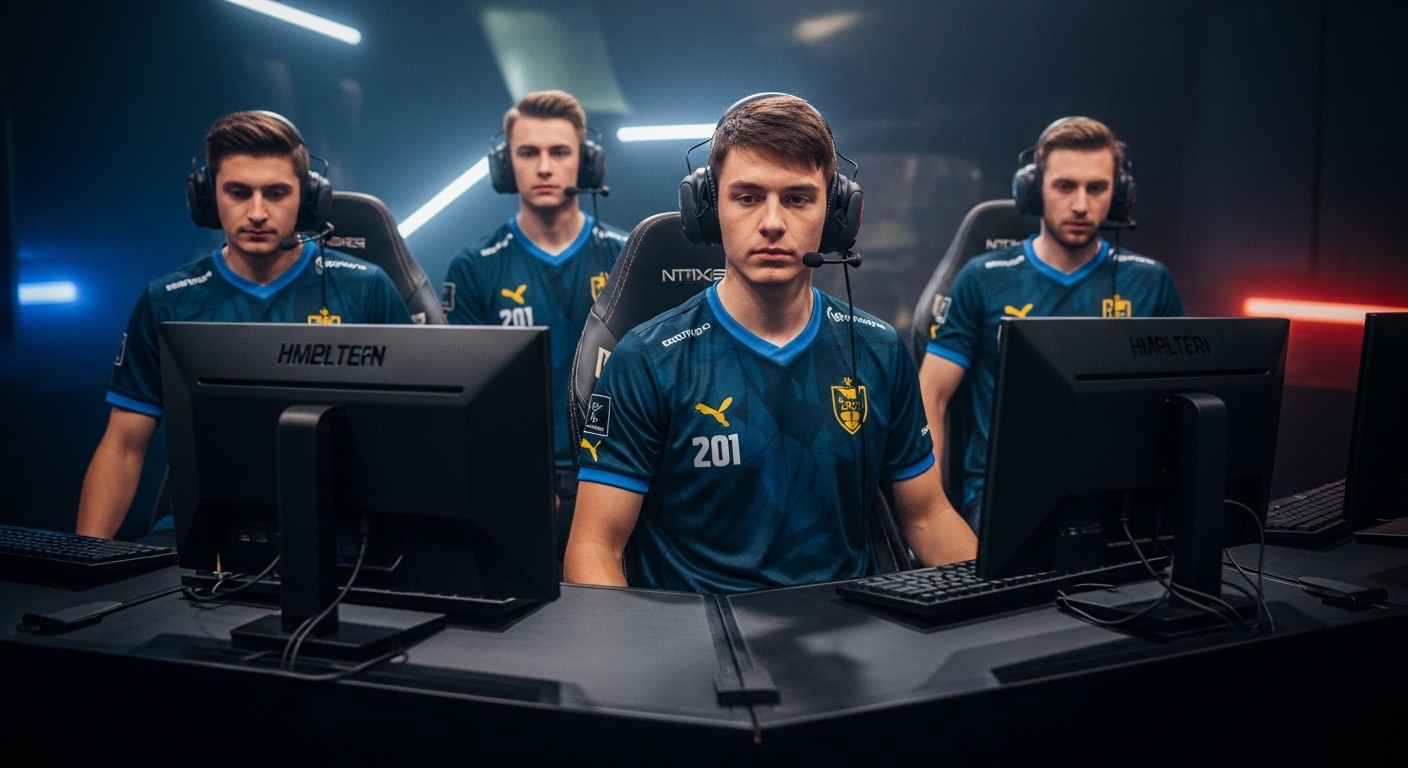
In the past decade, esports has evolved from a niche hobby into a global phenomenon, captivating millions of fans and players alike. What once started as casual video game competitions has now grown into a multibillion-dollar industry, with professional players, coaches, tournaments, and sponsors, all playing pivotal roles. Esports is not only redefining the way we perceive competition but also reshaping the entertainment landscape.
What Exactly is Esports?
Esports, short for “electronic sports,” refers to organized, multiplayer video game competitions, often between professional players or teams. These competitions cover a wide range of games, including popular titles like League of Legends, Fortnite, Counter-Strike: Global Offensive, and Dota 2. Unlike casual gaming, esports demands high levels of skill, strategy, and coordination, drawing similarities to traditional sports like basketball or soccer.
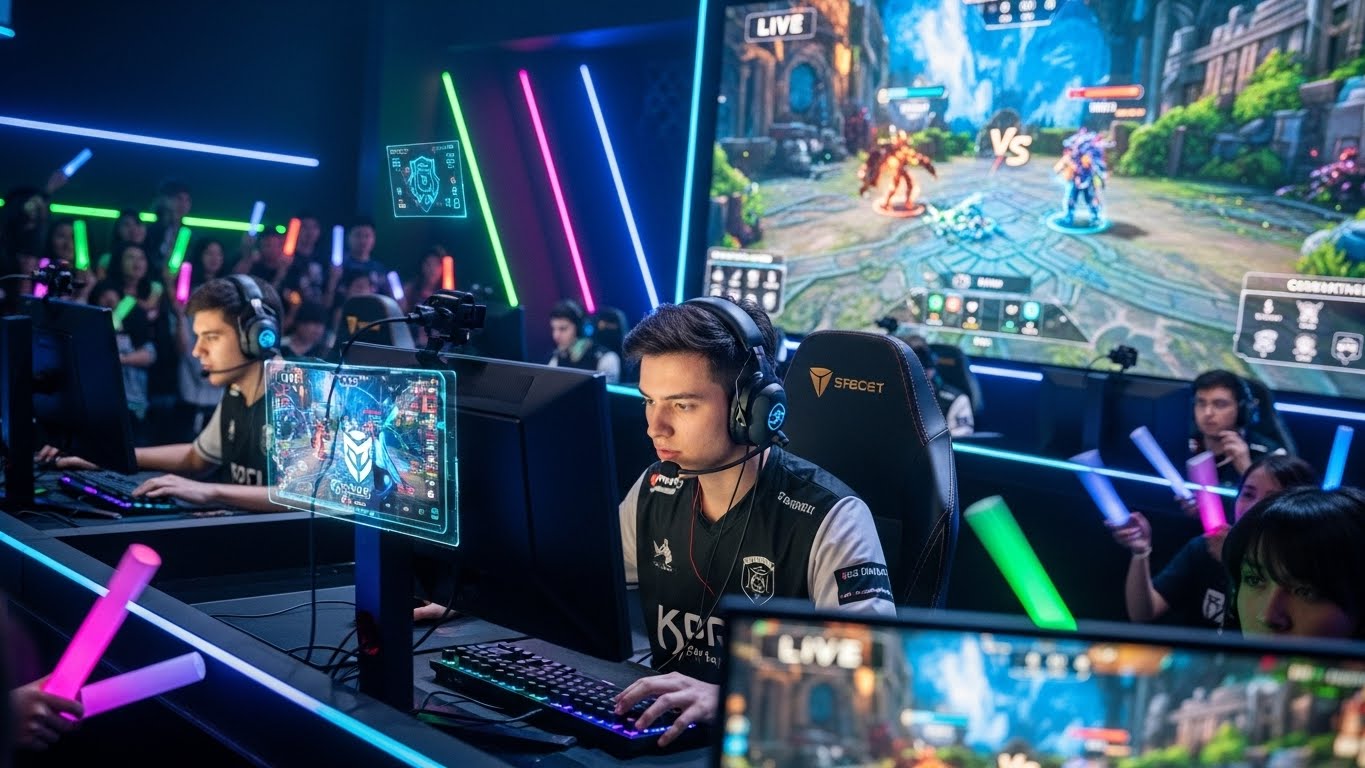
Players train rigorously, often spending hours each day perfecting their craft, analyzing strategies, and improving their gameplay. Esports involves more than just pressing buttons — it’s about mastering complex strategies, communication, and teamwork under intense pressure.
The Explosive Growth of Esports
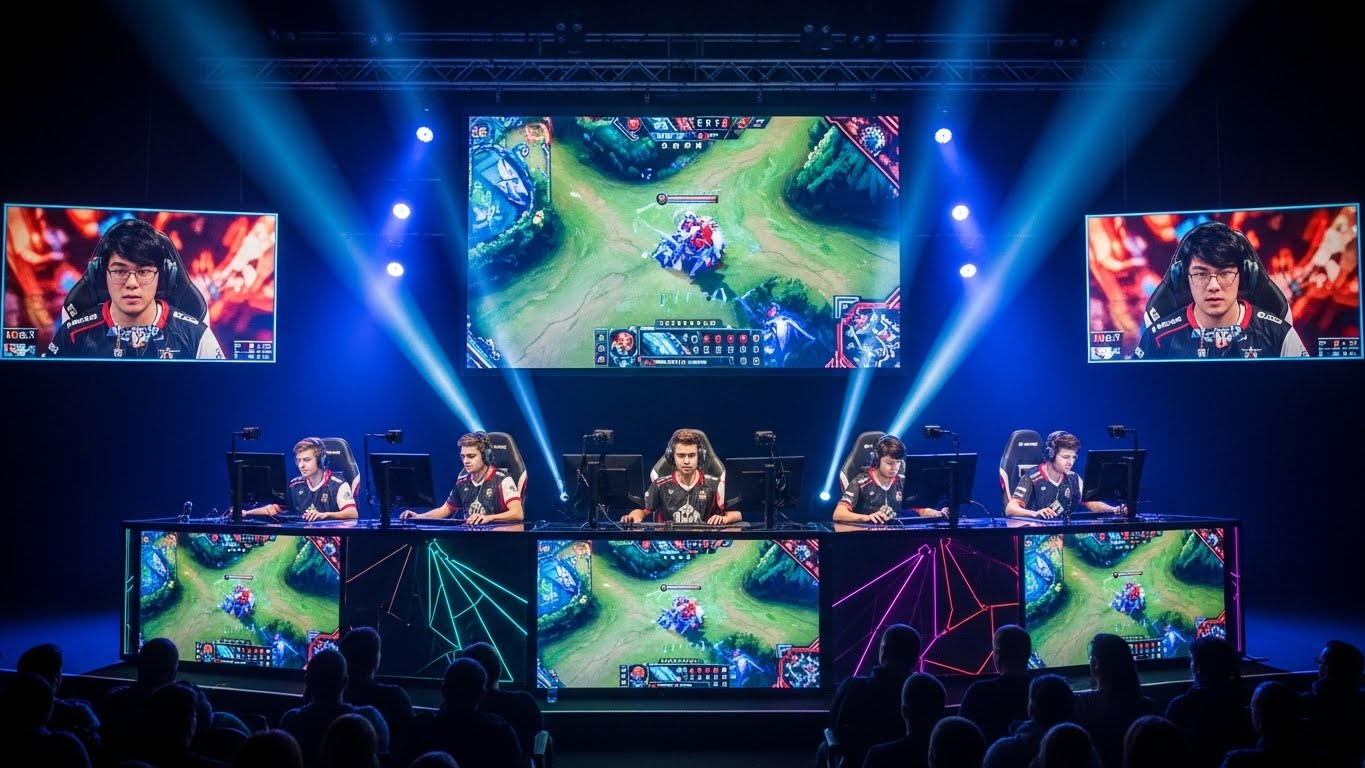
The esports industry has witnessed exponential growth over the past decade. What began as small, local tournaments has evolved into major international competitions, such as the League of Legends World Championship or The International (Dota 2). These events attract millions of viewers from all corners of the globe and offer prize pools worth millions of dollars.
Streaming platforms like Twitch and YouTube have also played a crucial role in this expansion, allowing fans to watch live events or catch up on recorded matches. In fact, some esports tournaments now draw in larger live audiences than traditional sporting events, with the League of Legends World Championship in 2019 even surpassing the viewership of the Super Bowl.
The Esports Ecosystem: Players, Teams, and Tournaments
At the heart of esports are its professional players, who often sign contracts with teams and organizations that provide sponsorship, coaching, and training facilities. These players can make a living through tournament earnings, sponsorship deals, streaming, and merchandise sales. Just like traditional athletes, esports professionals have a team of coaches, analysts, and support staff who help them stay at the top of their game.
Esports teams are not just based in one country; the global nature of gaming allows for international representation. Teams from North America, Europe, South Korea, and China all regularly compete in international leagues and tournaments, adding to the competitive spirit of the industry.
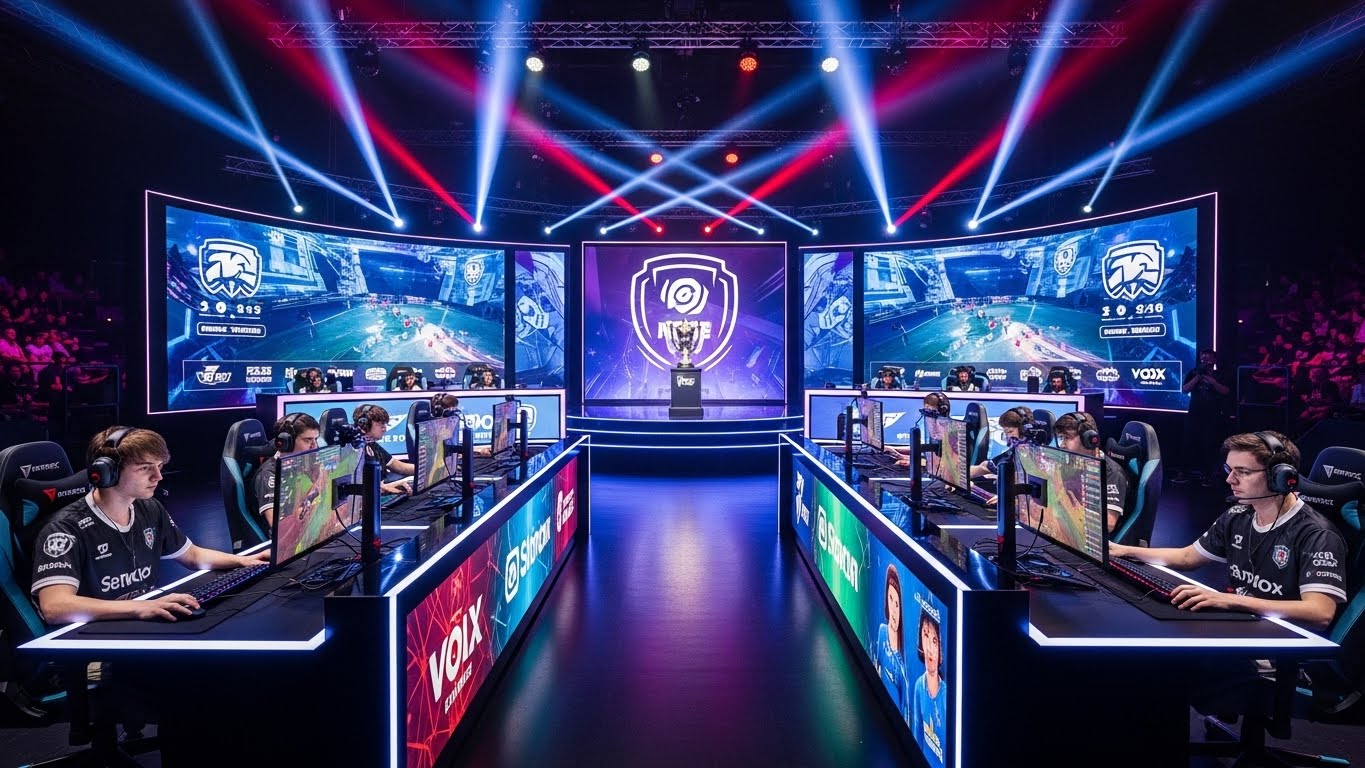
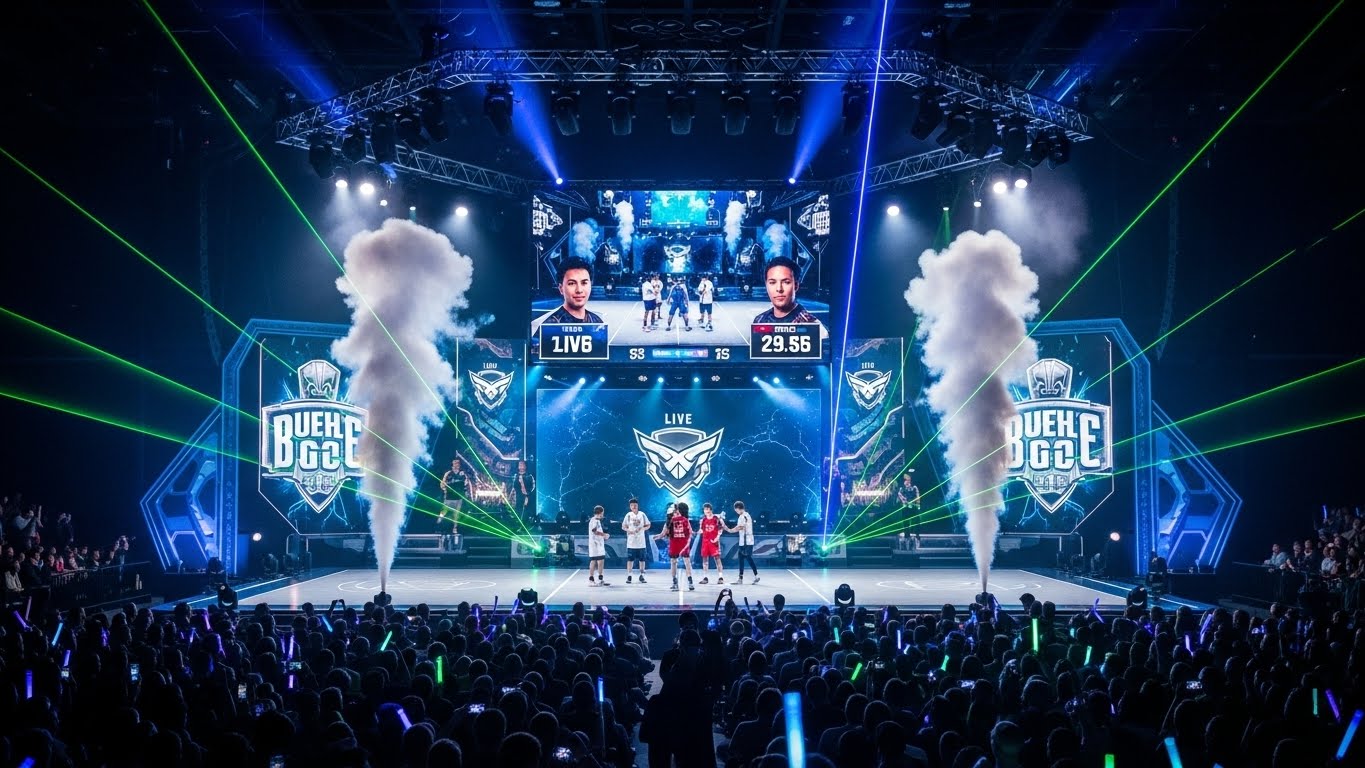
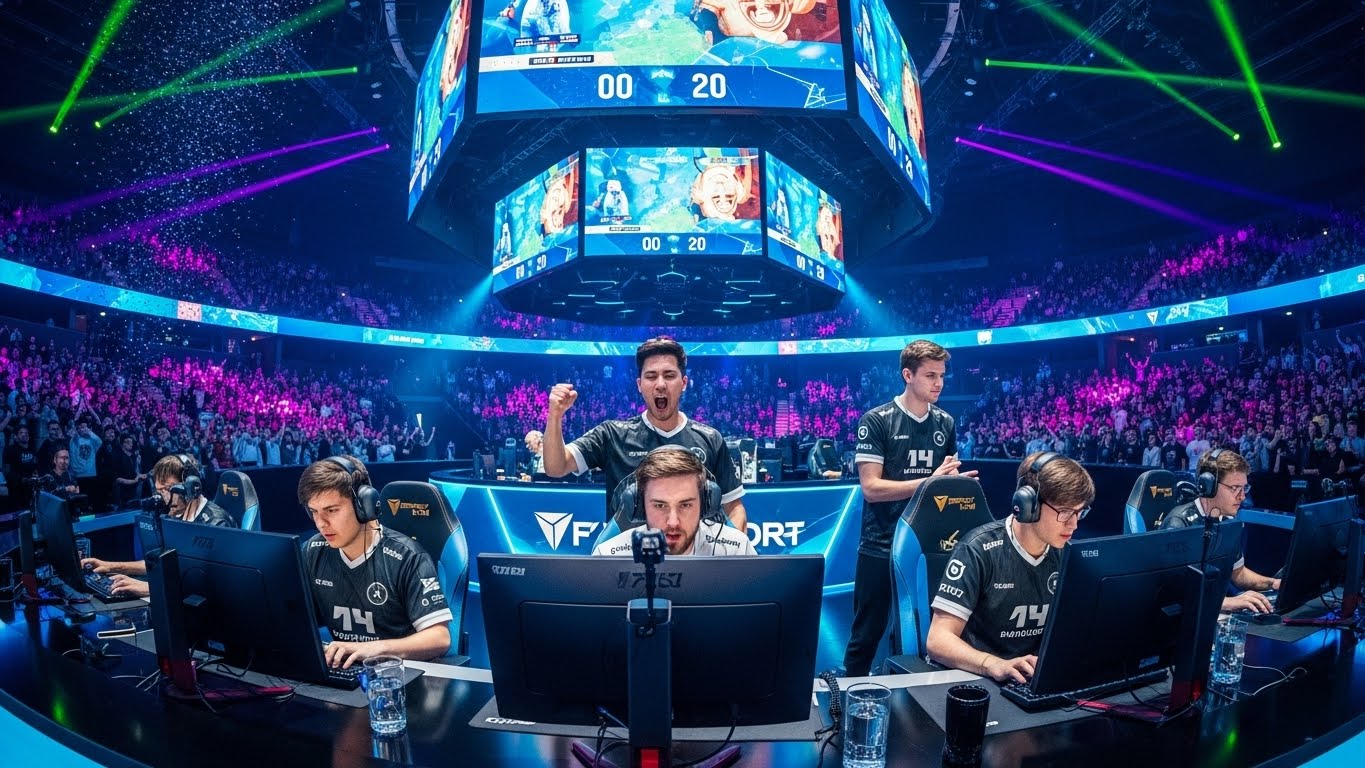
The tournaments themselves have grown to be large-scale events held in stadiums and broadcast globally. These tournaments, such as The International and Worlds (the League of Legends World Championship), are the pinnacle of esports competition, offering players the chance to prove themselves on the world stage.
The Business Side of Esports
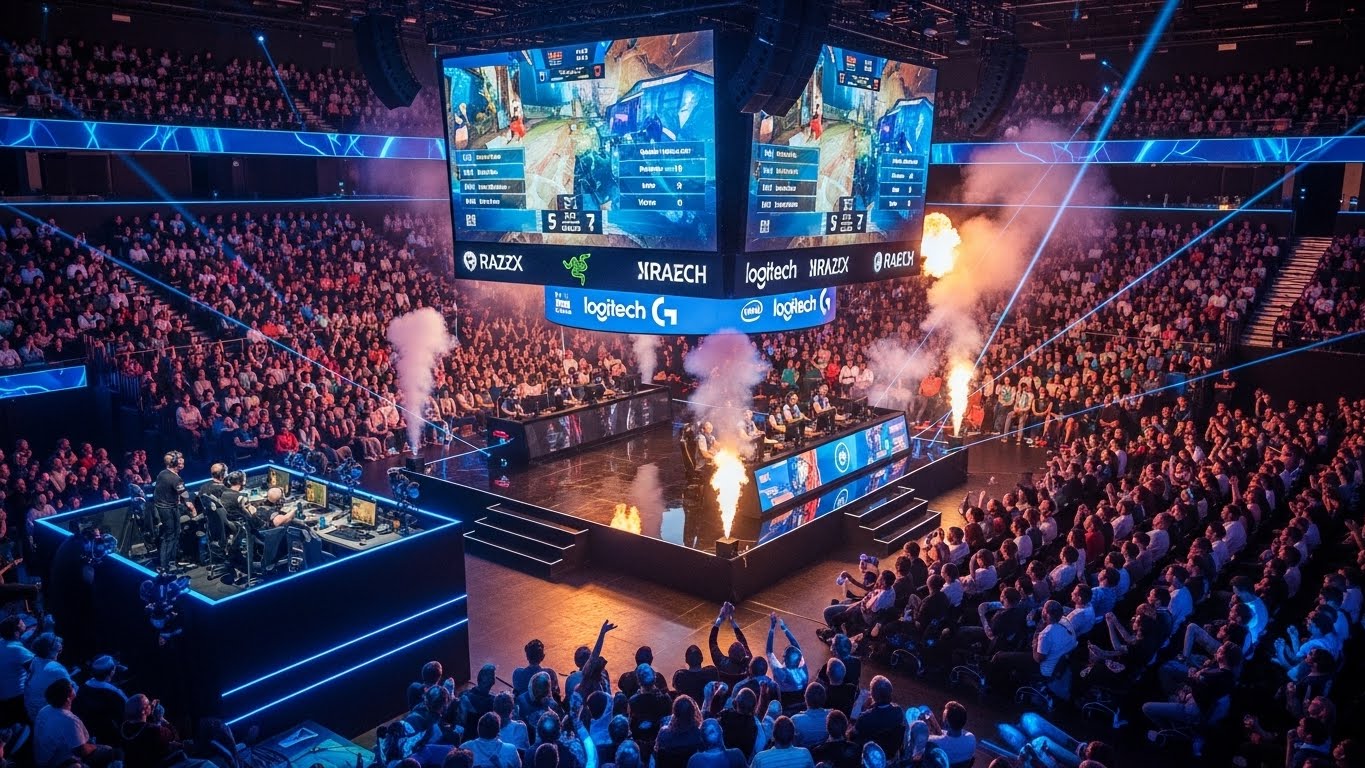
Esports is not just about gaming — it’s big business. Sponsorship deals with major companies like Coca-Cola, Intel, and Nike have poured millions into the industry. The revenue generated through advertising, broadcasting rights, and merchandise has turned esports into a legitimate market, providing lucrative opportunities for players, coaches, team managers, and other stakeholders.
In addition, esports betting is gaining popularity, further driving the economic potential of the industry. Fans can wager on tournaments and matches, adding another layer of excitement to the overall experience. This commercial aspect of esports has turned it into a mainstream industry, rivaling traditional sports leagues in terms of financial success.
Esports and Its Impact on Popular Culture
One of the most exciting aspects of esports is its cultural impact. It has introduced a new form of entertainment that transcends national borders, connecting people from all walks of life through their shared love of gaming. Streaming platforms, particularly Twitch, have become social hubs where fans and players interact in real time. This has allowed players to build dedicated fanbases and cultivate personal brands, similar to traditional sports stars.
Esports also influences music, fashion, and even lifestyle trends. Many esports organizations collaborate with fashion brands for exclusive merchandise, while music festivals and live events often feature esports competitions as part of their programming. It’s a vibrant, ever-growing subculture that continues to influence mainstream media and entertainment.
Challenges and Concerns in the Esports Industry
Despite its rapid growth, the esports industry faces several challenges. One of the major issues is player burnout. Many professional gamers start their careers young, and the demanding training schedules can take a toll on their mental and physical health. As esports grows, there is a growing need for proper support systems for players, including mental health resources and career development programs.
Another challenge is the lack of regulation. Unlike traditional sports, esports doesn’t have a centralized governing body, which can lead to inconsistencies in how tournaments are run or how teams operate. As the industry matures, establishing better frameworks and standards will be crucial to ensuring fairness and sustainability.
The Future of Esports
The future of esports looks bright. As technology advances, so too does the potential for more immersive and interactive experiences. Augmented reality (AR) and virtual reality (VR) could provide players and spectators with new ways to experience esports events. Additionally, the growing interest in esports among younger generations indicates that the industry will continue to expand and evolve.
Esports is also finding its place in educational institutions, with universities offering scholarships for esports players and even creating varsity teams. This further solidifies esports as a legitimate career path for talented gamers, opening the door for future generations to pursue their passion professionally.
Conclusion: Esports is Here to Stay
Esports has come a long way from its humble beginnings. It has transformed into a global industry that combines the thrill of competition with the excitement of digital entertainment. With a dedicated fanbase, lucrative business opportunities, and growing cultural relevance, esports is not just a passing trend — it’s the future of competitive sports.
As technology continues to evolve, the potential for esports to reach new heights is endless. Whether you’re a casual player or an avid fan, one thing is clear: esports is here to stay, and it’s only going to get bigger.