championtribe73
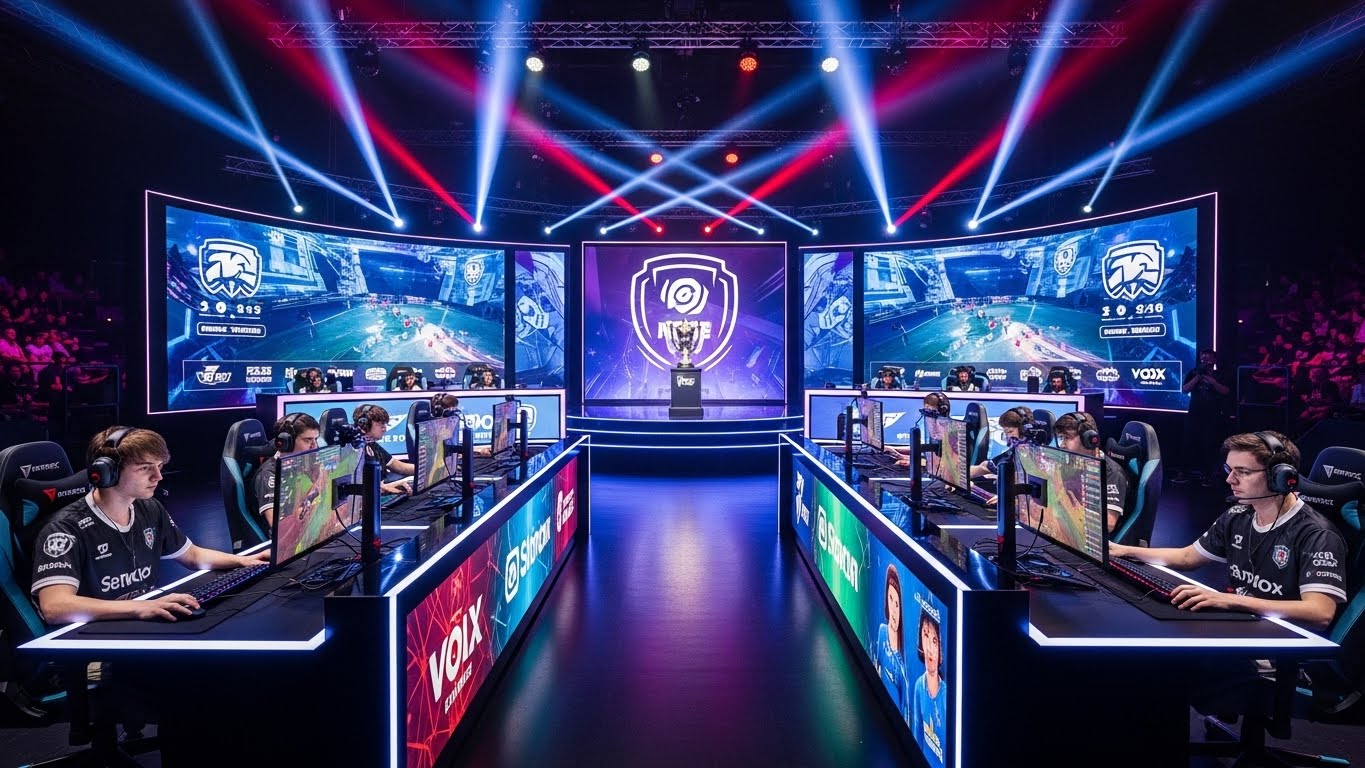
In recent years, esports has transcended its roots as a casual gaming activity to become a massive global industry, with an immense following and a growing presence in mainstream entertainment. No longer confined to the niche corners of gaming forums or LAN party rooms, esports is now a professional sport, with athletes, teams, sponsors, and millions of viewers around the world. What started with small competitive gaming tournaments has blossomed into a multi-billion-dollar industry, revolutionizing how we view competitive play, digital entertainment, and even social interaction.
In this blog post, we will dive deep into the origins of esports, how it grew into the powerhouse it is today, and what the future of competitive gaming looks like. From groundbreaking game titles to innovative business models, esports continues to shape the entertainment industry. Let’s explore how this phenomenon went from humble beginnings to becoming a global cultural force.
The Humble Beginnings: How Esports Took Root
While the term “esports” is relatively new, competitive gaming has been around for as long as gaming itself. The first notable event in the history of competitive gaming dates back to 1972 when Stanford University hosted the Intergalactic Spacewar Olympics. The game Spacewar, one of the first video games to feature competitive play, served as the backdrop for this early gaming competition. However, this was still far from the professional esports scene we see today.
The first real taste of esports as we know it came in the late 1990s with the emergence of online multiplayer games. Titles like Quake and StarCraft brought competitive gaming to a larger audience, and LAN (Local Area Network) parties began to flourish. These informal gatherings gave players the opportunity to compete face-to-face, but the real turning point came when the internet allowed for online play, making it possible for players to compete against one another across great distances.
In 1997, the Red Annihilation tournament for Quake became one of the first major esports events, offering the winner a Ferrari. This was a pivotal moment, showcasing that there was a viable market for competitive gaming and signaling that esports could be taken seriously. Though this was still very much a grassroots effort, the seeds of a larger, more organized esports structure were being planted.
The Rise of Esports Tournaments and Professional Leagues
As the 2000s rolled in, esports began to take shape as a professional industry. Key titles like Counter-Strike and Warcraft III helped establish competitive gaming as a legitimate form of entertainment. The introduction of large-scale international tournaments, such as the World Cyber Games (WCG) and the Electronic Sports World Cup (ESWC), provided a platform for top players to showcase their skills on a global stage.
However, it wasn’t until the release of StarCraft in 1998 and its successor StarCraft II in 2010 that esports began to see true global recognition, particularly in South Korea. South Korea played a crucial role in the rise of esports, with the game becoming a national sensation. In fact, StarCraft was so popular in South Korea that it led to the creation of dedicated esports TV channels and professional leagues, including the Korean eSports Association (KeSPA), which helped formalize esports as a professional sport.
The early 2010s saw the launch of iconic tournaments like The International (Dota 2’s annual championship) and League of Legends’ (LoL) World Championship, both of which helped solidify the legitimacy of esports in the eyes of mainstream media. With million-dollar prize pools, sponsorships from global brands, and massive live-viewership, these events pushed esports further into the public consciousness.
The Evolution of Popular Esports Titles
While esports has grown into a multifaceted industry, certain games have been instrumental in shaping its trajectory. These games not only became pillars of competitive gaming but also attracted massive fanbases and extensive professional scenes.
1. Counter-Strike: A Defining FPS Esport
Released in 1999, Counter-Strike quickly became one of the most influential first-person shooter (FPS) games ever. Known for its strategic depth, team-based mechanics, and highly competitive nature, Counter-Strike has remained a dominant force in esports for decades. The game’s professional scene reached new heights with Counter-Strike: Global Offensive (CS:GO), which continues to have massive followings, with tournaments like the CS:GO Major Championships drawing in millions of viewers worldwide.
2. League of Legends: The MOBA Revolution
Released in 2009, League of Legends (LoL) changed the esports landscape forever. With its unique blend of strategy, action, and teamwork, LoL became a staple of the competitive gaming world. The annual League of Legends World Championship has become one of the largest esports events globally, attracting millions of viewers across various platforms. Riot Games, the developer behind LoL, pioneered a sustainable model for professional leagues and tournaments, including regional competitions like the LCS (League Championship Series) in North America and LPL (League of Legends Pro League) in China.
3. Dota 2: The Crown Jewel of Esports Tournaments
Launched in 2013, Dota 2 rapidly gained traction in the competitive gaming world. Valve’s decision to release the game for free and its innovative battle pass model allowed the game to grow at an exponential rate. The biggest draw for Dota 2 is the annual The International tournament, which boasts one of the largest prize pools in esports history. The tournament has become the ultimate test of skill for Dota 2 players, and it continues to be a major source of income for top-tier players and teams.
4. Fortnite: The Battle Royale Disruption
In 2017, Fortnite disrupted the esports scene by introducing the battle royale genre to the competitive gaming world. What made Fortnite unique was its accessibility—it was free-to-play and available on virtually every gaming platform, including consoles and mobile devices. In addition to its large player base, Fortnite’s large-scale, cross-platform competitions, like the Fortnite World Cup, introduced a new form of competitive gaming, with top players winning millions of dollars. The game’s focus on entertainment, creativity, and building mechanics helped define the next era of esports.
The Ecosystem Surrounding Esports: Teams, Sponsors, and Content Creators
Esports is not just about the games themselves; it’s also about the ecosystem that has developed around them. The industry has grown to include a wide range of stakeholders, from professional players and coaches to teams, sponsors, content creators, and fans.
1. Esports Teams and Organizations
Esports organizations have become the backbone of competitive gaming. Professional teams, such as Cloud9, Team Liquid, Fnatic, and T1, sign top-tier players to compete in various games, often across multiple titles. These organizations help nurture players’ skills, provide financial support, and manage contracts and sponsorships. The growth of esports teams is similar to that of traditional sports franchises, with large fanbases, merchandising, and brand sponsorships that help sustain their operations.
2. Sponsors and Advertisers
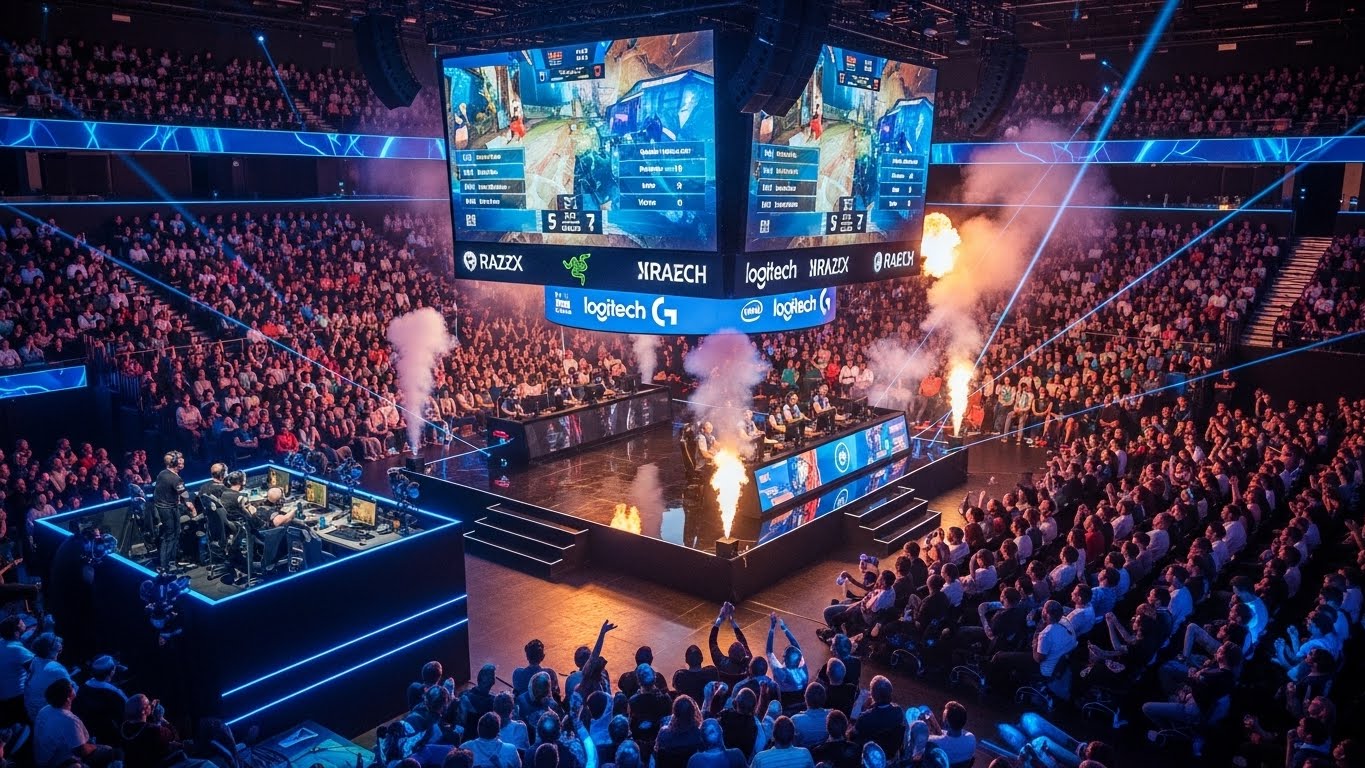
Esports has become a highly lucrative space for advertisers and brands looking to engage with a younger, tech-savvy demographic. Global companies like Intel, Coca-Cola, and Nike have invested heavily in esports, sponsoring tournaments and teams to connect with the audience. This influx of sponsorship dollars has helped fund massive prize pools, professional leagues, and esports infrastructure.
3. Streaming and Content Creation
Platforms like Twitch and YouTube have been essential in growing the esports ecosystem. Streamers and content creators have become the bridge between esports players and fans, providing commentary, tutorials, and entertainment around competitive gaming. Streaming has turned esports tournaments into live events, with millions of viewers tuning in to watch their favorite teams battle it out. Esports personalities have gained significant fame and recognition, with some becoming household names and influencers in the broader gaming and entertainment world.
The Business of Esports: Money, Media, and Future Growth
Esports is rapidly evolving into a highly lucrative industry. In 2023, the global esports market was valued at over $1.5 billion, with projections suggesting that it will surpass $3 billion by the end of the decade. This growth is driven by several factors, including:
1. Expanding Viewership and Audience Reach
With millions of people watching esports events across various platforms, viewership is growing exponentially. Esports tournaments now regularly feature live broadcasts in arenas, online streaming platforms, and even on traditional TV channels in some regions. Major sponsors and media companies are investing heavily to secure broadcasting rights, knowing that esports is an attractive form of entertainment for a younger, digital-native audience.
2. Esports as a Career Path
As esports becomes more mainstream, it is increasingly seen as a viable career path. Professional players, coaches, analysts, and content creators can now make a living through gaming. Esports scholarships are also available at universities and colleges, allowing young players to pursue both their education and gaming careers simultaneously. This has led to the rise of collegiate and even high school-level esports leagues, further solidifying the legitimacy of competitive gaming.
3. The Future of Esports: Virtual Reality and Beyond
As technology continues to advance, the future of esports is more exciting than ever. Virtual reality (VR) and augmented reality (AR) have the potential to redefine how we experience esports. Imagine watching a live esports event through VR goggles, where you can not only watch the game but also interact with it in real-time.