championtribe73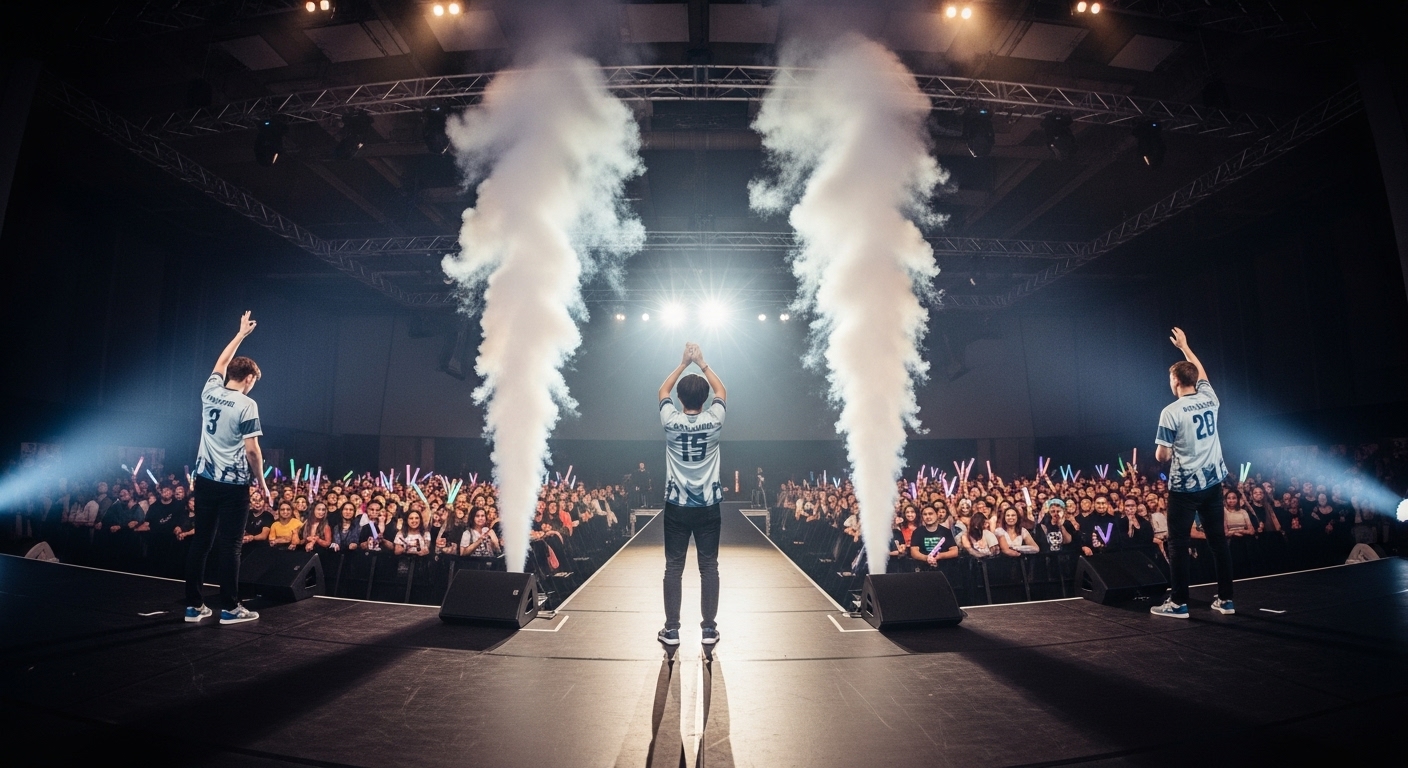
In the early days of video gaming, competitive play was often relegated to informal, friend-based showdowns. But as the gaming industry grew and technology advanced, a new and exciting phenomenon emerged: Esports. Today, Esports is a global multi-billion-dollar industry, with millions of fans, professional players, and organizations making a living through competitive gaming. From humble beginnings to becoming a global powerhouse, Esports has undergone an extraordinary transformation. In this blog post, we’ll take a deep dive into the evolution of Esports, examining its origins, growth, current state, and future potential.
The Birth of Competitive Gaming
Esports, at its core, is a form of competition using video games, where individuals or teams compete against each other in various gaming formats. The roots of Esports can be traced back to the early 1970s. The first known Esports competition took place in 1972 at Stanford University, where students competed in a game called “Spacewar!” The event was called the “Intergalactic Spacewar Olympics,” and while the stakes were not high, it laid the foundation for competitive gaming as we know it.
As the 1980s progressed, video games became more popular, and so did competitive play. The advent of arcade games like Pong, Pac-Man, and Street Fighter led to the rise of local tournaments in arcades across the world. These early competitions were informal, but they helped ignite the idea of players going head-to-head in gaming environments.
In the early 1990s, things began to change significantly with the rise of the internet. The introduction of online multiplayer gaming was a game-changer for Esports. Gamers could now compete with others from different geographical locations, which opened up new possibilities for competition.
The Rise of Online Gaming Communities
The late 1990s and early 2000s marked the real beginning of Esports as a recognized competitive activity. The launch of games like Quake and Starcraft brought a new wave of interest in competitive gaming, especially as these games featured multiplayer modes that allowed players to compete against one another online.
In 1997, the first major Esports event, the Red Annihilation tournament, was held for Quake. The tournament drew 2,000 players and ended with John “Fatal1ty”athan, a professional gamer, winning the grand prize: a brand-new Ferrari. This tournament is often cited as the first official Esports competition.
Around the same time, the South Korean gaming scene began to thrive. With a heavy cultural emphasis on gaming, South Korea became the epicenter of Esports development in the early 2000s. The launch of Starcraft in 1998 created a seismic shift in the gaming landscape. Starcraft became the most popular game in South Korea, and the country’s competitive gaming scene began to grow at an unprecedented rate.
The year 2000 saw the launch of the World Cyber Games (WCG), one of the first global competitive gaming tournaments. Over the years, the WCG helped to establish a global Esports community, hosting events in various countries and making Esports a more mainstream phenomenon.
Esports Becomes a Global Phenomenon
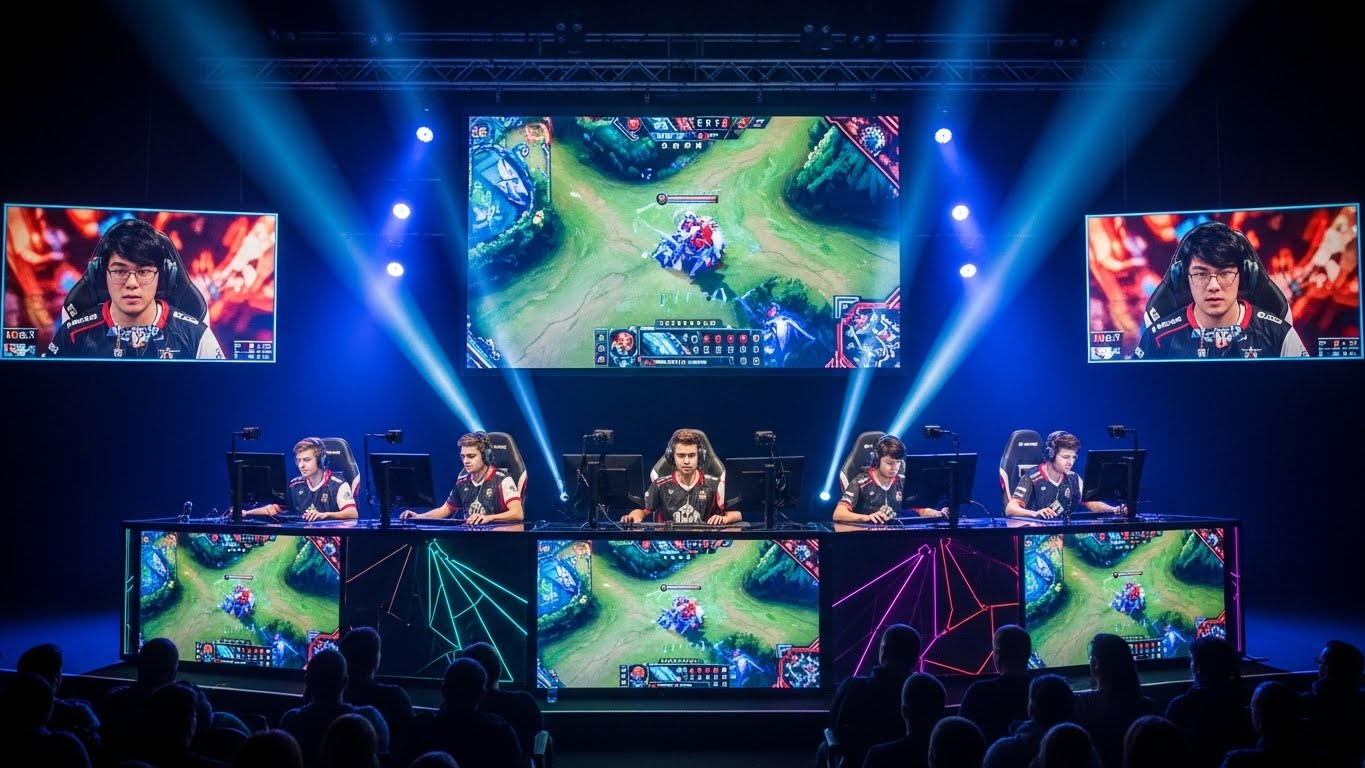
As the 2010s arrived, Esports began to expand beyond just a niche interest and grew into a legitimate industry. Online streaming platforms, particularly Twitch, helped propel Esports to new heights. With the ability to stream live tournaments and matches, Twitch created a platform for fans to watch and engage with their favorite players in real-time. It was during this time that Esports transitioned from just a game to a spectator sport, where large audiences could tune in to watch major events such as the League of Legends World Championship, The International (Dota 2), and Call of Duty competitions.
Additionally, the development of professional gaming leagues and organizations made Esports a more structured environment. Esports teams began to form, much like traditional sports teams, with sponsorships, contracts, and coaches becoming commonplace in the scene. Cloud9, Team Liquid, FaZe Clan, and Team SoloMid are just a few examples of organizations that helped elevate Esports to professional status.
One of the key turning points for Esports in the 2010s was the rise of mobile gaming. Games like Clash Royale and PUBG Mobile became incredibly popular across the globe, reaching massive audiences, especially in regions like Southeast Asia and India. Mobile gaming introduced new audiences to Esports, broadening the fan base and further establishing Esports as a mainstream entertainment industry.
The Evolution of Esports as a Professional Career
In the past decade, Esports has evolved into a legitimate career path for many players, coaches, analysts, and even content creators. The rise of sponsorships and partnerships between Esports organizations and major brands (such as Coca-Cola, Nike, and Intel) has created new revenue streams for players and organizations alike.
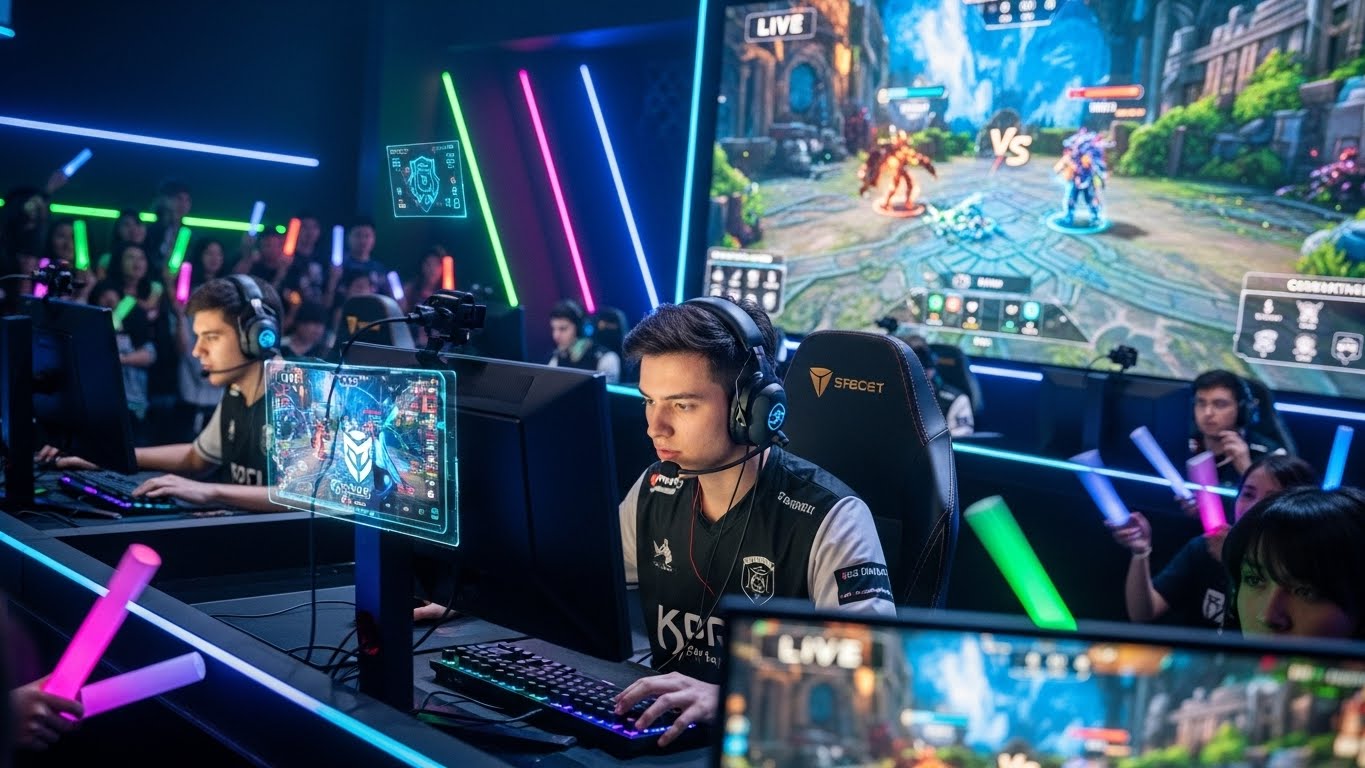
Professional players today are highly skilled, and the level of competition has reached new heights. These players are often treated like athletes, with rigorous training schedules, specialized coaches, and nutritionists to help them perform at their best. Esports players train for hours every day, honing their skills and developing strategies for the games they play.
The largest tournaments in Esports, such as The International (Dota 2), League of Legends World Championship, and Fortnite World Cup, now offer multi-million-dollar prize pools. The International 2018 had a prize pool of over $25 million, with the winning team taking home over $10 million. This level of prize money rivals some of the most prestigious traditional sports competitions, such as tennis’ Wimbledon or golf’s Masters Tournament.
Moreover, the rise of content creators and streamers in the Esports space has opened up new revenue streams for individuals. Streaming platforms like Twitch and YouTube allow players to make money through ad revenue, subscriptions, and sponsorships, creating a new form of income for Esports professionals.
Esports is now a legitimate career path for people who have the right mix of skills, passion, and dedication. In fact, it has become common to see professional gamers, coaches, analysts, and streamers making six-figure salaries. Many even go on to launch their own brands or businesses within the Esports ecosystem.
Esports as a Spectator Sport
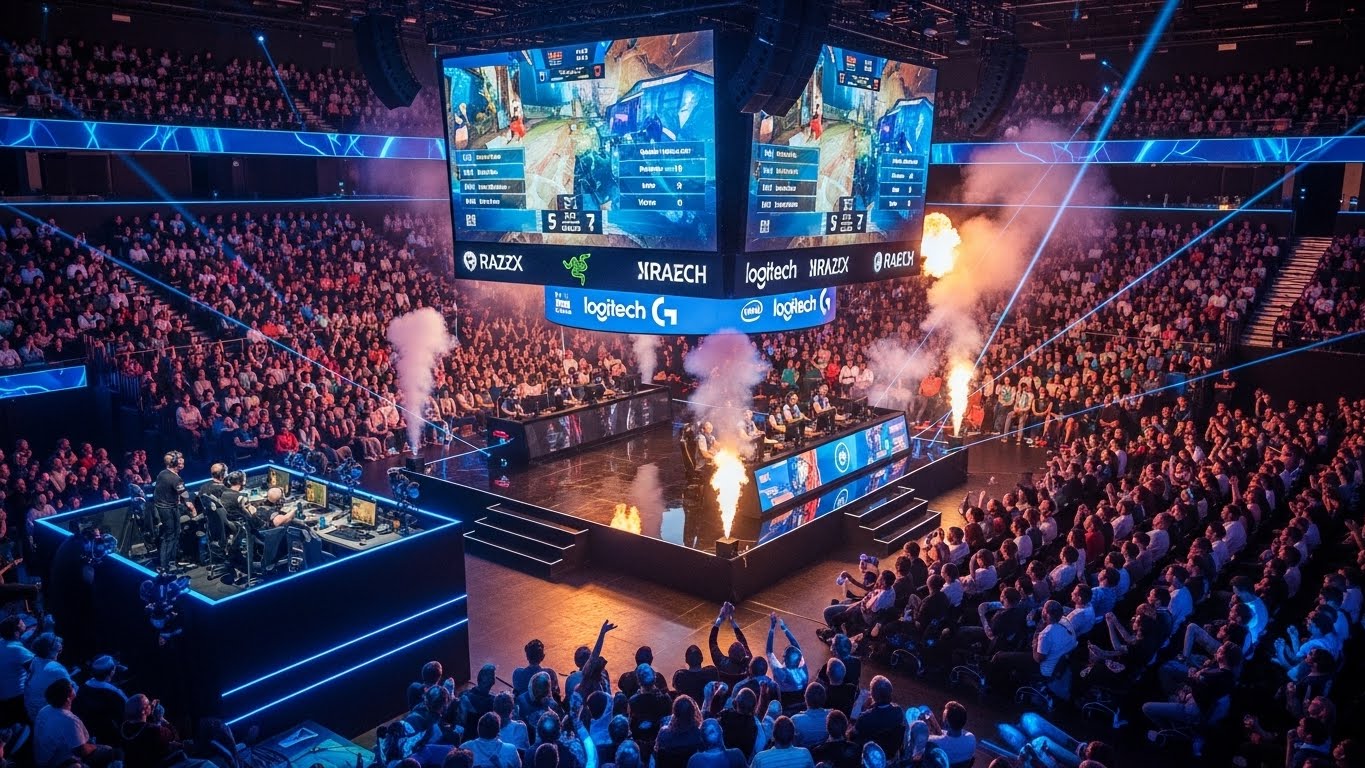
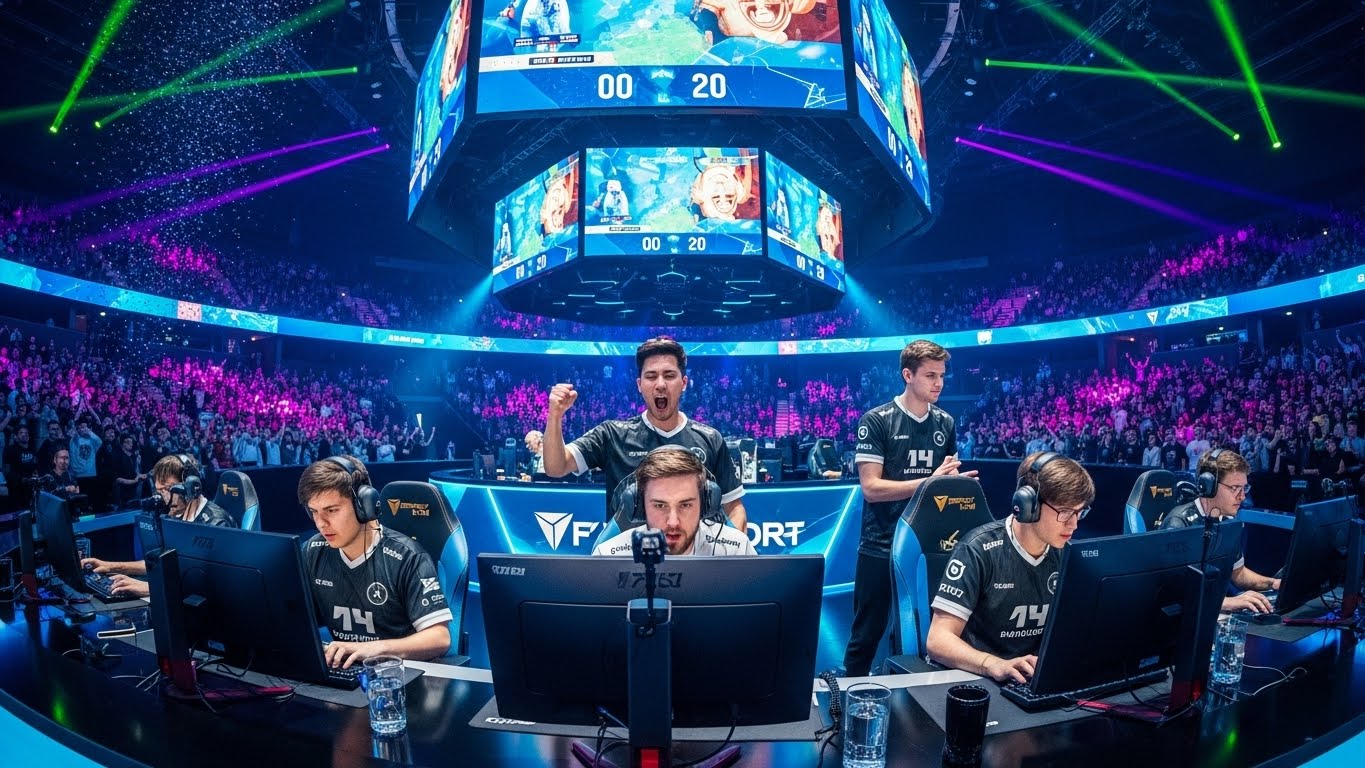
Esports today is a major form of entertainment, attracting millions of fans who tune in to watch their favorite teams and players compete in online tournaments and live events. In 2021, League of Legends alone had over 100 million annual active players, and its World Championship Finals regularly draw in viewership numbers comparable to the Super Bowl.
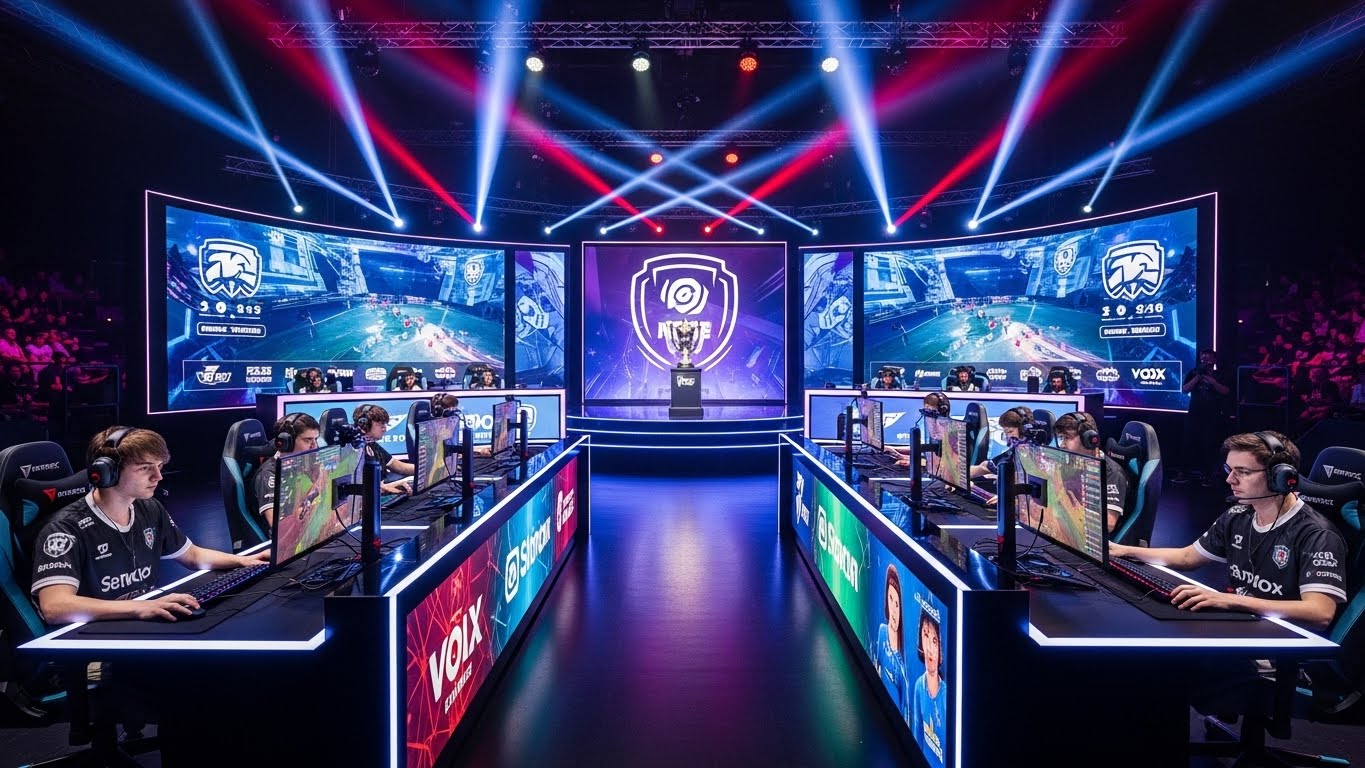
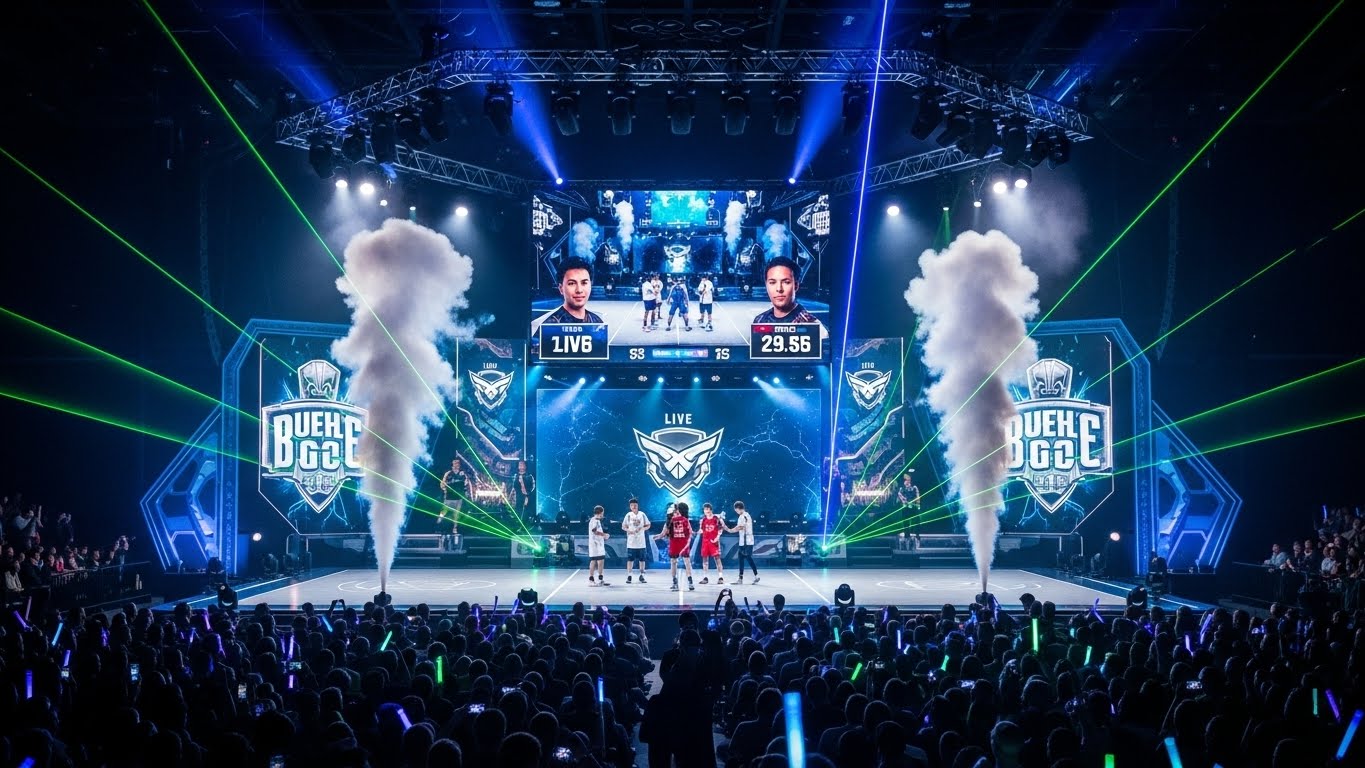
Esports events are not just about watching players compete; they are grand spectacles complete with live commentary, high-production-value streams, and fan engagement. The level of professionalism in Esports broadcasting has also increased significantly. Much like traditional sports, Esports broadcasts feature expert commentators, analysts, and in-depth breakdowns of matches. These broadcasts are available in multiple languages, allowing fans from all over the world to enjoy the action in their native tongues.
Furthermore, Esports has begun to see recognition from major television networks, with broadcasts of tournaments like The International and League of Legends events aired on cable television. Additionally, large-scale Esports events are now being held in world-class arenas and stadiums, with events like The League of Legends World Championship and Dota 2’s The International filling arenas with thousands of fans.
The integration of Esports into mainstream sports media has also contributed to its growth. In recent years, organizations like ESL, DreamHack, and BLAST Premier have partnered with major networks to broadcast events, making it easier for fans to access Esports content.
Esports in Education
One of the most exciting developments in recent years has been the introduction of Esports programs in schools and universities. As the industry grew, educational institutions began to recognize the potential of competitive gaming as both a career path and a platform for building valuable skills like teamwork, communication, and strategic thinking.
Universities around the world are offering Esports scholarships, and many high schools are now establishing Esports teams. In fact, in the United States, the National Association of Collegiate Esports (NACE) has over 200 member schools. These programs not only allow students to compete in tournaments but also to pursue a higher education while developing their skills as gamers.
Esports programs in schools provide students with opportunities for professional growth, similar to traditional sports. The growth of Esports as an academic discipline has even led to the development of Esports degrees, where students can study fields like game design, digital marketing, event management, and broadcasting.
The Future of Esports
Looking ahead, the future of Esports seems incredibly promising. With advancements in technology, gaming hardware, and internet speeds, the experience of competitive gaming will only continue to improve. The rise of virtual reality (VR) and augmented reality (AR) could completely revolutionize the way Esports competitions are played and watched.
Furthermore, Esports is expected to continue its expansion into new regions, particularly in emerging markets like India, Southeast Asia, and Africa. These regions have vast untapped potential, and as the infrastructure for gaming improves, Esports could become a dominant form of entertainment.
The integration of Esports with traditional sports is also likely to increase. Several professional sports leagues, such as the NBA and the NFL, have already launched Esports leagues based on their games. This could pave the way for a more collaborative and interconnected ecosystem between traditional and digital sports.
Additionally, the rise of mobile gaming and cloud gaming could break down the barriers to entry for players. With mobile devices and cloud services offering accessible platforms for competitive gaming, it is likely that Esports will continue to grow and become even more inclusive in the years to come.
Conclusion
Esports has evolved from a niche hobby into a global multi-billion-dollar industry, and it shows no signs of slowing down. What began with informal competitions in arcades has transformed into a professional career, with millions of fans, thousands of professional players, and lucrative sponsorships.
As the industry continues to grow, the opportunities for players, fans, and businesses within Esports will expand. Whether it’s through educational programs, technological advancements, or cross-industry partnerships, Esports is becoming an ever more integral part of global culture.
In the end, Esports is more than just a competitive activity; it’s a reflection of the rapidly changing landscape of entertainment, technology, and culture. The future of Esports looks brighter than ever, and it will undoubtedly continue to captivate and inspire players and fans for years to come.