championtribe73
Esports, short for electronic sports, has undergone a remarkable transformation in the past two decades. What was once a small community of competitive gamers has evolved into a multi-billion-dollar industry that attracts millions of viewers, sponsors, and professional players worldwide. From grassroots tournaments held in basements to sold-out stadiums and global streaming events, esports has carved its own path in the entertainment industry. Today, it is an established phenomenon, with a professional ecosystem encompassing players, teams, sponsors, and an ever-growing fanbase. In this blog post, we’ll explore the history of esports, its growth, the impact on culture, and what the future holds for this exciting industry.
The Humble Beginnings of Esports
The concept of competitive gaming dates back to the early days of video games. In the 1970s and 1980s, video games like Pong and Space Invaders sparked the first inklings of competition in the gaming world. These arcade games became the foundation for competitive play, but the scale was limited to local settings. The first real esports tournament is often credited to the Space Invaders Championship hosted by Atari in 1980. Thousands of players across the U.S. participated in this competition, marking one of the first instances of organized esports.
However, it wasn’t until the 1990s that esports began to develop into a more structured and organized form. The advent of home computers and online multiplayer games like Quake, Warcraft III, and StarCraft set the stage for the rise of digital competition. By 1997, the Cyberathlete Professional League (CPL) was formed, holding tournaments for Quake and other competitive games, marking one of the first major efforts to formalize competitive gaming. The era of internet-based gaming began to flourish, providing a platform for global competitions and a taste of what esports would become.
The Rise of Online Platforms and Global Competitions
In the early 2000s, esports began to take off with the increasing availability of high-speed internet. The game that truly helped esports break into the mainstream was StarCraft, a real-time strategy game developed by Blizzard Entertainment. StarCraft’s competitive scene in South Korea, in particular, played a significant role in the growth of esports. The game became a national sensation, with professional leagues, tournaments, and dedicated television broadcasts, such as GOMTV, giving it a level of attention typically reserved for traditional sports. South Korea is often seen as the birthplace of esports as a professional industry, with StarCraft players becoming celebrities and the first esports teams being formed.
By the late 2000s, the rise of video game streaming platforms like Twitch (launched in 2011) and YouTube Gaming (launched in 2015) revolutionized the way fans could access esports content. These platforms allowed players to broadcast their gameplay live to audiences around the world, significantly broadening the appeal of esports. The ability to watch competitive gaming online became a pivotal moment, allowing fans from all corners of the globe to engage with their favorite players and teams, regardless of geographical location.
The combination of live streaming and large-scale tournaments laid the foundation for the global phenomenon that esports is today. Events like The International (for Dota 2) and League of Legends World Championship became major yearly highlights, attracting millions of viewers online and in person. By 2013, esports events were being broadcast on mainstream television networks like ESPN, solidifying its position as a legitimate form of entertainment.
Esports: A Professional Ecosystem
Today, esports is not just about playing games—it’s a full-fledged professional industry. The ecosystem surrounding esports includes professional teams, players, coaches, analysts, event organizers, broadcasters, and sponsors, all contributing to its rapid growth.
Professional Teams and Players
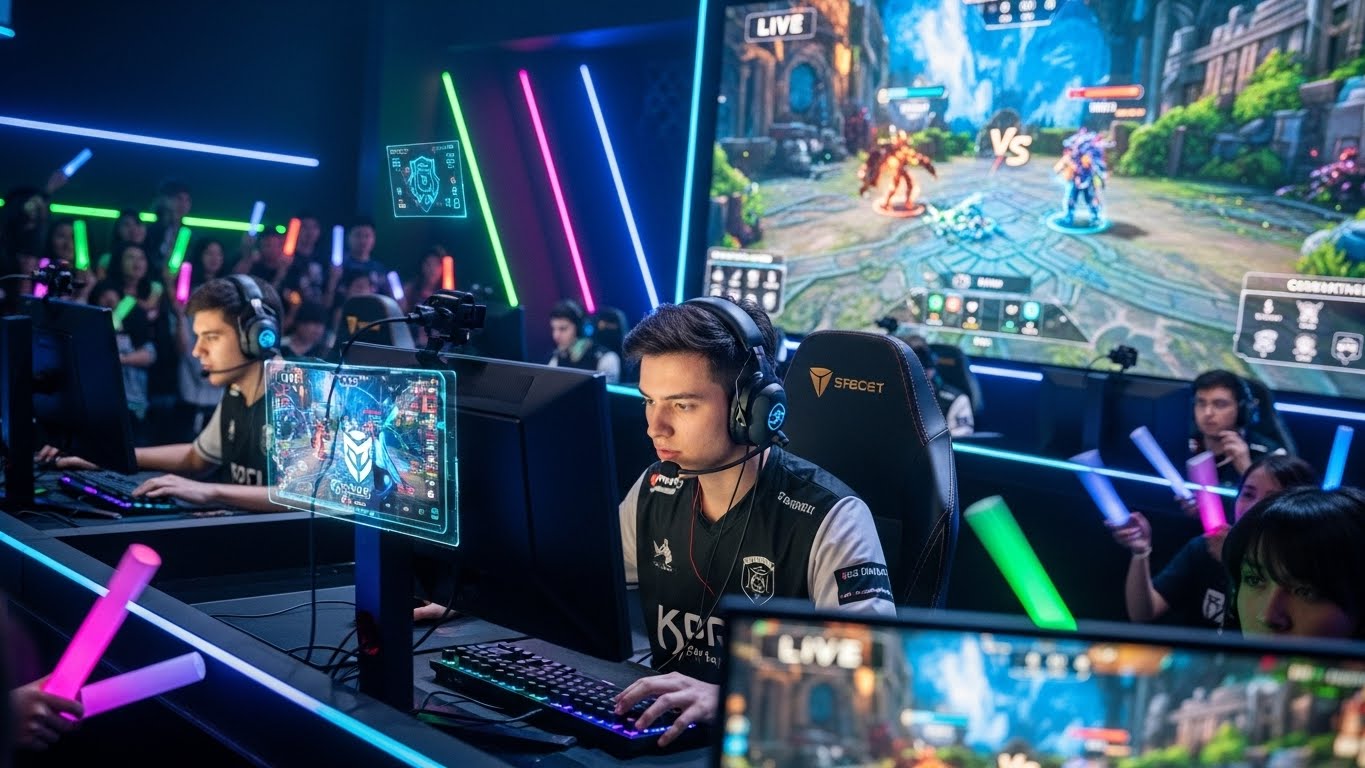
At the heart of esports are the professional players and teams that compete in various games. Just like traditional sports, esports teams are made up of highly skilled individuals who dedicate their lives to training, competing, and improving their performance. The top players in esports can earn significant salaries, not only from tournament winnings but also from sponsorship deals, streaming, and merchandise sales. For example, players in games like League of Legends, Counter-Strike: Global Offensive, and Overwatch can earn six-figure salaries through various revenue streams.
The rise of esports organizations, such as Cloud9, Team Liquid, Fnatic, and T1, has turned gaming into a professional career. These teams not only field players but also employ managers, coaches, analysts, and support staff to help maximize player performance. As the stakes of competitive gaming rise, esports teams are increasingly treating their players like traditional athletes, investing in their well-being, training regimens, and mental health.
The Role of Sponsors and Media
Esports has become an attractive investment for major global brands. Companies in a wide variety of industries, from technology to food and beverage, have entered the esports sponsorship market. Some of the most prominent brands involved in esports include Coca-Cola, Intel, Red Bull, and Nike. These companies see value in associating their brands with the high energy and youth-driven culture of esports.
Media rights and broadcasting also play a major role in esports’ financial ecosystem. As esports tournaments draw millions of viewers, broadcasting rights have become a valuable commodity. Major networks like ESPN and Turner Sports, as well as streaming platforms like Twitch, have invested in broadcasting esports events. The accessibility and global reach of digital platforms have also helped esports break through geographical and cultural barriers, allowing fans from different parts of the world to follow their favorite teams and players.
The Impact of Esports on Culture
Esports has had a profound impact on global culture, shaping how people perceive gaming, competition, and entertainment. The industry has brought gaming into the mainstream, turning what was once seen as a pastime for “nerds” or “geeks” into a highly regarded form of entertainment enjoyed by millions.
Changing Perceptions of Gaming
In the past, gaming was often associated with isolation and social stigma. However, as esports has grown, it has helped change those perceptions. Competitive gaming promotes teamwork, communication, and strategic thinking, much like traditional sports. Esports athletes train intensively to hone their skills, and many esports teams are highly structured organizations, similar to professional football or basketball teams. This shift has helped normalize gaming as a legitimate, respected hobby and career path.
Esports also promotes inclusivity, with players from various backgrounds and countries competing on the same stage. Tournaments are held in multiple languages, and fans from diverse cultures and regions unite in support of their favorite players and teams.
The Rise of Esports as a Spectator Sport
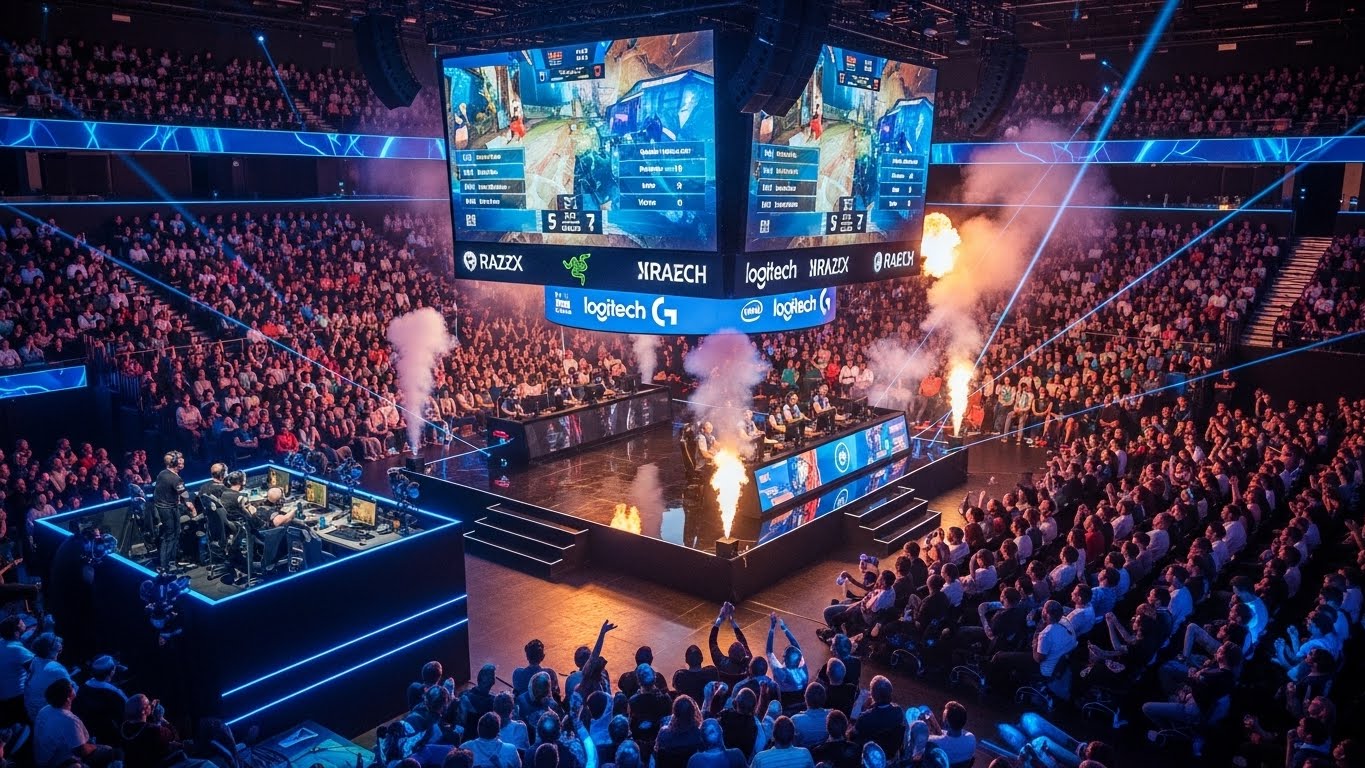
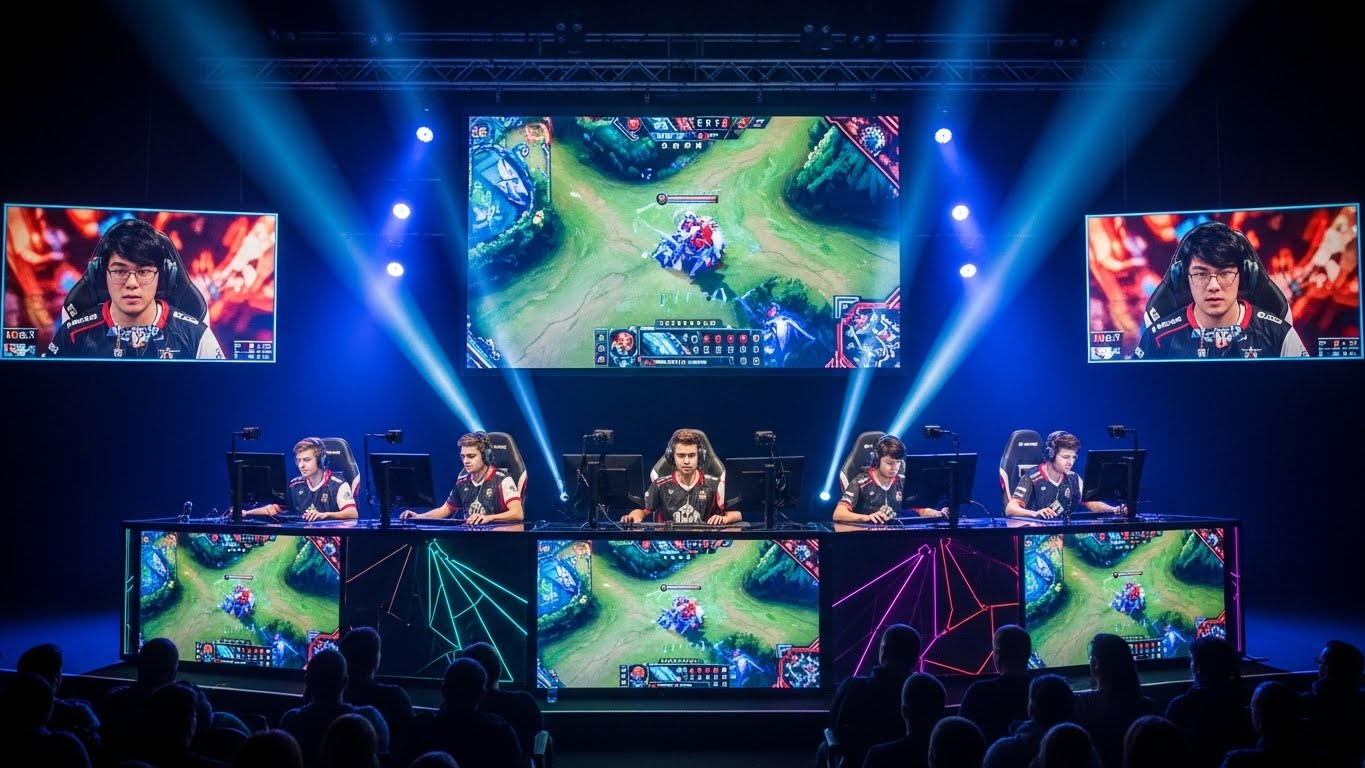
One of the most remarkable aspects of esports is its ability to attract millions of spectators. Watching competitive gaming has become a popular pastime, with millions tuning in to watch live streams of games like League of Legends, Dota 2, and Fortnite. The League of Legends World Championship, for instance, regularly draws more than 100 million viewers across its broadcast and streaming platforms. In fact, some major esports events now rival traditional sports events in terms of viewership.
The rise of esports as a spectator sport has transformed the way people consume entertainment. Unlike traditional sports, esports events are often more interactive, allowing fans to engage with players and teams through live chats, social media, and even in-game features. The accessibility of live streams has also made esports an incredibly globalized form of entertainment, allowing people from all over the world to connect with each other over their shared love of gaming.
The Creation of Esports Arenas
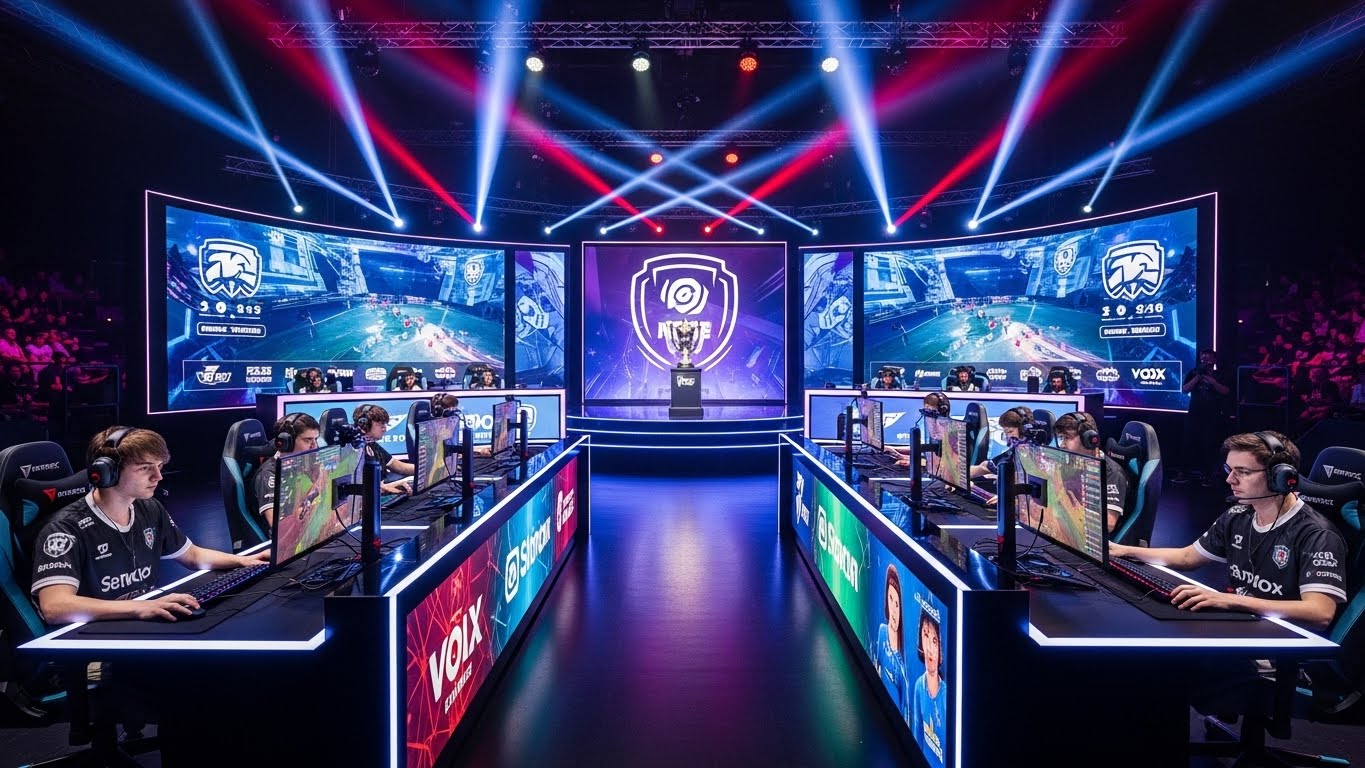
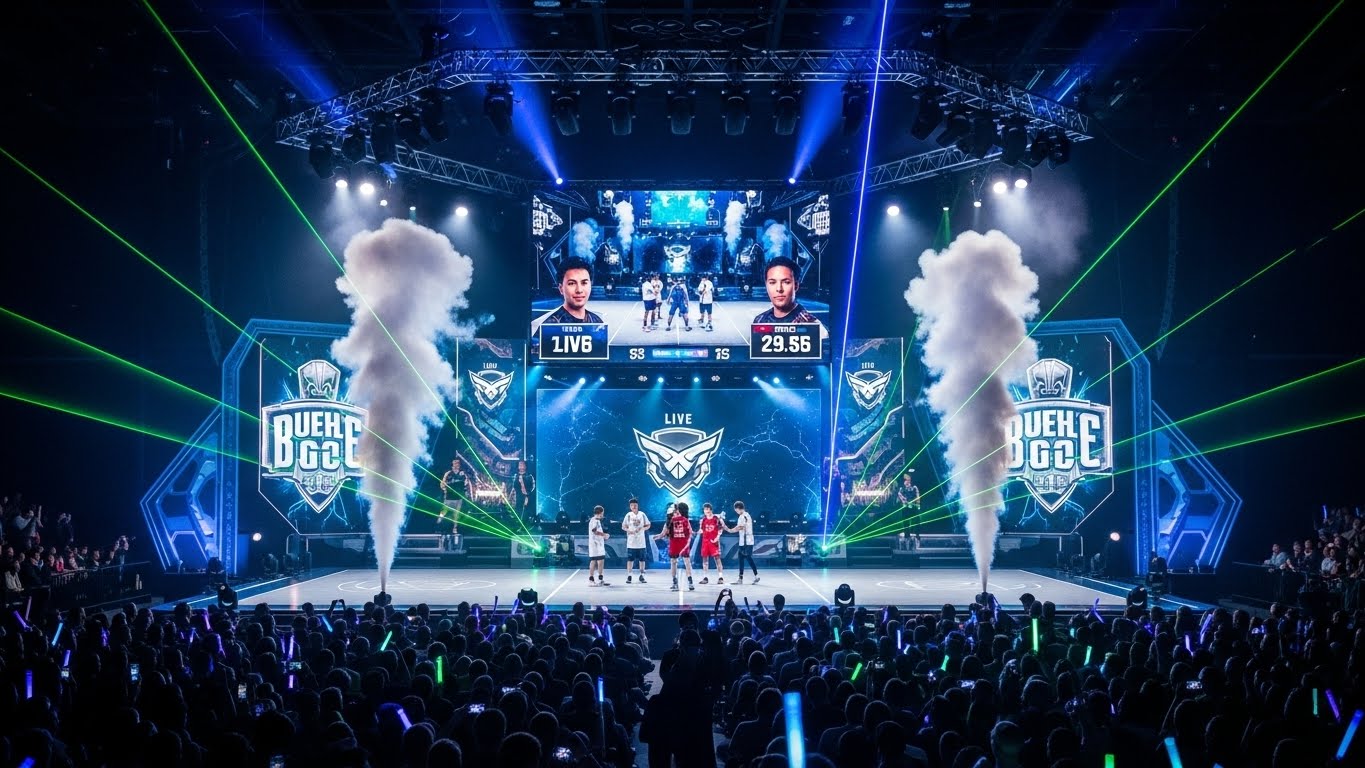
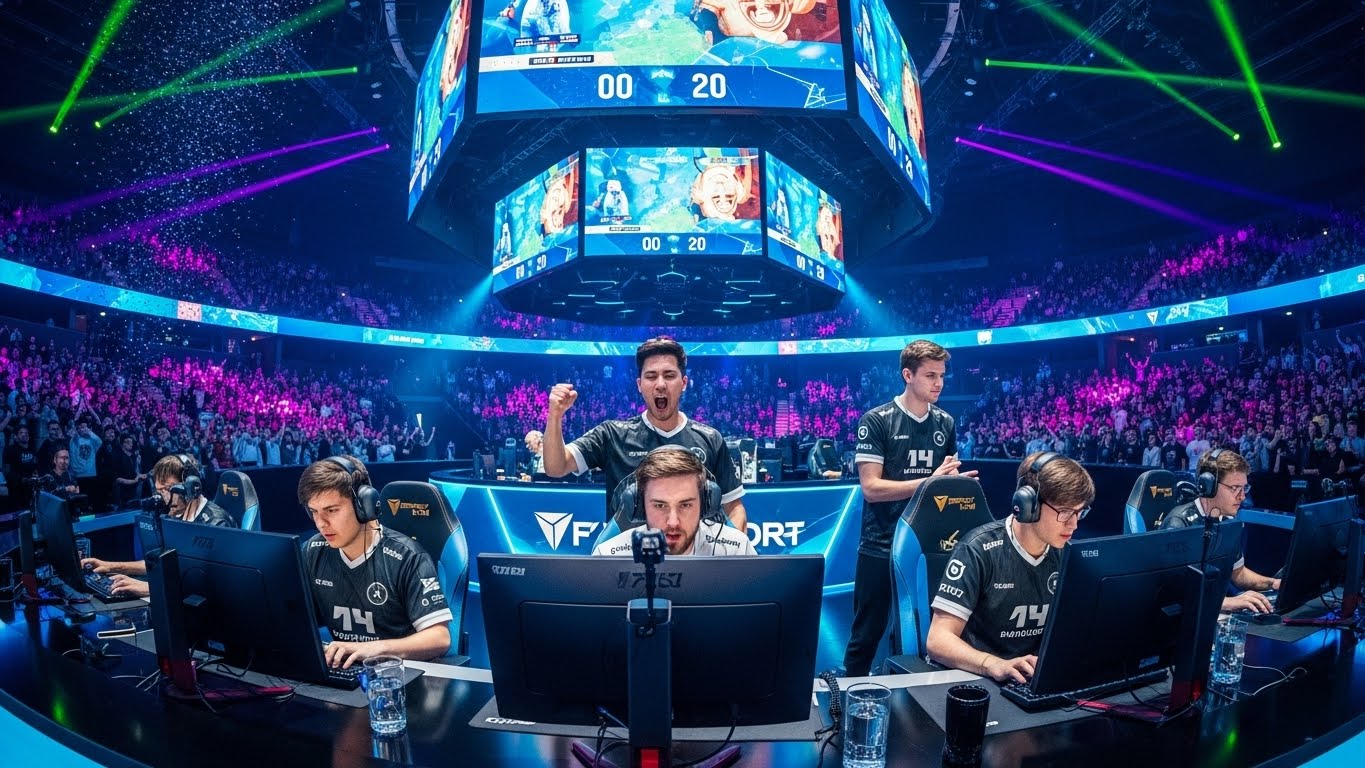
As esports continues to grow in popularity, dedicated arenas are being built to accommodate live events and tournaments. These state-of-the-art venues offer immersive experiences for spectators and players alike. One of the most well-known esports arenas is the HyperX Esports Arena in Las Vegas, which hosts regular tournaments and broadcasts. In South Korea, the LoL Park in Seoul is home to the League of Legends Champions Korea (LCK) league and serves as a hub for fans and players. These arenas are designed not only to provide top-tier infrastructure for gaming but also to create an electric atmosphere for live audiences.
The Future of Esports
The future of esports looks incredibly bright. As the industry continues to grow, several trends suggest that esports will become an even more integral part of the global entertainment landscape.
Integration with Traditional Sports
Esports and traditional sports are beginning to merge in exciting ways. Major traditional sports leagues such as the NBA, NFL, and MLS are investing in esports by creating their own leagues and teams. The NBA 2K League, for example, is a partnership between the NBA and Take-Two Interactive, where players compete in the NBA 2K video game. These collaborations signal the growing acceptance of esports as a mainstream form of competition and entertainment.
New Technologies and Innovations
Advancements in technology, such as virtual reality (VR), augmented reality (AR), and artificial intelligence (AI), have the potential to revolutionize esports. VR could take competitive gaming to new heights, offering players and spectators an even more immersive experience. Similarly, AI could be used to enhance training programs, improve game balance, and create more dynamic experiences for players and fans alike.
The Growth of Collegiate Esports
Esports is also beginning to make its way into academic institutions. In the United States, numerous universities and colleges are now offering scholarships for esports players, while schools are establishing competitive esports teams. Collegiate esports leagues have been created, allowing students to compete at a high level while pursuing their education. This marks a significant milestone for the industry, providing opportunities for aspiring players to develop their skills and build careers in esports.