championtribe73
Introduction: Understanding Esports in the Modern Era
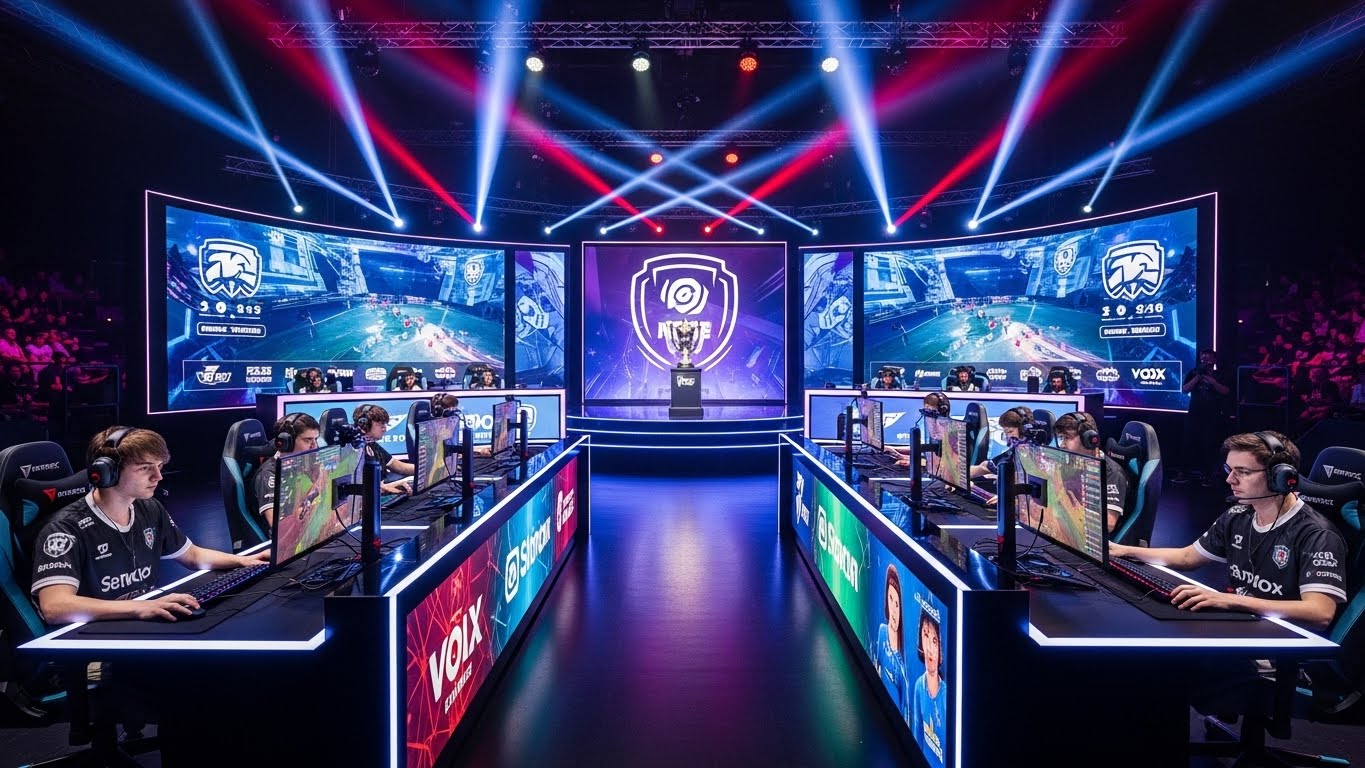
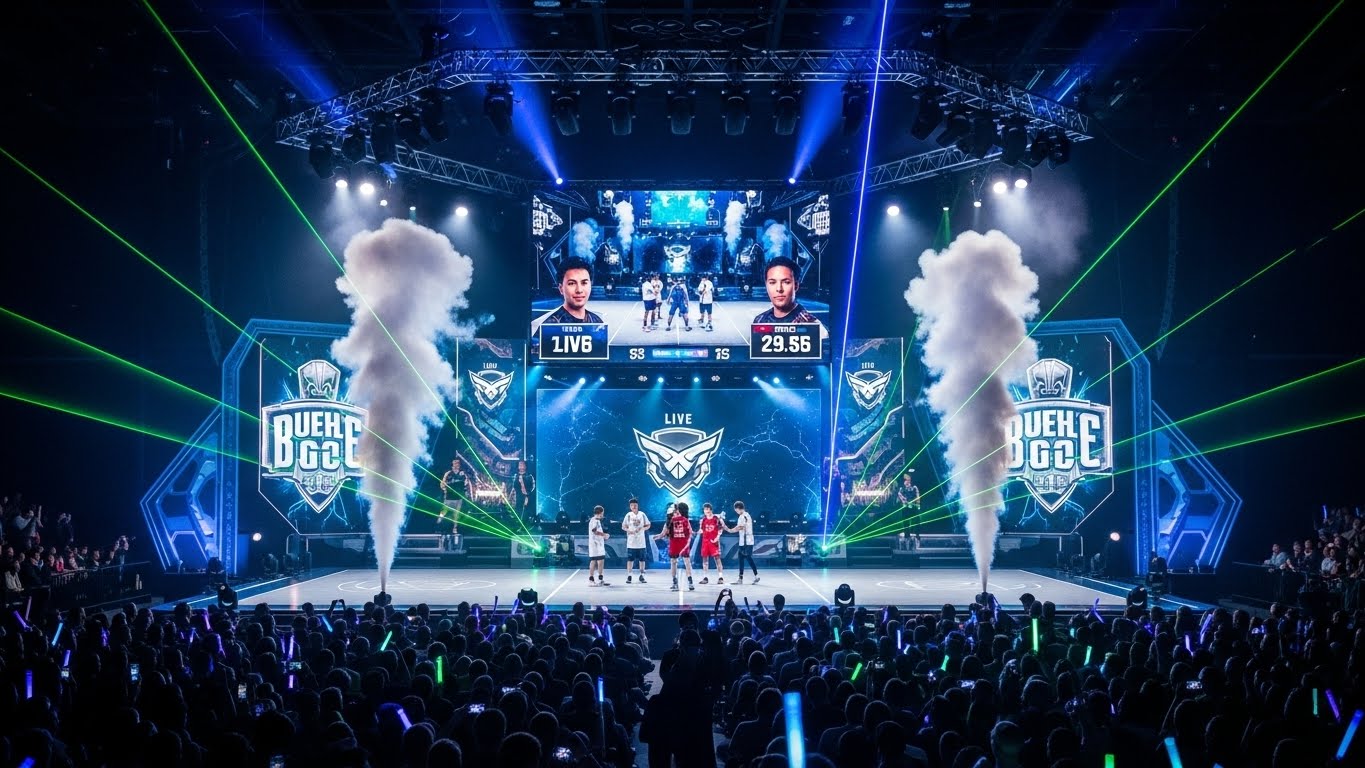
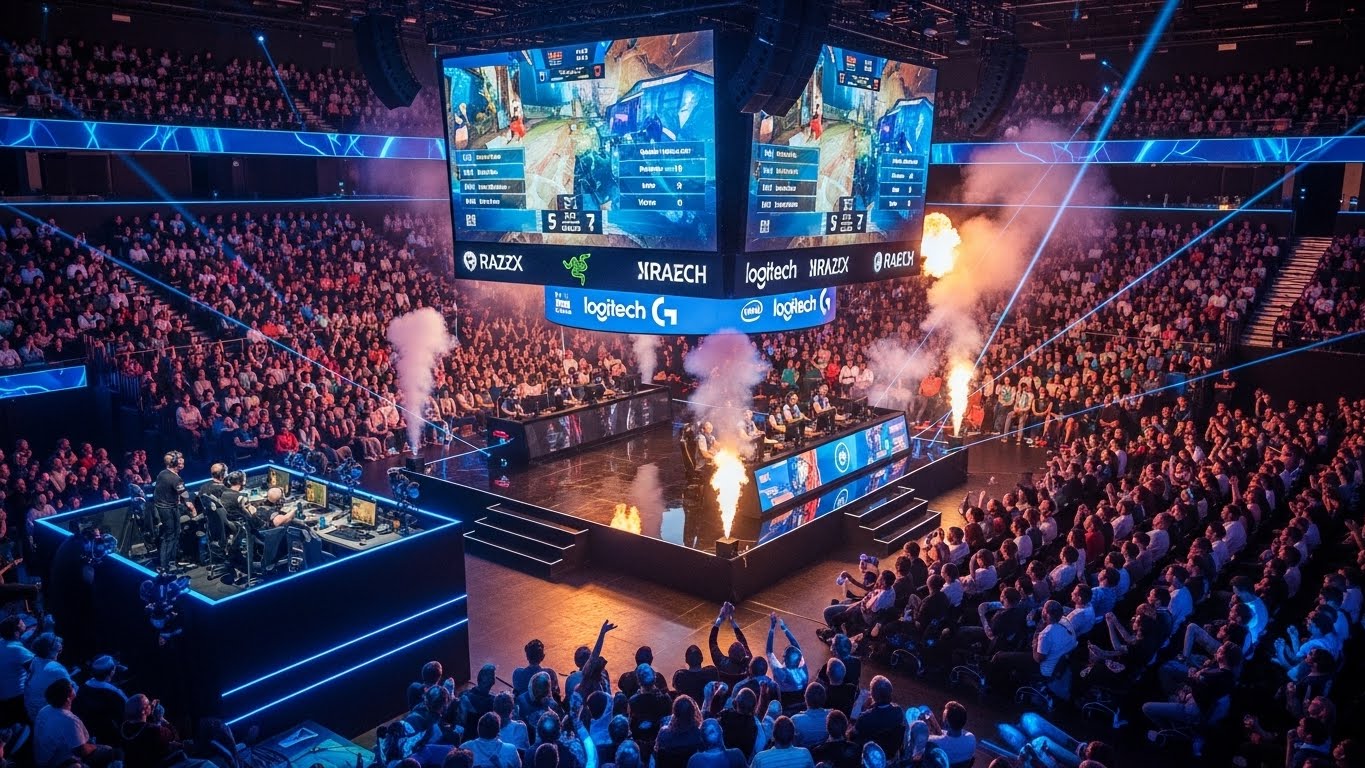
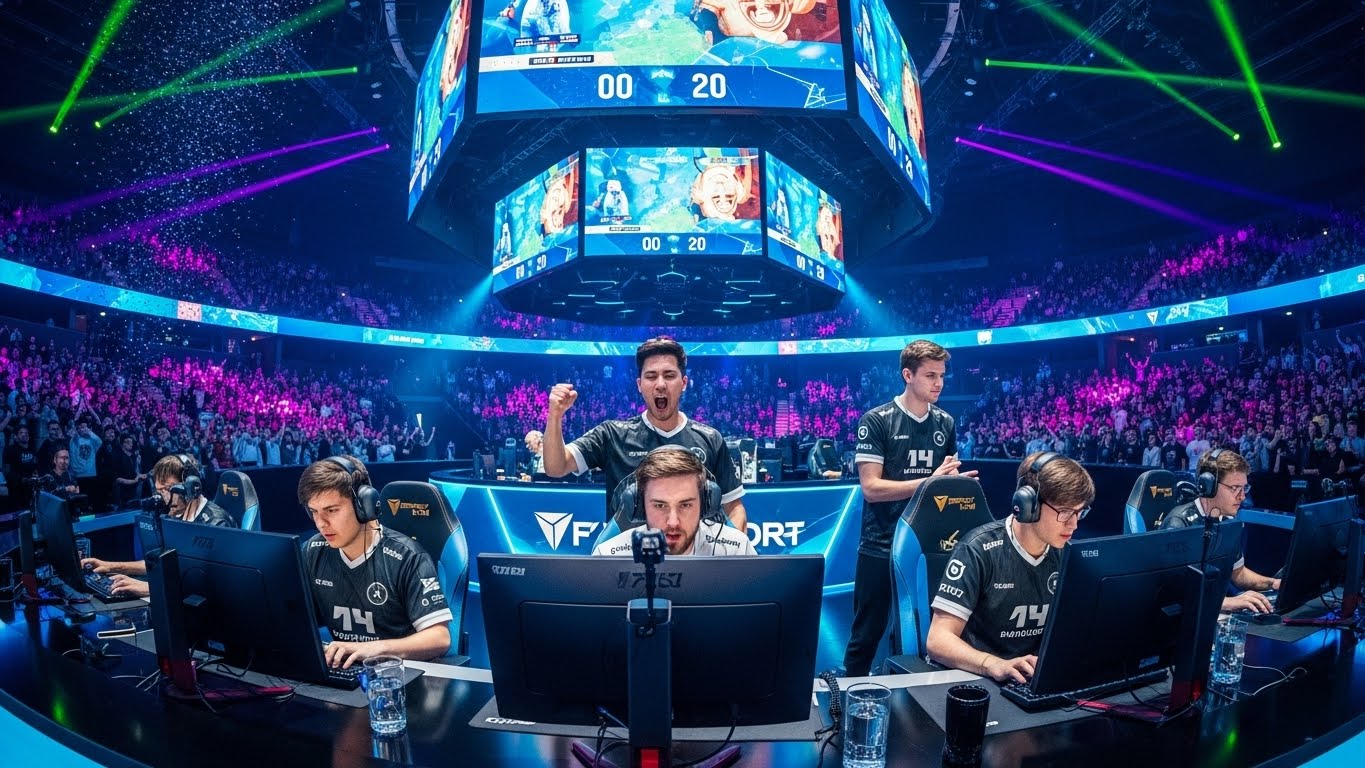
Esports, short for electronic sports, has transformed from a niche hobby into a mainstream entertainment industry that spans the globe. Competitive gaming is no longer limited to small tournaments in basements or local arcades; it now fills massive arenas, attracts millions of online viewers, and generates billions in revenue annually. The rise of esports reflects the evolution of digital culture, technology, and media consumption. It blends skill, strategy, teamwork, and entertainment, creating an immersive experience for both players and fans.
Esports has emerged as a legitimate career path for players, coaches, analysts, and content creators. Professional teams operate much like traditional sports franchises, complete with structured training schedules, coaching staff, and sponsorships. Audiences follow players and teams with intense dedication, engaging through social media, streaming platforms, and live events. This blog will explore the history, growth, professionalization, cultural impact, and future of esports, highlighting its significance as a global phenomenon.
The Origins of Competitive Gaming
The foundations of esports can be traced back to the 1970s and 1980s, when early video games like Space Invaders, Pac-Man, and Donkey Kong captivated players. High-score competitions and local tournaments became popular, creating the first organized forms of competitive gaming. These early events offered recognition and community, laying the groundwork for the competitive structures we see today.
In the 1990s, multiplayer PC games began to dominate the competitive landscape. Games such as Doom, Quake, and StarCraft emphasized skill, strategy, and teamwork. These titles allowed players to compete locally and online, fostering organized tournaments and fan communities.
The introduction of broadband internet in the late 1990s and early 2000s enabled global competition. Online multiplayer platforms allowed players to compete across continents, expanding esports from regional events to an international phenomenon. LAN parties and early online leagues became crucial for establishing the first professional esports scenes.
The Professionalization of Esports
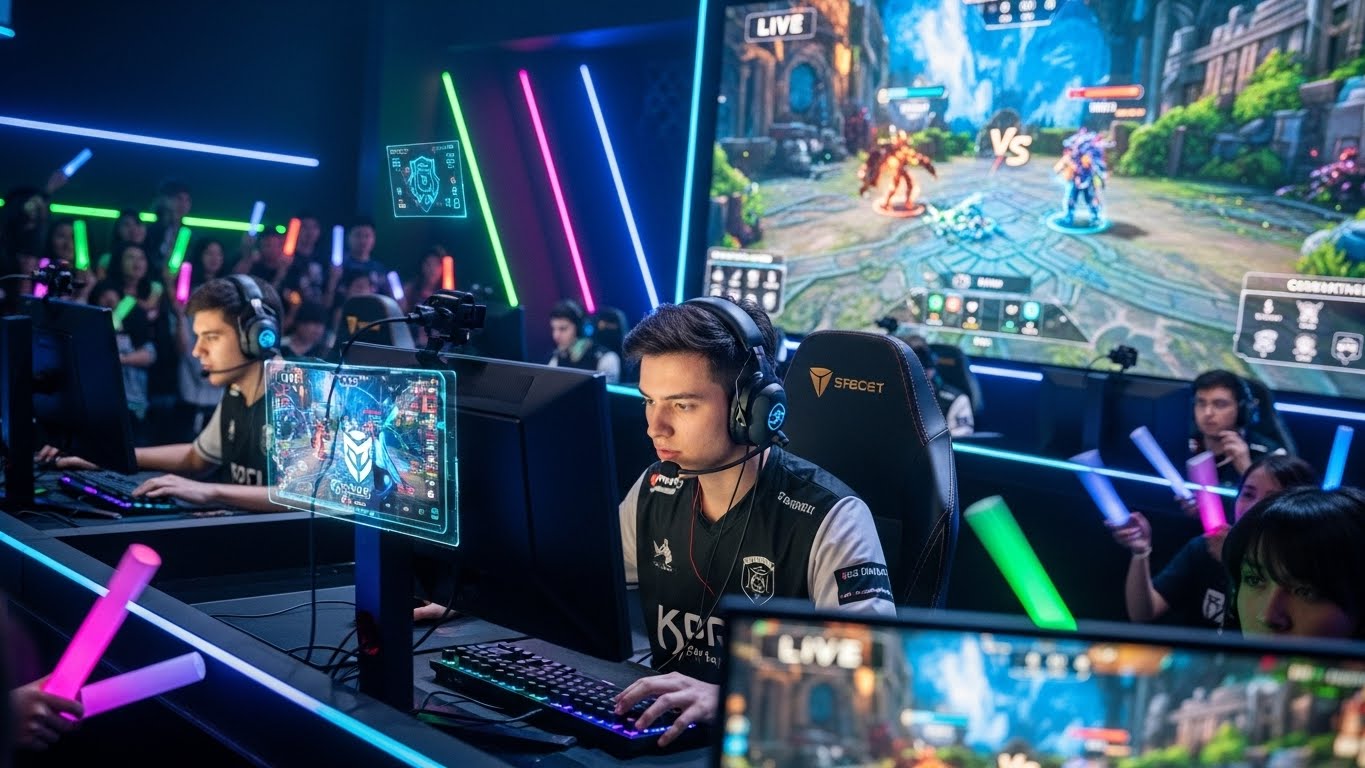
Esports has evolved into a professional industry with structured organizations, player contracts, and global tournaments. Professional teams operate like traditional sports franchises, employing coaches, analysts, and support staff to optimize performance. Players adhere to rigorous training schedules, often practicing eight to twelve hours daily to refine skills, teamwork, and strategies.
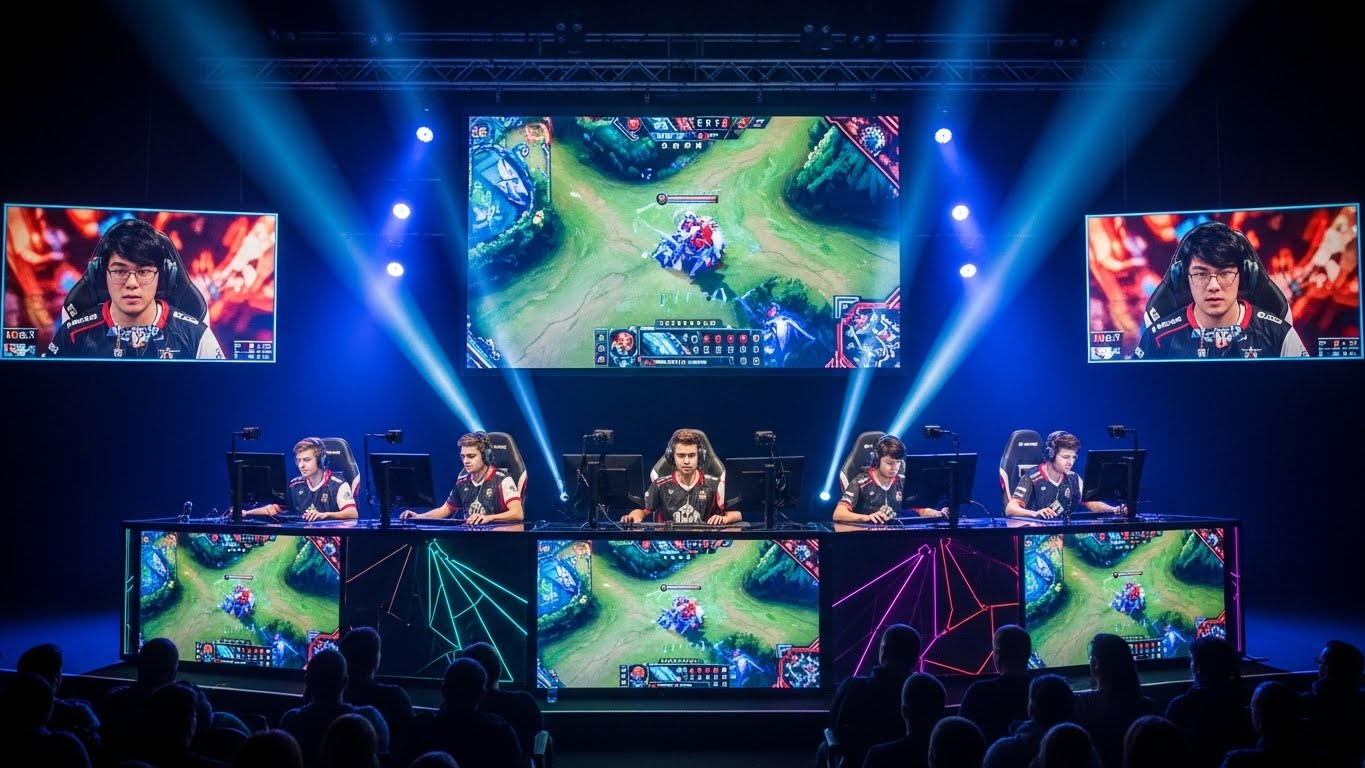
Major games such as League of Legends, Dota 2, Counter-Strike: Global Offensive, Fortnite, and Call of Duty have established professional leagues and championship events. League of Legends features regional leagues culminating in the World Championship, while Dota 2 hosts The International, which is famous for its massive prize pools. These competitive ecosystems provide players with career opportunities, while engaging millions of fans worldwide.
Sponsorships, streaming revenue, and tournament earnings make esports a lucrative industry. Brands invest in teams, events, and content creators, creating financial stability for players and growth opportunities for organizations. Professionalization has legitimized esports as both a career and a form of entertainment comparable to traditional sports.
The Role of Streaming Platforms in Esports Growth
Streaming platforms such as Twitch, YouTube Gaming, and Facebook Gaming have been instrumental in expanding esports’ reach. These platforms allow fans to watch live tournaments, interact with players, and participate in online communities. The interactive nature of streaming creates a more engaging and immersive fan experience compared to traditional sports broadcasting.
Streaming also provides a pathway for aspiring players and content creators to gain recognition. Gamers can showcase their skills, provide commentary, and build fanbases without relying solely on traditional tournaments. This democratization of exposure has contributed to the rapid growth of esports communities and global audiences.
Live streaming encourages fan interaction through chat, social media, and forums, allowing viewers to share insights, discuss strategies, and form fan communities. This dynamic engagement has transformed esports into a participatory entertainment experience that thrives on interactivity and community involvement.
Major Esports Titles and Their Competitive Ecosystems
Several games have become central to esports, each cultivating distinct competitive scenes and fan cultures.
- League of Legends: Known for its strategic depth and teamwork requirements, League of Legends has regional leagues and a World Championship that attracts millions of viewers. The game emphasizes both individual skill and coordinated team play.
- Dota 2: A complex, strategy-driven game, Dota 2 hosts The International, which consistently features record-breaking prize pools. Its high level of strategy, teamwork, and adaptability challenges even the most skilled players.
- Counter-Strike: Global Offensive: CS:GO focuses on precision, tactics, and team coordination. Its tournaments are highly competitive, drawing professional teams from around the world.
- Fortnite and Call of Duty: Fast-paced and action-oriented, these games appeal to younger audiences and host large-scale live events. Their accessible gameplay and online competitions have expanded the esports demographic.
Each game fosters unique professional structures, fan engagement strategies, and content ecosystems, demonstrating the diversity and richness of esports culture.
Esports Competition Formats and Structures
Esports tournaments are designed to test skill, strategy, and coordination. Formats include single-elimination brackets, double-elimination tournaments, and league-based competitions where teams accumulate points over a season.
Prize pools in major tournaments often reach millions of dollars, funded through sponsorships, advertising, ticket sales, and media rights. High-stakes competition motivates players to refine skills continually and creates a spectacle that attracts global audiences.
Analytical tools and performance metrics are essential for success. Teams review gameplay data, analyze opponents, and optimize strategies to gain competitive advantages. This data-driven approach mirrors the role of analytics in traditional sports, highlighting esports’ professional rigor.
Community and Cultural Impact of Esports
Esports is not just a form of competition; it is a global culture. Fans form communities around games, teams, and players, participating in discussions, creating fan art, and producing memes. Events, both online and offline, strengthen this community engagement, fostering shared experiences among diverse audiences.
Cosplay, fan videos, and social media content have become integral parts of esports culture. Fans celebrate favorite characters, create artwork, and contribute to the broader narrative of games. Community-driven participation ensures that esports remains inclusive and accessible, attracting new players and audiences continuously.
Esports also bridges cultural and geographic divides. Players and fans from different countries collaborate, compete, and share experiences, creating a sense of global connectivity that transcends borders.
Esports Compared to Traditional Sports
Esports shares many features with traditional sports, including teamwork, strategy, skill, and fan engagement. Professional players undergo rigorous training, follow rules and league formats, and compete for substantial prizes. Leagues maintain structured competitions, seasonal events, and championship tournaments.
The key difference lies in accessibility and medium. Esports can be played and spectated digitally, removing geographic and physical barriers. The demands focus on reflexes, mental acuity, and strategy rather than physical exertion. Spectators often participate interactively, contributing to a more immersive entertainment experience.
Esports also influences traditional sports culture, particularly in marketing, analytics, and fan engagement strategies, demonstrating its growing cultural legitimacy.
Economic Significance of Esports
Esports has developed into a multi-billion-dollar global industry. Revenue streams include sponsorships, media rights, merchandise, ticket sales, and streaming partnerships. Major tournaments generate significant economic activity and attract investments from global brands.
Technological innovation accompanies esports growth. Gaming hardware, streaming infrastructure, analytics software, and event management systems evolve to support competitive play. Career opportunities extend beyond players to include content creation, coaching, event production, and digital marketing.
The industry exemplifies the potential of digital entertainment to drive both cultural influence and economic impact on a global scale.
Challenges Facing the Esports Industry
Despite its success, esports faces challenges. Player burnout and mental health issues are prominent due to intensive practice schedules, travel demands, and competitive pressure. Organizations are increasingly implementing support programs, but systemic solutions are still developing.
Diversity and inclusivity remain critical concerns. Female and minority participation is limited, requiring ongoing efforts to create equitable opportunities. Cheating, unethical practices, and governance issues also demand vigilance and regulation.
Sustaining long-term growth necessitates balancing technological innovation, audience engagement, and player welfare, ensuring the industry remains competitive and inclusive.
The Future of Esports
Esports is poised for continued expansion and innovation. Emerging technologies such as virtual reality and augmented reality could redefine gameplay, creating immersive experiences that blur the line between digital and physical realities. Artificial intelligence may enhance training, strategic analysis, and spectator engagement.
Universities are increasingly offering esports scholarships, recognizing gaming as a legitimate academic and professional pursuit. Global leagues continue to expand, integrating esports into mainstream entertainment through collaborations with film, music, and merchandise.
The ecosystem of esports will continue to grow, combining competitive gaming, content creation, fan interaction, and technological innovation. Its trajectory suggests a future in which esports is fully integrated into global culture and entertainment.
Conclusion: Esports as a Defining Force in Entertainment
Esports has redefined entertainment, merging competition, community, and technology into a global phenomenon. From small arcade competitions to massive international tournaments, it has evolved into a professional, spectator-driven industry.
Players, fans, and creators engage in interactive and immersive experiences that reflect skill, strategy, and creativity. Esports has proven that gaming is more than a pastime—it is a legitimate sport, cultural force, and economic powerhouse.
As technology advances and global audiences expand, esports will continue to shape the future of entertainment, offering unprecedented opportunities for competition, creativity, and community. It is a defining feature of modern digital culture and an enduring testament to the potential of interactive entertainment.