championtribe73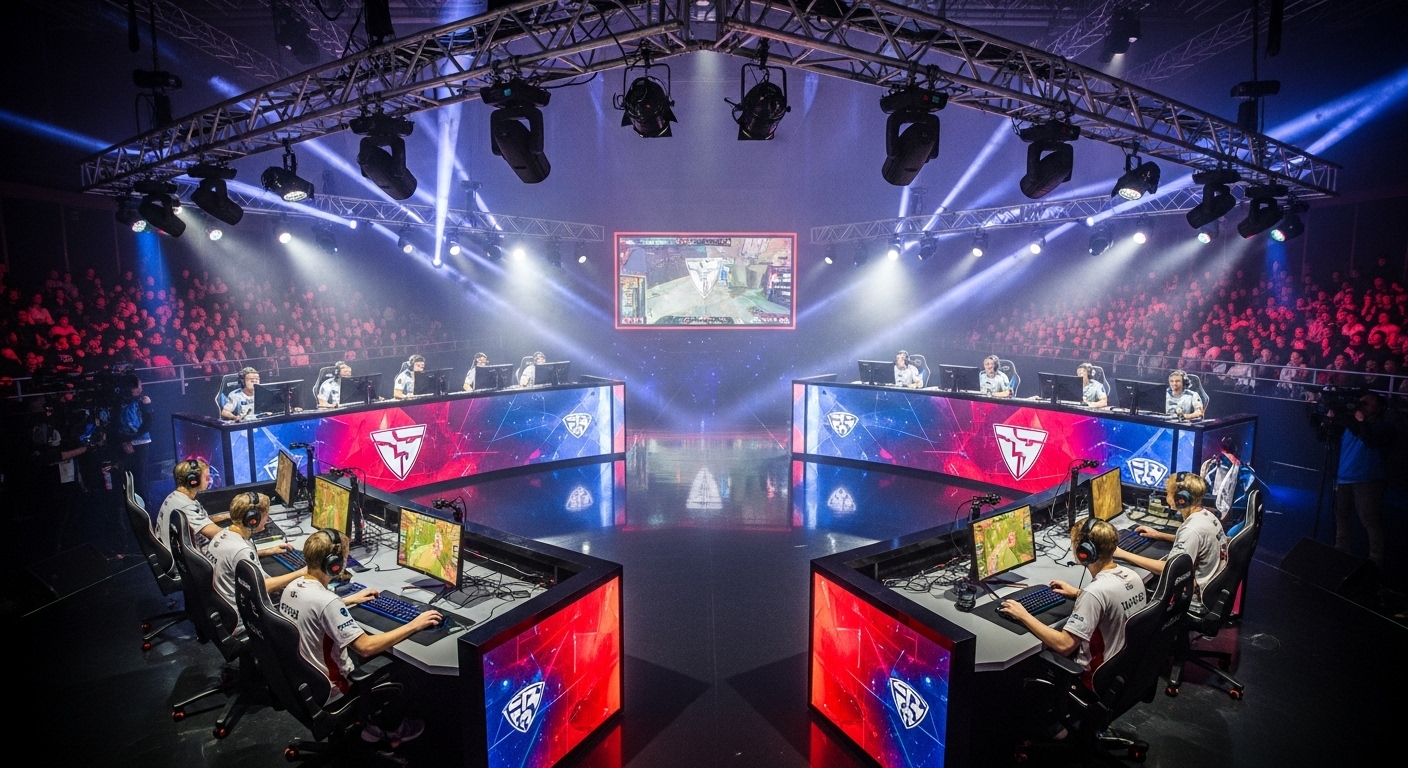
Introduction
Esports, or competitive gaming, has emerged as one of the fastest-growing entertainment industries in the world. What started as casual competition among friends has transformed into a global phenomenon with professional players, international tournaments, multimillion-dollar sponsorships, and millions of viewers tuning in to watch live events. Esports is not just a hobby or a pastime; it has become a legitimate career path, a spectator sport, and a cultural movement that spans continents.
This blog explores the history of esports, its technological advancements, the rise of professional leagues, the economic impact, and the future of competitive gaming.
The Origins of Esports
The roots of esports can be traced back to the 1970s and 1980s when early arcade competitions began to emerge. Players would gather to compete for high scores in games like “Space Invaders” and “Pac-Man.” These competitions, while informal, planted the seeds for organized gaming events.
The 1990s marked a turning point as networked computers allowed players to compete against each other over local area networks. Games such as “Doom” and “Quake” popularized first-person shooters in competitive formats, and small tournaments began to appear in universities and gaming clubs. The rise of the internet further amplified this trend, enabling players to connect globally and compete on a larger scale.
The Growth of Online Multiplayer Games
The late 1990s and early 2000s saw the emergence of online multiplayer games, which became the foundation for modern esports. Titles like “StarCraft,” “Counter-Strike,” and “Warcraft III” introduced highly competitive environments that demanded strategy, teamwork, and skill.
These games fostered communities and established the concept of professional gaming. Tournaments began offering cash prizes, sponsorship deals, and recognition for top players. Online forums and message boards allowed players to share strategies, discuss gameplay, and form teams, laying the groundwork for organized esports ecosystems.
The Birth of Professional Esports
As esports gained popularity, professional players began to emerge. South Korea played a pivotal role in establishing esports as a recognized profession, particularly with the rise of “StarCraft” competitions. The South Korean government supported esports with televised events, training facilities, and sponsorships, creating an entire ecosystem around competitive gaming.
Professional players trained rigorously, similar to traditional athletes. Practice schedules, strategic planning, team coordination, and physical fitness became integral parts of a player’s routine. By the mid-2000s, esports leagues in Korea and other countries had formalized the concept of professional competitive gaming.
Major Esports Titles
Over the years, certain games have become pillars of the esports industry. Multiplayer online battle arena (MOBA) games like “League of Legends” and “Dota 2” have massive player bases and regularly host international tournaments with multimillion-dollar prize pools.
First-person shooters such as “Counter-Strike: Global Offensive” and “Call of Duty” emphasize precision, strategy, and teamwork, attracting both professional players and a large spectator audience. Fighting games, real-time strategy games, and battle royale titles like “Fortnite” and “PUBG” have also carved their niche in the competitive gaming landscape.
Each game offers a unique blend of skill, strategy, and excitement, contributing to the diversity and appeal of esports as a whole.
The Rise of Esports Tournaments
Esports tournaments have evolved from small local gatherings to massive international events. Early tournaments featured modest cash prizes and small audiences, often limited to online streaming or local venues.
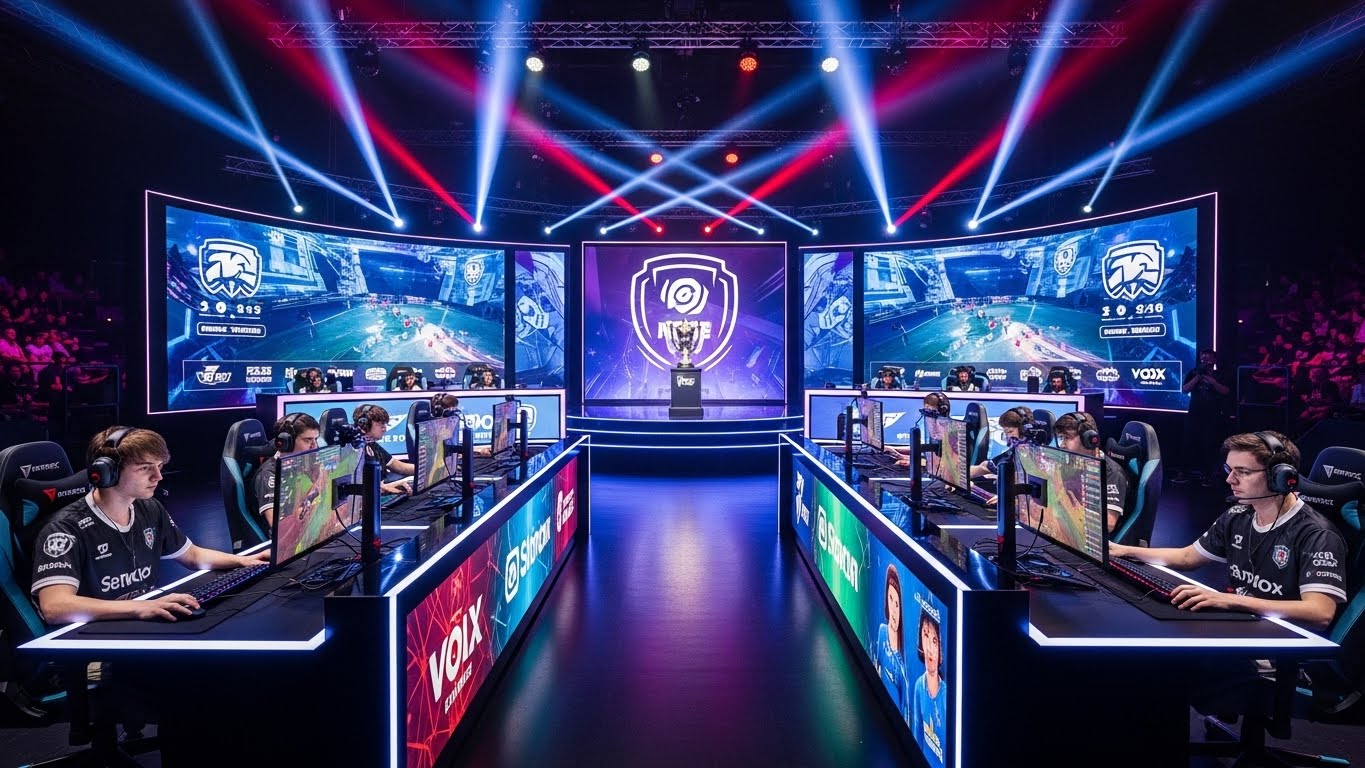
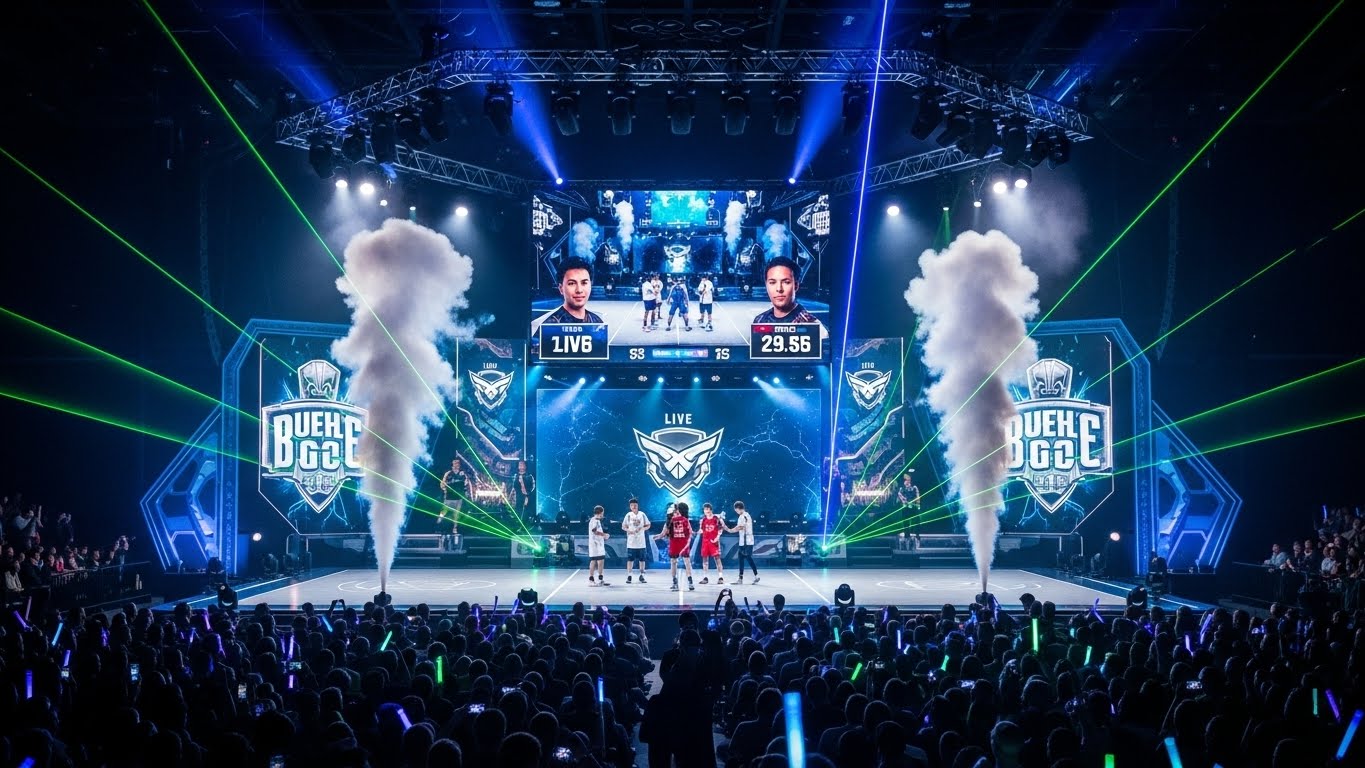
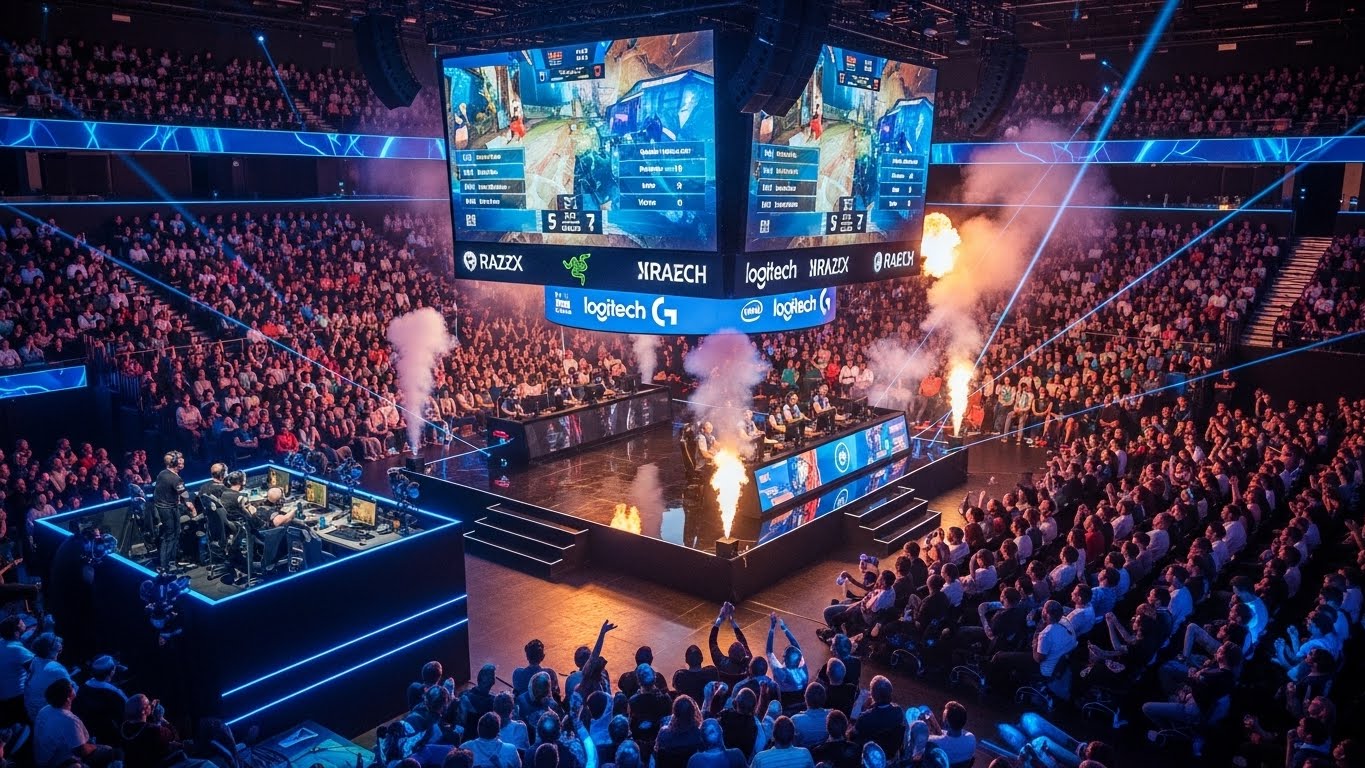
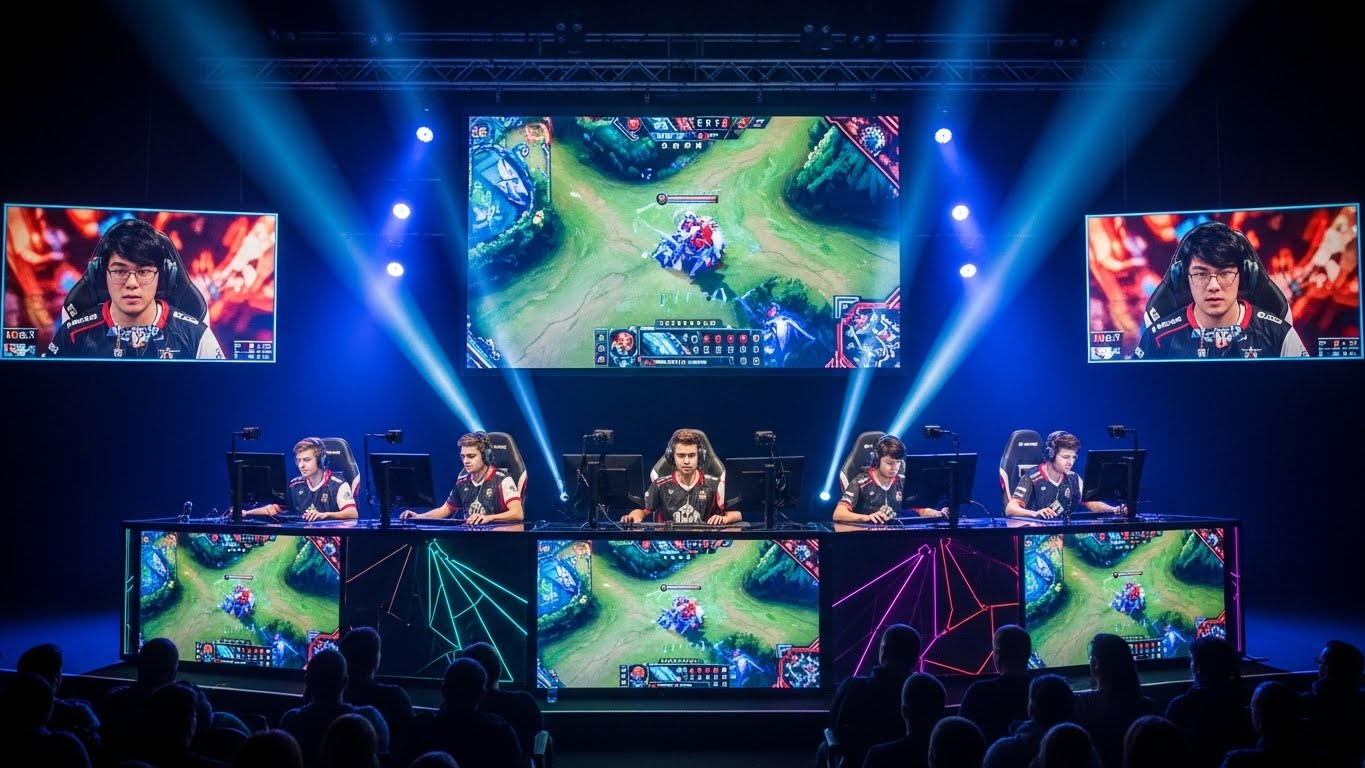
Today, tournaments fill stadiums, attract corporate sponsorships, and are broadcast to millions of viewers worldwide. Major events like “The International” for Dota 2, the “League of Legends World Championship,” and the “Fortnite World Cup” offer prize pools exceeding millions of dollars.
The rise of streaming platforms has further amplified the popularity of esports tournaments. Platforms like Twitch, YouTube Gaming, and regional streaming services allow fans to watch live gameplay, interact with commentators, and follow their favorite players in real time.
Esports and Streaming Culture
Streaming has become an integral part of esports culture. Professional players, content creators, and influencers broadcast their gameplay to millions of viewers, creating a new form of digital entertainment.
Live streaming allows fans to learn strategies, watch high-level play, and interact with their favorite players through chat and social features. Streamers often build loyal communities, and their influence extends beyond gameplay to merchandise, sponsorships, and lifestyle branding.
Streaming also democratizes access to esports. Amateur players can showcase their skills, gain followers, and potentially attract attention from professional teams. This has contributed to a continuous influx of new talent into the esports ecosystem.
Esports as a Career
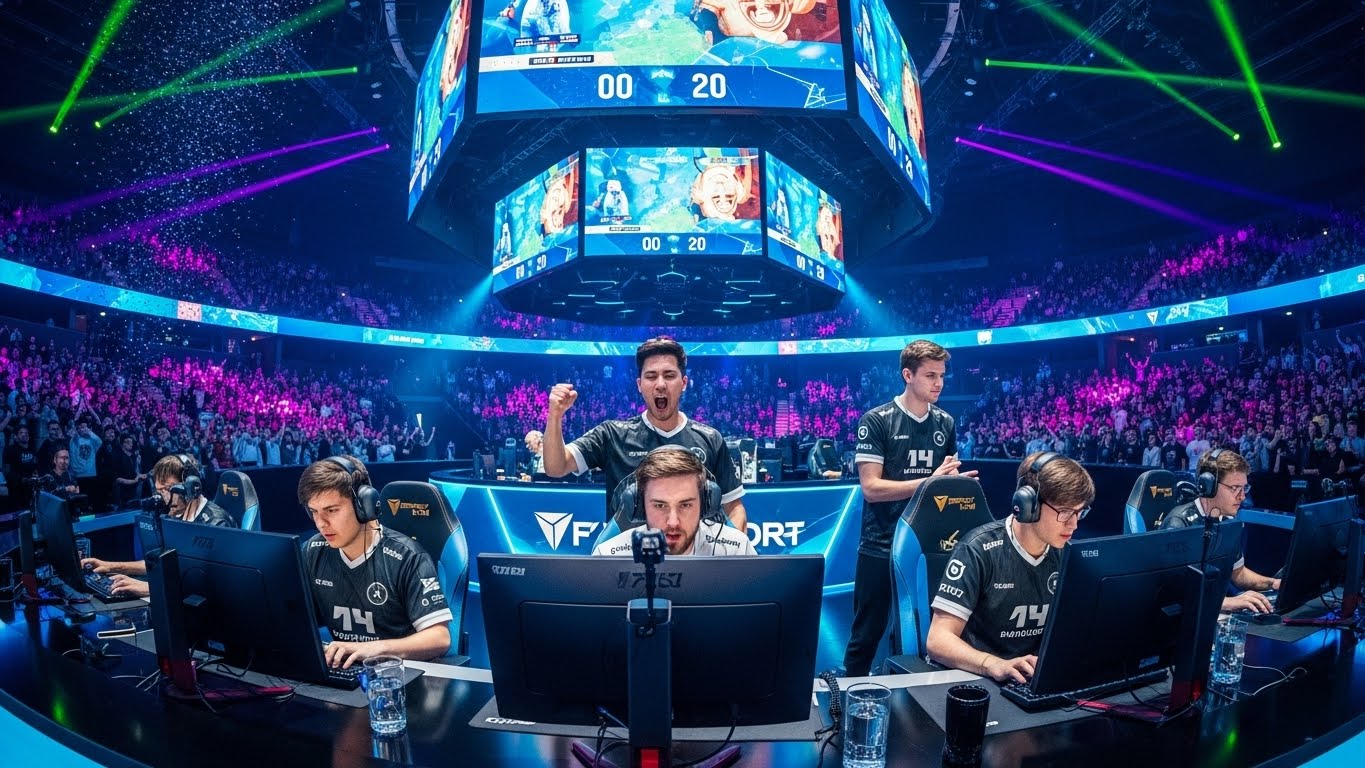
Esports has evolved into a viable career path, with professional players, coaches, analysts, and support staff forming a structured industry. Players train rigorously, often practicing six to ten hours a day to maintain competitive edge. Teams employ coaches to develop strategies, analysts to study opponents, and nutritionists and psychologists to optimize player performance.
Salaries for top esports players can rival those of traditional athletes, and sponsorship deals provide additional income streams. Brands increasingly recognize the marketing potential of esports, leading to partnerships, endorsements, and global exposure.
Esports careers extend beyond playing professionally. Game developers, event organizers, referees, content creators, and marketing professionals all contribute to the industry’s growth. This diverse ecosystem demonstrates the legitimacy and complexity of esports as a modern profession.
The Economics of Esports
The economic impact of esports is substantial and growing rapidly. Revenue streams include tournament winnings, sponsorships, advertising, media rights, merchandise, and in-game purchases. Companies invest heavily in esports marketing to reach a young, tech-savvy audience.
Major brands such as electronics manufacturers, energy drink companies, and fashion labels sponsor esports teams and tournaments. Streaming platforms monetize viewership through subscriptions, ads, and donations. Game developers also benefit from esports by maintaining long-term engagement with their player base and generating revenue from virtual items and expansions.
The global esports market is projected to continue its upward trajectory, attracting investment from venture capital, media conglomerates, and technology companies. This economic growth underscores esports’ transition from niche entertainment to mainstream industry.
Esports and Global Culture
Esports is a cultural phenomenon that transcends borders. Fans from different countries, languages, and backgrounds come together to celebrate shared interests. Online communities, fan conventions, and social media platforms foster collaboration and social interaction among enthusiasts.
Esports has also influenced traditional sports culture. Professional athletes invest in esports teams, and traditional sports leagues have integrated esports divisions. Colleges and universities offer scholarships for esports players, recognizing competitive gaming as a legitimate form of skill and talent.
The rise of esports has reshaped media consumption. Live streaming, highlights, commentary, and digital content have created a new form of entertainment that rivals traditional sports in viewership and engagement.
Technology and Innovation in Esports
Technology is at the heart of esports. High-speed internet, advanced graphics, and responsive gaming hardware enable competitive play at the highest level. Software innovations such as spectator modes, replay analysis, and data analytics enhance the experience for players and viewers alike.
Artificial intelligence and machine learning are being used to study gameplay, optimize strategies, and predict outcomes. Virtual reality and augmented reality offer the potential to create immersive esports experiences that blur the line between spectator and participant.
Cloud gaming is also transforming esports accessibility. Players can compete on high-end servers without requiring expensive hardware, making esports more inclusive and global. Technology continues to push the boundaries of what is possible in competitive gaming.
Challenges Facing Esports
Despite its rapid growth, esports faces several challenges. Regulation and legality vary widely across countries, affecting tournament organization, betting, and player rights. The intense nature of competitive gaming can also lead to burnout, mental health issues, and physical strain for professional players.
Maintaining fair play is another challenge. Cheating, match-fixing, and performance-enhancing software threaten the integrity of competitions. The industry has responded by implementing stricter regulations, anti-cheating software, and monitoring systems to preserve trust.
Balancing commercial interests with player welfare, fan engagement, and ethical considerations remains a critical task for the sustainable growth of esports.
The Future of Esports
The future of esports is bright and full of possibilities. Emerging technologies such as virtual reality, artificial intelligence, and 5G connectivity will enhance gameplay, streaming, and fan interaction.
Esports will continue to integrate with traditional sports and entertainment industries, creating hybrid events and global tournaments. Mobile esports and cloud-based competitive platforms will expand accessibility, allowing players from around the world to compete on equal footing.
Educational institutions will increasingly recognize esports as a legitimate skill-based activity, providing opportunities for scholarships, research, and career development. Communities and fan engagement will evolve, combining virtual and physical experiences to create a fully immersive ecosystem.
Sustainability and ethics will play a larger role in shaping the industry. Responsible gaming practices, fair competition, and inclusive participation will ensure esports continues to grow as a respected and innovative global phenomenon.
Conclusion
Esports has come a long way from humble beginnings in arcades and small LAN tournaments. It has grown into a global industry that combines technology, entertainment, and culture in ways that were unimaginable just a few decades ago.
With professional leagues, multimillion-dollar tournaments, global fan communities, and technological advancements, esports has firmly established itself as a major force in the entertainment landscape. It offers career opportunities, inspires innovation, and unites players and fans across the globe.
The evolution of esports reflects broader trends in digital culture, technology, and human creativity. It is not just a pastime; it is a profession, a spectator sport, and a cultural movement. As technology continues to evolve and the industry expands, the possibilities for competitive gaming are limitless. The future of esports promises more immersive experiences, wider accessibility, and deeper cultural impact, cementing its place as a defining aspect of modern entertainment.