championtribe73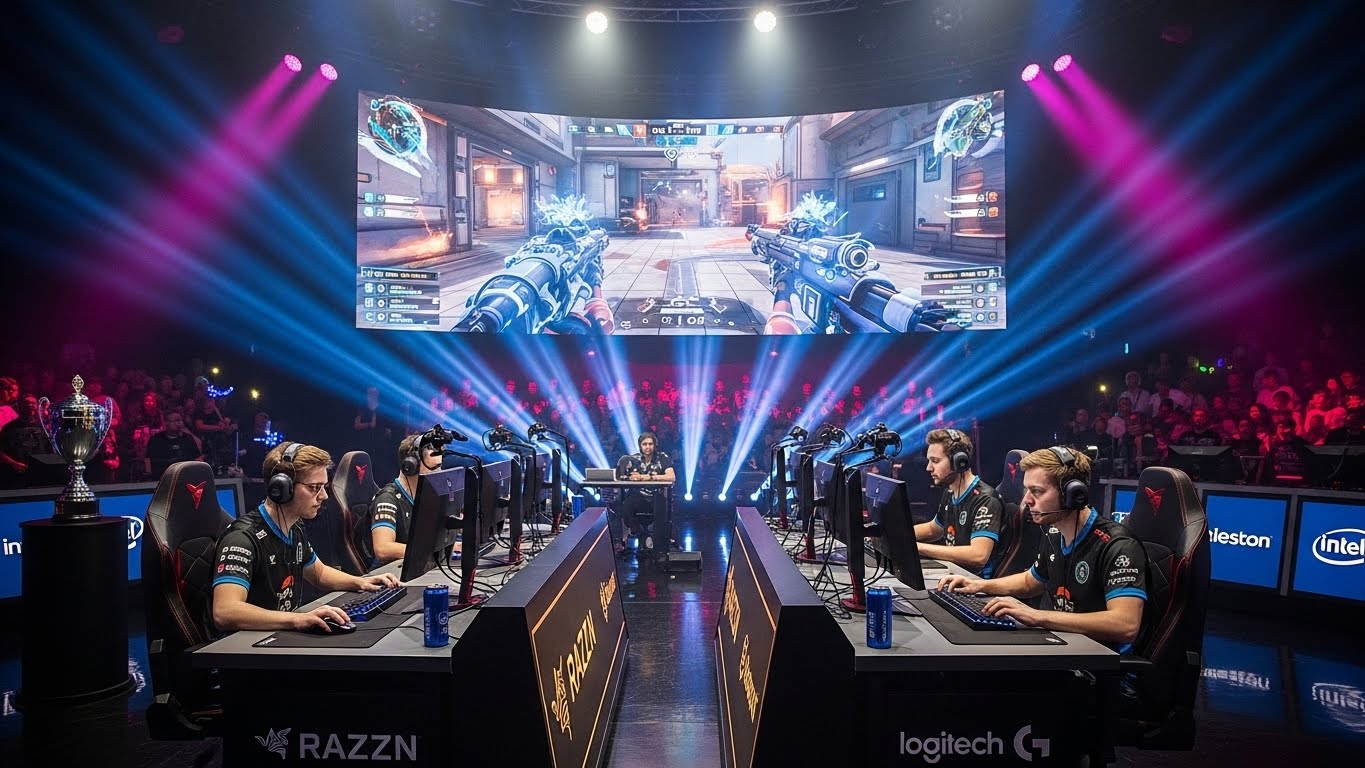
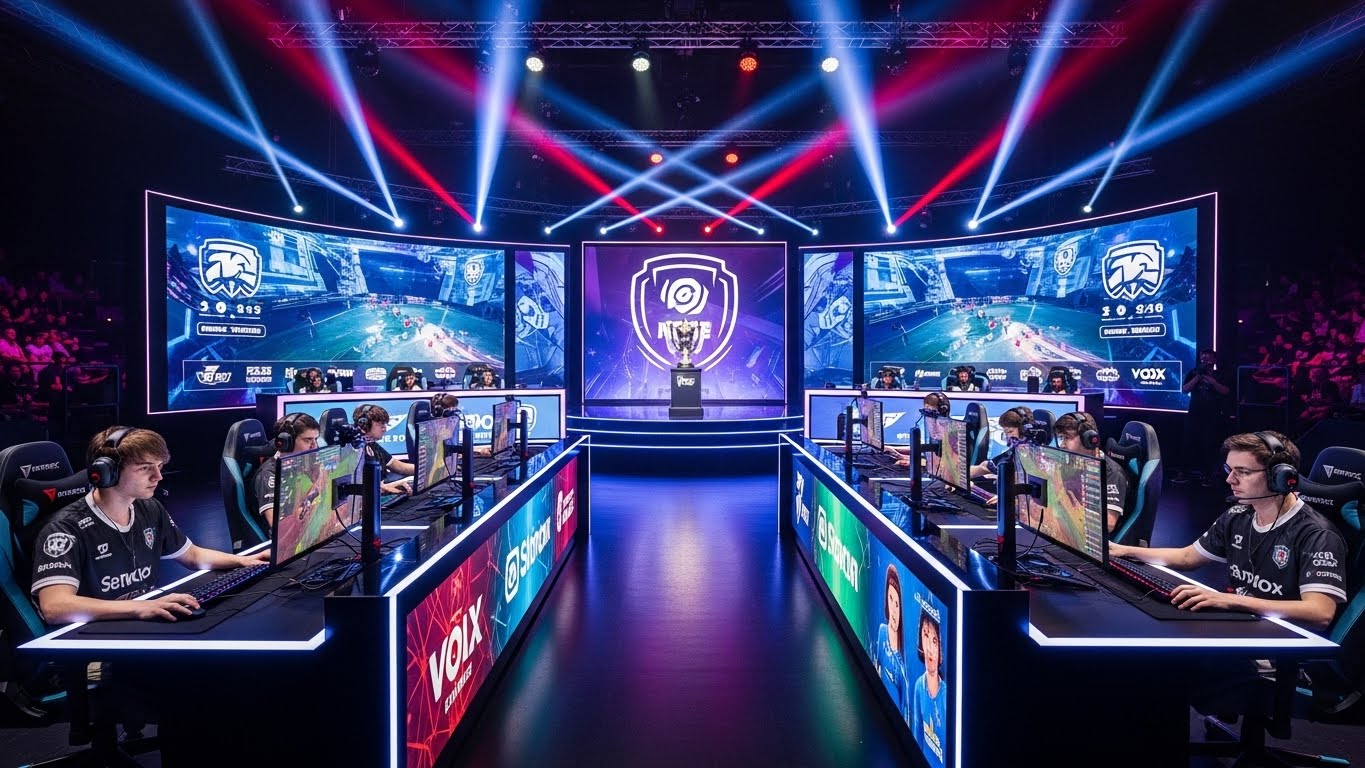
In recent years, esports has evolved from a niche hobby to a global phenomenon. What was once a subculture confined to basements and living rooms has now blossomed into a multi-billion-dollar industry with professional leagues, massive sponsorships, and international tournaments. Esports, or competitive video gaming, is changing the landscape of traditional sports, entertainment, and even the business world. This blog post will explore the rise of esports, its cultural impact, the factors behind its growth, and its potential future in the entertainment industry.
The Rise of Esports: From Hobby to Industry
Esports has been around for decades, but it wasn’t until the late 2000s and early 2010s that the industry began to gain serious traction. Titles like League of Legends, Dota 2, Counter-Strike, and StarCraft set the stage for what would become a global phenomenon. These games were not only popular among casual players, but they also attracted a competitive crowd eager to test their skills against the best in the world.
Tournaments and competitions began to emerge, starting with small community-run events and rapidly growing into large-scale productions with millions of viewers. The introduction of live-streaming platforms, such as Twitch, gave players and fans the ability to watch matches in real-time, which further fueled the growth of the industry. This was a pivotal moment—streaming games gave esports the visibility it needed to grow beyond niche circles.
Today, esports has become a global industry worth billions. In 2020, the esports market was valued at over $1 billion and is expected to continue growing. The growing popularity of mobile esports and the rise of new platforms and game titles have only contributed to this rapid expansion.
The Cultural Impact of Esports
One of the most interesting aspects of esports is its cultural impact. Video games have long been a form of entertainment, but they were typically seen as something for kids or hobbyists. Esports, however, has shattered this perception. Competitive gaming has attracted players from all walks of life, ranging from teenagers to adults in their 30s and 40s, and even professional athletes from traditional sports.
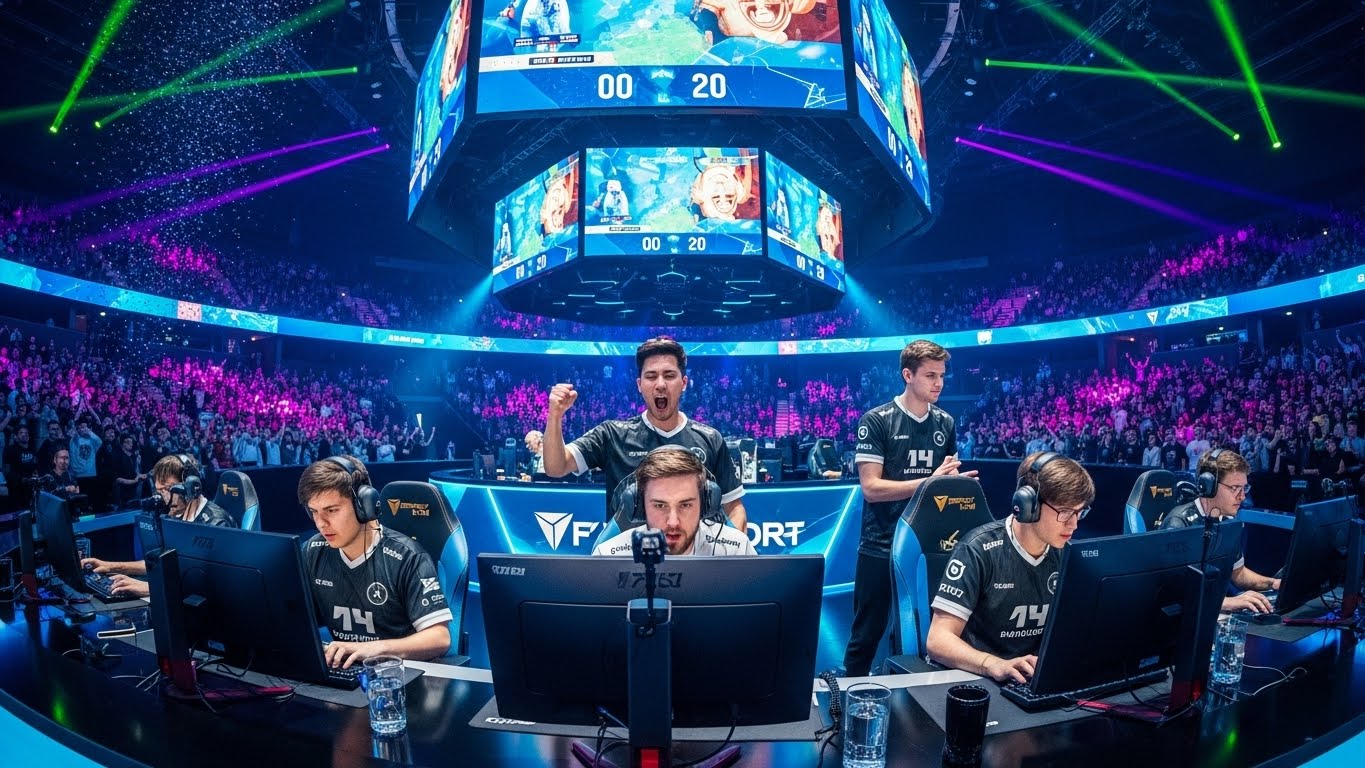
Esports has introduced a new form of “athleticism,” where quick reflexes, strategic thinking, and team coordination are just as important as physical endurance and strength. As esports has grown, so has its influence on popular culture. Major brands like Coca-Cola, Nike, and Red Bull have invested in esports, sponsoring tournaments and players. Video games are now a form of mainstream entertainment, and esports has become a part of the cultural fabric in many countries.
Moreover, esports has provided a platform for younger generations to express their talents and passions. In many ways, it’s democratized professional competition, as anyone with the right skills and determination can rise through the ranks. The rise of esports personalities, streamers, and influencers has also given rise to a new generation of role models. These figures, often accessible through platforms like Twitch and YouTube, have built massive fanbases and become global celebrities.
Esports: The New Frontier for Business and Sponsorships
One of the most significant factors in the rise of esports is the business side of the industry. Esports has quickly become a lucrative opportunity for investors, brands, and media outlets. The industry’s massive viewership and engagement have attracted high-profile sponsors and advertisers eager to capitalize on its growing audience.
One of the major driving forces behind the commercialization of esports is its ability to reach younger demographics. The average age of an esports viewer is between 18 and 34 years old—an age group that is often elusive for traditional advertisers. This makes esports an ideal platform for brands to target a highly engaged and tech-savvy audience.
Additionally, esports has begun to follow the structure of traditional sports leagues, with many professional teams and organizations securing sponsorships, merchandise deals, and media rights agreements. Major brands are sponsoring individual players, team jerseys, and even entire events. The involvement of brands has also led to higher prize pools, professionalized training facilities for teams, and a more organized structure for competitions.
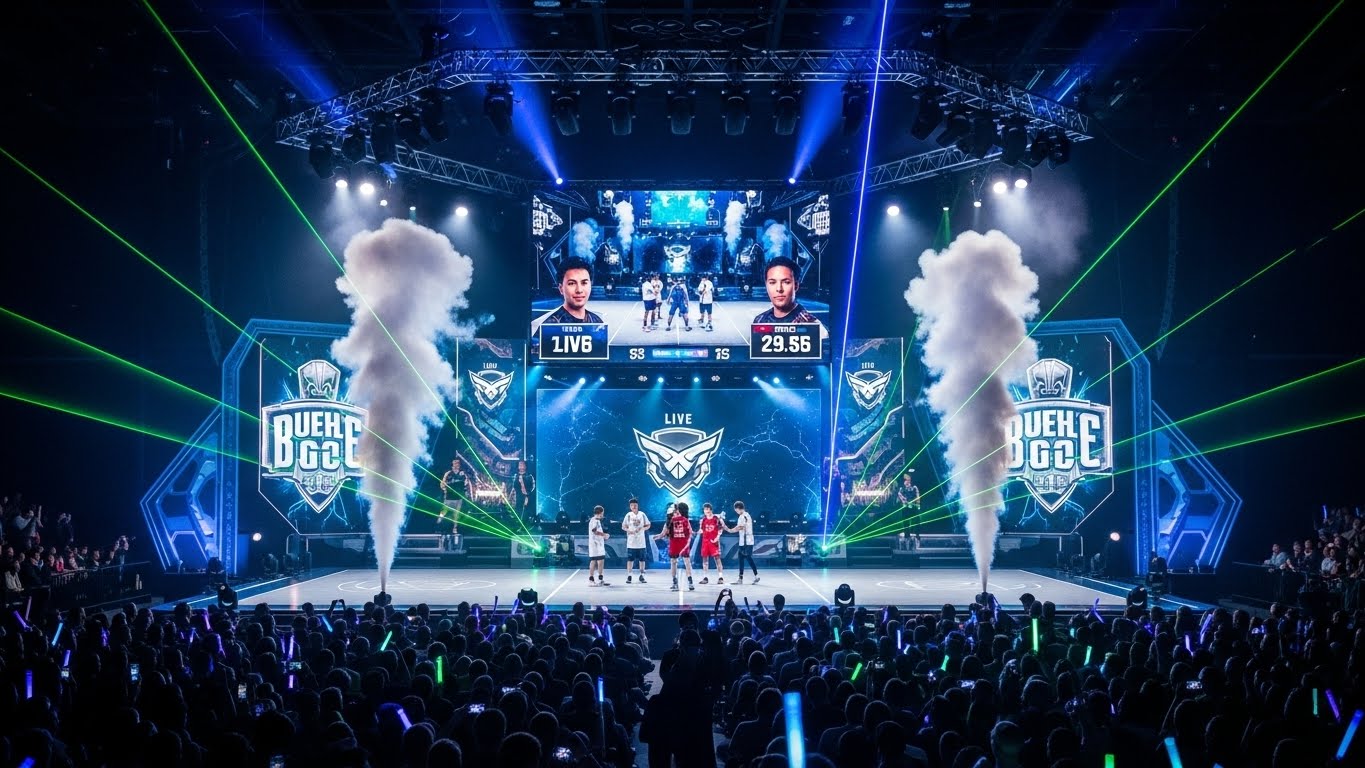
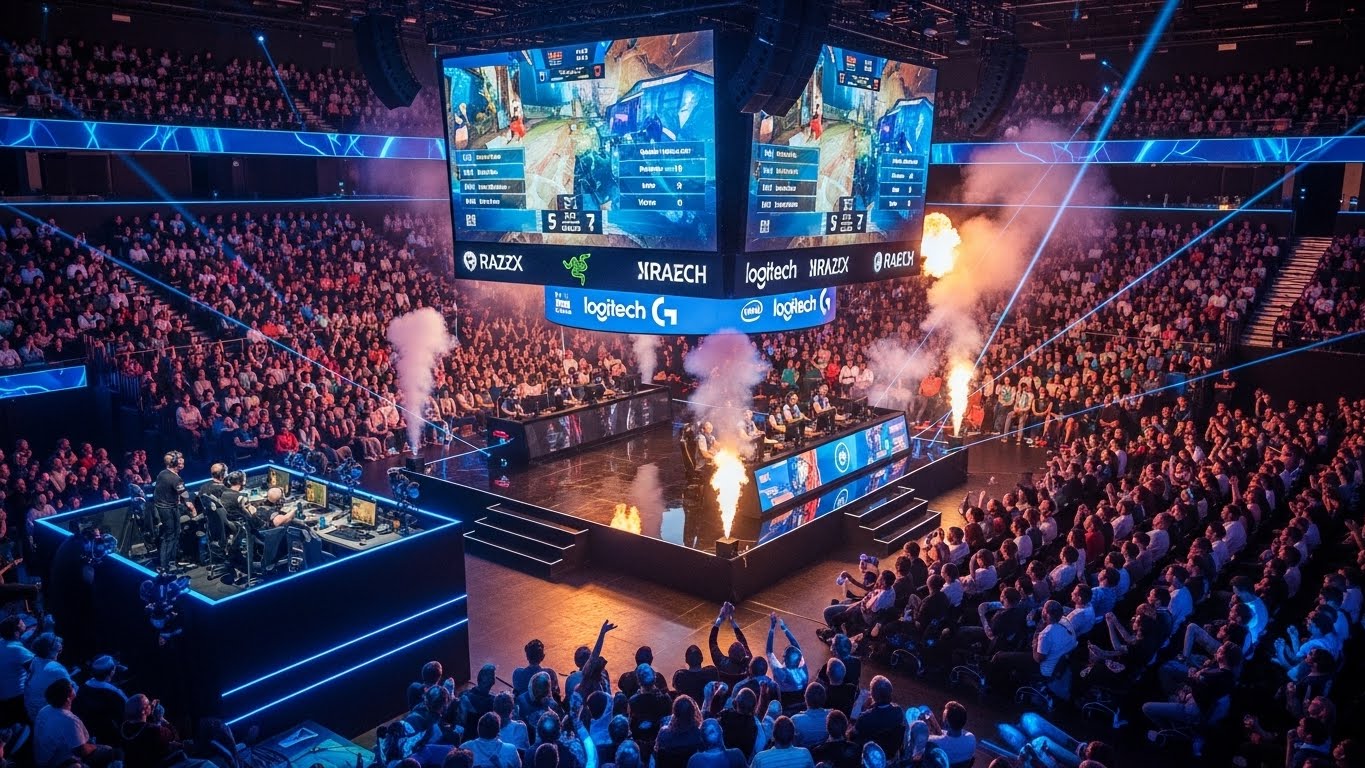
Media companies have also played a pivotal role in the commercialization of esports. Television networks and streaming services are now regularly broadcasting esports events, bringing competitive gaming to a larger mainstream audience. Major events, like the League of Legends World Championship or The International (Dota 2), attract millions of viewers and generate significant revenue through ticket sales, merchandise, and advertising.
The Growth of Esports in Education
While esports might have once been dismissed as a distraction, it has now found its place in educational institutions. Universities and high schools across the world are beginning to embrace esports as a legitimate extracurricular activity and even a career path. Colleges are offering scholarships to talented gamers, and dedicated esports arenas and programs are becoming common on campuses.
In the United States, the National Association of Collegiate Esports (NACE) has worked to establish a competitive ecosystem for collegiate-level esports, and numerous universities are investing in esports programs. This trend is not limited to the U.S.; around the world, academic institutions are acknowledging the potential of esports to develop skills in teamwork, communication, strategic thinking, and problem-solving. The rise of collegiate esports leagues is not only providing talented players with opportunities but also creating new career paths in esports management, production, and coaching.
Esports is thus transforming education and opening up opportunities for students who may not have been interested in traditional sports. With the rise of esports scholarships, students now have the chance to combine their passion for gaming with a formal education, making it easier to pursue careers both within and outside the gaming industry.
The Technology Behind Esports
A crucial aspect of esports’ continued growth is the constant evolution of technology. From game engines to streaming platforms, the gaming industry has always been at the forefront of technological innovation. This is no different when it comes to esports.
Advanced graphics, high-speed internet, and powerful gaming hardware are necessary for competitive gaming. Esports requires cutting-edge technology to ensure seamless gameplay and fair competition. Players rely on high-refresh-rate monitors, powerful gaming PCs, and low-latency internet connections to stay competitive. The rise of cloud gaming and mobile esports is also opening up new possibilities for accessibility and inclusivity.
Moreover, technology has also changed the way esports events are produced and consumed. High-definition streaming, virtual reality, and augmented reality are beginning to play a role in esports broadcasts, providing fans with a more immersive experience. The use of advanced analytics and AI-powered systems is also helping teams and players refine their strategies by offering insights into gameplay patterns.
The Future of Esports
Looking ahead, the future of esports seems incredibly bright. The industry is projected to continue its growth, with new games, emerging platforms, and an ever-expanding fanbase. Some key trends to watch out for in the coming years include:
- Mobile Esports: With the increasing penetration of smartphones and tablets, mobile gaming is expected to play a larger role in the esports ecosystem. Games like PUBG Mobile and Free Fire have already made waves in the mobile esports scene, and this trend will likely continue.
- Virtual Reality and Augmented Reality: As VR and AR technologies evolve, we may see a shift in how esports is played and consumed. Virtual arenas, immersive gameplay, and novel viewing experiences could redefine the spectator experience.
- Mainstream Recognition: As esports continues to integrate into mainstream media, it may be included in more traditional sports events, further blurring the lines between video games and physical sports.
- Expansion into New Markets: While esports has been particularly popular in North America, Europe, and Asia, the industry is beginning to find a foothold in other regions, including Latin America, Africa, and the Middle East. The global nature of esports is opening up new opportunities for growth in these emerging markets.
- Greater Inclusivity and Diversity: The esports industry has the potential to foster greater inclusivity and diversity, not just in terms of gender and race but also in terms of the types of games that are played competitively. More diverse titles could emerge as viable esports options, offering opportunities for different skill sets and player backgrounds.
Conclusion
Esports is no longer just a hobby or a pastime; it has become a global industry with immense cultural, social, and economic influence. From its early days as a niche activity to its current status as a multi-billion-dollar ecosystem, esports has come a long way in a short period of time. With advances in technology, greater mainstream recognition, and a growing fanbase, the future of esports looks incredibly promising. Whether you’re a player, a fan, or an investor, esports presents a world of opportunity, and it’s only just getting started.