championtribe73
Introduction: The Dawn of a Digital Sporting Revolution
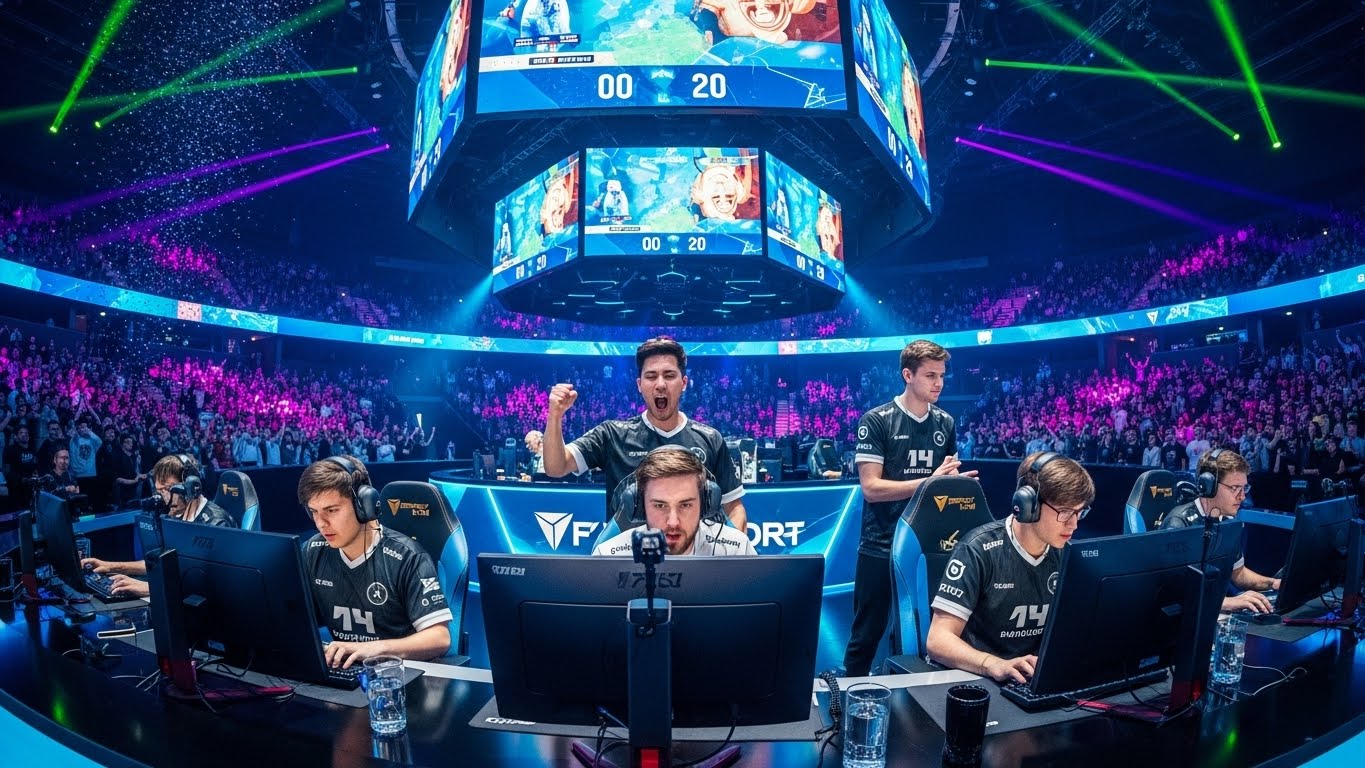
In the last two decades, a quiet revolution has reshaped how humanity defines competition, skill, and entertainment. This revolution has not taken place on grassy fields or within massive stadiums but rather on screens and digital arenas around the world. The world of esports, or electronic sports, has transformed from a niche hobby enjoyed by a handful of gaming enthusiasts into a multi-billion-dollar global industry. Today, esports rivals traditional sports in audience numbers, sponsorships, and influence on youth culture. It represents not only the merging of technology and play but also the dawn of a new age of global competition.
Understanding Esports: What It Really Means
Esports refers to organized, competitive video gaming where players and teams face off in tournaments or leagues across various titles. These games span multiple genres, from first-person shooters like Counter-Strike and Call of Duty to multiplayer online battle arenas such as League of Legends and Dota 2, as well as sports simulations like FIFA and NBA 2K. Unlike casual gaming, esports is professional, structured, and often broadcasted to millions of spectators worldwide.
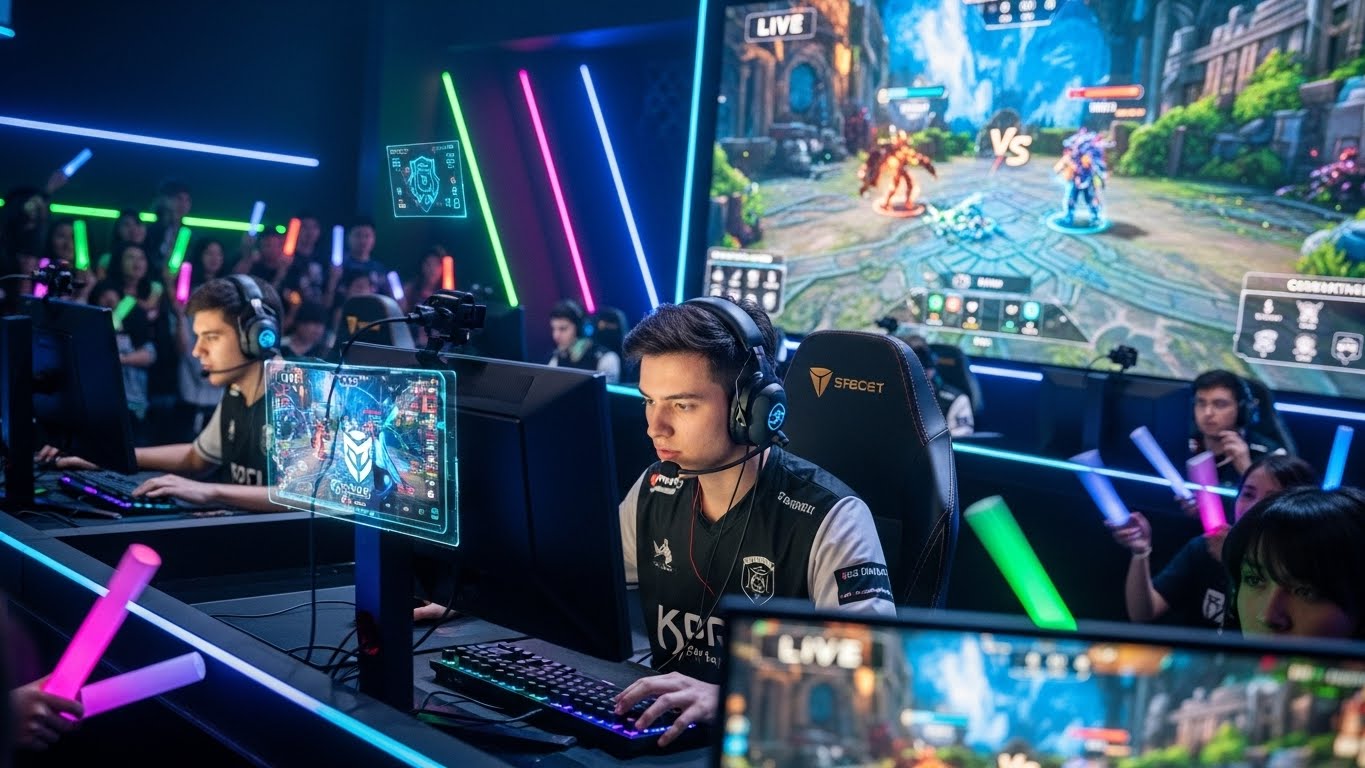
While traditional sports rely on physical prowess, esports emphasizes mental agility, reflexes, teamwork, and strategic decision-making. The skills required to excel are no less rigorous. Professional players undergo countless hours of practice, participate in boot camps, and analyze their performances as meticulously as traditional athletes.
The Early Days of Competitive Gaming
To understand the phenomenon of esports today, one must trace its roots back to the earliest forms of video game competition. The first known video game tournament took place in 1972 at Stanford University, where students competed in a game called Spacewar! for the grand prize of a year’s subscription to Rolling Stone magazine. This event was small and informal, but it sowed the seeds for what would later become an industry worth billions.
The 1980s brought arcade gaming into mainstream culture. High-score competitions on games like Pac-Man, Donkey Kong, and Space Invaders became symbols of gaming mastery. In 1980, Atari hosted the Space Invaders Championship, which attracted over 10,000 participants across the United States — a remarkable feat for the time. These early events highlighted how competitive gaming could bring together large communities united by passion and skill.
The 1990s: The Internet Sparks a Competitive Explosion
The 1990s marked the true beginning of esports as we recognize it today. The arrival of personal computers and the internet transformed gaming from a solitary activity into a shared experience. LAN (Local Area Network) parties became the social hubs of gamers who competed face-to-face. Titles like Quake, StarCraft, and Counter-Strike became staples of the competitive scene.
South Korea emerged as a pivotal force in this decade. The government’s heavy investment in broadband infrastructure and gaming cafes known as “PC bangs” allowed competitive gaming to flourish. StarCraft became a national sensation, and professional players were treated like celebrities. Television networks began broadcasting matches, giving rise to dedicated esports channels. South Korea essentially built the blueprint for modern esports — structured leagues, professional teams, sponsorships, and devoted fan bases.
The 2000s: From Underground Scene to Global Stage
By the early 2000s, esports had evolved into a truly international affair. Major tournaments began to emerge, offering cash prizes and sponsorship deals that rivaled some traditional sports competitions. Games such as Counter-Strike 1.6, Warcraft III, and Halo 2 dominated the scene.
Organizations like Major League Gaming (MLG) in North America, the Electronic Sports World Cup (ESWC) in Europe, and the World Cyber Games (WCG) in Asia helped professionalize esports. These competitions standardized rules, developed ranking systems, and introduced structured tournaments with media coverage.
The technological revolution continued to push the boundaries. The launch of streaming platforms like Twitch (originally Justin.tv) in the late 2000s allowed gamers to broadcast live gameplay to audiences worldwide. For the first time, fans could follow their favorite players and teams from their homes. The interactive nature of live streaming created a new kind of sports fandom—one that was digital, global, and deeply connected.
The 2010s: Esports Enters the Mainstream
The 2010s represent the golden decade of esports growth. Massive investments, franchise leagues, and global sponsorships turned esports into a billion-dollar business. Games like League of Legends, Dota 2, Overwatch, and Fortnite became household names.
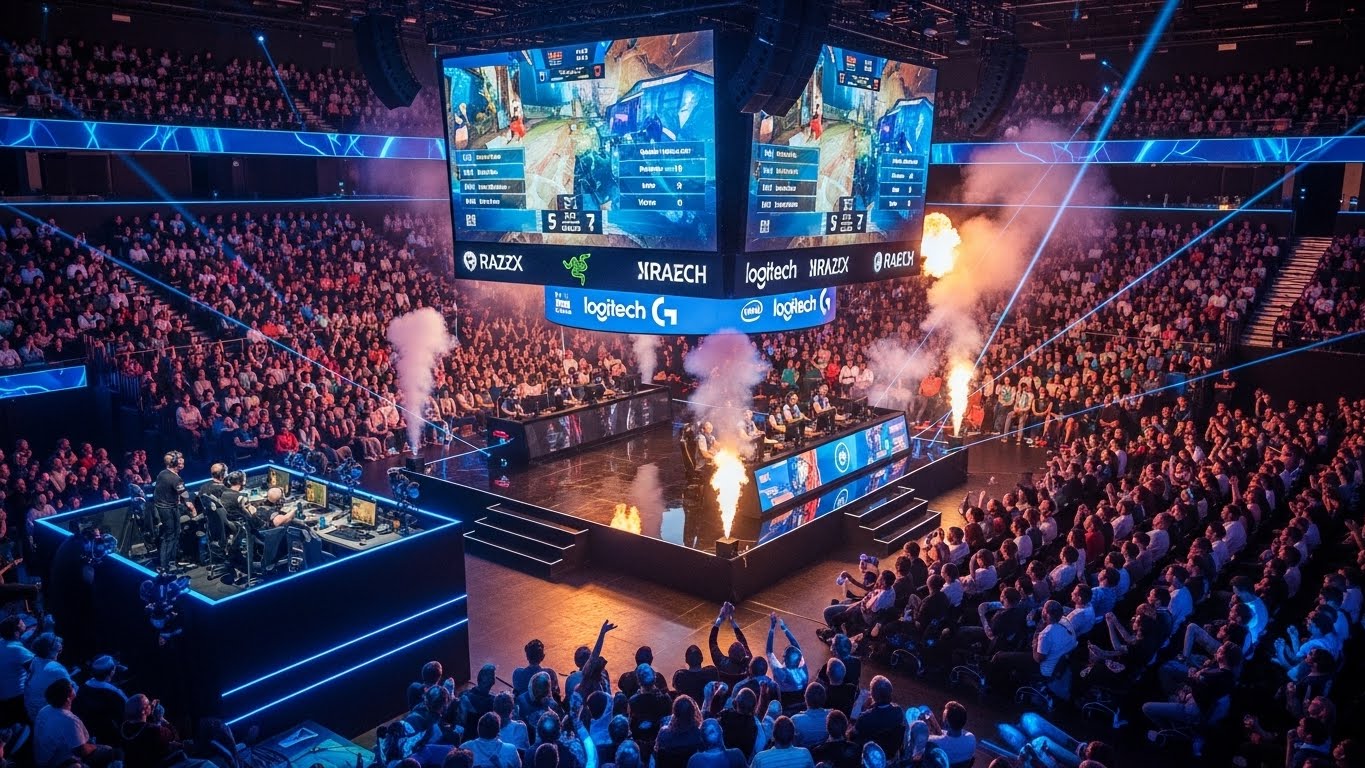
The League of Legends World Championship and The International (Dota 2’s premier tournament) attracted millions of online viewers and filled entire stadiums. The prize pool for The International 2019 surpassed $34 million, setting a record for any esports event at that time. This was a turning point — esports had officially joined the big leagues of global entertainment.
Meanwhile, social media accelerated the industry’s expansion. Twitter, YouTube, and Instagram allowed players to build personal brands and interact directly with fans. Esports organizations became marketing powerhouses, blending entertainment, fashion, and lifestyle. Teams such as Fnatic, Cloud9, and T1 built legacies that transcended gaming itself.
The Role of Technology in Esports Evolution
The growth of esports is inseparable from advances in technology. High-speed internet, powerful gaming PCs, and sophisticated game engines have made competitive gaming more accessible and visually captivating. Virtual reality and augmented reality promise to further transform the esports experience by merging digital action with physical immersion.
Artificial intelligence and data analytics also play an increasingly vital role. Teams now use advanced software to analyze opponents’ strategies, predict outcomes, and improve player performance. Esports has become as much a science as it is an art. The level of preparation rivals that of professional football or basketball teams.
Streaming platforms have democratized access to content. Anyone with a stable internet connection can now watch live tournaments or even start their own channel. This accessibility has contributed to the explosive popularity of esports, bridging cultural and geographical divides.
The Rise of Esports Athletes
Gone are the days when gamers were dismissed as mere hobbyists. Today’s esports professionals are athletes in every sense. They maintain strict training routines, follow dietary guidelines, and work with psychologists and coaches to stay mentally sharp.
A typical esports player practices for eight to twelve hours a day, refining mechanics, communication, and teamwork. Mental endurance is crucial; matches can last for hours, and a single misstep can cost a championship. Reaction times among elite players are often faster than those of fighter pilots — an astonishing fact that underlines the physical intensity of competitive gaming.
Esports also introduced a new form of celebrity. Players like Faker from League of Legends, s1mple from Counter-Strike: Global Offensive, and Ninja from Fortnite have global fanbases and millions of followers. These individuals have become cultural icons, appearing on talk shows, advertisements, and even magazine covers.
The Economics of Esports
The business of esports is vast and complex. It encompasses multiple revenue streams: sponsorships, advertising, ticket sales, media rights, and in-game purchases. Major brands from non-gaming industries — such as automobile manufacturers, beverage companies, and fashion labels — have all entered the space to reach younger, tech-savvy audiences.
According to various industry reports, global esports revenues have surpassed $1.5 billion annually, with projections suggesting continued growth. The audience for esports exceeds 500 million people worldwide, including both dedicated fans and casual viewers. The demographic is predominantly under 35 years old, making esports one of the most valuable markets for advertisers and entertainment networks.
The professional ecosystem has matured. Franchised leagues like the Overwatch League and Call of Duty League mirror traditional sports models, complete with city-based teams, salaries, and contracts. The infrastructure surrounding esports now includes coaches, analysts, broadcasters, event organizers, and content creators — all contributing to a thriving digital economy.
Education and Career Opportunities in Esports
Esports is no longer just a pastime; it has become a legitimate career path. Universities and colleges around the world now offer degrees and scholarships in esports management, game design, and digital media. Schools have formed varsity esports teams, and academic programs are training the next generation of players, managers, and developers.
Beyond professional play, the esports industry offers countless roles. Event production, marketing, broadcasting, and game development are all vital parts of the ecosystem. The expansion of esports has created thousands of jobs and fostered innovation across multiple industries.
Esports and Traditional Sports: A Growing Relationship
Initially, traditional sports organizations viewed esports as a novelty. Today, that perception has changed dramatically. Major sports franchises and athletes are investing in esports teams. The NBA, for example, launched the NBA 2K League, while football clubs like Paris Saint-Germain and Manchester City have their own esports divisions.
This crossover is mutually beneficial. Esports gains credibility and financial backing, while traditional sports access a younger, more digitally engaged audience. The line between the two worlds continues to blur, suggesting a future where both coexist symbiotically.
The Global Community of Esports
Esports transcends language and culture. Players from every corner of the globe compete on the same virtual battlefields, fostering a sense of global unity. Major tournaments feature multinational rosters, and fans cheer for teams regardless of nationality.
This global community thrives on inclusivity and diversity. Women, while still underrepresented, are making significant strides in the industry. Initiatives promoting gender equality and accessibility are gaining traction, ensuring that esports becomes a truly universal platform for competition and creativity.
Challenges Facing the Esports Industry
Despite its rapid success, esports faces several challenges. The physical and mental strain on players can be immense, leading to burnout or early retirement. Unlike traditional sports with established health and welfare systems, esports is still developing mechanisms to support long-term player well-being.
Cheating and match-fixing also pose risks, especially given the online nature of competition. Maintaining integrity and fair play requires robust governance and regulation. Additionally, the industry must continue addressing issues such as toxicity, online harassment, and diversity to ensure a healthy and sustainable environment.
Monetization is another evolving challenge. While audiences are massive, converting viewership into consistent revenue streams remains complex. The industry must find balanced ways to reward both creators and organizations without compromising fan accessibility.
The Future of Esports: Boundless Possibilities
The future of esports is bright, dynamic, and unpredictable. Advances in technology — from artificial intelligence to virtual reality — will reshape how games are played and experienced. Esports may eventually merge with emerging technologies like blockchain and the metaverse, creating entirely new forms of competitive interaction.
We may soon see virtual stadiums where fans attend matches using VR headsets, or fully immersive holographic tournaments broadcast worldwide. Esports could become the foundation of global digital culture, blending entertainment, education, and community engagement.
The possibility of esports being included in major global sporting events, such as the Olympic Games, is also becoming more realistic. The recognition of esports as a legitimate sport by several countries signals a new chapter in its history.
The Cultural Impact of Esports
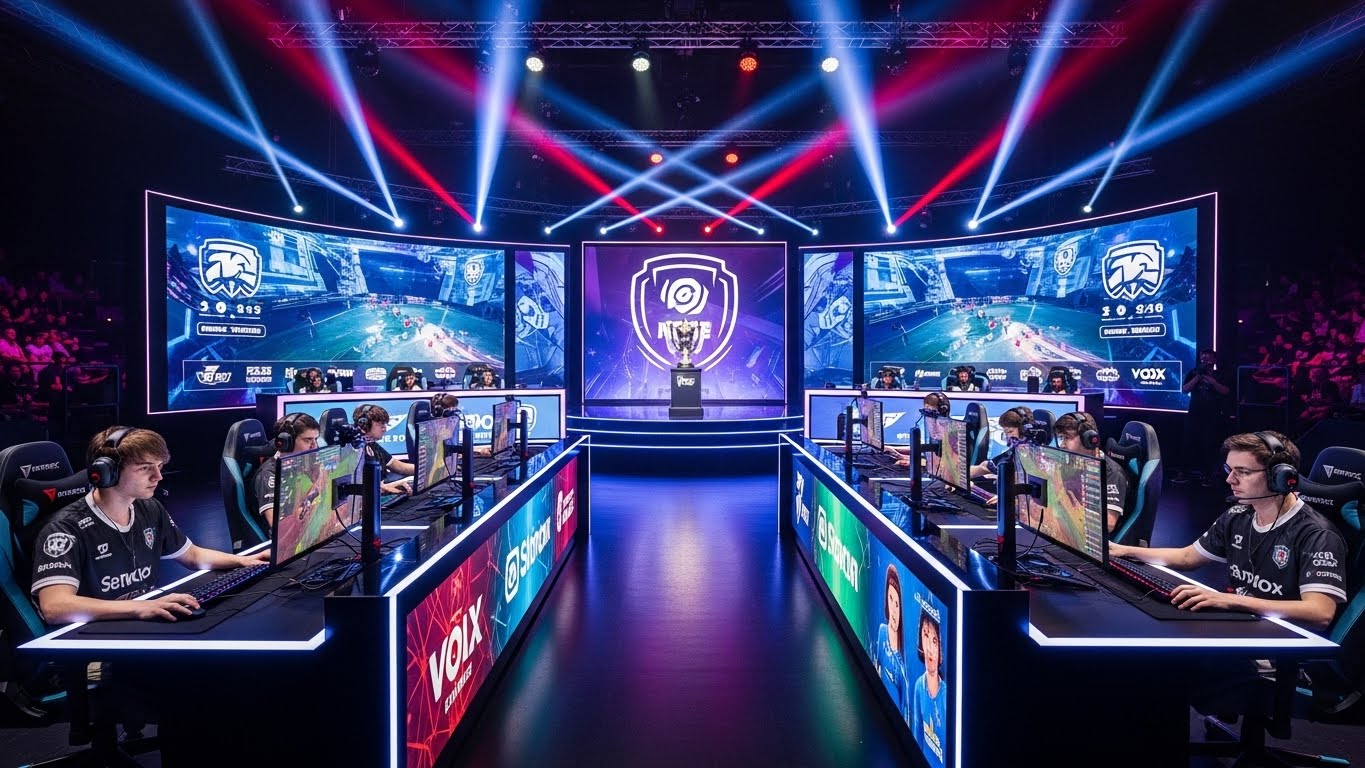
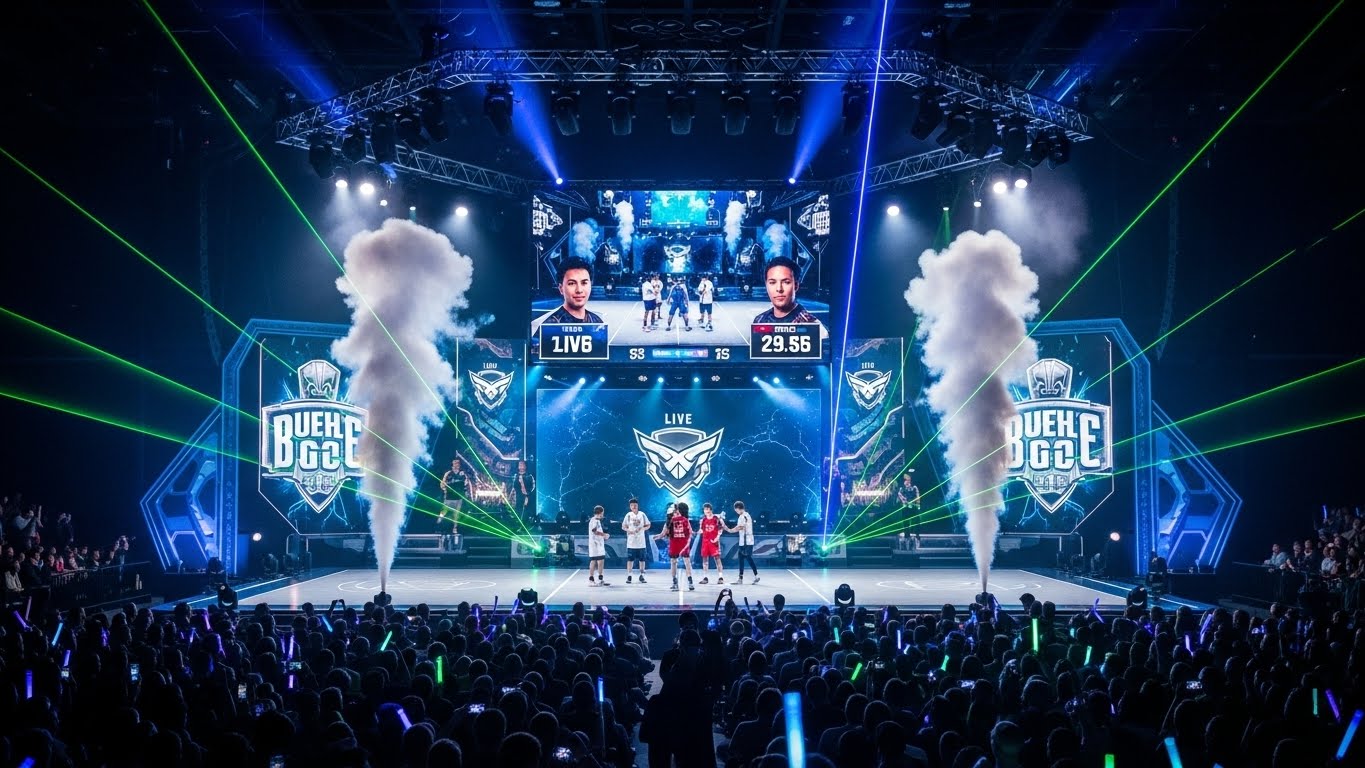
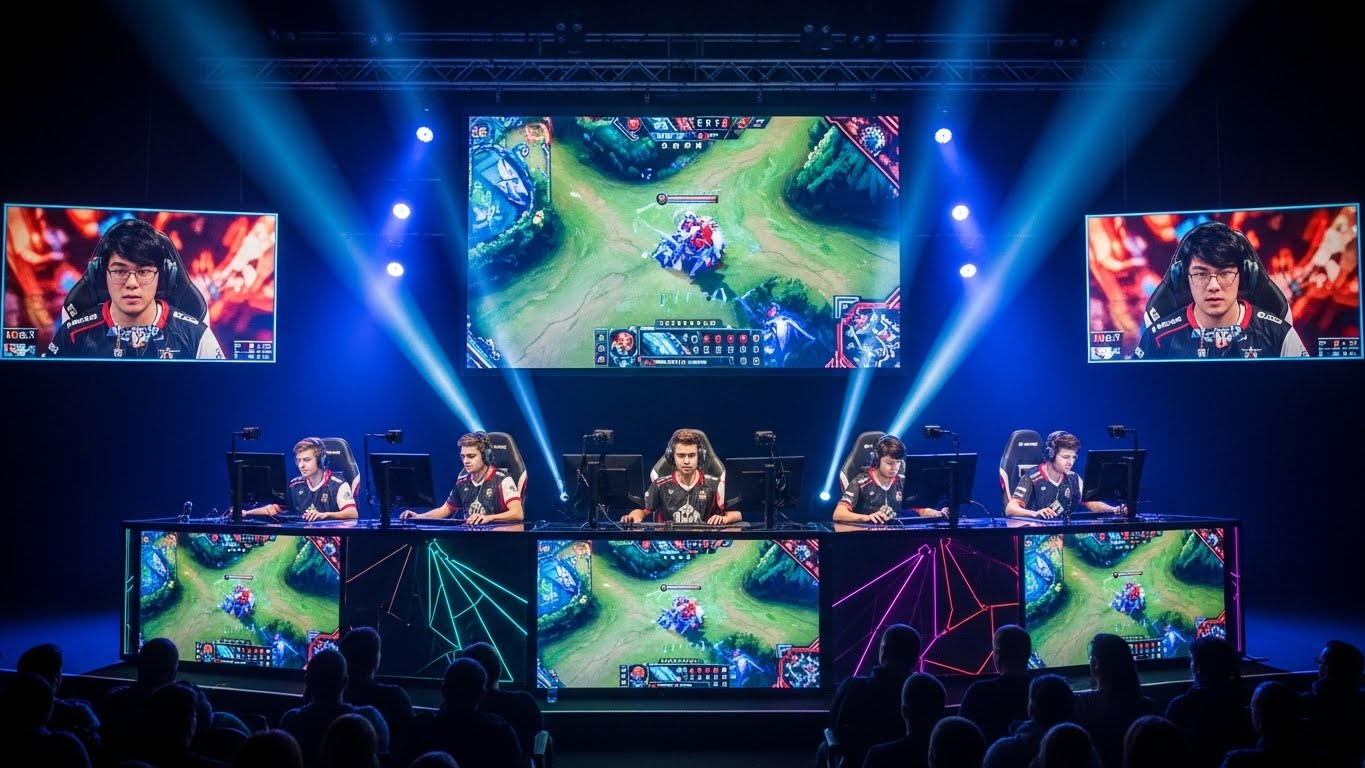
Beyond competition, esports has reshaped popular culture. It influences fashion, music, media, and even film. Gaming-inspired collaborations with clothing brands, artists, and streaming platforms highlight its cultural power. Esports events are now entertainment spectacles, featuring live music performances, celebrity appearances, and elaborate stage designs.
The phenomenon also redefines social interaction. For younger generations, gaming is not an escape from reality but an extension of it — a place to connect, collaborate, and express identity. Esports represents the social fabric of the digital age, where communities are built not by geography but by shared passion.
Conclusion: Esports and the Future of Human Competition
Esports stands as one of the most remarkable developments of the 21st century. What began as a humble pastime has evolved into a sophisticated global industry that blends technology, culture, and competition. It challenges traditional notions of sportsmanship and entertainment while offering new opportunities for creativity, inclusion, and global unity.
As technology continues to advance, the boundaries between physical and digital competition will blur even further. Esports is not merely the future of gaming; it is the future of entertainment itself — a dynamic, interactive, and endlessly evolving phenomenon that reflects humanity’s boundless desire to play, compete, and connect.