championtribe73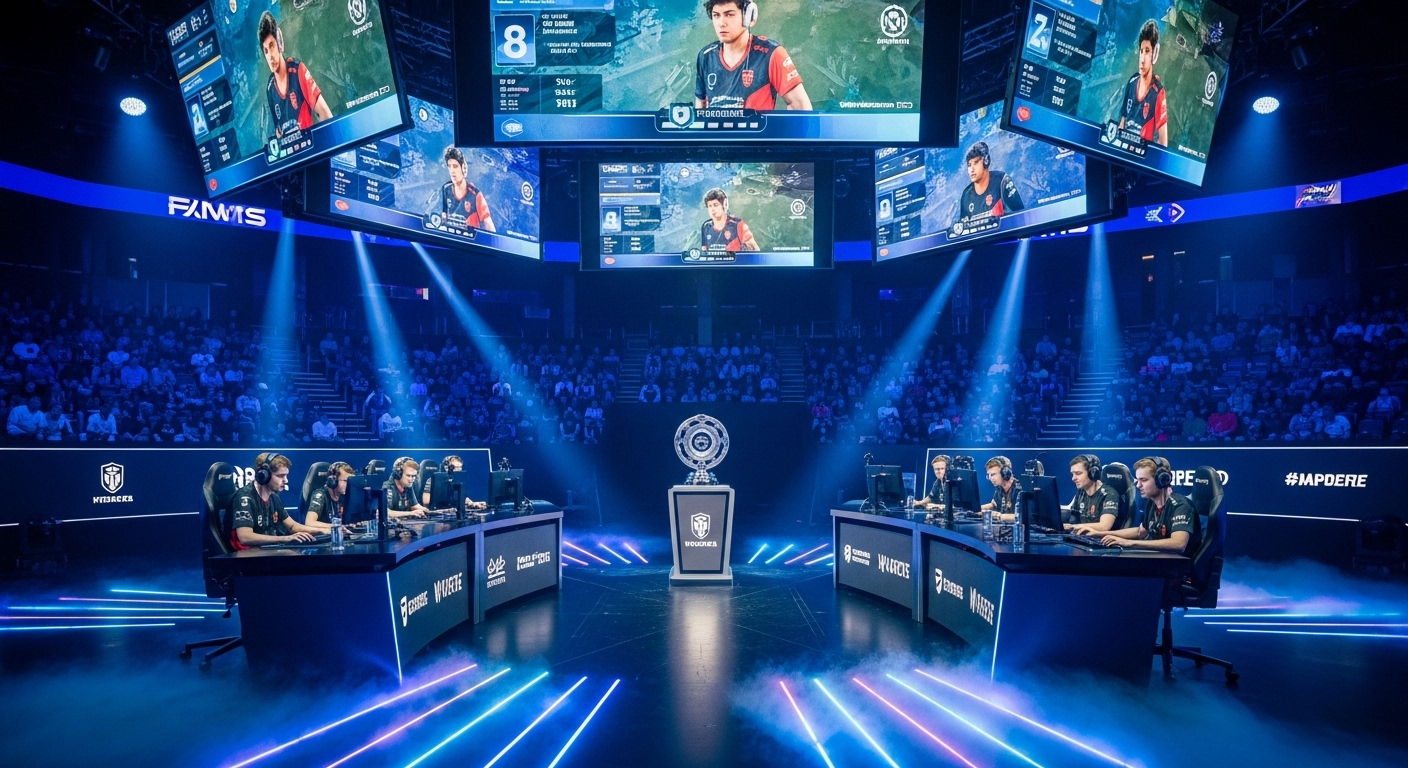
Introduction to Esports
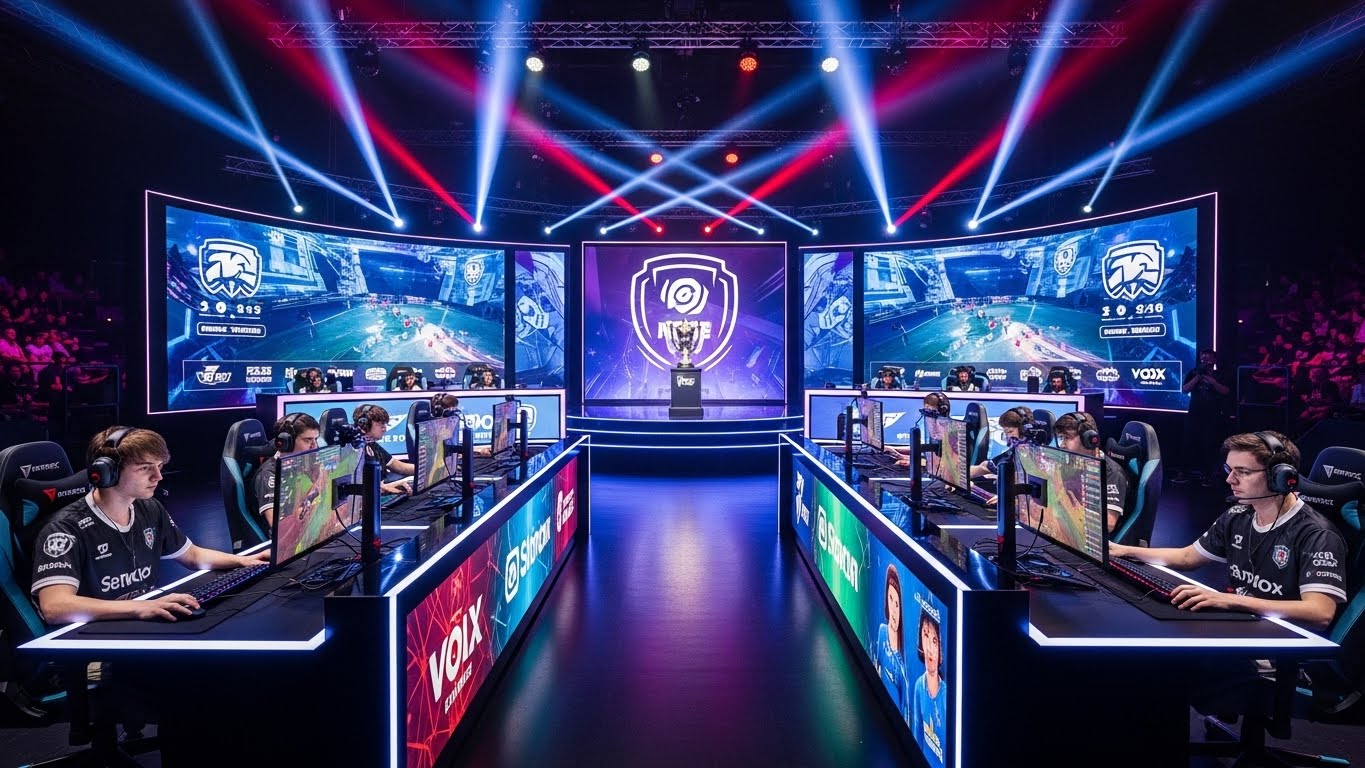
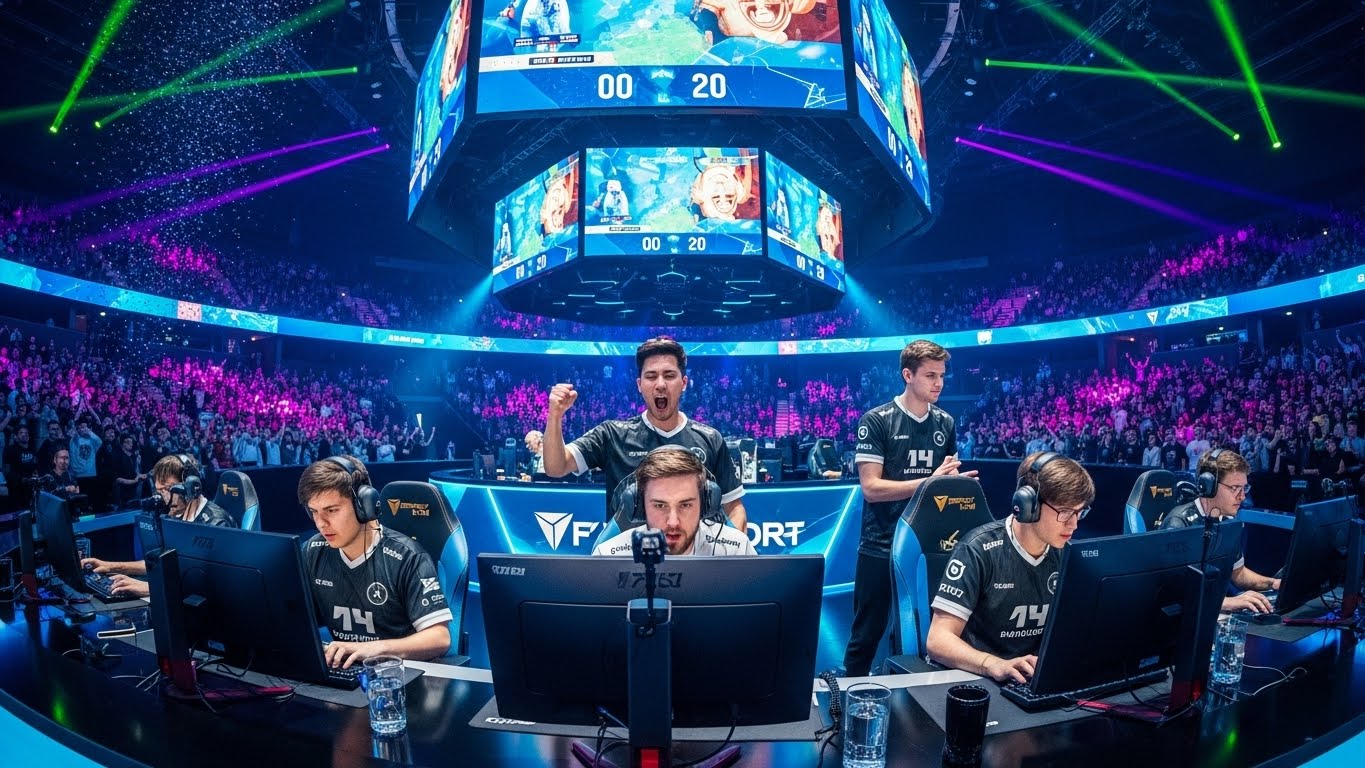
In recent years, the world of competitive gaming has grown from a niche hobby into a global phenomenon. Known as Esports, this industry encompasses organized, multiplayer video game competitions, often featuring professional players, teams, and massive live audiences. Unlike casual gaming, Esports is characterized by its structured competitions, tournaments, and significant financial stakes. The surge in popularity of Esports reflects broader technological, social, and cultural shifts, as digital platforms and streaming services have allowed gaming to reach an unprecedented scale.
Esports is no longer limited to a handful of games or specific regions. Its influence spans continents, cultures, and demographics, creating a dynamic ecosystem that mirrors traditional sports in many ways. What began as small local competitions among friends and hobbyists has transformed into a multibillion-dollar industry with professional leagues, sponsorships, and dedicated arenas.
Historical Context: How Esports Began
The origins of competitive gaming can be traced back to the late 1970s and early 1980s, when arcade tournaments became popular. Games such as Space Invaders and Pac-Man attracted competitive players, but it wasn’t until the 1990s that Esports started to resemble the industry we know today. The release of PC games like StarCraft in South Korea and Counter-Strike in North America introduced highly competitive gameplay and the concept of organized tournaments.
South Korea played a pivotal role in shaping modern Esports culture. In the late 1990s, the country experienced an internet boom, which made online multiplayer games accessible to a wide population. The government and private companies began sponsoring leagues, and televised competitions started to attract massive audiences. By the early 2000s, professional players were recognized as celebrities, earning substantial incomes from tournaments and sponsorships.
The Evolution of Esports Games
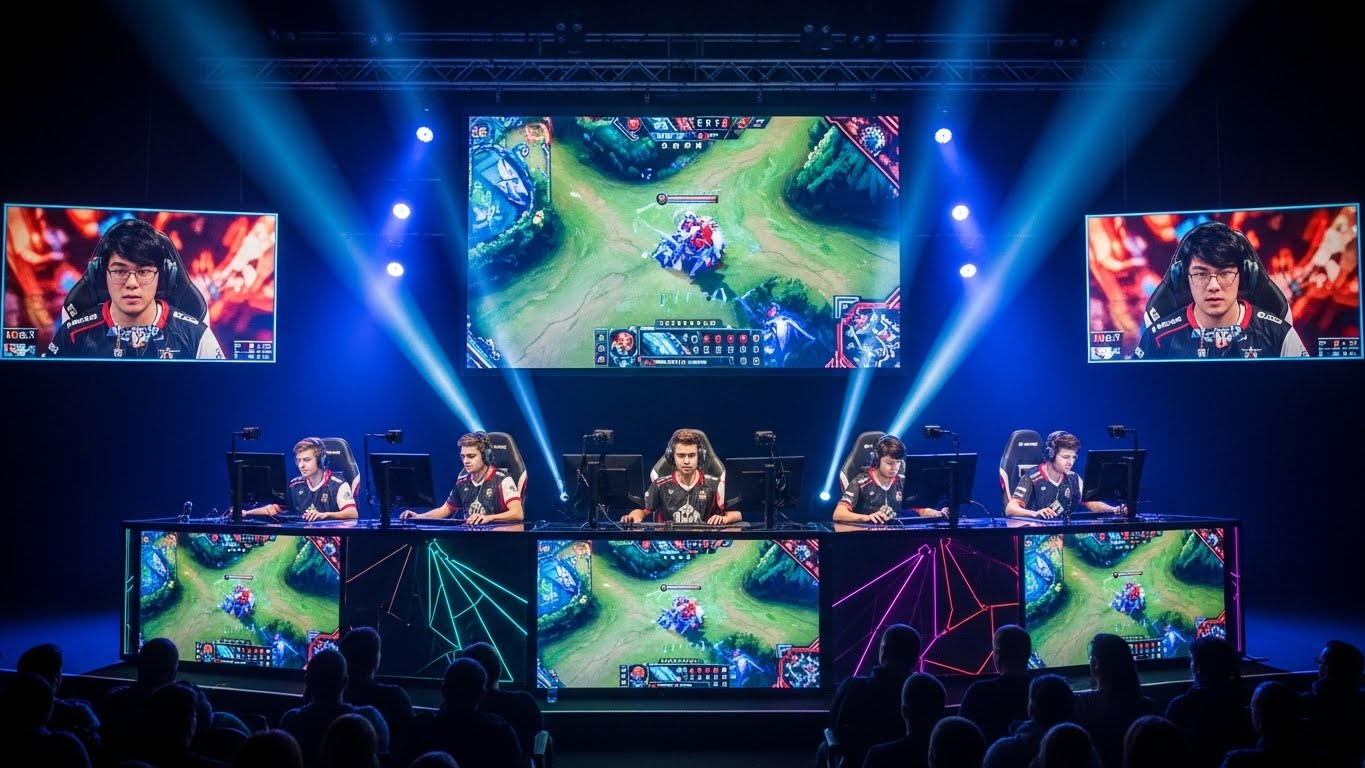
Esports today spans multiple genres, each offering unique challenges and experiences. Popular competitive games include first-person shooters (FPS), real-time strategy (RTS), multiplayer online battle arenas (MOBA), and sports simulations. FPS games like Call of Duty and Counter-Strike: Global Offensive test reflexes, accuracy, and tactical decision-making. MOBA games like League of Legends and Dota 2 require strategic thinking, teamwork, and real-time adaptability.
The evolution of these games has not only enhanced player skills but also improved spectator experience. Developers frequently update games to balance gameplay, introduce new mechanics, and provide features that enhance streaming and audience engagement. Spectators can now enjoy professional-level gameplay through online platforms with live commentary, in-game statistics, and interactive features, making Esports highly engaging for fans.
The Growth of Esports Audiences
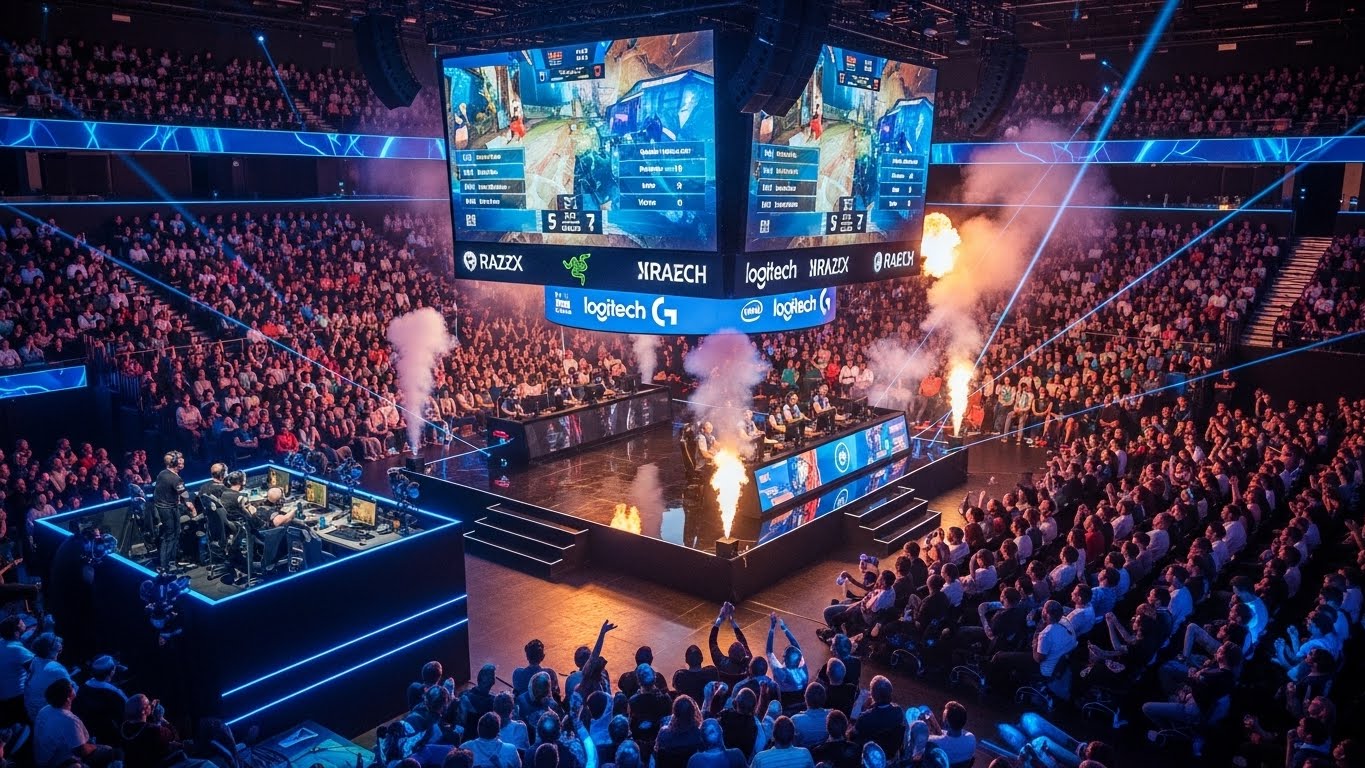
One of the defining features of Esports is its massive, engaged audience. Unlike traditional sports, which rely heavily on physical venues, Esports thrives in the digital realm. Platforms such as Twitch, YouTube Gaming, and Facebook Gaming allow millions of viewers worldwide to watch live competitions, follow their favorite teams, and participate in discussions.
Statistics indicate that Esports viewership is expected to surpass hundreds of millions globally. The audience is diverse, spanning different ages, genders, and cultures. Younger generations, who grew up playing video games, often form the core of Esports communities. This demographic shift has encouraged brands and sponsors to invest heavily in Esports marketing, recognizing the potential to reach highly engaged consumers.
Professional Players and Teams
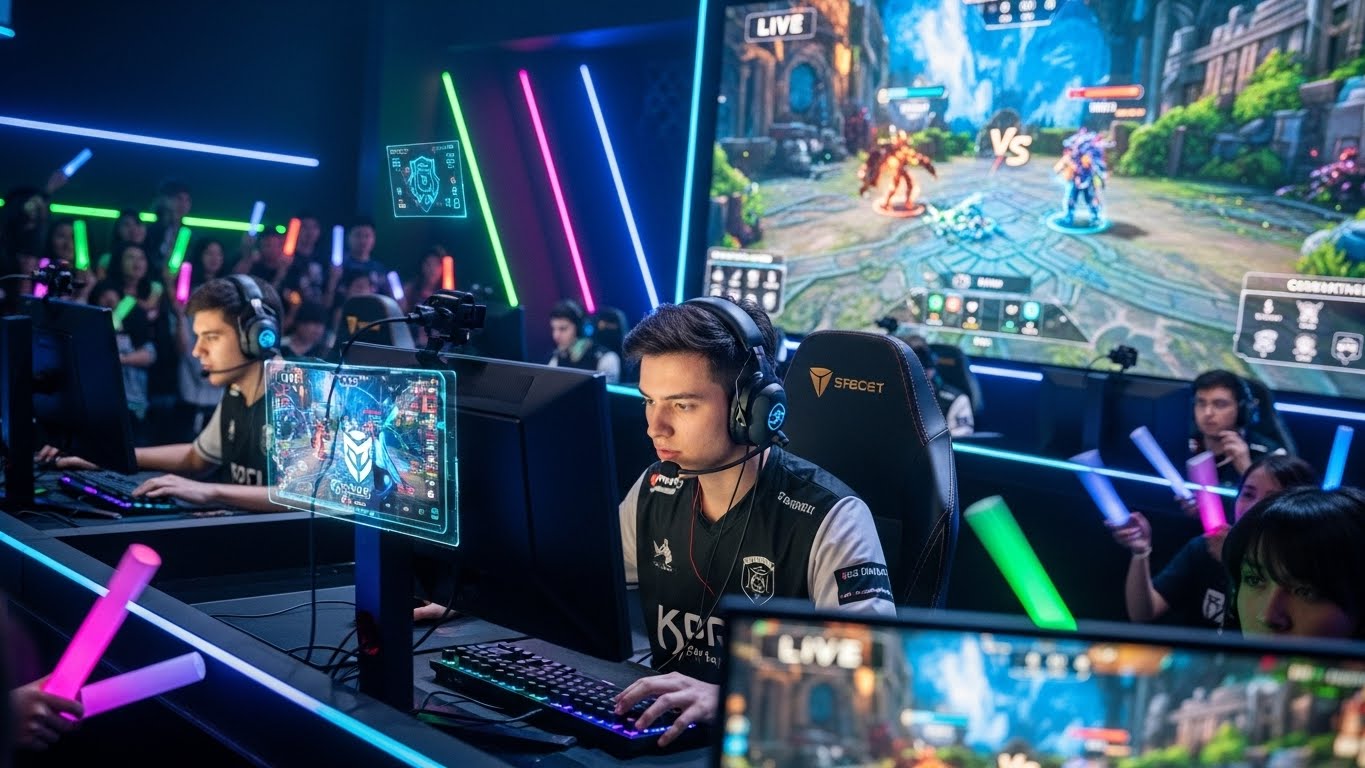
Professional Esports players are often as disciplined and skilled as athletes in traditional sports. Training regimens include hours of daily practice, studying opponent strategies, physical fitness, and mental conditioning. Players often specialize in specific roles within their teams, such as support, damage dealer, or strategist, each requiring precise skills and coordination.
Esports teams operate much like professional sports franchises, with coaches, analysts, managers, and medical staff. High-profile teams often have dedicated training facilities, streaming studios, and brand partnerships. Successful players can achieve celebrity status, earning millions in prize money, sponsorships, and streaming revenue.
Major Esports Tournaments
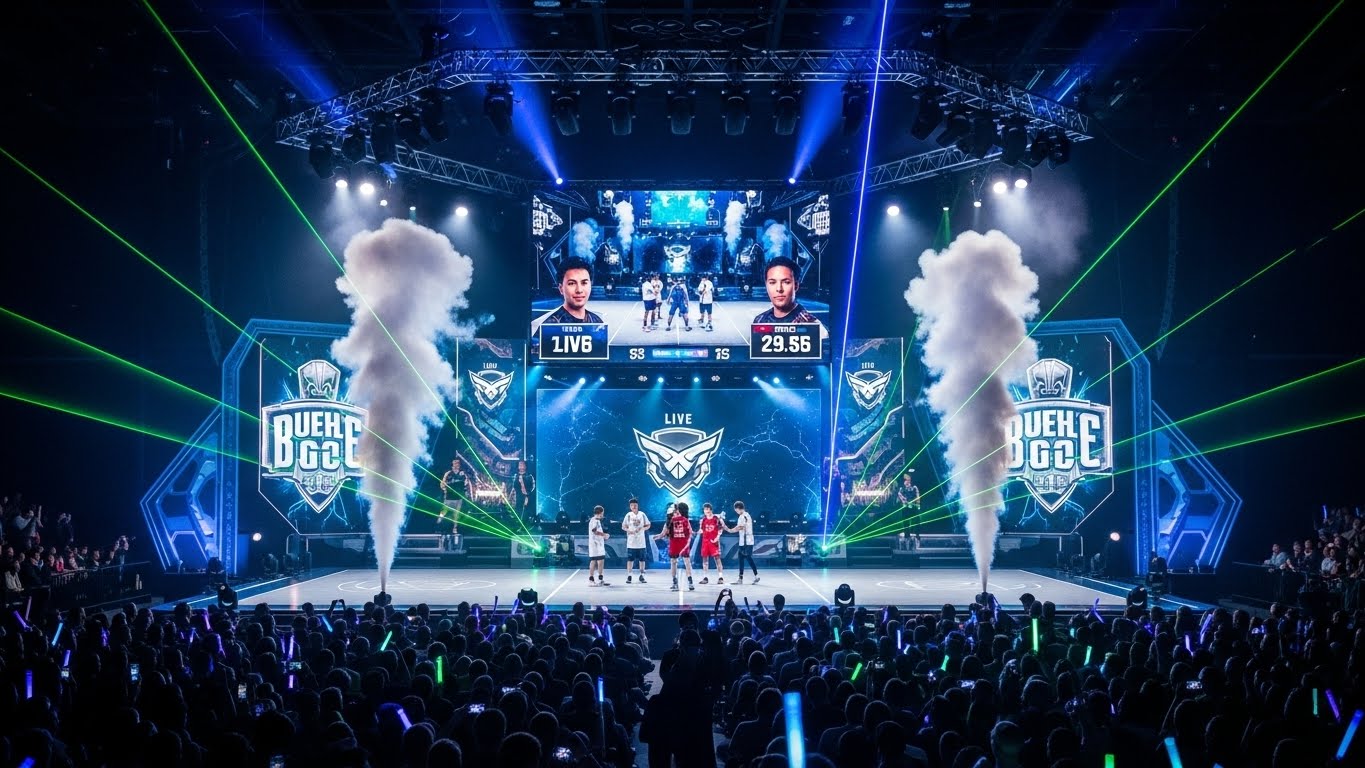
Esports tournaments are the cornerstone of the industry, showcasing the highest levels of skill and competition. Some of the most notable events include The International for Dota 2, the League of Legends World Championship, and the Call of Duty League Championship. These tournaments feature multi-stage formats, including qualifiers, group stages, and knockout rounds, culminating in grand finals that attract massive viewership.
Prize pools for major tournaments can reach tens of millions of dollars, reflecting the financial growth of the industry. Beyond prize money, tournaments provide exposure for teams, players, and sponsors. International events also foster a sense of global community, bringing together fans from different countries to celebrate competitive gaming.
Esports and Technology
Technology is a driving force behind the rise of Esports. High-speed internet, powerful gaming hardware, and advanced streaming platforms have enabled seamless gameplay and viewing experiences. Innovations such as virtual reality (VR) and augmented reality (AR) are beginning to shape the future of Esports, offering immersive experiences for both players and spectators.
Data analytics also play a critical role. Teams use detailed performance metrics to analyze gameplay, develop strategies, and gain competitive advantages. Spectators benefit from enhanced viewing experiences through real-time statistics, predictive analytics, and interactive features that deepen engagement.
Esports Culture and Community
Esports has cultivated a unique culture and community that extends beyond competition. Online forums, social media groups, and fan clubs provide spaces for discussion, collaboration, and celebration of gaming achievements. Cosplay, fan art, and community-organized tournaments contribute to a vibrant cultural ecosystem.
The inclusivity of Esports has also been a defining characteristic. Unlike many traditional sports, which can be limited by physical abilities, Esports allows individuals from diverse backgrounds to participate and compete at the highest levels. This accessibility has helped Esports grow rapidly and fostered a sense of belonging among global gaming communities.
Challenges Facing the Esports Industry
Despite its rapid growth, Esports faces several challenges. Player burnout, online toxicity, and lack of regulation are ongoing concerns. The intense training schedules, constant travel for tournaments, and public scrutiny can lead to mental health issues for professional players. Additionally, the digital nature of the industry makes it vulnerable to cheating, hacking, and match-fixing, which can undermine credibility.
Monetization is another challenge. While sponsorships, advertising, and media rights have generated significant revenue, ensuring sustainable income streams for teams and players remains a priority. As the industry matures, balancing commercial interests with community engagement is critical to long-term success.
The Future of Esports
The future of Esports is promising, with continued growth expected in both participation and viewership. Emerging markets in Asia, Latin America, and the Middle East are contributing to the global expansion of the industry. Advances in technology, such as cloud gaming and AI-driven coaching, may further enhance the accessibility and competitiveness of Esports.
Esports may also increasingly intersect with traditional sports, education, and entertainment. Some universities are offering scholarships for Esports athletes, recognizing competitive gaming as a legitimate career path. Collaborations with mainstream sports leagues and media companies are likely to expand the reach and legitimacy of Esports even further.
Conclusion
Esports represents a remarkable convergence of technology, culture, and competition. From humble beginnings in arcade halls to massive international tournaments with millions of viewers, Esports has transformed the way we perceive gaming. It has created new career paths, fostered global communities, and challenged traditional notions of sport.
As the industry continues to evolve, Esports will likely play an increasingly prominent role in entertainment, culture, and even education. Its growth reflects broader societal trends toward digital engagement, connectivity, and interactive experiences. For players, fans, and entrepreneurs alike, Esports offers a dynamic landscape full of opportunities, excitement, and innovation.