championtribe73
Esports, or competitive video gaming, has grown from niche communities into a global cultural and economic force. What was once considered a pastime for hobbyists has now transformed into a multi-billion-dollar industry, with professional players, major tournaments, and massive audiences tuning in from around the world. This blog post explores the evolution, impact, and future of esports, providing a comprehensive overview of this fascinating phenomenon.
A Brief History of Esports
The origins of competitive gaming can be traced back to the late 1970s and early 1980s when arcade tournaments were first organized. Games like Space Invaders and Pac-Man attracted competitive players, but these early competitions were largely local and informal. The real shift began in the 1990s with the rise of PC gaming and titles like Quake and StarCraft, which fostered dedicated competitive communities.
South Korea played a pivotal role in shaping modern esports. By the early 2000s, professional leagues were established, particularly around StarCraft: Brood War. Television broadcasts of matches drew significant audiences, turning skilled players into celebrities. Around the same time, online platforms allowed players to compete across regions, further accelerating esports’ growth.
The Evolution of Competitive Gaming
Esports has evolved significantly over the last two decades. In the early 2000s, competitions were largely limited to real-time strategy (RTS) and first-person shooter (FPS) games. Titles like Counter-Strike and Warcraft III dominated the scene, attracting skilled players and passionate fans.
The 2010s saw the rise of multiplayer online battle arena (MOBA) games, most notably League of Legends and Dota 2. These games introduced complex strategies, team coordination, and high-stakes tournaments that captivated global audiences. Concurrently, battle royale games like Fortnite and PUBG brought massive popularity to esports by blending competitive gameplay with casual accessibility.
Today, esports encompasses a diverse range of genres, including fighting games, racing simulators, and sports simulations like FIFA and NBA 2K. This diversification has helped the industry appeal to wider demographics, from hardcore gamers to casual viewers.
The Structure of Esports Competitions
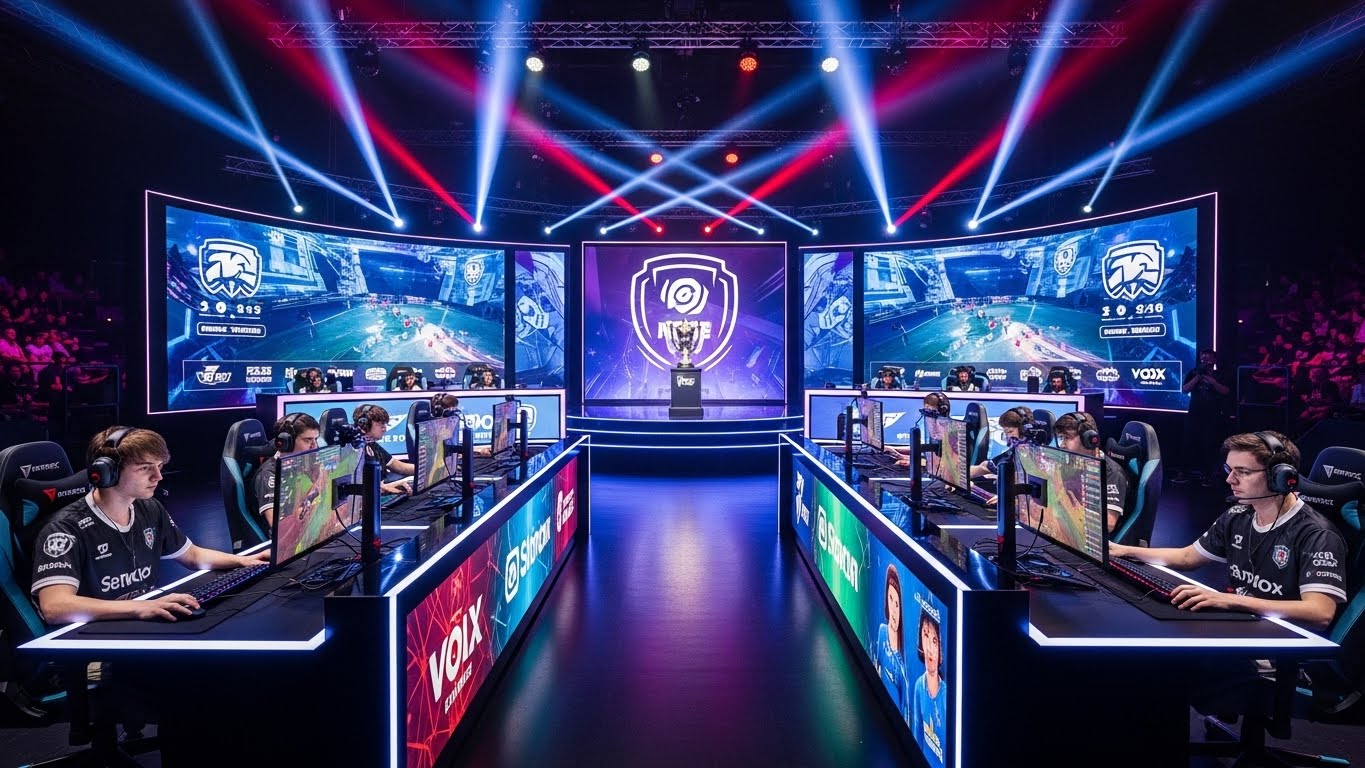
Esports tournaments mirror traditional sports in structure and organization. Competitions are usually divided into regional leagues, qualifiers, and major global events. Teams and individual players compete for prize money, sponsorship deals, and global recognition.
Professional esports teams often have rigorous training schedules, coaches, analysts, and support staff, similar to traditional sports organizations. Players spend hours practicing strategies, studying opponents, and improving mechanics. These structured environments have contributed to raising the overall skill level and professionalism within the industry.
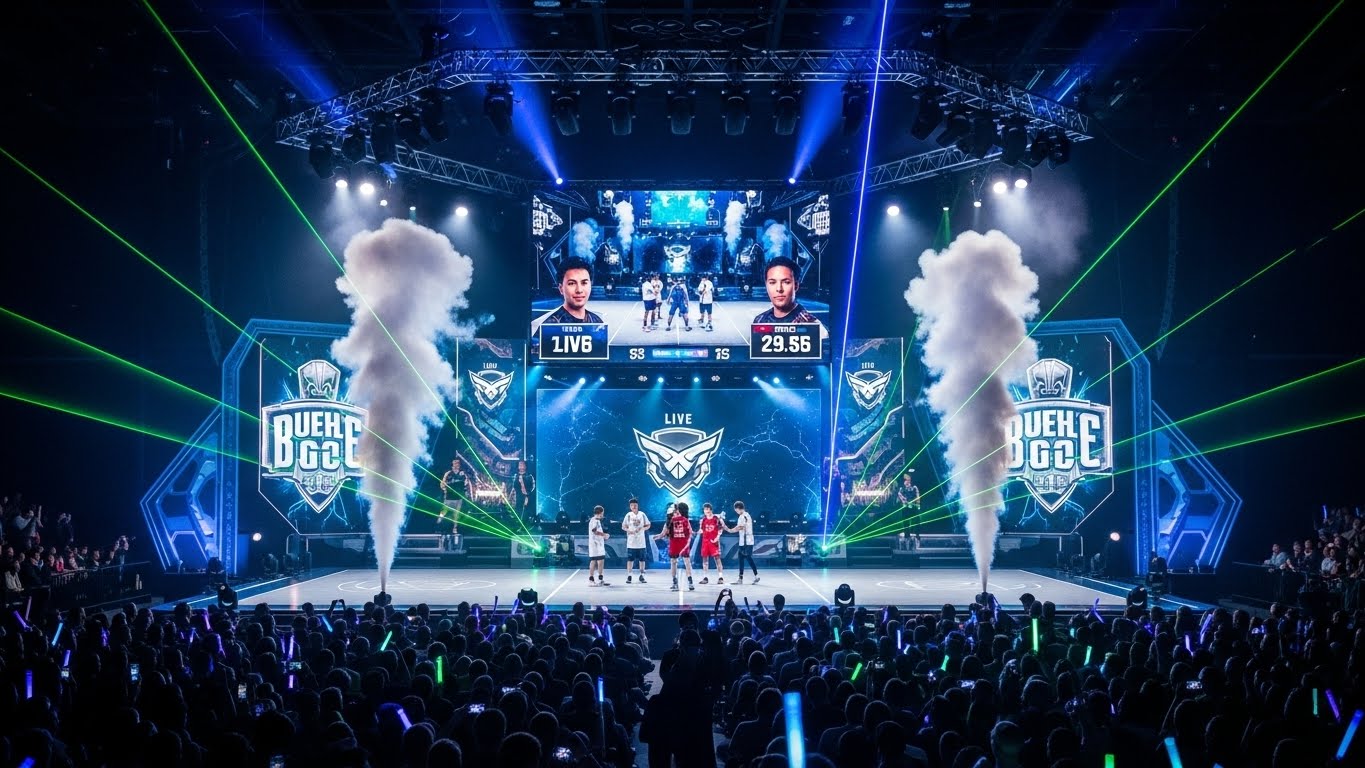
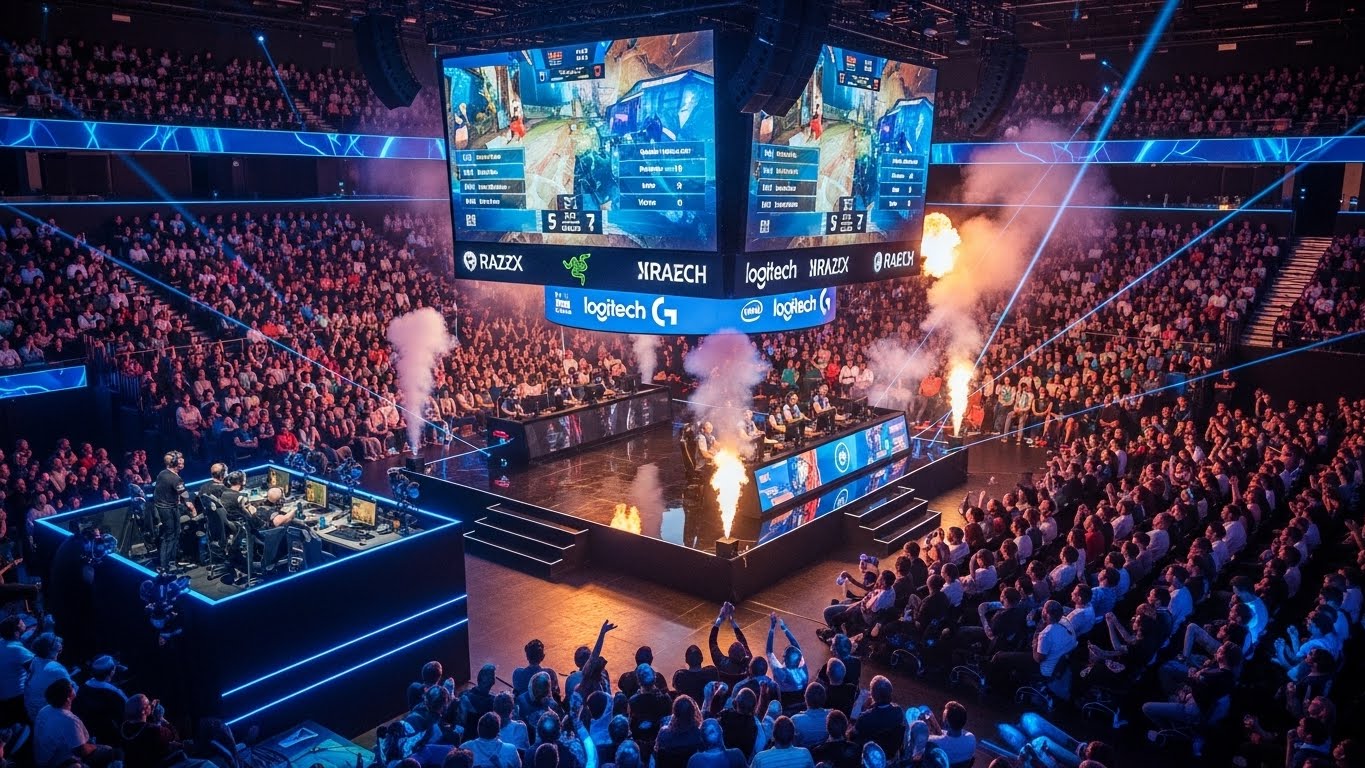
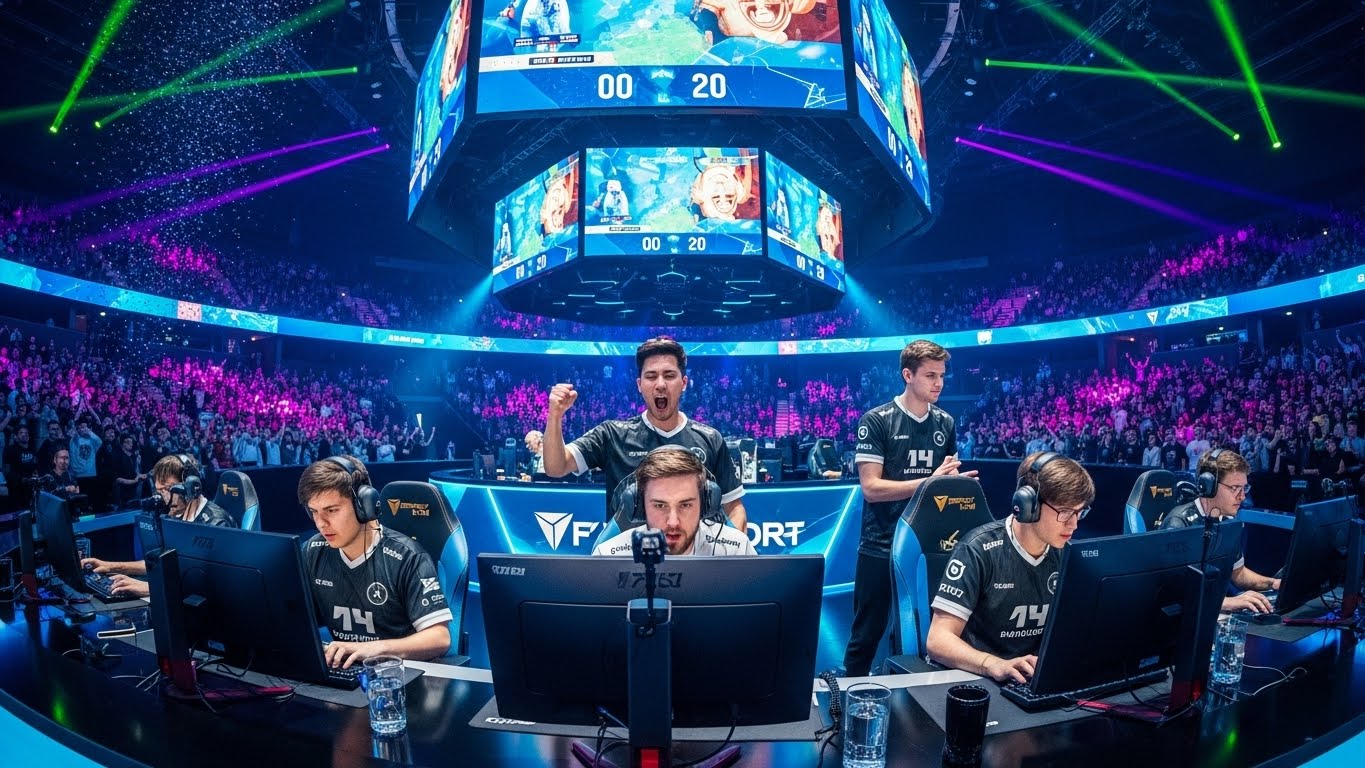
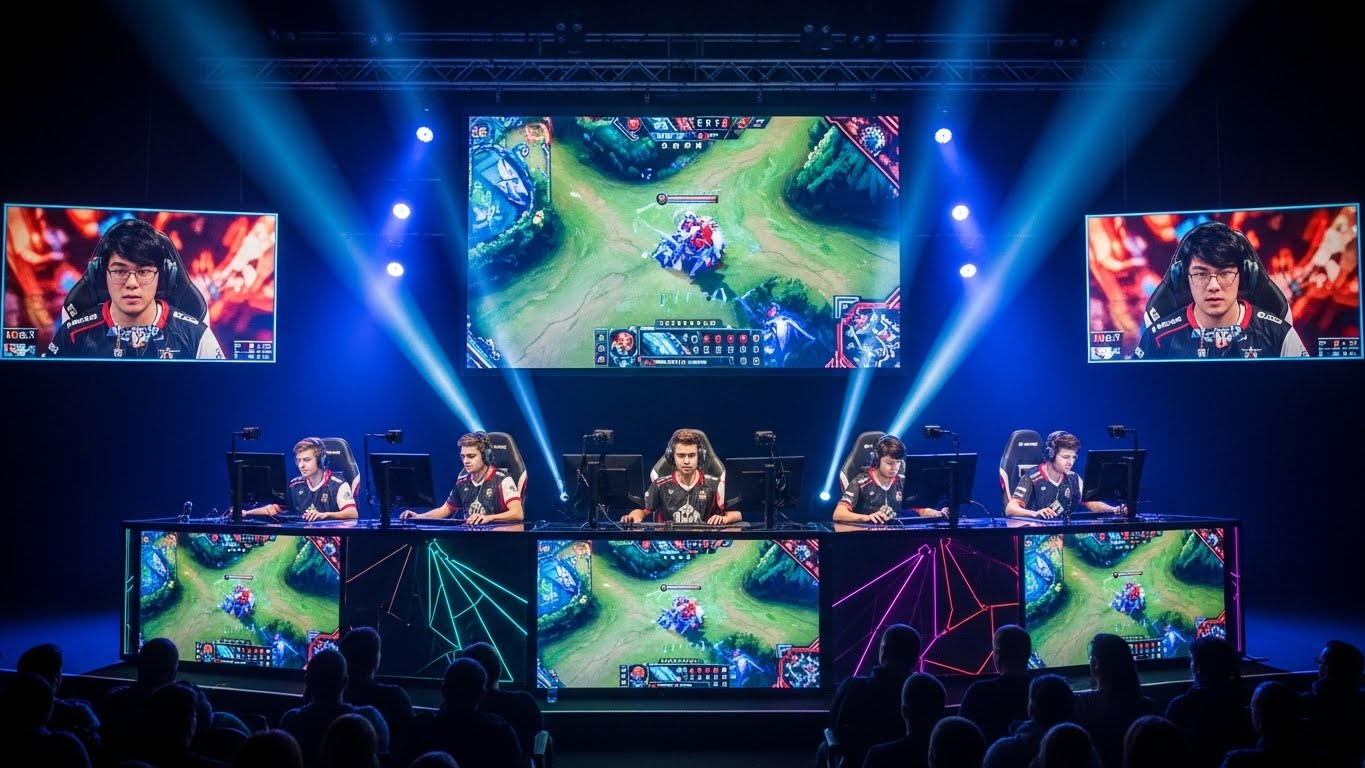
Major tournaments, such as The International for Dota 2 or the League of Legends World Championship, attract millions of viewers and offer multi-million-dollar prize pools. The combination of high stakes, dramatic gameplay, and charismatic players has made esports tournaments not just competitions but global entertainment spectacles.
The Role of Streaming Platforms
The growth of esports is inseparable from streaming platforms like Twitch, YouTube Gaming, and Facebook Gaming. These platforms allow fans to watch live matches, follow their favorite players, and engage with communities in real time. Streamers, who may not compete professionally, also play a critical role in popularizing esports by providing entertaining content, tutorials, and live commentary.
Streaming has also created opportunities for monetization through subscriptions, donations, and sponsorships. Many professional players supplement tournament earnings with revenue from streaming, enabling them to sustain their careers while connecting directly with fans.
Esports as a Career
Becoming a professional esports player requires dedication, skill, and perseverance. Unlike traditional sports, esports players often start young, spending countless hours mastering mechanics, team strategies, and game knowledge. Success can lead to substantial rewards, including prize money, sponsorship deals, and even celebrity status.
However, the career of an esports player is not without challenges. The competitive lifespan of a player can be relatively short due to intense physical and mental demands. Injuries such as repetitive strain or eye strain are common, and the pressure to perform consistently at the highest level can take a psychological toll. Despite these challenges, esports remains a viable and aspirational career path for many young gamers worldwide.
The Business of Esports
Esports has transformed into a lucrative business ecosystem. Revenue streams include tournament winnings, sponsorships, merchandise sales, broadcasting rights, and advertising. Major brands, from technology companies to fashion and beverage brands, invest heavily in esports marketing to reach younger, digitally engaged audiences.
Professional leagues are increasingly adopting franchise models, similar to traditional sports leagues. Teams buy spots in leagues, secure long-term investments, and develop brand identities. This formalization has attracted more investors and increased the stability of the esports industry, ensuring continued growth.
Esports and Cultural Impact
Esports has had a profound cultural impact, influencing fashion, music, and social trends. Gaming culture has merged with mainstream culture, with esports players appearing in advertisements, music videos, and even television shows. The rise of cosplay, gaming conventions, and community events further reflects the deep integration of esports into modern culture.
Moreover, esports fosters global connectivity. Fans from different countries come together to celebrate shared interests, breaking down geographical and cultural barriers. This sense of community strengthens the social impact of esports, creating inclusive spaces for diverse participants.
The Psychology of Esports
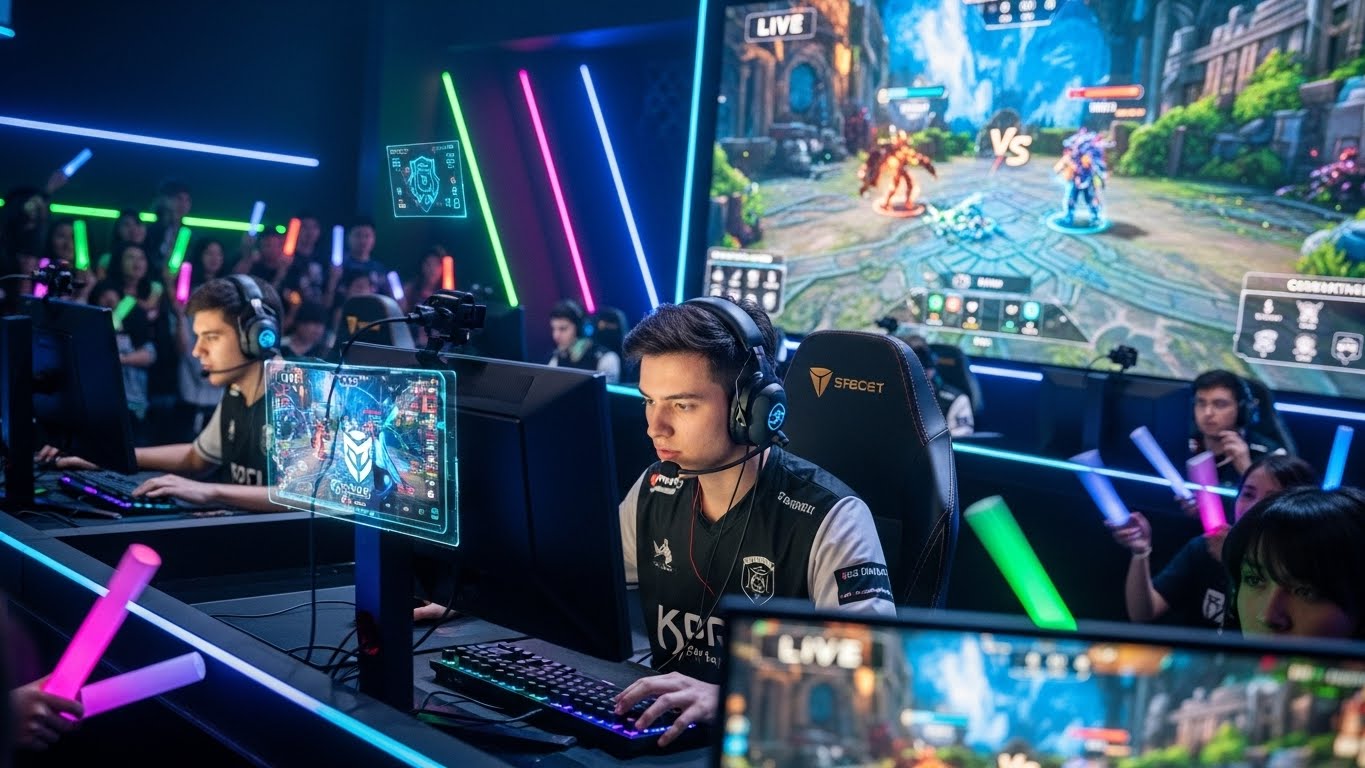
Competitive gaming is mentally demanding, requiring quick decision-making, strategic thinking, and effective communication. Players must maintain focus under pressure, adapt to rapidly changing situations, and manage stress. Cognitive skills such as problem-solving, spatial awareness, and multitasking are crucial for success.
The mental aspect of esports has led teams to employ sports psychologists and mental coaches to help players cope with performance anxiety, burnout, and motivation challenges. Understanding the psychological demands of esports is vital for sustaining long-term careers and maintaining overall well-being.
Women in Esports
Historically, esports has been male-dominated, but women are increasingly making their mark. Female players, commentators, and team owners are breaking stereotypes and contributing significantly to the industry. Games with inclusive communities and initiatives promoting diversity have helped increase female participation in competitive gaming.
Organizations and tournaments dedicated to women’s esports are also gaining traction, providing platforms for female players to compete, showcase talent, and inspire the next generation. Continued efforts toward inclusivity are essential for the holistic growth of esports.
Esports Education and Training
As esports becomes more professionalized, educational institutions are beginning to offer programs and scholarships focused on gaming and esports management. Universities now offer degrees in esports management, game design, and competitive coaching. High schools have also introduced esports clubs and competitive teams, allowing students to pursue gaming alongside academics.
Training centers and esports academies provide structured environments for aspiring players to develop skills, gain exposure to competitions, and receive mentorship from experienced professionals. These initiatives bridge the gap between amateur gaming and professional esports careers.
Esports and Technology
Technological advancements have fueled the growth of esports. High-performance computers, fast internet connections, and sophisticated gaming peripherals enable competitive gameplay at elite levels. Streaming technology allows for global broadcasting, while data analytics and AI tools help teams analyze opponents, optimize strategies, and enhance performance.
Virtual reality (VR) and augmented reality (AR) are emerging technologies with the potential to transform esports further. VR esports tournaments are gaining attention, offering immersive experiences that combine physical activity with gaming, opening new avenues for competition and entertainment.
Esports and Traditional Sports
Esports is increasingly intersecting with traditional sports. Many professional sports organizations have launched esports divisions, creating crossover opportunities between physical sports and gaming. For example, football clubs have formed FIFA teams, while basketball franchises compete in NBA 2K leagues.
This collaboration has multiple benefits: it introduces traditional sports fans to esports, provides additional revenue streams for clubs, and legitimizes competitive gaming as a recognized sporting discipline. The convergence of esports and traditional sports underscores the universality of competition and entertainment.
Esports Communities and Fandom
The community aspect of esports is one of its most compelling features. Fans are not just spectators; they actively participate through forums, social media, fan art, and live events. Esports fandom fosters loyalty, engagement, and shared experiences, creating vibrant cultures around specific games and teams.
Community-driven content, such as fan-made videos, podcasts, and strategy guides, further enhances the esports ecosystem. This symbiotic relationship between players, fans, and content creators strengthens the overall appeal of esports and promotes sustainable growth.
The Future of Esports
The future of esports looks promising, with continued growth in audience size, revenue, and global influence. Emerging technologies, increasing professionalization, and expanding cultural acceptance will shape the next phase of competitive gaming. Esports is poised to integrate more deeply into mainstream entertainment, education, and business sectors.
Global expansion into emerging markets, increased inclusivity, and cross-industry collaborations will further cement esports as a dominant cultural and economic force. The rise of mobile esports, cloud gaming, and virtual competitions will also make competitive gaming more accessible than ever before.
Challenges Facing Esports
Despite its rapid growth, esports faces several challenges. Player burnout, lack of regulation, and concerns about cheating and match-fixing threaten the integrity of competitions. Additionally, the disparity in prize pools between major tournaments and smaller events highlights the need for more equitable opportunities for players worldwide.
Ensuring sustainable growth requires addressing mental health issues, fostering diversity and inclusion, and implementing fair governance. The industry must balance commercial success with ethical practices to maintain credibility and long-term viability.
Conclusion: Esports as a Global Movement
Esports has evolved from arcade tournaments to a global phenomenon that rivals traditional sports in popularity and economic impact. Its influence extends beyond gaming, shaping culture, technology, and social interactions. Professional players, teams, fans, and organizations contribute to an ecosystem that continues to expand and innovate.
As esports continues to grow, it will redefine the boundaries of competition, entertainment, and community engagement. The journey of esports demonstrates the power of passion, skill, and innovation, proving that gaming is not just a pastime but a legitimate and influential global movement.