championtribe73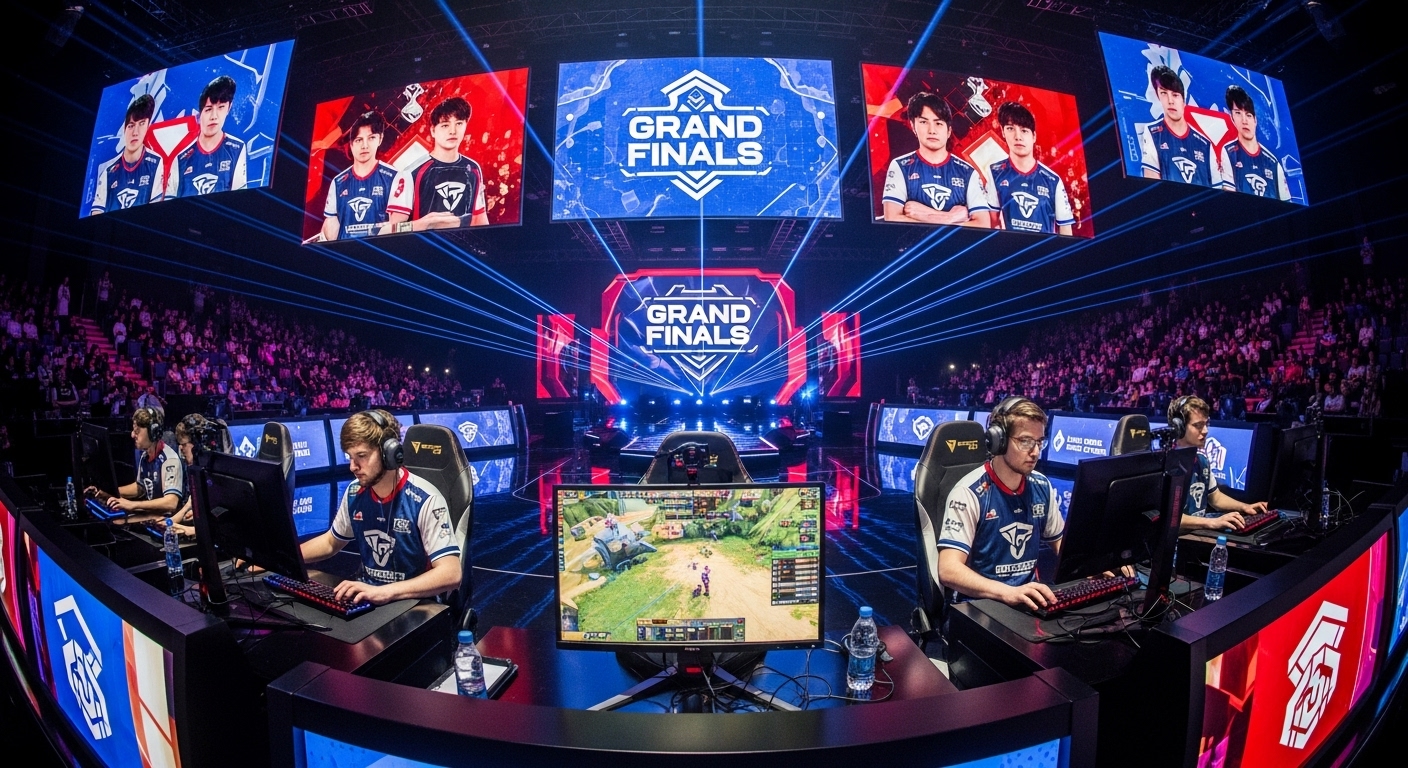
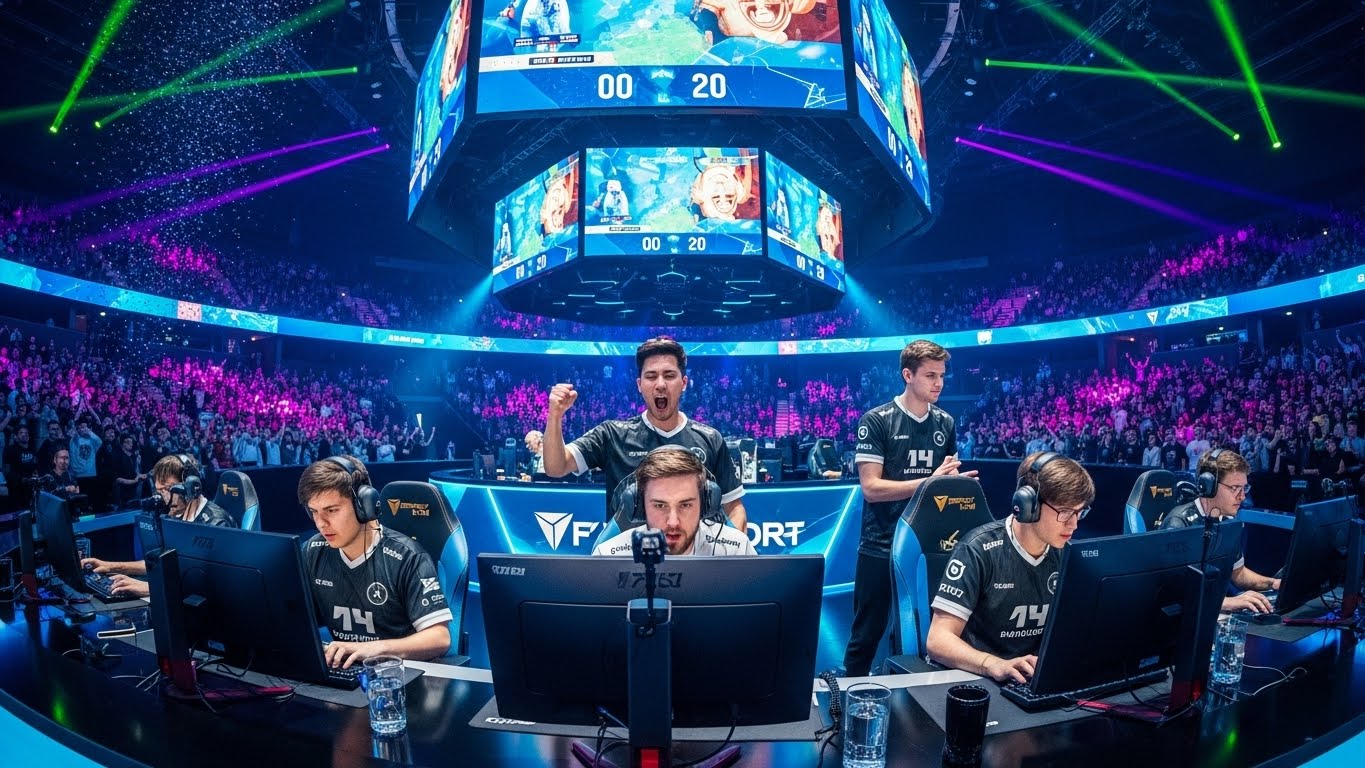
Esports, once a niche hobby for passionate gamers, has rapidly transformed into a multi-billion dollar industry that attracts millions of viewers, participants, and sponsors worldwide. Over the past decade, competitive gaming has gained mainstream recognition, evolving into a highly organized ecosystem with professional players, large-scale tournaments, and even university scholarships. As technology continues to advance, esports is no longer just about playing games for fun; it’s now a legitimate career choice for many and a booming global entertainment phenomenon.
What Is Esports?
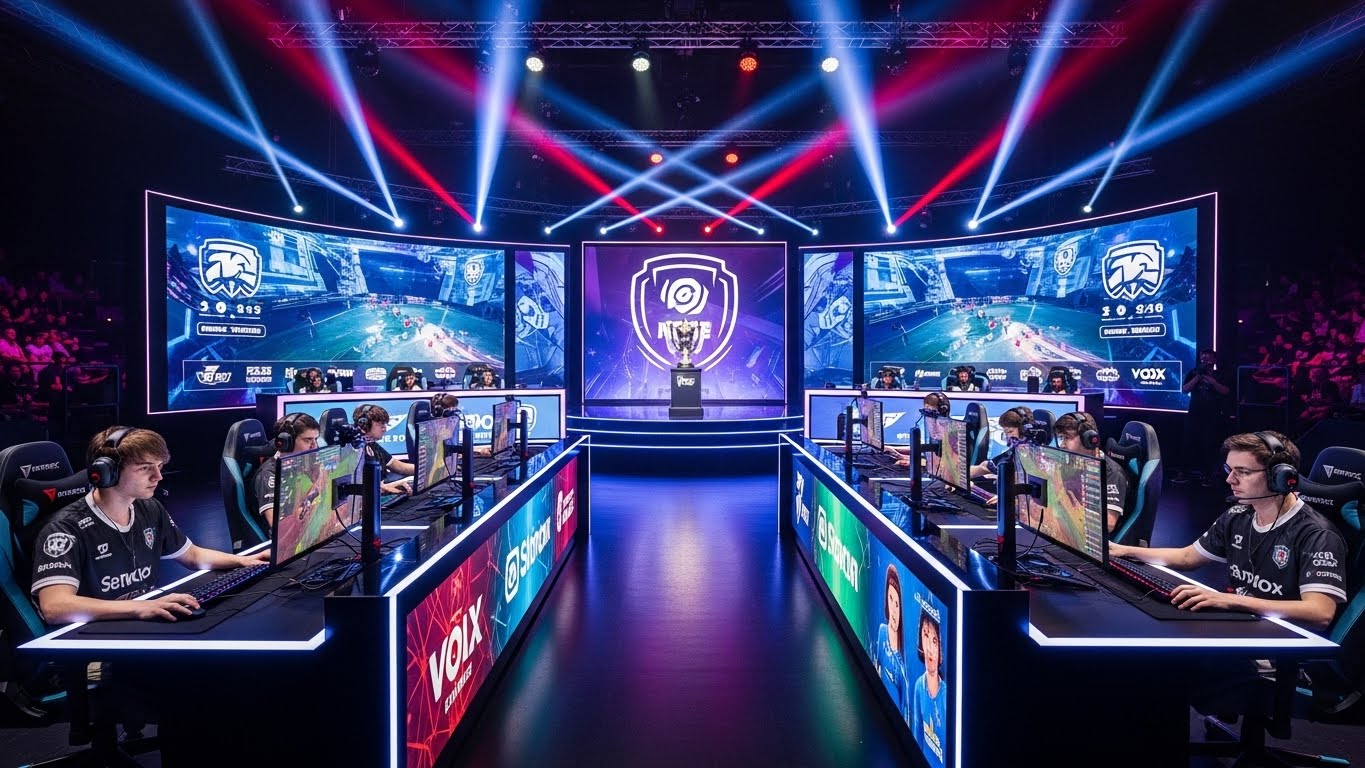
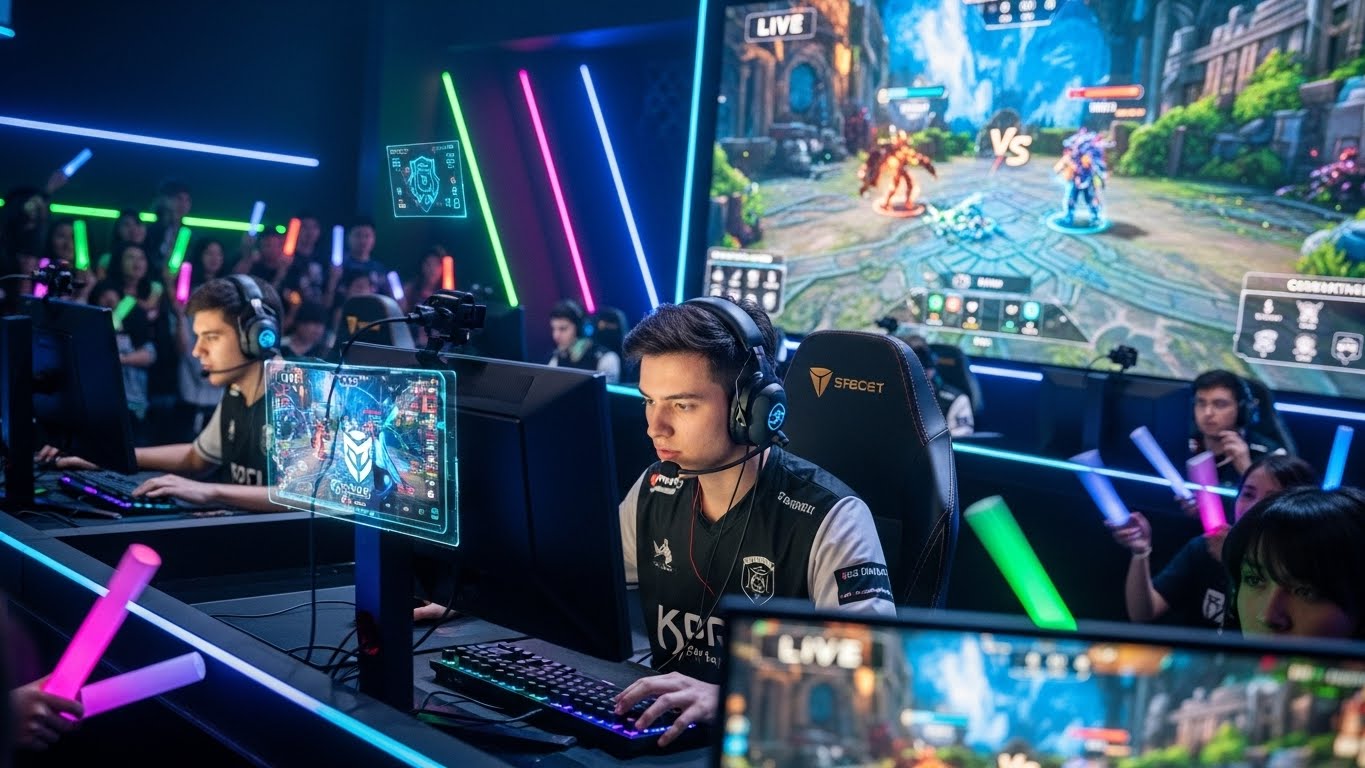
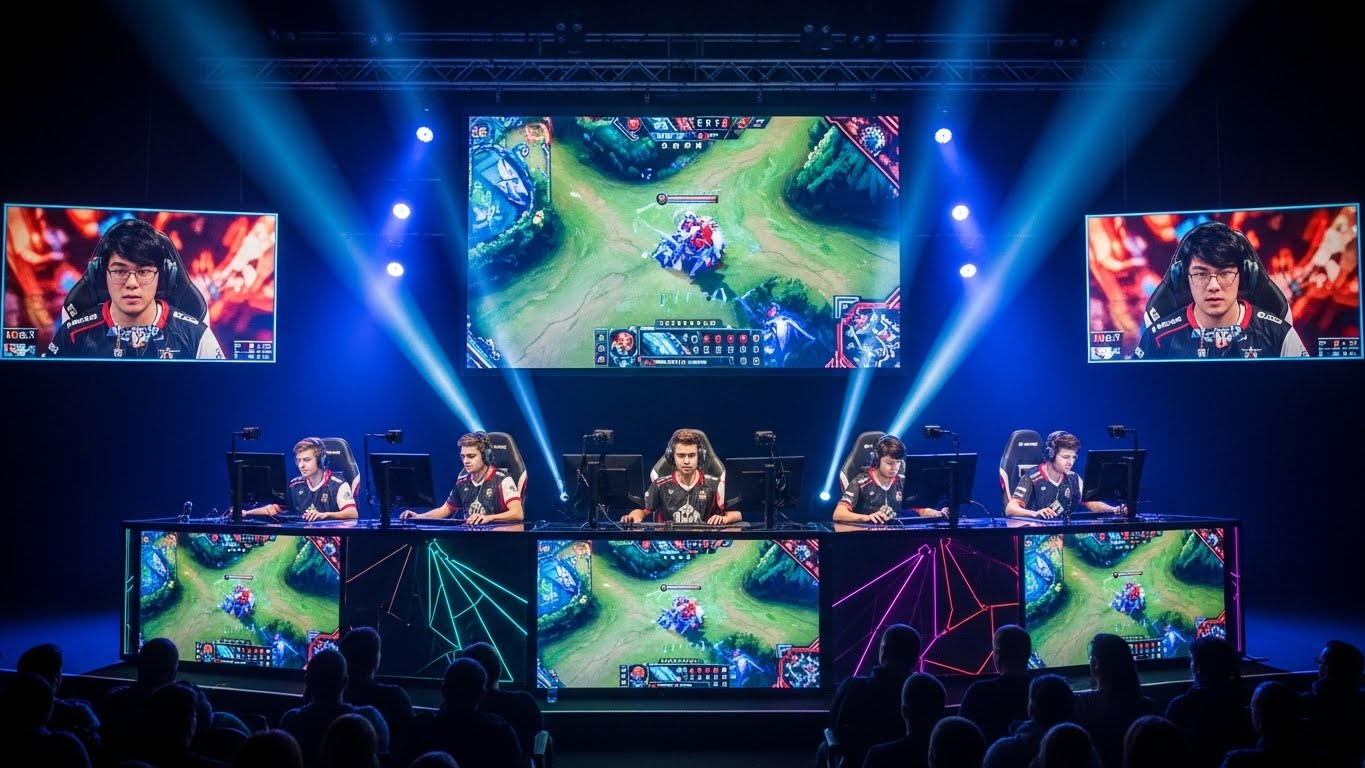
Esports, short for electronic sports, refers to competitive video gaming where players or teams compete against each other in organized tournaments, often for large monetary prizes. The games played in esports events range from strategy and first-person shooter (FPS) games to multiplayer online battle arena (MOBA) games, and even sports simulation titles. Popular games in the esports scene include League of Legends, Dota 2, Counter-Strike: Global Offensive, Fortnite, Call of Duty, and Overwatch.
The growth of esports has created a wide range of new opportunities, from professional gaming teams to content creation, broadcasting, event management, and even sports journalism. Esports isn’t limited to just the players, as many roles exist within the industry that support its growth and success, including coaches, analysts, commentators, streamers, and event organizers.
The Evolution of Esports: From LAN Parties to Global Events
Esports has come a long way from its humble beginnings in basement LAN (Local Area Network) parties where friends would gather to play competitive games for fun. In the 1990s, competitive gaming was limited to small, informal events, often held in university dorms or gaming cafes. The advent of online multiplayer games like StarCraft and Quake in the late 1990s and early 2000s, however, allowed gamers to compete against others across the globe without leaving the comfort of their homes.
The turn of the millennium saw the emergence of some of the first large-scale esports tournaments, such as the World Cyber Games (WCG), and the Electronic Sports World Cup (ESWC), both of which helped legitimize esports as a competitive arena. These early tournaments laid the foundation for the more elaborate and professionally organized events we see today. Esports began to gain recognition from gaming developers and major corporations who saw its potential to attract large audiences and lucrative sponsorships.
One of the major turning points in esports’ rise to fame was the launch of Twitch, a streaming platform that allowed gamers to broadcast their gameplay live to an international audience. Twitch became a central hub for esports enthusiasts, enabling fans to watch live matches, follow their favorite players, and interact with the community. The platform’s success, coupled with the increasing popularity of esports, turned competitive gaming into a mainstream entertainment sector.
The Growth of Esports and Its Global Appeal
Over the last decade, esports has grown exponentially in terms of viewership, prize pools, and mainstream appeal. According to estimates, the global esports audience surpassed 500 million in 2020, and it is expected to continue to grow in the coming years. This growth is partly due to the widespread adoption of high-speed internet, advancements in streaming technology, and the increasing availability of gaming consoles and PCs that cater to esports enthusiasts.
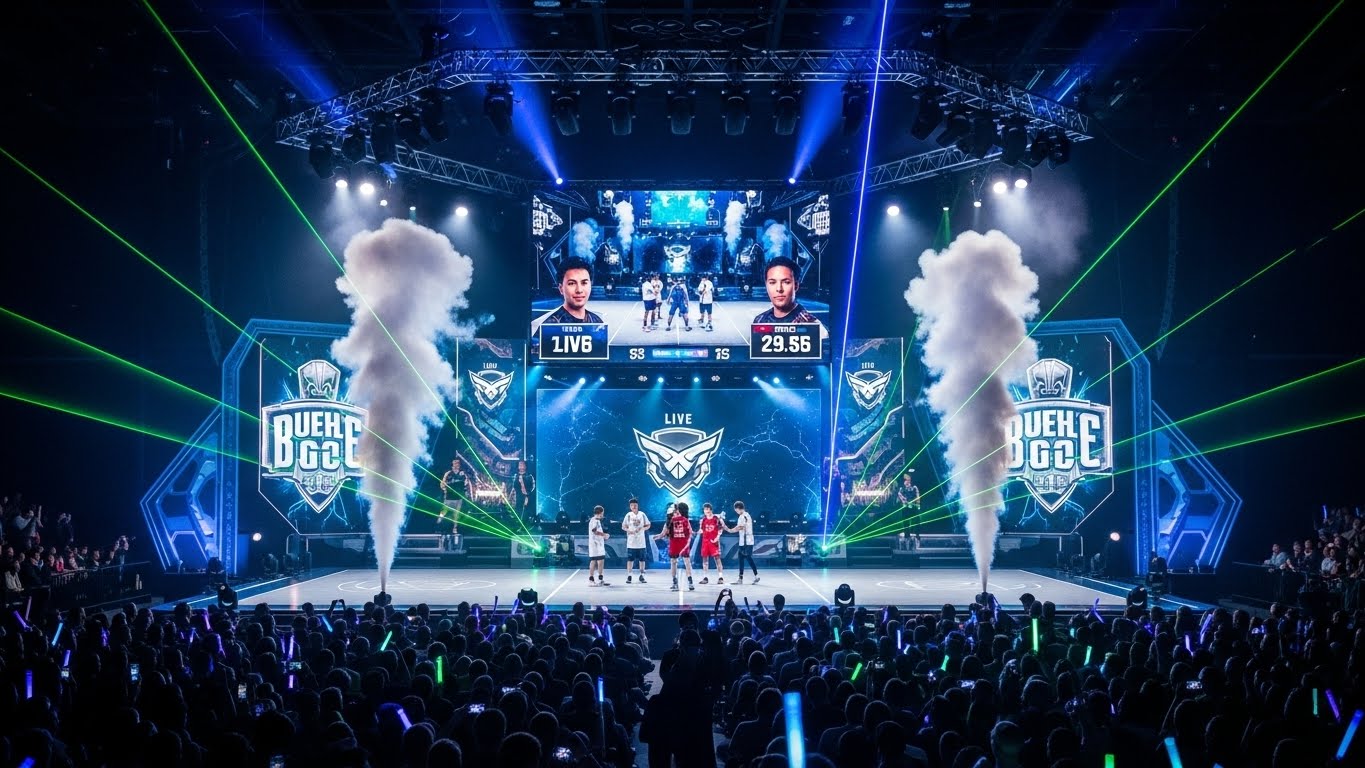
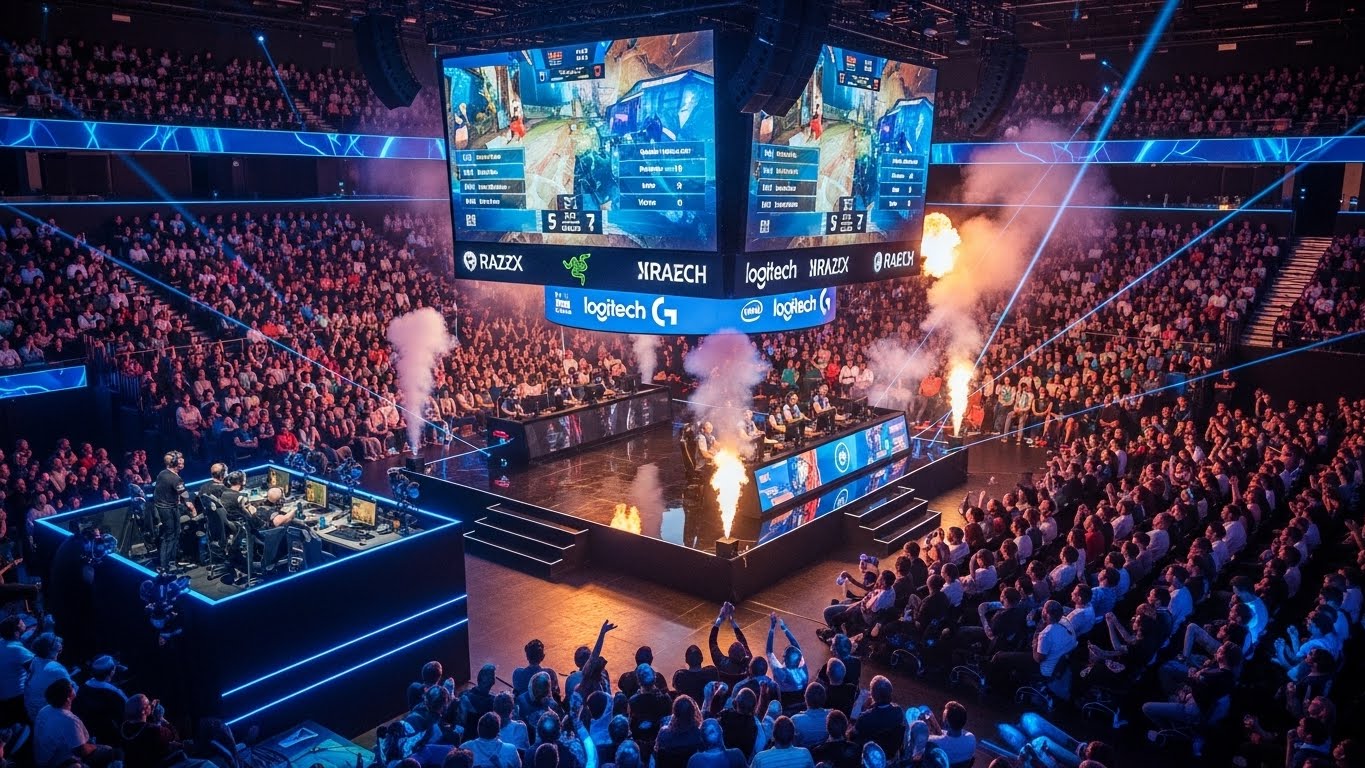
In addition to global viewership, esports tournaments are also drawing substantial financial backing. Prize pools for major events, such as The International (TI) for Dota 2, can reach over $40 million, making it one of the richest esports tournaments in the world. Sponsorships from well-known brands such as Intel, Coca-Cola, Mercedes-Benz, and Red Bull have also poured millions of dollars into the esports ecosystem. These sponsorships not only help fund events but also provide a platform for brands to engage with younger, tech-savvy consumers who are passionate about gaming.
Major esports organizations and leagues, such as Esports Entertainment Group, Activision Blizzard Esports, and Riot Games, are investing heavily in creating sustainable ecosystems for competitive gaming. These entities have helped establish professional leagues for various games, and esports has even become a fixture in traditional sports broadcasting. Networks like ESPN and TBS have begun airing live esports tournaments, drawing in a wider audience beyond the gaming community.
Esports and the Future of Competitive Gaming
One of the driving forces behind the continued rise of esports is its potential for integration with traditional sports. The increasing professionalization of esports has led to comparisons with traditional sports leagues like the NBA or NFL, with esports athletes now regarded as serious competitors who require rigorous training and discipline. Esports organizations operate much like traditional sports teams, with coaches, managers, analysts, and dedicated practice schedules for their players.
The integration of esports with traditional sports has also led to the creation of collegiate esports programs. Many universities in the United States, Canada, and around the world now offer esports scholarships, creating pathways for students to pursue competitive gaming at the highest level. For many young gamers, the opportunity to represent their school in official tournaments or compete professionally while earning a degree is a dream come true.
Moreover, esports is increasingly becoming a part of global sporting events. The Asian Games introduced esports as a medal event in 2018, and there have been ongoing discussions about including esports in the Olympics. While esports is still a relatively young industry, its recognition at the Olympic level would solidify its status as a mainstream form of competitive entertainment. This, in turn, would open up even more opportunities for players, coaches, analysts, and other industry professionals.
The Role of Streaming and Content Creation
Streaming platforms like Twitch, YouTube Gaming, and Facebook Gaming have played an instrumental role in the growth of esports. These platforms have allowed gamers not only to watch live competitive matches but also to engage with their favorite players and content creators. In many ways, esports has become as much about content creation as it is about competition.
Top players and streamers, such as Ninja, Shroud, and Pokimane, have amassed millions of followers and built personal brands around their gaming skills and personalities. These streamers often participate in esports events while simultaneously creating content for their audiences. The crossover between competitive gaming and content creation has made esports more accessible to the general public and has contributed to the industry’s growth.
The rise of influencers and streamers has also led to the creation of esports-centric media networks and content hubs. These platforms not only showcase tournament broadcasts but also feature documentaries, highlight reels, and behind-the-scenes content, giving fans an all-encompassing look into the world of professional gaming. The increasing demand for esports content has led to the creation of dedicated esports news websites, podcasts, and live shows, further cementing the industry’s status as a global entertainment force.
Esports and Its Cultural Impact
Esports has undeniably had a significant impact on global pop culture. What was once a hobby for a small subset of people has now become a global movement that transcends borders and language barriers. The competitive gaming community is highly diverse, with players from all walks of life coming together to compete and share their passion for gaming. Esports fans, too, come from all around the world, united by their love of the games and the players they support.
The rise of esports has also contributed to a shift in how we perceive gaming as a whole. While video games were once stigmatized as a frivolous pastime, esports has elevated them to the level of professional sport, attracting serious investment and recognition. The emergence of esports has also created new forms of social interaction, with fans and players interacting through platforms like Discord and social media, building a sense of community and camaraderie.
As esports continues to grow, it has become a career option for more and more individuals. Professional players, coaches, analysts, content creators, and event organizers are all reaping the rewards of a booming industry that shows no signs of slowing down. The continued success of esports events, streaming platforms, and game developers suggests that we are only scratching the surface of what is possible for the future of competitive gaming.
Conclusion
Esports has transformed from a niche interest into a global powerhouse, attracting millions of fans, players, and sponsors from around the world. As technology advances, the competitive gaming landscape continues to evolve, offering new opportunities for aspiring gamers and professionals alike. With its massive global appeal, growing financial investments, and increasing recognition in mainstream media, esports is poised to become a permanent fixture in the world of entertainment.
For players, fans, and industry professionals, esports represents more than just a hobby—it’s a way of life. Whether through professional tournaments, streaming platforms, or collegiate programs, esports is redefining the boundaries of competition, entertainment, and culture. The future of esports is bright, and as the industry continues to grow, it will undoubtedly become an even more integral part of the global entertainment landscape.