championtribe73
Esports has evolved from a niche pastime into one of the fastest-growing entertainment industries in the world. What started as casual competitions among friends has become a billion-dollar phenomenon, reshaping how people think about gaming, competition, and even careers. To understand how Esports reached this point, we have to look at where it came from, how it grew, and where it’s heading.
The Origins: When Gaming Met Competition
Long before packed stadiums and million-dollar prize pools, gaming competitions were modest gatherings. The earliest roots of Esports date back to the 1970s, when arcade machines ruled the gaming scene. Players would compete for high scores on titles like Space Invaders or Pac-Man. In 1980, Atari hosted one of the first major video game tournaments: the Space Invaders Championship. More than 10,000 participants showed up, signaling that competitive gaming had an audience waiting to emerge.
In the 1990s, as personal computers became more powerful and accessible, multiplayer games gained traction. Titles like Doom and Quake introduced online connectivity, letting players test their skills against others without leaving their homes. LAN parties—where players brought their computers together in one place to compete—became a cultural phenomenon. These gatherings were the foundation for organized gaming events.
The Internet Era: Connecting the World Through Play
The arrival of high-speed internet in the early 2000s completely transformed competitive gaming. Games like Counter-Strike, StarCraft, and Warcraft III connected players from across the globe. South Korea became the epicenter of this new culture, treating gaming as a serious profession rather than a hobby. Television networks began broadcasting matches, professional teams formed, and sponsorships followed.
In South Korea, StarCraft tournaments filled stadiums, with fans cheering as though watching football or basketball. Players became celebrities. The country’s approach to Esports—with training houses, coaching staff, and professional contracts—set the stage for how the rest of the world would later approach organized gaming.
Meanwhile, in the West, online gaming platforms such as Battle.net, Xbox Live, and Steam provided infrastructure that made competitive play easy and accessible. Players didn’t need to travel across the world to compete—they could join tournaments from their bedrooms. This connectivity fueled rapid growth and a new kind of global competition.
Defining Esports: What Makes It a “Sport”?
One of the earliest debates surrounding Esports was whether it could truly be considered a sport. After all, players aren’t running, jumping, or physically tackling opponents. Yet, when you look closer, Esports shares nearly all the elements of traditional sports—competition, strategy, teamwork, training, and the pursuit of excellence.
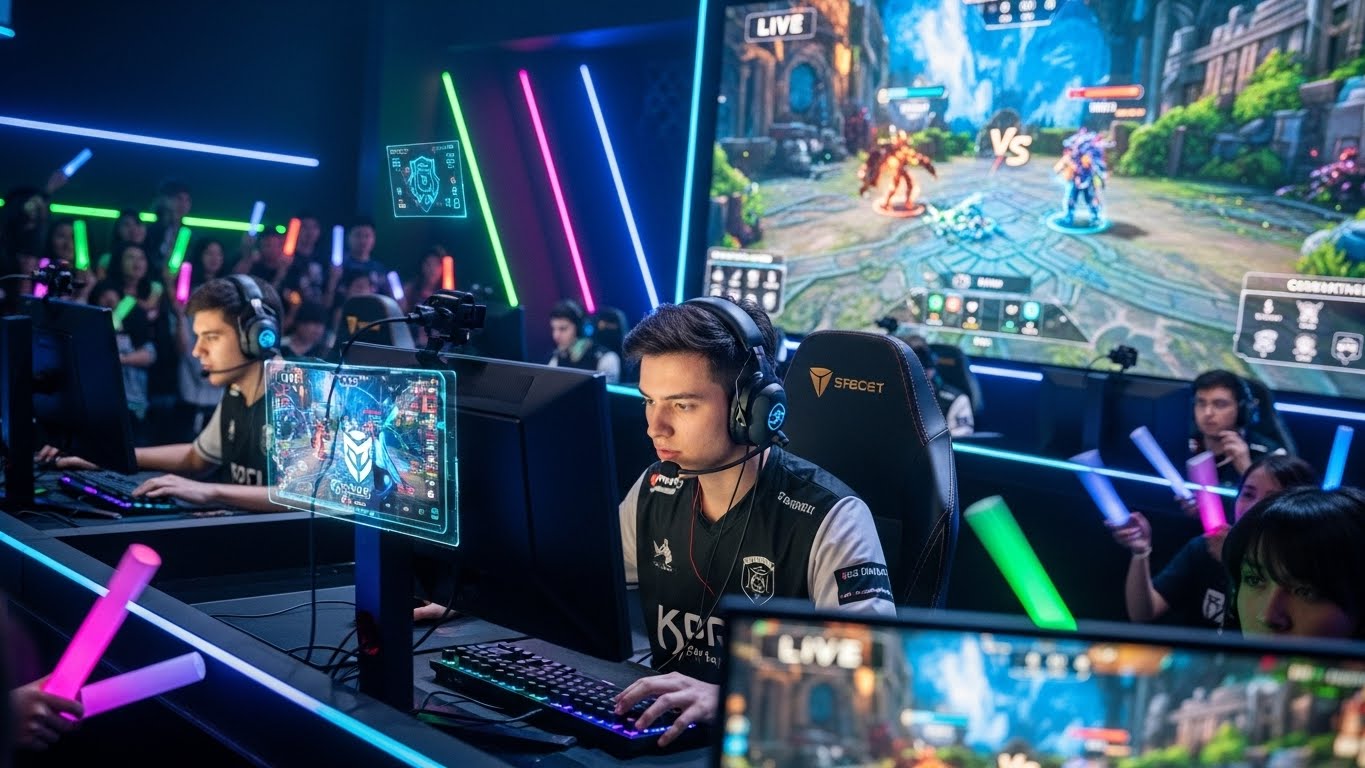
Professional Esports players train for hours daily, refining reflexes, communication, and mental endurance. Just as athletes study playbooks and opponents’ tactics, gamers analyze replays and devise strategies to outsmart competitors. Reaction time, hand-eye coordination, and decision-making speed are tested to their limits.
What makes Esports even more intriguing is how it democratizes competition. Anyone with a decent computer or console, an internet connection, and relentless dedication can potentially rise to the top. Geography, age, and physical attributes matter less than raw skill and determination.
The Explosion of Esports Titles
The 2010s marked the golden decade for Esports titles—games that became global phenomena with competitive leagues, loyal fanbases, and massive viewership.
League of Legends
Riot Games’ League of Legends redefined what a competitive game could be. Its structured leagues, annual World Championship, and consistent developer support created a professional ecosystem. Each match combined fast-paced mechanics with deep strategic layers, making it as thrilling to watch as to play.
Dota 2
Valve’s Dota 2 took a similar formula and amplified it with enormous prize pools. The International, its flagship tournament, regularly offers tens of millions of dollars in prizes, crowdfunded by the game’s community. This model turned Esports into a legitimate career path for many and showed the power of community-driven funding.
Counter-Strike: Global Offensive
The Counter-Strike franchise has endured for over two decades, maintaining its place as one of the most skill-intensive Esports. The combination of teamwork, precision, and split-second decision-making makes it timeless. Its tournaments attract millions of viewers annually and have helped shape the identity of first-person shooter Esports.
Fortnite and Battle Royale Games
When Fortnite exploded onto the scene, it blended traditional Esports with mainstream pop culture. Suddenly, teenagers were winning millions of dollars in global tournaments, and professional athletes were performing “Fortnite dances” in real life. It introduced gaming to a broader audience that might never have watched an Esports event before.
Other Genres
Beyond MOBAs and shooters, genres like fighting games (Street Fighter, Tekken), sports simulations (FIFA, NBA 2K), and strategy games (StarCraft II) each found their niche communities. These scenes, while smaller, remain fiercely loyal and deeply passionate.
The Role of Streaming and Platforms
Perhaps no factor fueled Esports’ growth more than live streaming. Platforms like Twitch, YouTube Gaming, and Facebook Gaming gave players and fans a direct connection. Anyone could broadcast their gameplay, build a following, and even earn a living through viewer subscriptions and sponsorships.
For Esports, streaming changed everything. It removed the gatekeepers of traditional television and made tournaments instantly accessible to a global audience. Fans didn’t just watch the matches—they interacted through chat, joined online communities, and followed their favorite players’ personal streams. It blurred the line between athlete and influencer.
Streaming also gave rise to a new type of celebrity. Players like Faker, Shroud, Ninja, and s1mple became household names within gaming circles. Their personalities and skill levels drove millions of fans to tune in daily, further legitimizing Esports as mainstream entertainment.
Esports as a Career Path
What was once a dream has become a legitimate profession. Esports careers now extend far beyond just players. Teams hire coaches, analysts, psychologists, nutritionists, and content creators. Organizations manage marketing, partnerships, and fan engagement much like traditional sports franchises.
Aspiring players can now attend gaming academies, similar to sports training schools. Universities around the world offer scholarships for Esports athletes, and degree programs focus on game design, management, and digital media related to the industry.
Even non-playing roles—such as shoutcasters (commentators), production crew, event organizers, and brand managers—have become vital parts of the ecosystem. The industry doesn’t just support competition; it sustains an entire workforce behind the scenes.
The Business of Esports
Esports is no longer a passion project—it’s a business juggernaut. Sponsorships from major brands, broadcast deals, and merchandising make up significant revenue streams. Companies like Coca-Cola, Intel, and Mercedes-Benz have invested heavily, recognizing the marketing potential of reaching younger audiences through gaming.
Franchise-based leagues, such as the Overwatch League and Call of Duty League, mirror traditional sports structures with city-based teams, fixed schedules, and salaries. This structure brings stability and attracts investors who see Esports as a sustainable business rather than a volatile trend.
Prize pools continue to grow, but the real financial success lies in consistent monetization: advertising, digital goods, ticket sales, and global tournaments. Some organizations have valuations comparable to minor-league sports teams, and the growth shows no sign of slowing.
The Global Stage: Major Events and Spectacle
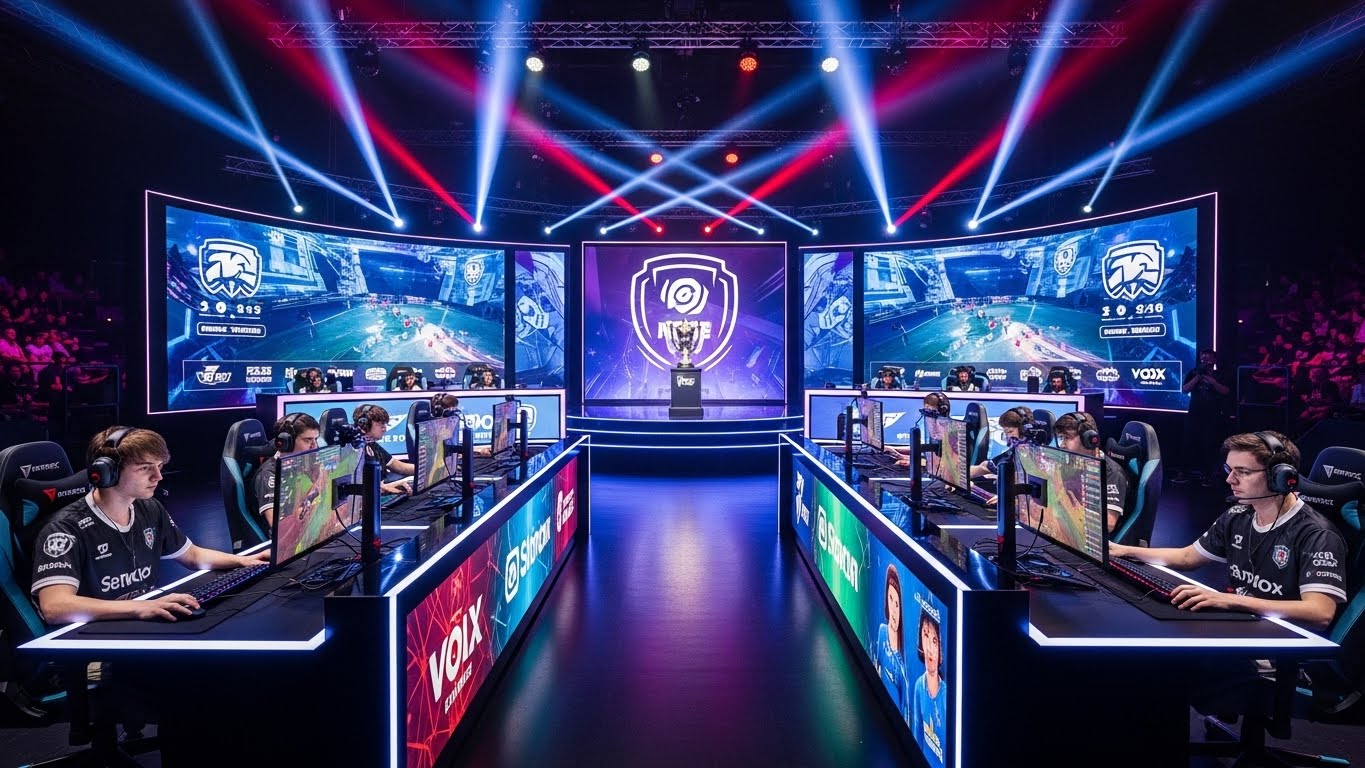
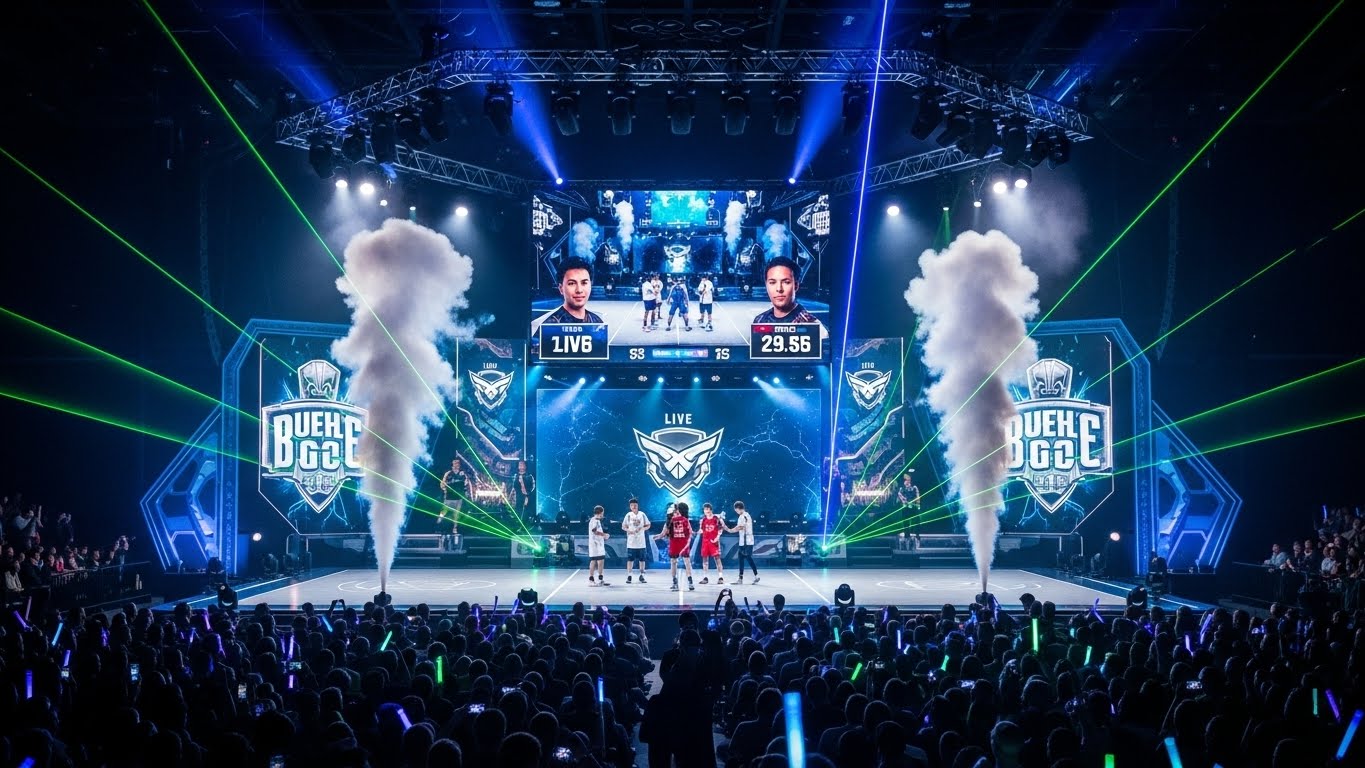
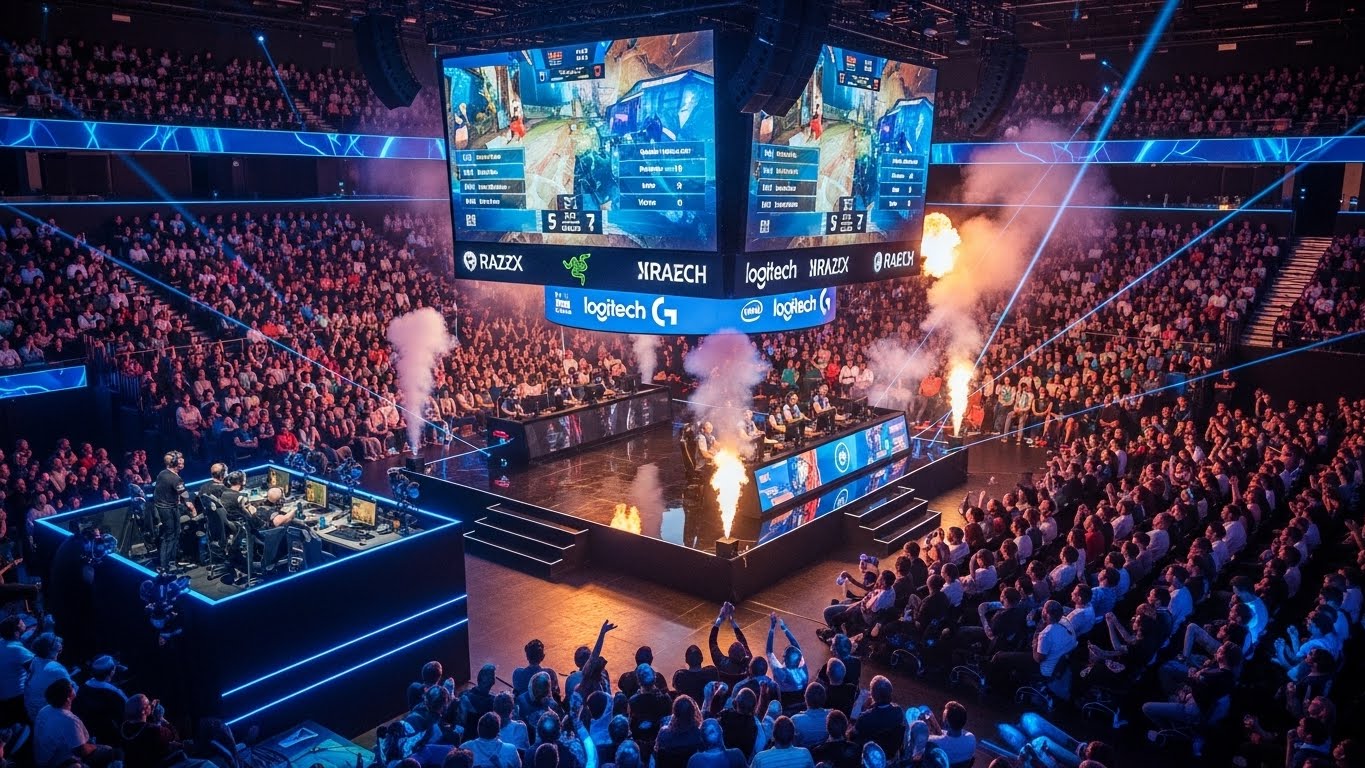
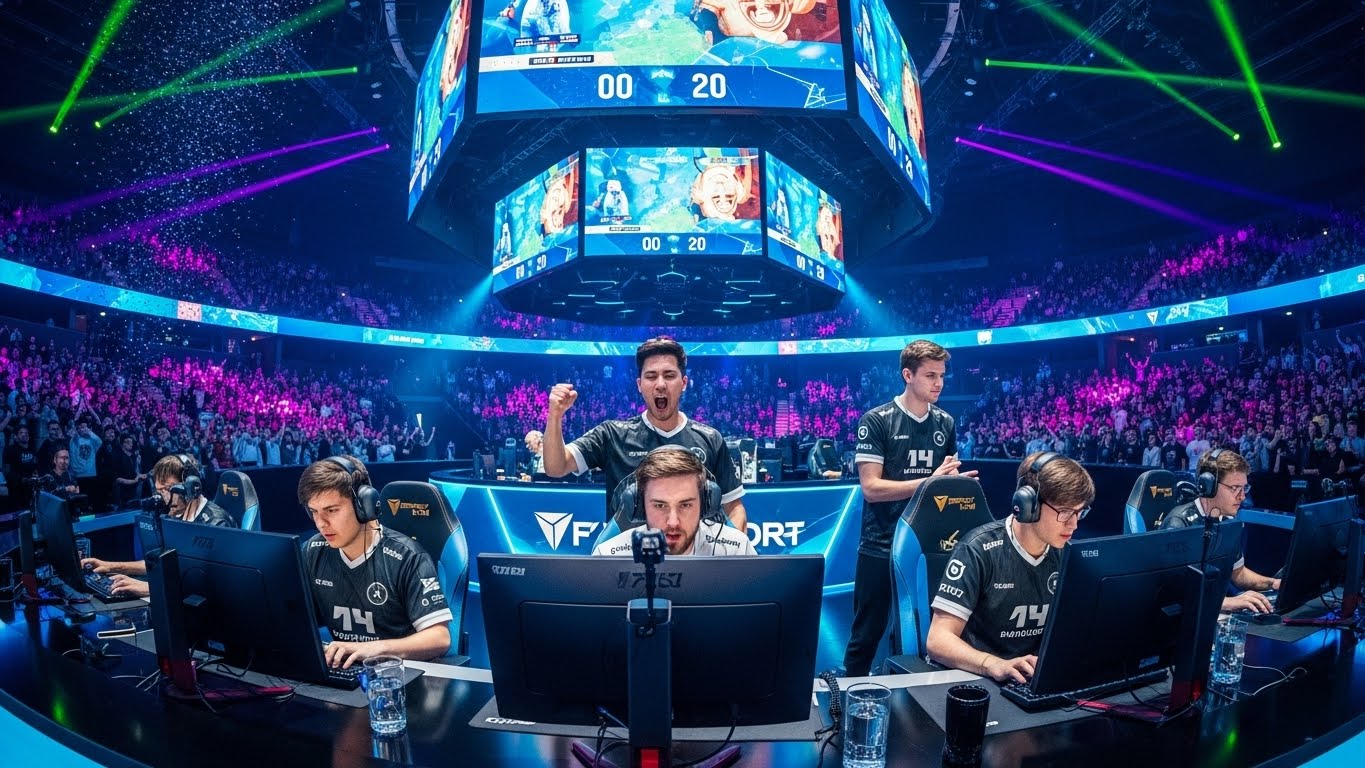
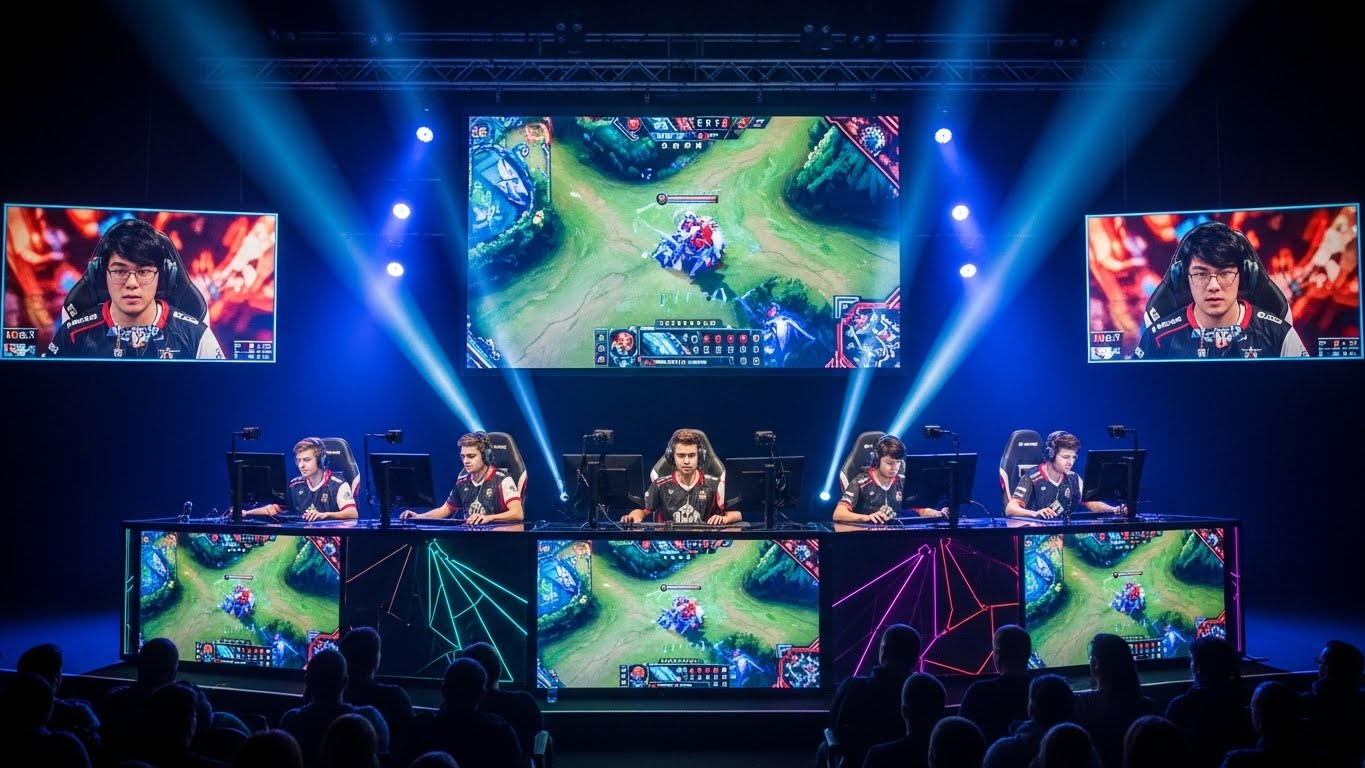
Esports tournaments today are grand productions, often rivaling traditional sports events in spectacle and organization. Arenas sell out for finals, complete with massive LED displays, live commentators, and synchronized light shows. The League of Legends World Championship regularly draws more viewers than the Super Bowl, particularly among younger demographics.
Events like The International, CS:GO Majors, and Fortnite World Cup demonstrate the international nature of Esports. Players come from every continent, and fans cheer in multiple languages. It’s one of the few truly global forms of competition where geography matters less than skill.
The COVID-19 pandemic, while disrupting live events, also showcased Esports’ adaptability. While traditional sports struggled with cancellations, Esports thrived online. Tournaments continued remotely, keeping fans engaged even when arenas were closed. This resilience proved that digital competition had a unique advantage over physical sports.
The Cultural Shift: Acceptance and Legitimacy
For years, gamers faced the stereotype of being antisocial or lazy. Esports has shattered that perception. It has introduced gaming as a legitimate competitive pursuit requiring discipline, teamwork, and mental agility. Countries like South Korea, China, and the United States now recognize Esports athletes as professionals, granting them similar benefits to traditional athletes.
Media coverage has expanded as well. Mainstream networks, newspapers, and streaming services have all produced documentaries and features on the lives of professional gamers. This exposure helped normalize gaming in society, turning it from a hobby into a respected career path.
Parents who once scolded their kids for playing too many video games are beginning to see the potential. Schools and universities are integrating Esports programs, acknowledging that the skills developed—strategic thinking, leadership, communication—are valuable beyond gaming.
Challenges Facing Esports
Despite its massive growth, Esports still faces challenges that must be addressed for long-term sustainability.
One major issue is player burnout. The intense training schedules, constant travel, and mental pressure can take a toll. Unlike traditional sports, where athletes often peak in their late twenties or thirties, Esports players tend to burn out much earlier—sometimes before 25. Organizations are beginning to focus more on player welfare, mental health, and balanced lifestyles.
Another challenge lies in regulation. Because Esports spans multiple games and publishers, there’s no single governing body. Each game’s competitive scene has its own rules and structures, leading to inconsistency. Standardizing contracts, player rights, and anti-doping measures remains an ongoing task.
Toxicity and harassment are additional concerns. Online anonymity can lead to negative behavior from fans and even players. The industry is actively working to create safer, more inclusive environments, but it’s an uphill battle that requires cultural change as much as policy enforcement.
Finally, there’s the question of longevity. Games come and go, and an Esports title’s popularity can fade quickly. The challenge for organizations and players is to remain adaptable—to evolve as the gaming landscape shifts.
The Future of Esports
The next chapter of Esports is already being written. Advancements in technology like virtual reality (VR), augmented reality (AR), and cloud gaming promise new forms of competition. As internet infrastructure improves globally, more players from developing regions are joining the scene, diversifying the talent pool.
Media integration is expanding too. Esports broadcasts now include cinematic storytelling, professional commentary, and real-time stats overlays that make viewing more engaging. Traditional sports networks are partnering with Esports organizations, blurring the lines between digital and physical competition.
We’re also seeing crossover appeal. Traditional athletes and celebrities are investing in Esports teams. NBA players, soccer stars, and musicians recognize the cultural power of gaming and want to be part of it. This convergence between entertainment and gaming will only deepen over time.
Perhaps the most exciting aspect of Esports’ future is accessibility. As hardware becomes cheaper and internet speeds improve, more people can compete at higher levels. With mobile gaming on the rise, especially in regions like Southeast Asia, the next wave of Esports champions may come from unexpected places.
The Impact Beyond Gaming
Esports is more than just competition—it’s shaping modern culture. It influences fashion, music, and media. Players wear jerseys designed by major brands; game soundtracks climb music charts; and Esports moments trend across social media. The industry reflects a generation that grew up digital and sees no boundary between the physical and virtual worlds.
Moreover, Esports has become a gateway for technological innovation. Game developers are pushing the limits of graphics, connectivity, and user experience. Hardware companies continuously improve peripherals to give players a competitive edge. Even education is changing, with Esports being used to teach teamwork, problem-solving, and leadership.
Esports also highlights diversity and global connection. Players from different countries, backgrounds, and languages compete on the same virtual stage. The shared passion for gaming bridges cultural divides, showing how technology can unite rather than separate.
Conclusion: The Game Has Only Just Begun
From humble arcade origins to massive global arenas, Esports has rewritten the rules of competition. It’s no longer just about playing games—it’s about performance, community, and innovation. It stands as proof that passion, skill, and creativity can turn a hobby into a profession, and a pastime into a cultural force.
While challenges remain—player burnout, regulation, and inclusivity—the future looks bright. Esports has not reached its peak; it’s still climbing. New games will emerge, new stars will rise, and new fans will join the journey. The beauty of Esports lies in its evolution—every year, the stage gets bigger, the stakes higher, and the audience wider.
The world once viewed gaming as a distraction. Today, it sees Esports for what it truly is: a movement redefining competition for the digital age. Whether you’re a player, a fan, or simply curious, one thing is clear—the game has only just begun.