championtribe73
In the past decade, esports has experienced explosive growth, rapidly transitioning from a niche interest into a global entertainment powerhouse. From casual weekend tournaments to high-stakes, multimillion-dollar events watched by millions, competitive gaming is now a cultural phenomenon. But what’s driving this surge, and how has esports evolved into a major force in the world of entertainment?
Understanding Esports: More Than Just a Game
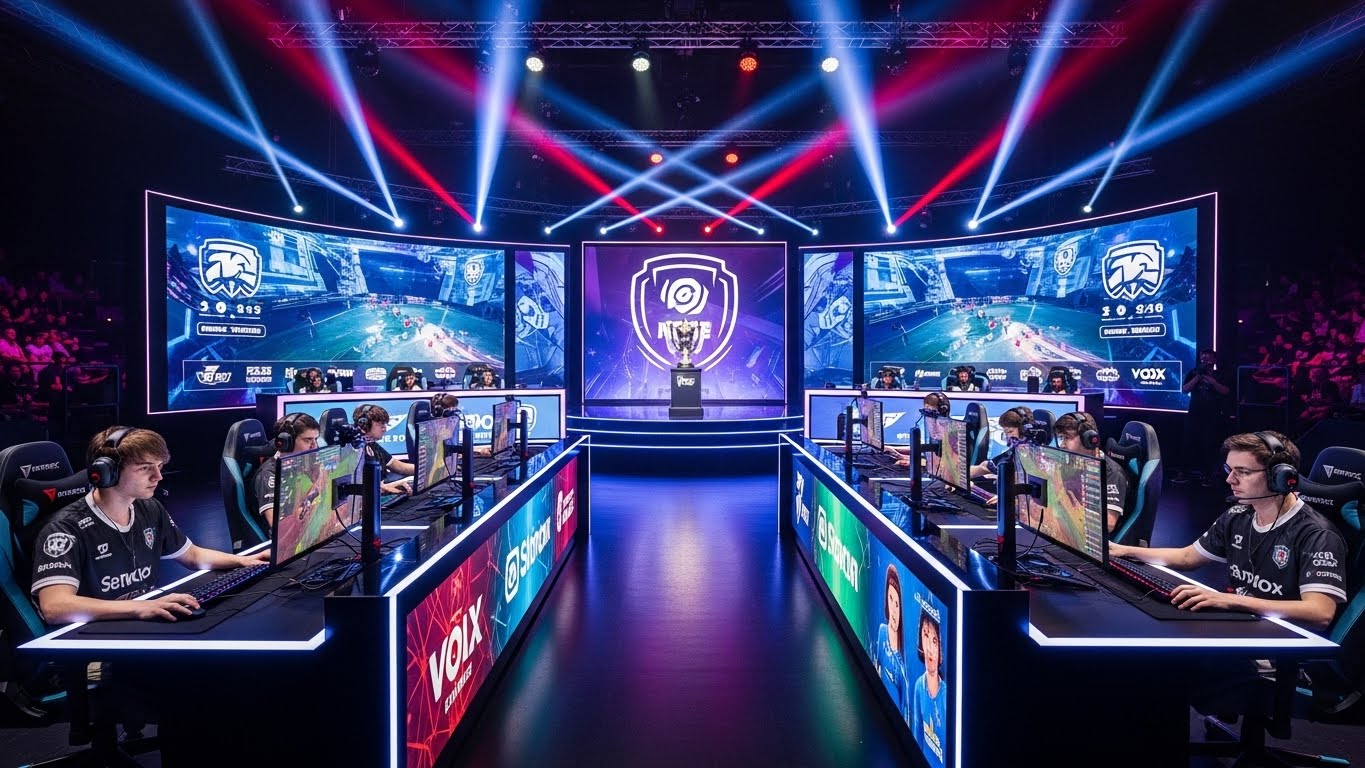
Esports, or electronic sports, refers to organized, multiplayer video game competitions, particularly between professional players, individually or as teams. Esports spans a wide variety of game genres, from real-time strategy games like StarCraft and Dota 2, to first-person shooters like Counter-Strike: Global Offensive and Overwatch. The essence of esports lies not only in playing these games but in the structure and organization around them.
Professional esports involves a great deal of preparation and skill. Players train extensively, often practicing for hours each day, learning strategies, improving reflexes, and staying physically and mentally fit. Tournaments are held both online and offline, with the most prestigious ones attracting global audiences and offering substantial prize money.
What sets esports apart from casual gaming is its competitive nature. Esports tournaments, often streamed live across various platforms, showcase the highest levels of gameplay, with some events attracting millions of viewers. The atmosphere is electric, comparable to traditional sports, making it an exciting spectacle for players and fans alike.
The Rocketing Popularity of Esports
The rapid rise of esports can be attributed to a combination of factors. One of the primary drivers is the increasing accessibility of gaming. In the past, gaming required specialized equipment, but today, most people have access to consoles, PCs, and mobile devices capable of running games with competitive potential. This accessibility has expanded the pool of potential esports players, enabling a wider range of individuals to get involved.
In parallel, the rise of streaming platforms like Twitch, YouTube Gaming, and Facebook Gaming has revolutionized the way fans engage with esports. These platforms allow players to broadcast their gameplay live, interacting with viewers in real-time. Viewers can now watch high-level play from top players and teams, providing an immersive experience that builds a dedicated fan base. Esports tournaments, once only available in physical arenas, are now accessible to anyone with an internet connection, further amplifying their global appeal.
The Business of Esports
Esports is more than just a hobby for passionate gamers; it’s a billion-dollar industry with massive commercial potential. Professional players, teams, and event organizers are making millions through sponsorships, merchandise sales, broadcasting rights, and more. The influx of corporate sponsorships from major brands such as Coca-Cola, Intel, and Nike has helped fuel this growth, turning esports into a highly profitable business.
Sponsorship deals are not only reserved for large tournaments but also extend to individual players and teams. Top-tier esports athletes have similar earning potential to traditional sports stars, earning money through prize winnings, sponsorships, brand endorsements, and streaming. Popular esports players like Ninja (Tyler Blevins) have transformed their success in games like Fortnite into multimillion-dollar personal brands, signing lucrative deals with major companies.
For esports teams, the financial model mirrors that of traditional sports franchises. Teams often have multiple revenue streams, including player salaries, sponsorships, and streaming income. Many teams have dedicated staff, including managers, coaches, analysts, and public relations teams to ensure their players succeed both on and off the digital battlefield.
Esports Tournaments: The Heartbeat of Competitive Gaming
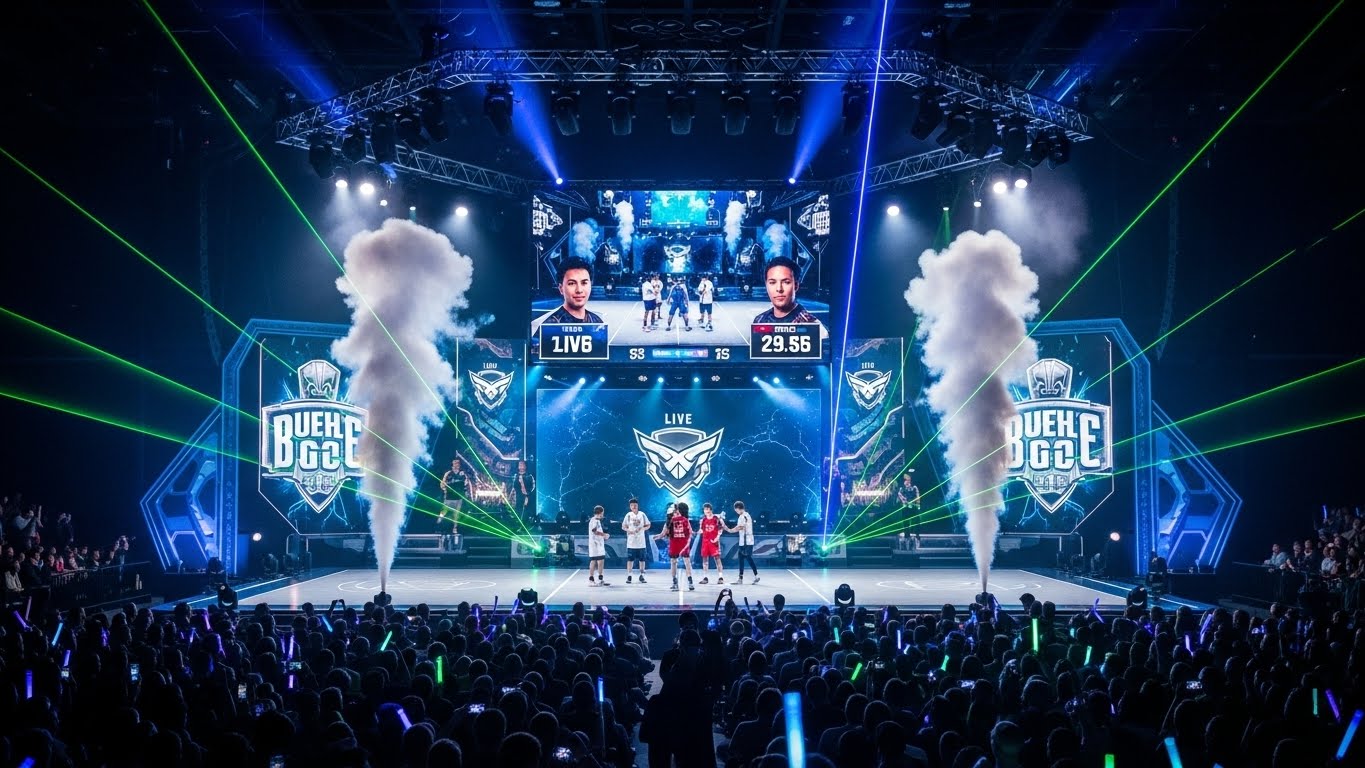
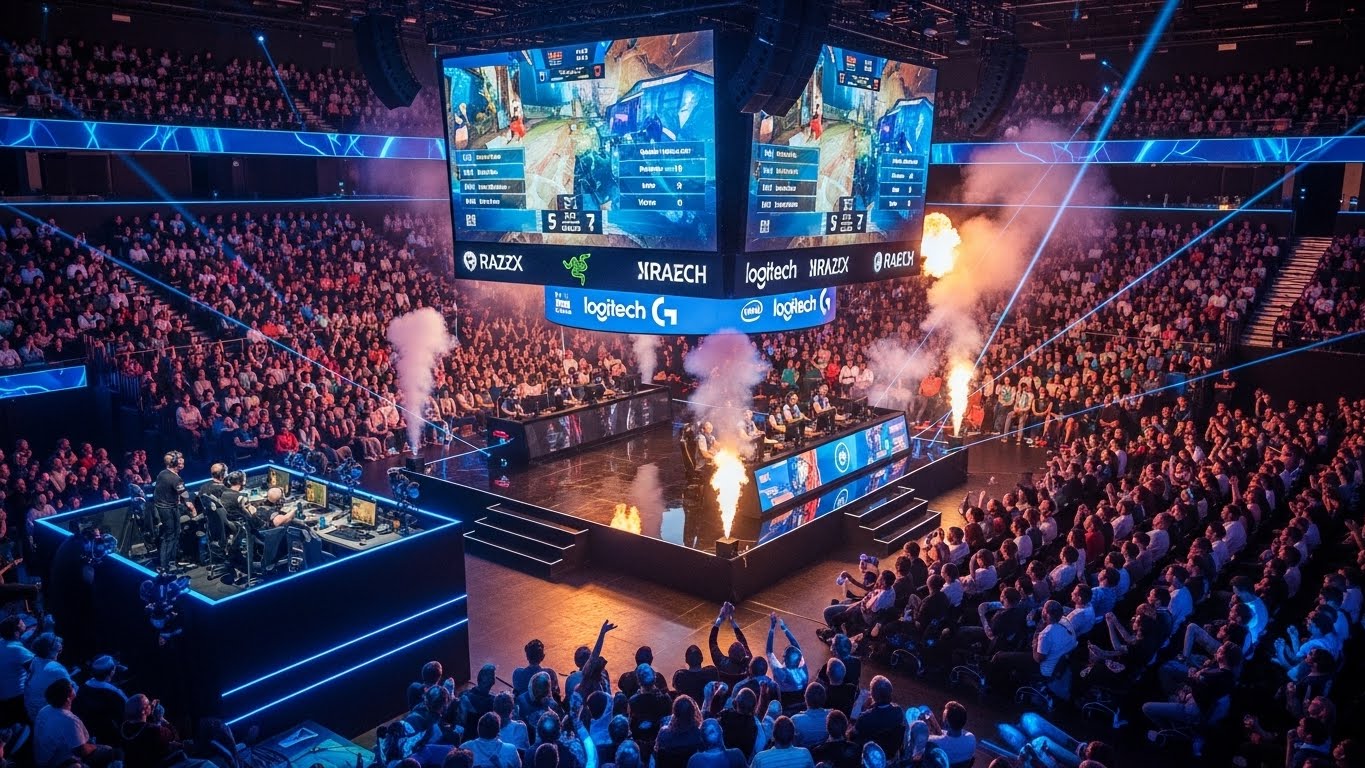
The core of esports lies in its tournaments, where the best players and teams from around the world compete for massive prize pools and international recognition. These tournaments have become major events in the entertainment industry, drawing tens of thousands of spectators in person and millions more online. Some of the most renowned tournaments include The International (for Dota 2), League of Legends World Championship, and The Fortnite World Cup.
These events have taken on the grandeur of traditional sports competitions, with intricate production values, professional commentators, and even halftime shows. Some esports tournaments have prize pools that reach tens of millions of dollars, with The International‘s prize pool regularly surpassing $30 million, largely funded by the game’s community through in-game purchases. This level of financial backing demonstrates just how invested fans are in these events, contributing to their success and legitimacy.
The appeal of esports tournaments extends beyond the prize money. Fans are drawn to the thrilling gameplay, the rivalries between top teams, and the spectacle of the event itself. Whether watched in-person or online, the experience of attending an esports tournament has become a unique form of entertainment, blending gaming, sports, and community in a way that’s never been seen before.
The Professional Players Behind the Screen
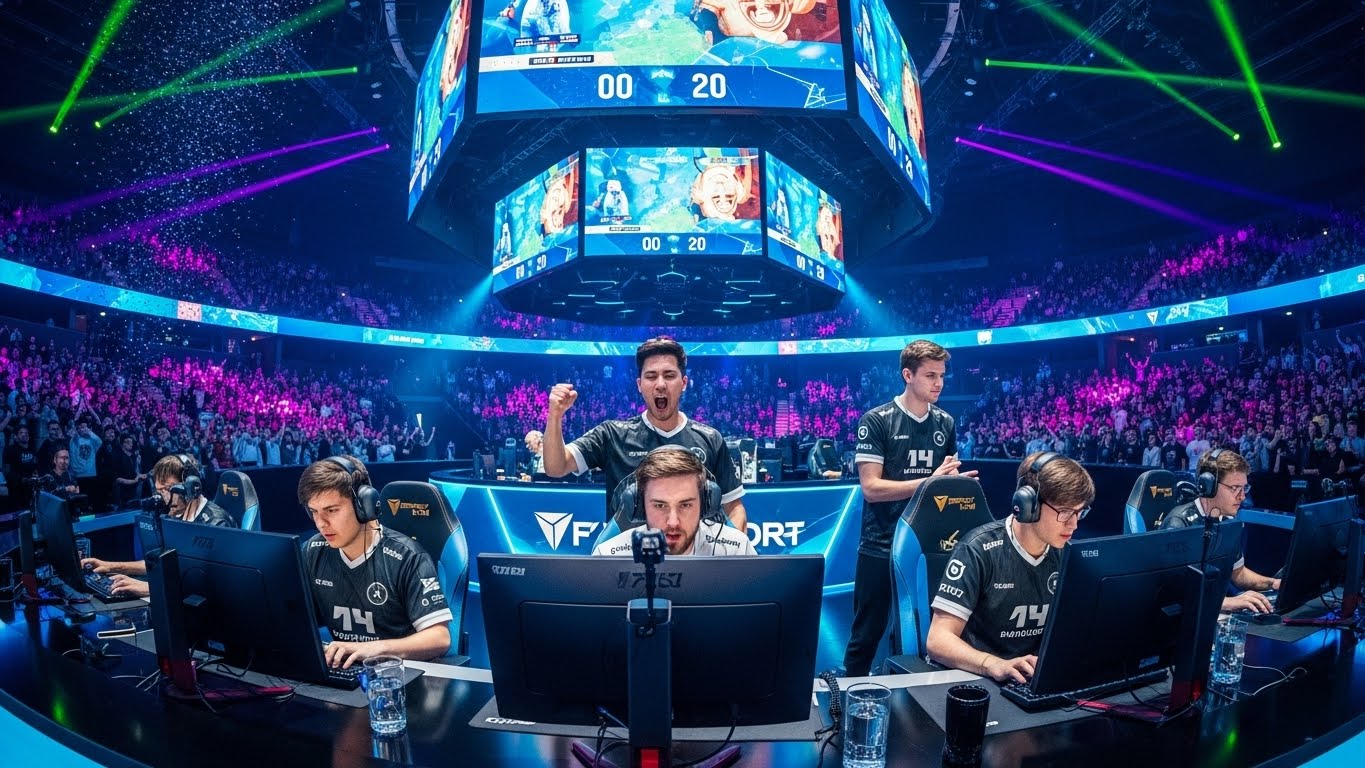
At the heart of esports are its players, the ones who dedicate countless hours to mastering their craft. Esports athletes, much like traditional athletes, train intensely, constantly refining their gameplay to stay ahead of their competition. Professional players are often required to maintain peak mental and physical health. The stress and concentration involved in competitive gaming are immense, and teams invest in nutritionists, psychologists, and personal trainers to ensure their players remain in top form.
What sets esports players apart is their ability to perform under pressure, often in high-stakes tournaments that are broadcast to millions. Esports requires a unique combination of reflexes, strategy, teamwork, and endurance, and the best players are considered digital athletes. The mental resilience required to play in tournaments for hours on end, facing off against opponents who are equally skilled, is a testament to the high level of professionalism and dedication in the esports world.
Esports players also rely on their fanbase, who cheer them on, interact with them on social media, and support their careers. The connection between esports athletes and their fans is incredibly strong, with players often streaming their gameplay on platforms like Twitch, engaging in Q&A sessions, and even making personal connections through social media.
The Future of Esports: A Multi-Billion-Dollar Industry
The future of esports looks incredibly bright, with the industry continuing to evolve and attract new fans, sponsors, and players. As technology continues to improve, so will the esports experience. Virtual reality (VR) and augmented reality (AR) technologies are beginning to play a role in the way esports tournaments are experienced. These innovations could offer a new level of immersion, allowing fans to feel as though they are actually part of the action.
Another exciting prospect for esports is its growing recognition in the education sector. Universities around the world are offering scholarships for esports players, and some have even built dedicated esports arenas to accommodate their growing student bodies. As esports gains acceptance in academia, more young people are seeing it as a legitimate career path. Esports could very well become a major part of the higher education landscape, much like traditional sports.
There’s also potential for esports to continue integrating with traditional sports. Many professional sports teams and leagues have already invested in esports teams or tournaments, recognizing the growing overlap between the two industries. Some even see esports as a way to reach a younger, more tech-savvy audience that is increasingly disengaged with traditional sports.
The potential for esports to be included in major global events like the Olympics has been a topic of debate in recent years. While this remains uncertain, it’s clear that esports has firmly cemented its place in the global entertainment ecosystem and will continue to grow in both scope and influence.
Conclusion: Esports as the Future of Entertainment
Esports has quickly evolved from a niche interest into a global phenomenon that rivals traditional sports in viewership, engagement, and business potential. As the industry continues to grow, it’s clear that esports is no longer just a game—it’s a cultural movement, a multi-billion-dollar business, and an exciting form of competitive entertainment that has captured the imagination of millions around the world.
The rapid growth of esports has reshaped the entertainment landscape, offering new opportunities for players, fans, and brands alike. With technological innovations, expanding fanbases, and ever-increasing investment, esports is poised to remain a dominant force in the entertainment industry for years to come. Whether you’re a gamer, a fan, or a newcomer to the world of esports, one thing is certain: the future of competitive gaming is brighter than ever.