championtribe73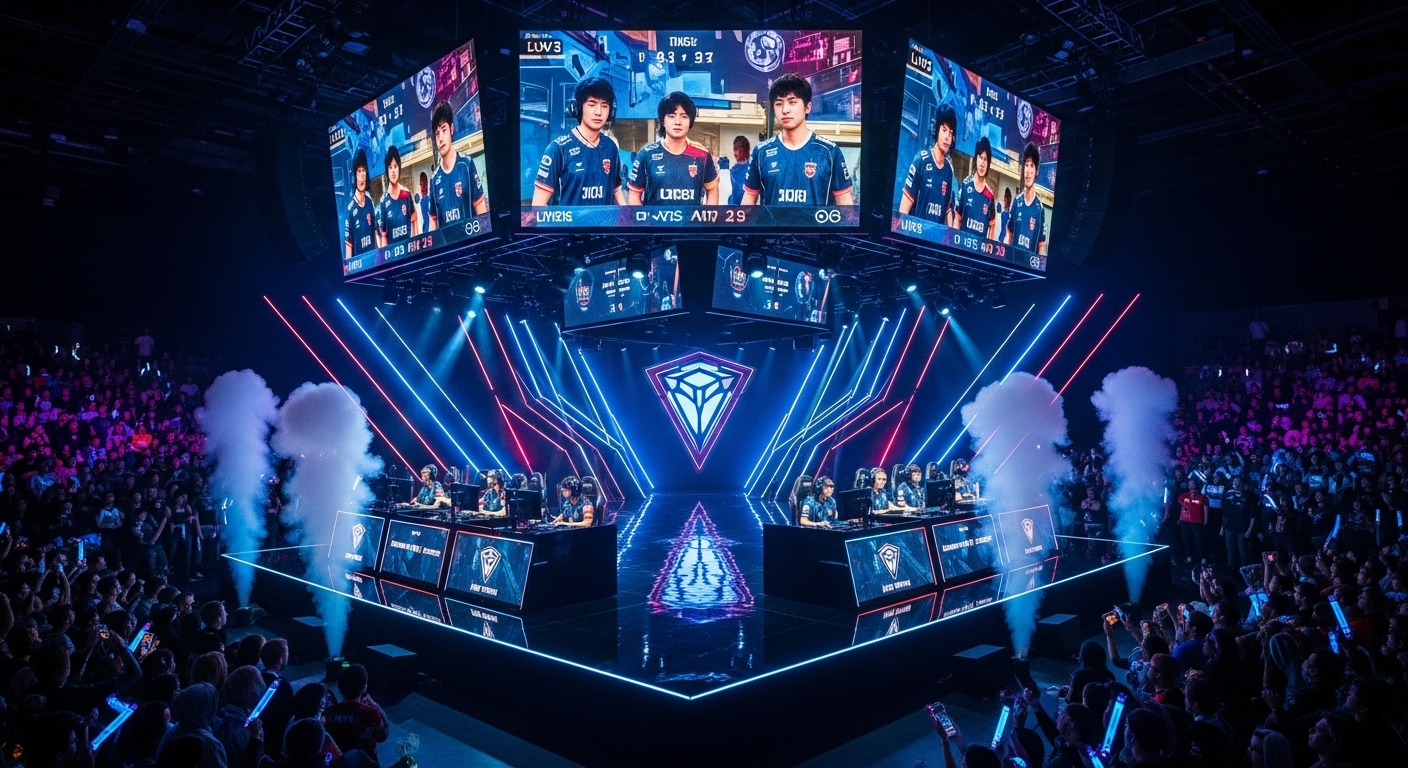
Esports, once a niche hobby for tech enthusiasts and gamers, has evolved into a global phenomenon. What started as small-scale tournaments with limited viewership has now grown into a multi-billion-dollar industry, captivating millions of fans worldwide. From intense competitions to corporate sponsorships, streaming platforms, and professional gaming teams, esports has become an integral part of the entertainment landscape. In this blog post, we’ll explore the rise of esports, its current state, and how it’s transforming the world of entertainment, sports, and business.
The Rise of Esports: From Hobby to Global Industry
Esports is not a new concept; its roots can be traced back to the 1970s, when video game tournaments first began to take shape. However, it wasn’t until the late 1990s and early 2000s that esports began gaining significant traction. Games like “StarCraft,” “Quake,” and “Counter-Strike” paved the way for what would eventually become a global competitive scene. Tournaments and leagues started to attract large numbers of players and spectators, many of whom participated online or watched streams.
One of the pivotal moments in esports history came with the rise of platforms like Twitch. Launched in 2011, Twitch revolutionized how gamers interacted with their audience. Professional gamers could now live-stream their gameplay to thousands, even millions, of viewers. This brought esports into the homes of everyday people, making it accessible in a way it had never been before.
As more viewers tuned in, more sponsors and advertisers saw the potential in esports as a viable marketing channel. Companies like Coca-Cola, Intel, and Red Bull began sponsoring esports events, solidifying the growing financial influence of the industry. Esports leagues, such as the League of Legends Championship Series (LCS) and the Overwatch League (OWL), began organizing professional tournaments with large cash prizes and global recognition. Today, esports has transformed from a hobby into a massive, multi-faceted industry with a broad, global appeal.
The Key Players in the Esports Ecosystem
Professional Players and Teams
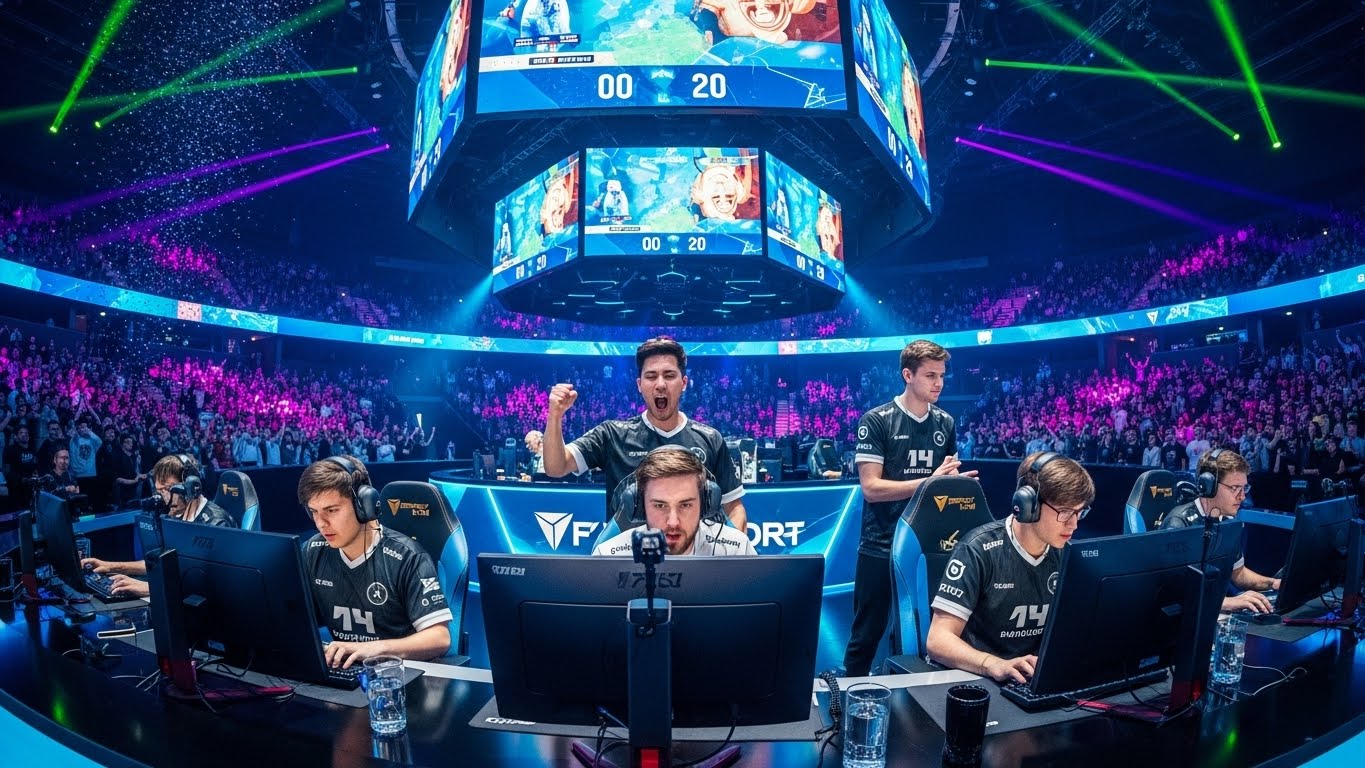
At the heart of esports is its professional players. These individuals are not just passionate about gaming—they dedicate countless hours honing their skills to compete at the highest level. Many professional esports players start their careers at a young age, often in their teens, and devote years of practice to mastering their chosen games.
Esports organizations have emerged to support these players. Teams like T1 (League of Legends), Fnatic (Counter-Strike: Global Offensive), and Cloud9 have gained international recognition, representing top-tier players across a wide variety of games. These organizations operate like traditional sports teams, offering salaries, training facilities, coaching, and sometimes even healthcare benefits.
The competitive aspect of esports is not limited to a single game, as numerous genres have their own esports scene. From multiplayer online battle arena (MOBA) games like Dota 2 and League of Legends to first-person shooters like Call of Duty and Valorant, there are a plethora of options for players to excel in.
Game Developers and Publishers
Game developers and publishers are integral to the esports ecosystem. They are responsible for creating the games that fuel the competitions, and they also play a significant role in shaping the competitive landscape. Developers like Riot Games (League of Legends, VALORANT) and Blizzard Entertainment (Overwatch, StarCraft) often organize or support official esports leagues and tournaments for their titles.
These companies also engage in direct partnerships with broadcasters, sponsors, and esports organizations. Their role in curating the competitive experience, balancing gameplay mechanics, and ensuring fairness is crucial to maintaining the integrity of esports as a professional sport.
Streaming Platforms and Broadcast Networks
A key component of the esports boom has been the rise of streaming platforms. Twitch, YouTube Gaming, and Facebook Gaming are just a few examples of platforms that allow players and fans to connect. These platforms not only serve as a venue for live broadcasts but also provide a space for gamers to build personal brands and communities.
Professional events are broadcasted globally, drawing millions of viewers from around the world. Platforms like Twitch have become a key player in bridging the gap between fans and players. Many streamers have gained celebrity-like status, with some even transitioning from full-time gaming to creating content for multiple platforms, including traditional media like television and film.
Esports Tournaments: The Competitive Spirit
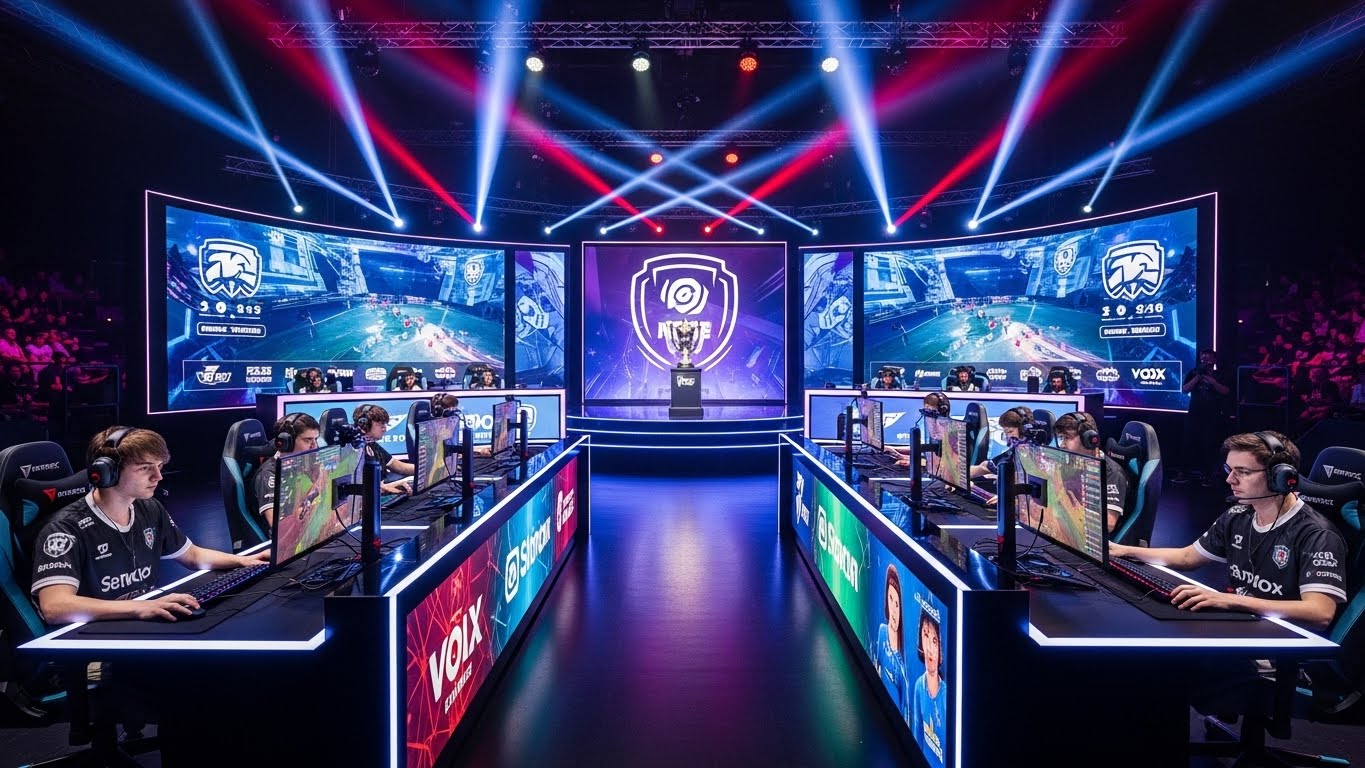
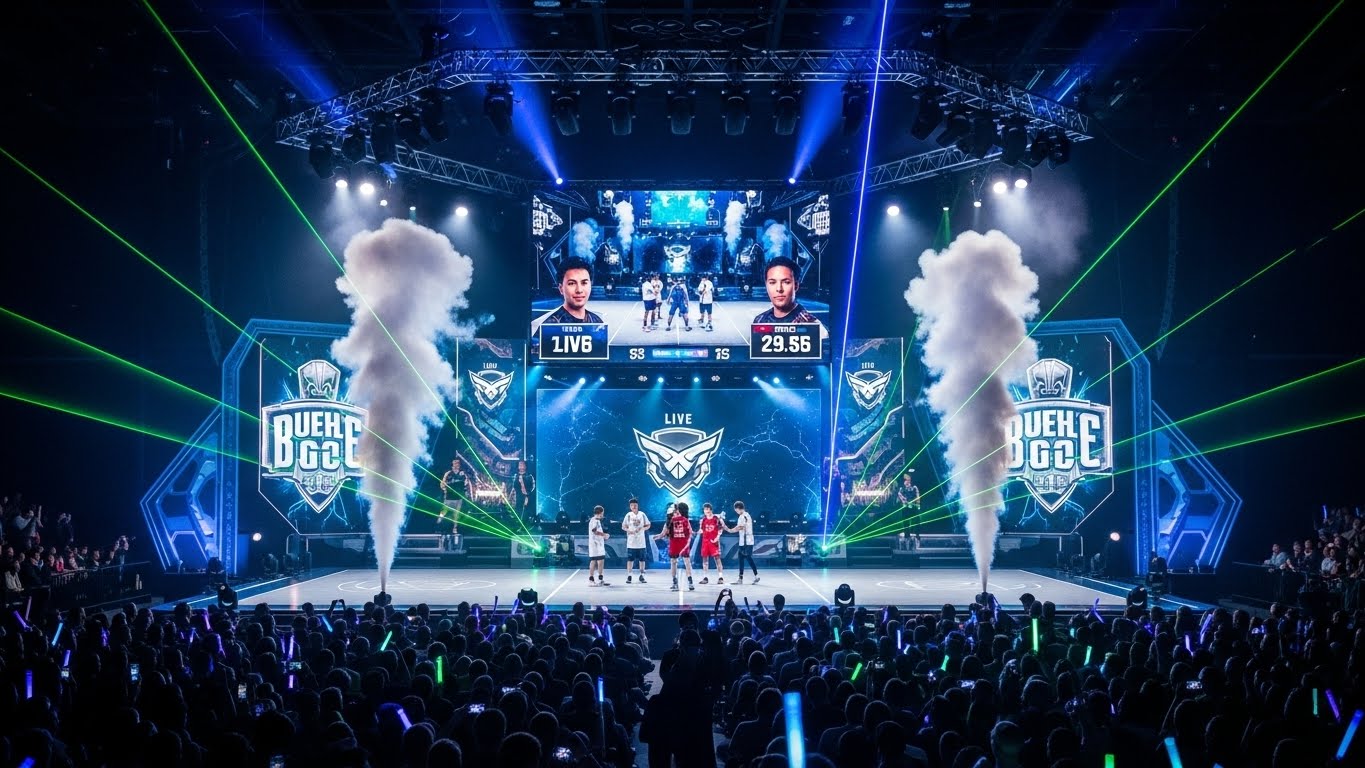
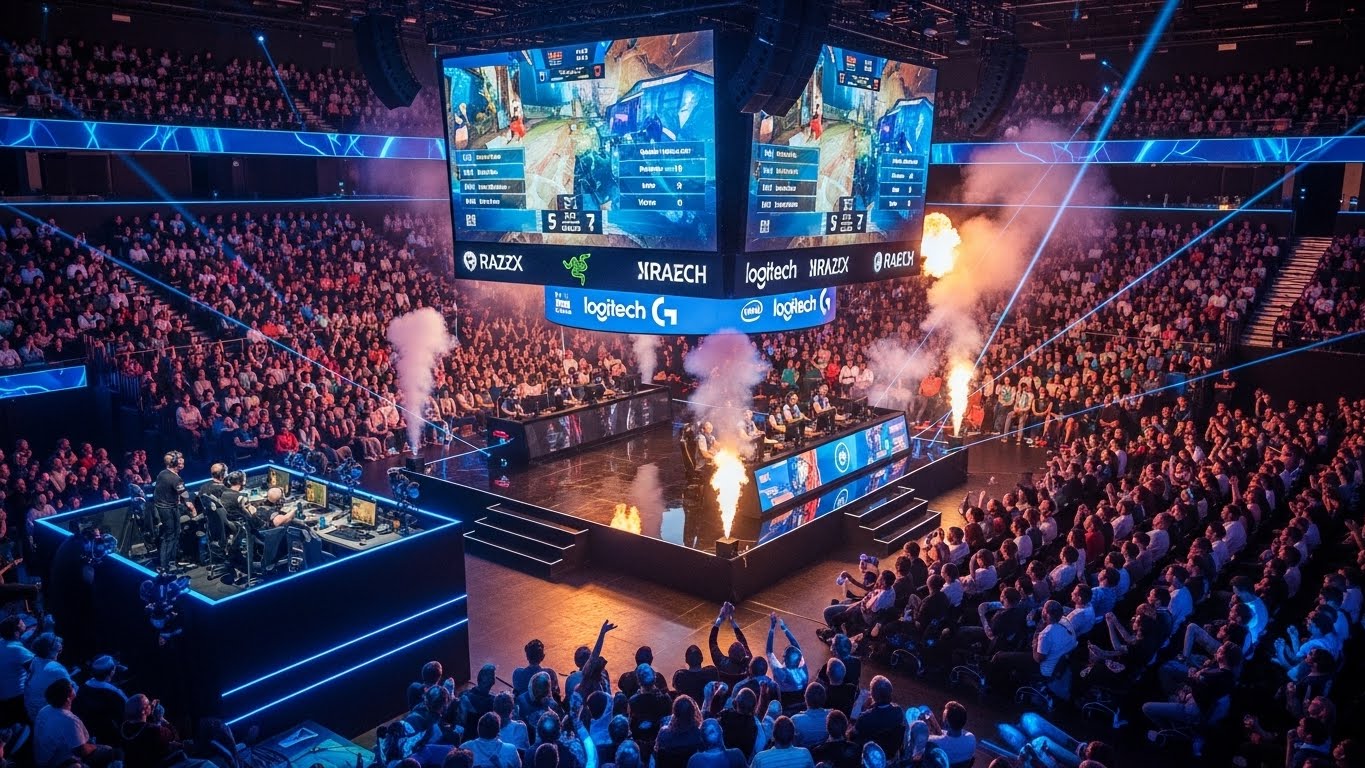
Esports tournaments are a defining feature of the industry. These events range from small, local competitions to massive international tournaments that fill arenas and are broadcast to millions. Major tournaments are often held in iconic venues, such as the Staples Center in Los Angeles or the Mercedes-Benz Arena in Berlin, showcasing the immense growth of the industry.
Some of the biggest esports tournaments include:
- The International – The annual Dota 2 championship, known for its enormous prize pools, often surpassing $30 million.
- League of Legends World Championship – A global event that attracts millions of viewers and offers a prestigious platform for the best players in the world.
- The Overwatch League Grand Finals – Where the top Overwatch teams compete for the coveted championship title.
- CS:GO Major Championships – The largest Counter-Strike: Global Offensive tournaments, attracting some of the best teams in the world.
These tournaments often feature extravagant productions, with multi-camera setups, commentators, and live audiences. The viewing experience of esports has become as high-tech and engaging as traditional sports broadcasts, drawing in a diverse group of fans.
The Esports Fanbase: A New Generation of Sports Enthusiasts
Esports has cultivated a new generation of sports fans, many of whom may not have been interested in traditional sports. With its widespread appeal, esports has attracted millions of young viewers who prefer gaming to conventional sports like football, basketball, or soccer. Esports also offers something that traditional sports can’t: a direct connection between players and fans. Fans can interact with their favorite players, watch their streams, and even participate in online communities where they discuss game strategies and upcoming events.
Esports also has a global fanbase. Unlike traditional sports that are often regional or culturally specific, esports brings people from all over the world together. Major events are frequently broadcast in multiple languages, making it easy for fans from diverse backgrounds to join in the experience. This global fanbase is one of the key reasons why esports continues to grow, as it has a universal appeal and a sense of inclusivity.
The Business Side of Esports: Sponsorship, Revenue, and Careers
The financial side of esports is one of its most compelling aspects. As the industry grows, so does its economic impact. Esports tournaments generate millions of dollars in revenue from ticket sales, advertising, and sponsorships. Brands from a wide range of industries—tech, fashion, automotive, and even food and beverage—are eager to get involved in esports.
In addition to sponsorships, streaming platforms like Twitch and YouTube share ad revenue with streamers, helping to fuel the careers of professional gamers and content creators. Merchandise, licensing, and digital goods (such as in-game skins and loot boxes) also contribute to the industry’s growth. Some companies have even ventured into building esports arenas, creating spaces specifically designed for esports competitions and events.
This booming industry has created a wide array of career opportunities, from professional gaming to content creation, broadcasting, coaching, event management, marketing, and more. As esports becomes increasingly mainstream, the number of job opportunities in the industry continues to rise, making it an attractive career path for those interested in gaming and entertainment.
The Future of Esports: Challenges and Opportunities
While esports is experiencing remarkable growth, it faces some challenges that need to be addressed. Issues such as player burnout, mental health concerns, and the lack of a universally recognized governing body for esports are topics of ongoing discussion. Moreover, as esports becomes more commercialized, there are concerns about maintaining its integrity and ensuring that the competitive spirit is preserved.
However, the opportunities are also vast. The rise of virtual and augmented reality technologies could revolutionize esports, creating immersive, next-level experiences for both players and spectators. The expansion of mobile gaming has opened up new avenues for esports to thrive in regions where traditional gaming may not have had the same reach. Additionally, the continued rise of esports in educational institutions, with universities offering scholarships for players, is a testament to its growing acceptance as a legitimate career path.
Conclusion
Esports has come a long way from its humble beginnings, and it shows no signs of slowing down. With its massive fanbase, professional players, innovative streaming platforms, and multi-billion-dollar revenue streams, esports is poised to continue evolving and expanding. It has transformed into a global entertainment powerhouse that is reshaping the future of sports, entertainment, and business.
As esports continues to grow, it’s clear that the competitive gaming industry is here to stay. Whether you’re a casual fan or a dedicated player, there’s never been a better time to get involved in this thrilling, ever-changing world. The next chapter of esports is waiting, and it promises to be more exciting than ever.