championtribe73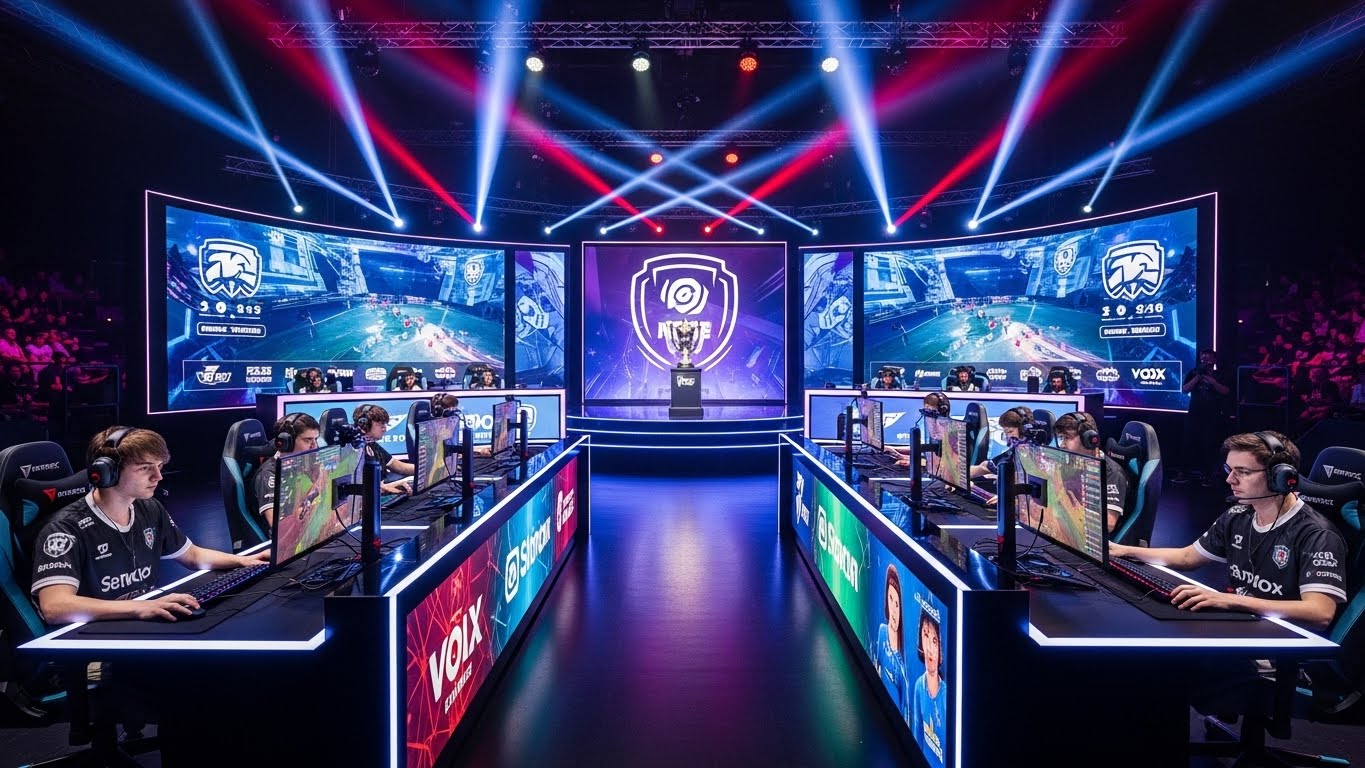
Esports has emerged as one of the most influential developments in modern entertainment, transforming video games into a global competitive spectacle. What began as informal competitions among friends has evolved into a professional industry featuring international tournaments, elite players, and millions of dedicated fans. Esports now rivals traditional sports in viewership, cultural impact, and economic value. This blog explores the rise of esports, its structure, cultural importance, challenges, and the future of competitive gaming in an increasingly digital world.
Defining Esports in the Modern Era
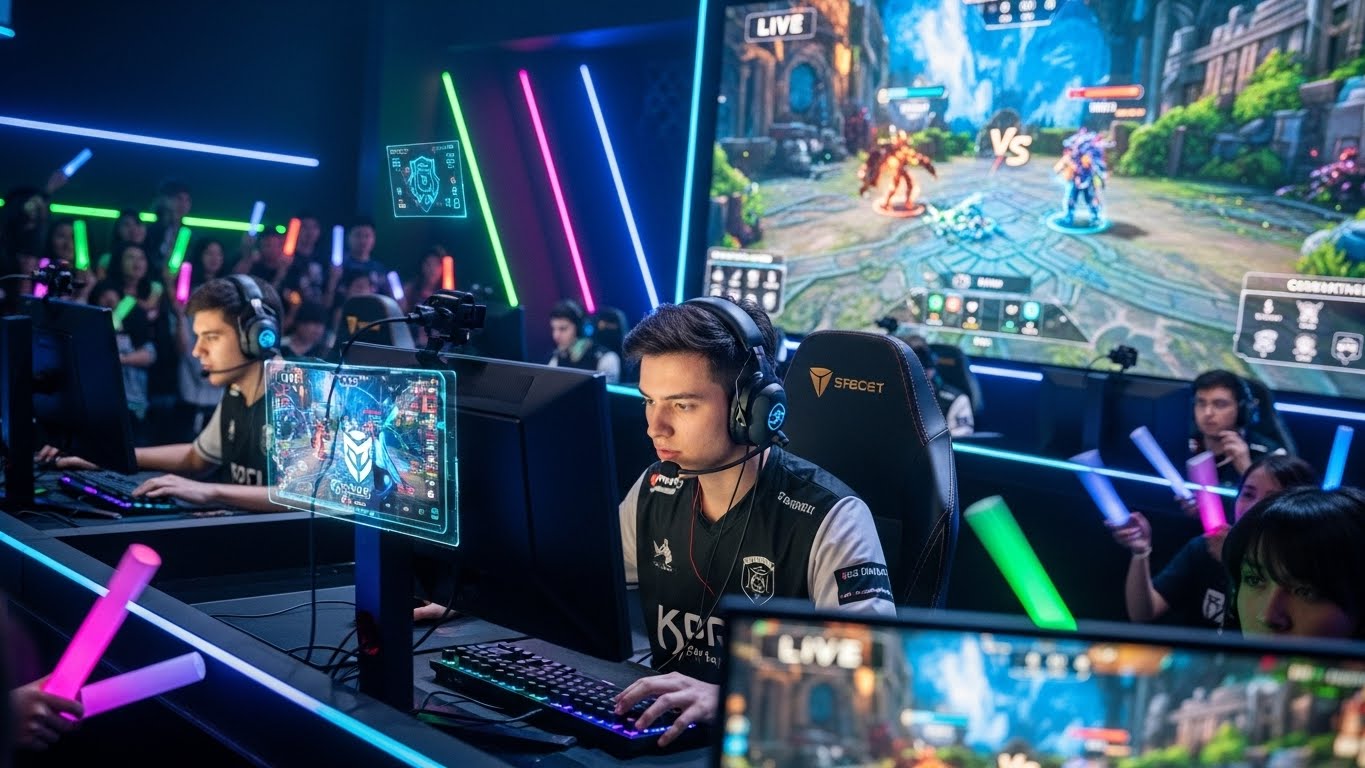
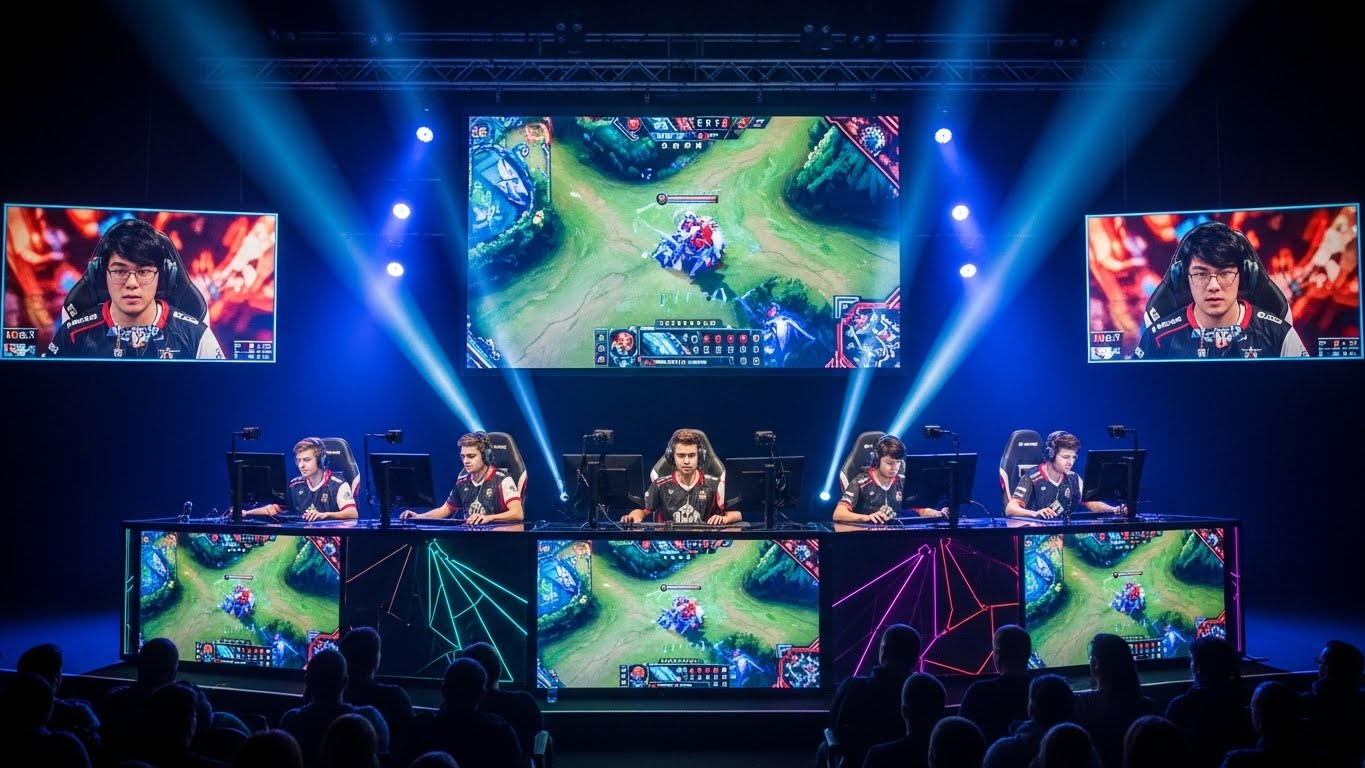
Esports, or electronic sports, refers to organized competitive video gaming where individuals or teams compete under established rules. Unlike casual gaming, esports requires advanced skills, strategic planning, fast reflexes, and strong teamwork. Professional players dedicate countless hours to training, studying opponents, and refining their techniques to compete at the highest level.
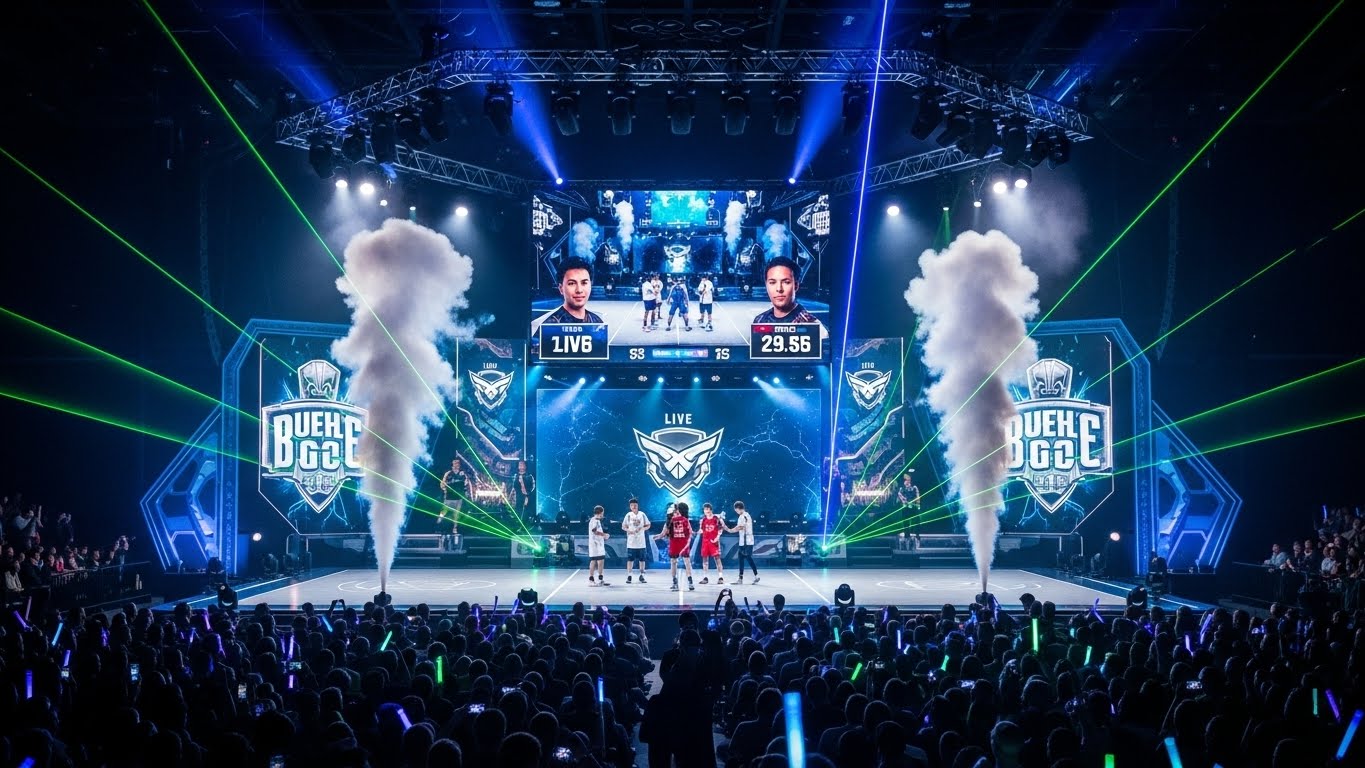
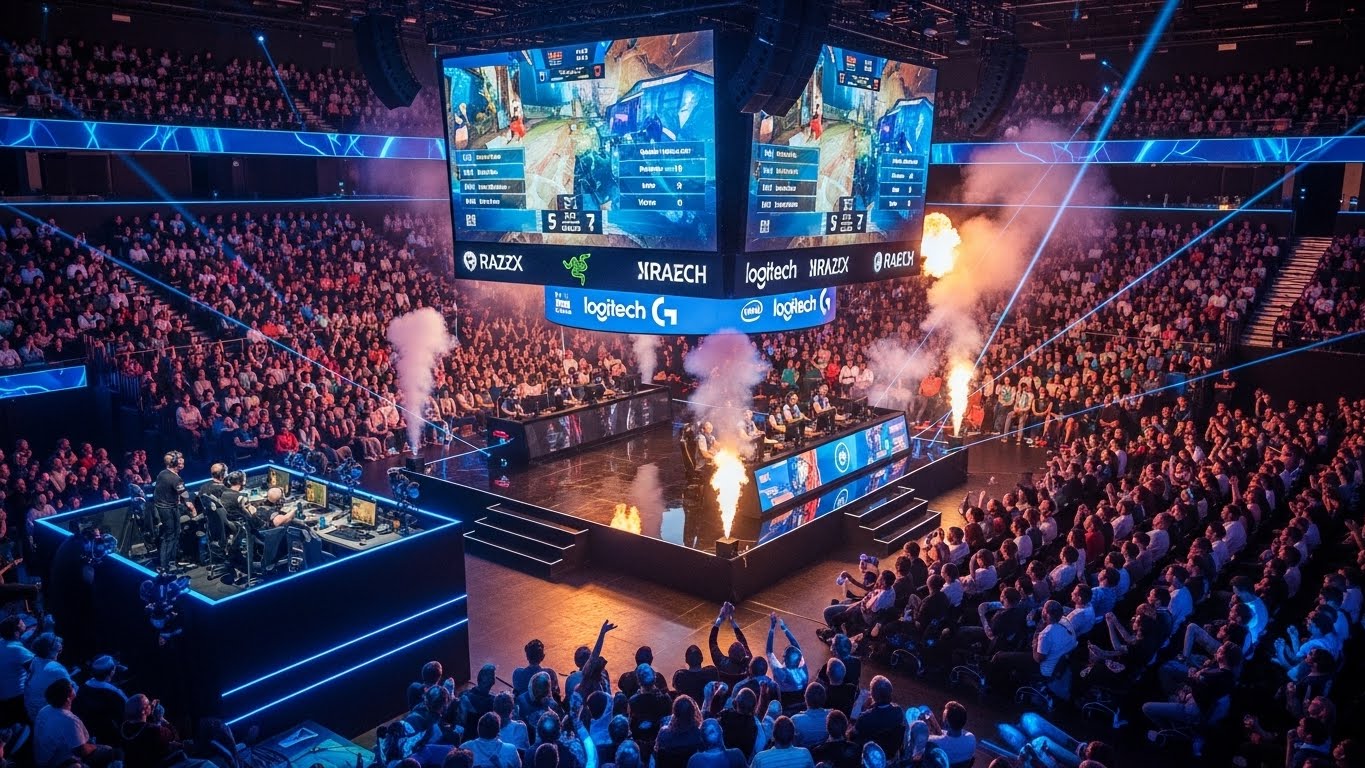
Esports competitions are held both online and in physical venues, often filling large arenas with spectators while reaching millions more through digital broadcasts. These events are not only about winning but also about entertainment, storytelling, and community engagement, making esports a powerful form of modern media.
The Early Foundations of Competitive Gaming
The roots of esports date back to the early days of video games when players competed for high scores in arcades. As technology advanced, multiplayer gaming became possible, allowing players to challenge one another directly. Early tournaments were small and informal, but they laid the groundwork for organized competition.
The growth of personal computers and internet access played a crucial role in esports development. Online multiplayer games enabled players from different regions to compete, creating larger and more competitive communities. Over time, structured tournaments, professional teams, and dedicated fan bases began to form, marking the transition from hobby to industry.
Popular Esports Game Categories
Esports encompasses a wide range of game genres, each offering unique competitive experiences and skill requirements.
First-person shooter games focus on accuracy, reaction speed, and tactical awareness. Players must work together to control objectives and outmaneuver opponents, often in fast-paced and high-pressure environments.
Multiplayer online battle arena games emphasize teamwork, strategy, and long-term planning. Players control characters with specific roles and abilities, requiring coordination and communication to achieve victory.
Real-time strategy games challenge players to manage resources, build units, and adapt strategies in real time. These games reward intelligence, foresight, and adaptability.
Fighting games revolve around one-on-one competition, where precision, timing, and mastery of mechanics are essential. These games are known for intense rivalries and passionate communities.
Sports simulation games recreate real-world sports in a digital format, blending traditional athletic knowledge with gaming skills. These games attract fans from both esports and conventional sports backgrounds.
The Professional Esports Ecosystem
The esports industry operates within a complex ecosystem that includes players, teams, coaches, organizers, sponsors, and fans.
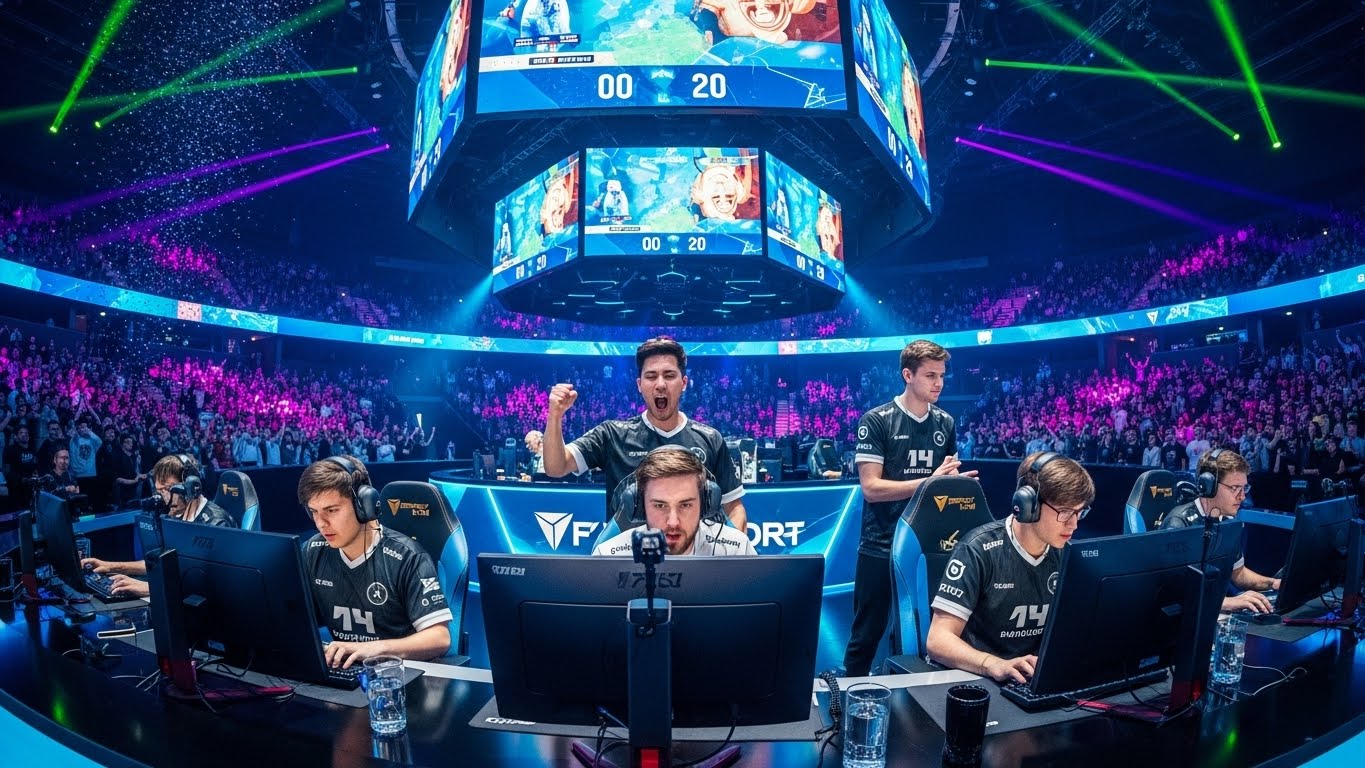
Professional players are at the center of this system. Many are signed to teams that provide salaries, training facilities, coaching staff, and performance support. These teams operate similarly to traditional sports organizations, focusing on player development and competitive success.
Tournaments and leagues form the backbone of esports competition. Events range from regional competitions to global championships, offering prestige and significant prize pools. These tournaments are carefully organized to ensure fairness, excitement, and high production quality.
Sponsors and partners provide financial support that sustains the industry. Their involvement allows teams and events to operate at a professional level while introducing esports to broader audiences.
Fans play a vital role by supporting teams, engaging in online communities, and contributing to the culture that surrounds esports. Their passion and loyalty drive viewership, merchandise sales, and long-term growth.
Cultural Influence and Global Reach
Esports has become a powerful cultural force, influencing how people view competition, entertainment, and digital interaction. It has challenged traditional ideas of athletics by demonstrating that mental agility, coordination, and strategic thinking are just as valuable as physical strength.
One of the most significant aspects of esports is its global nature. Players and fans from different countries and cultures come together through shared interests, creating international communities. Esports tournaments often feature competitors from multiple regions, promoting cultural exchange and mutual respect.
Esports has also become a platform for creativity and self-expression. Players develop personal brands, fans create content, and communities form identities around teams and games. This cultural richness adds depth and meaning to the competitive experience.
Education and Career Opportunities in Esports
The growth of esports has opened doors to numerous educational and career opportunities. Many schools and universities now recognize esports as a legitimate activity, offering programs and scholarships related to competitive gaming and esports management.
Career paths extend far beyond professional play. Coaches help teams develop strategies and improve performance. Analysts study gameplay data to gain competitive advantages. Commentators and hosts bring excitement and storytelling to broadcasts.
Behind the scenes, event managers, marketers, designers, and technical specialists ensure smooth operations. Content creators and streamers build audiences by sharing gameplay, insights, and entertainment. Together, these roles form a diverse and expanding job market within esports.
Health, Discipline, and Player Well-Being
Contrary to common misconceptions, professional esports requires discipline, structure, and self-care. Players must maintain focus, manage stress, and stay mentally sharp during intense competition.
However, the demanding nature of esports can lead to challenges such as burnout, fatigue, and mental health struggles. Long practice hours and constant pressure to perform can take a toll. As awareness grows, organizations are placing greater emphasis on balanced schedules, physical fitness, and mental health support.
Healthy habits, teamwork, and proper guidance are becoming increasingly important in ensuring long-term success and well-being for esports athletes.
Challenges Facing the Esports Industry
Despite its success, esports faces several obstacles that must be addressed for sustainable growth. One challenge is the lack of universal regulation. With many games and organizers involved, rules and standards can vary, creating inconsistencies.
Financial inequality is another concern. While top teams and players earn significant income, many aspiring professionals struggle to find stable opportunities. Supporting grassroots competition and emerging talent is essential for the future of esports.
Public perception also remains a challenge in some regions. Misunderstandings about gaming can lead to skepticism regarding esports as a legitimate pursuit. Continued education and positive representation are key to changing these perceptions.
Technological Innovation and Esports
Technology is the foundation of esports, enabling competition, communication, and entertainment. Advancements in gaming hardware, software, and internet infrastructure have made high-level competition possible on a global scale.
Data analytics and performance tracking tools help players and teams improve strategies and decision-making. Broadcasting technology enhances viewer experience through high-quality visuals, live statistics, and interactive features.
Emerging technologies such as virtual reality and artificial intelligence hold potential to reshape esports training and spectating. These innovations may create more immersive and engaging experiences for players and fans alike.
The Future of Competitive Gaming
The future of esports is filled with potential as technology, culture, and entertainment continue to evolve. Esports is likely to gain further recognition as a legitimate competitive discipline, with stronger institutional support and broader mainstream acceptance.
Youth development programs and community initiatives will play a key role in nurturing new talent. Collaboration between esports and traditional sports may lead to hybrid events and shared audiences.
As the industry matures, greater emphasis on ethics, inclusivity, and player welfare will help create a sustainable and respected ecosystem. Esports will continue to adapt, innovate, and inspire new generations.
Conclusion
Esports has transformed video games into a global competitive and cultural phenomenon. Through skill, strategy, and community, it has created new opportunities for entertainment, careers, and connection. What began as a simple form of play has evolved into an industry that reflects the values and possibilities of the digital age.
While challenges remain, the passion of players, fans, and creators ensures that esports will continue to grow and evolve. Esports is more than competition; it is a symbol of how technology and human creativity come together to redefine the meaning of sport.
As virtual arenas expand and digital communities strengthen, esports will remain at the forefront of modern competition, shaping the future of gaming and global entertainment for years to come.