championtribe73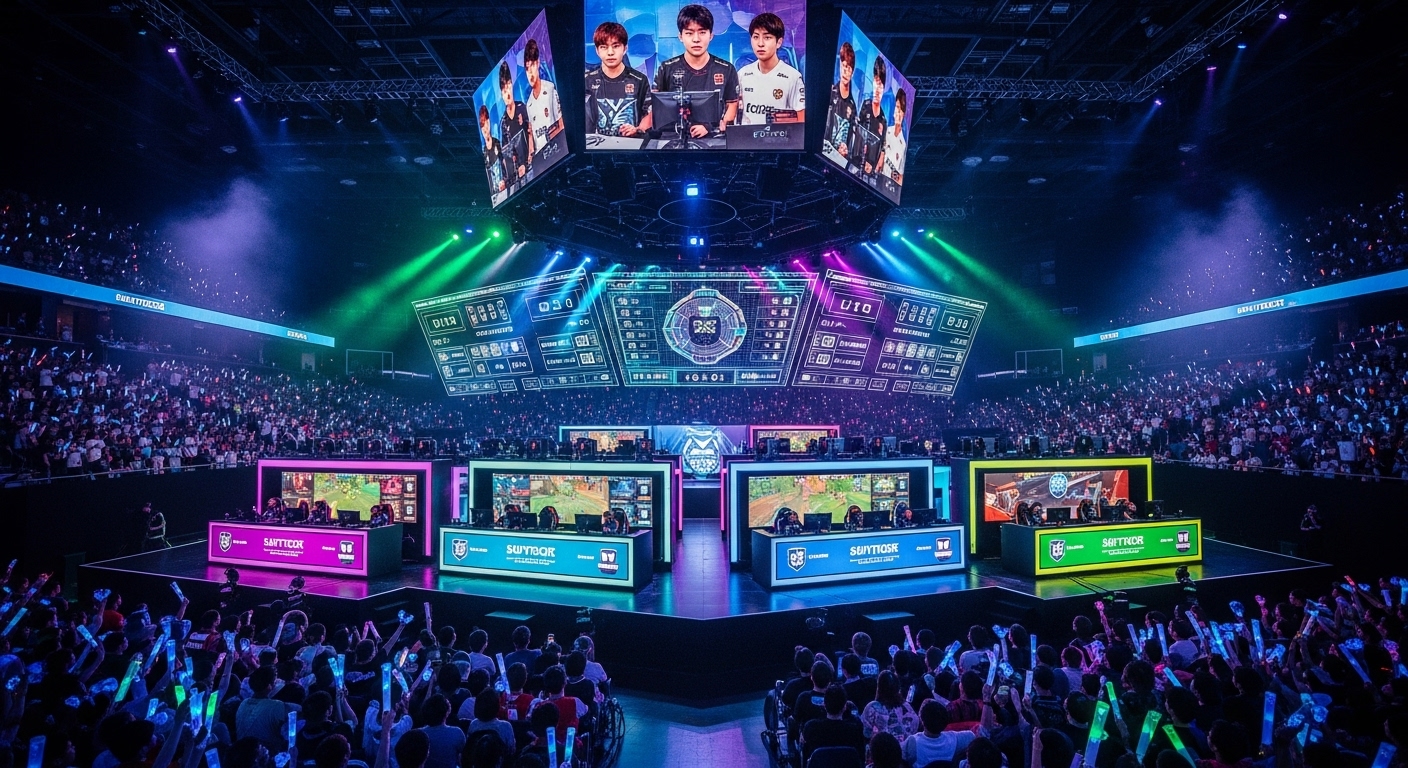
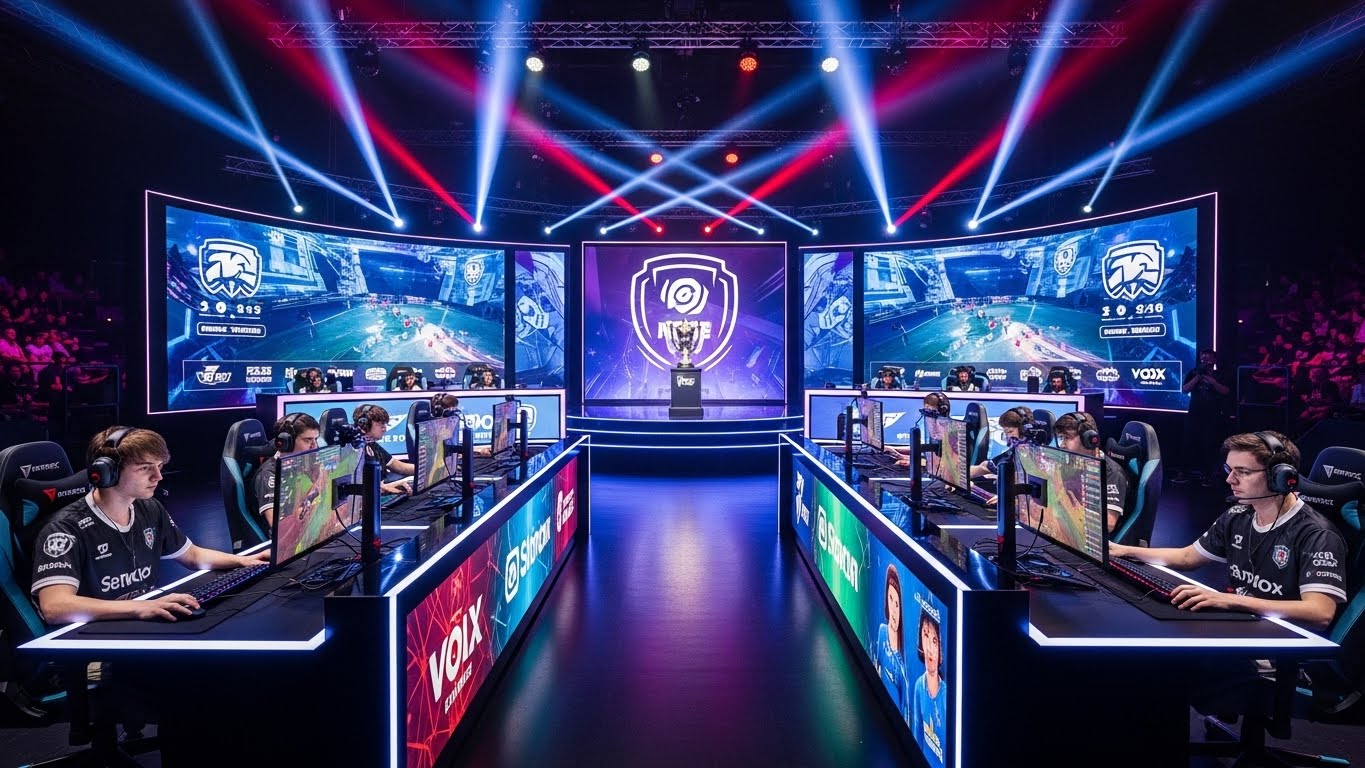
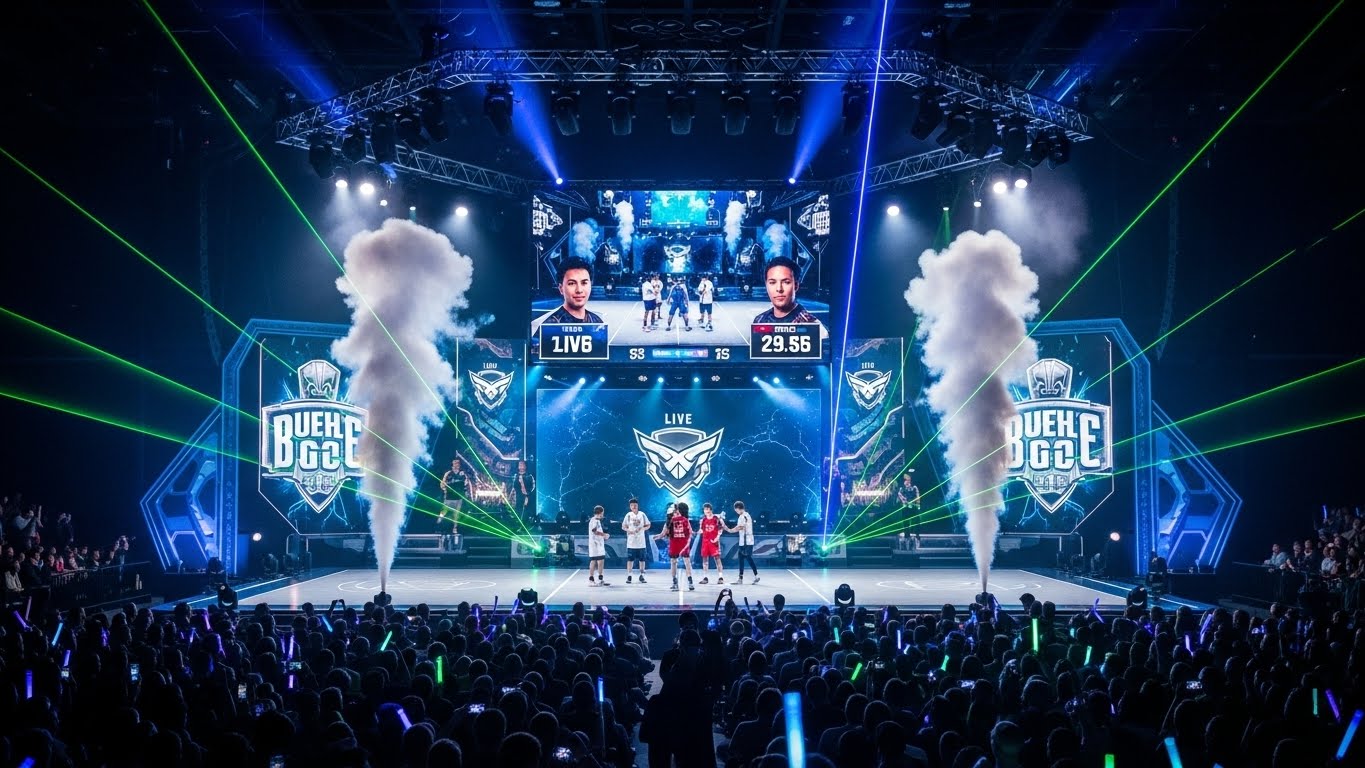
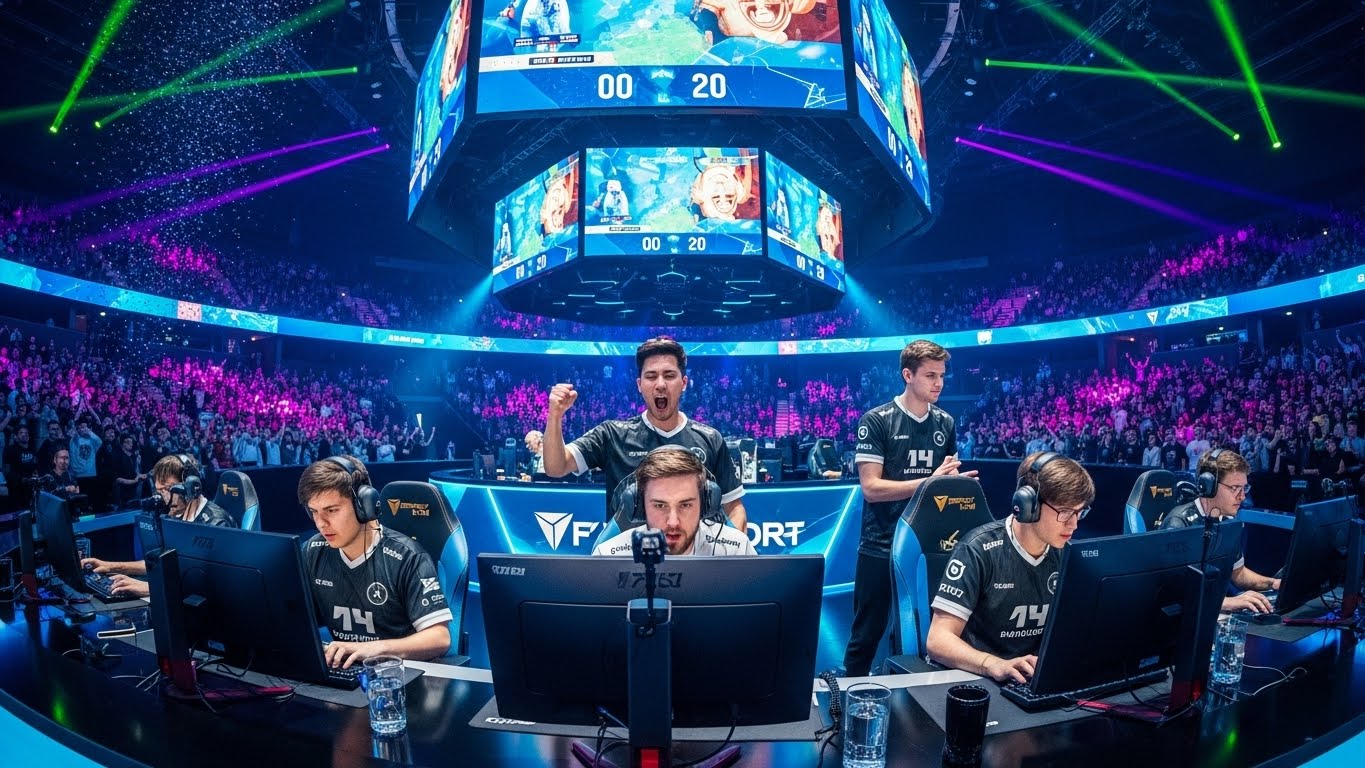
In recent years, esports has exploded into a global phenomenon, turning what was once a niche hobby into a multi-billion-dollar industry. Competitive gaming has moved from living rooms and college dorms to grand arenas filled with roaring fans, all glued to their screens in anticipation of epic matches. What was once considered a pastime for “gamers” is now one of the most dynamic and rapidly growing sectors of the entertainment industry. But how did esports evolve from a casual hobby to a global powerhouse, and what makes it so captivating to millions of fans around the world?
In this blog post, we will explore the rise of esports, its cultural impact, the business of competitive gaming, and what the future holds for this fast-growing sector.
The Evolution of Esports: From Local Tournaments to Global Spectacles
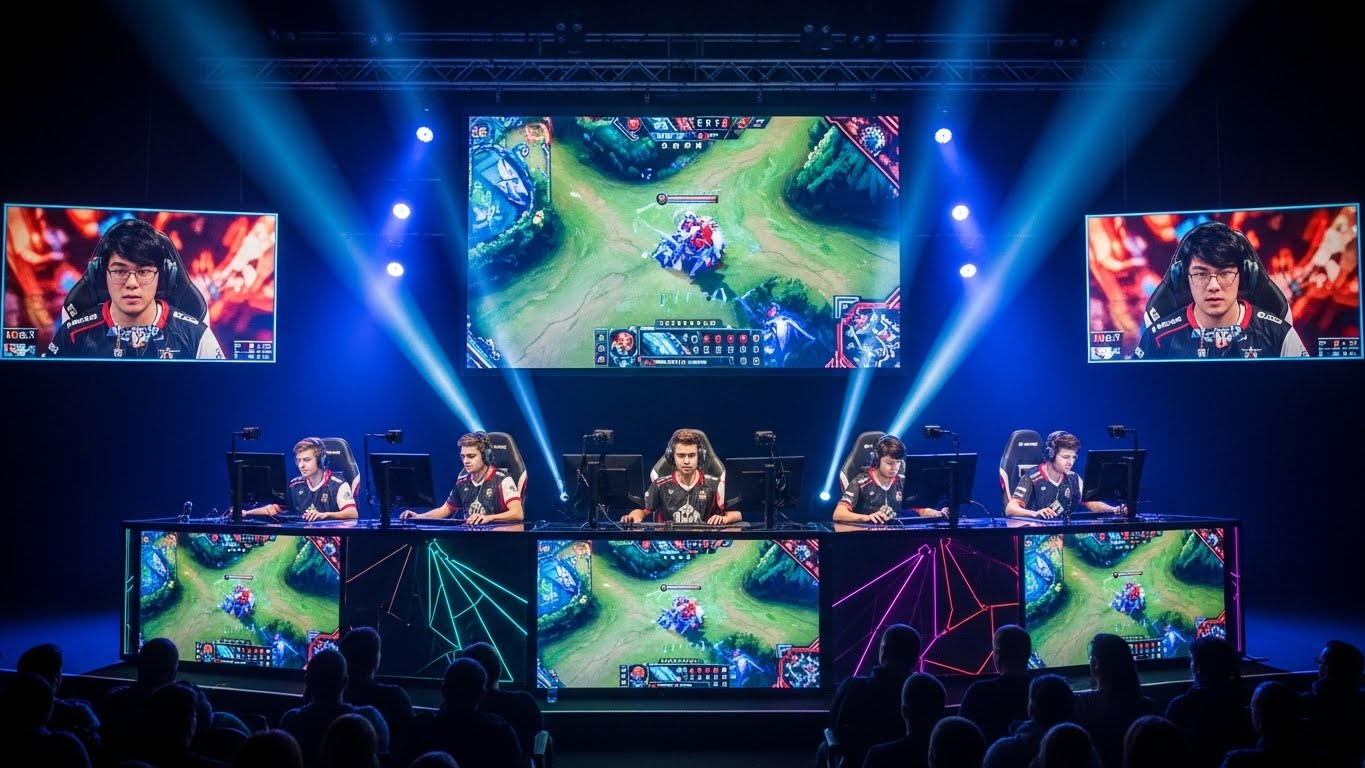
Esports, or electronic sports, refers to organized multiplayer video game competitions, particularly between professional players, individually or as teams. Although competitive gaming has existed since the 1990s, it was the 2000s that marked the true beginning of esports as we know it today. The introduction of online multiplayer games like “Warcraft III” and “Counter-Strike” allowed players from around the world to compete against each other, creating the foundations of online esports tournaments.
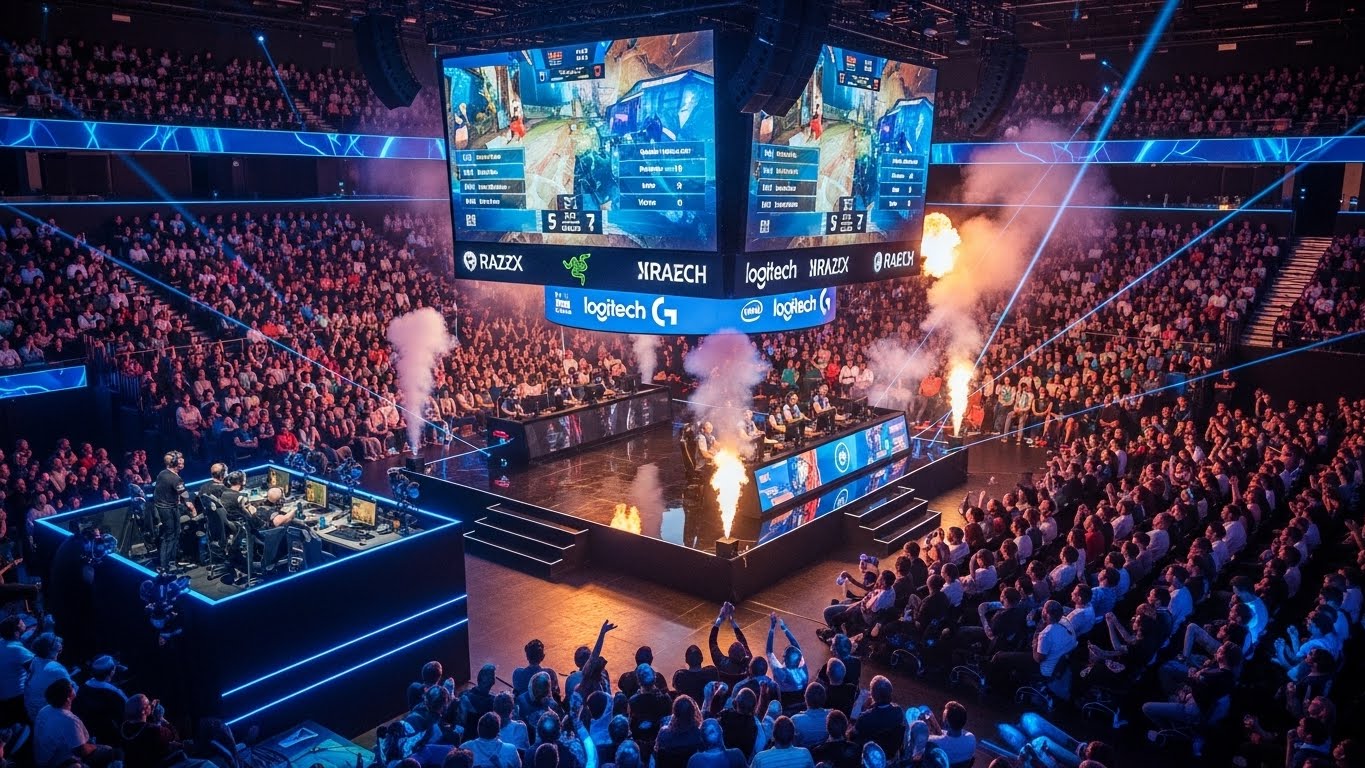
By the mid-2010s, esports had reached a tipping point. Games like “League of Legends,” “Dota 2,” and “Counter-Strike: Global Offensive” became household names, and tournaments such as The International and the League of Legends World Championship began to draw millions of viewers. What was once a niche subculture quickly became mainstream entertainment, with the largest events filling up arenas and streaming platforms like Twitch broadcasting matches to millions of fans globally.
The Business Boom: Esports as a Multi-Billion-Dollar Industry
Esports is no longer just about the players; it’s a fully-fledged business with major investments, sponsorships, and media rights deals. In 2020, the global esports market was valued at over $1 billion, and projections suggest that it will continue to grow exponentially in the coming years. This growth is fueled by sponsorship deals from major companies, including tech giants like Intel, Red Bull, and Coca-Cola, who recognize the massive potential of the esports audience.
One of the driving forces behind this growth is the increasing number of viewership opportunities available for fans. Traditional TV is no longer the dominant medium for entertainment, with online streaming platforms like Twitch, YouTube Gaming, and Facebook Gaming becoming the go-to spaces for esports content. These platforms allow fans to watch live streams of tournaments, interact with players, and follow their favorite teams and streamers in real time.
Additionally, esports teams have transformed into brand ambassadors, representing everything from gaming peripherals and energy drinks to luxury clothing and automobiles. These sponsorship deals not only help fund the teams but also provide the industry with legitimacy and recognition in the mainstream business world.
The Players: Pro Gamers as Modern-Day Athletes
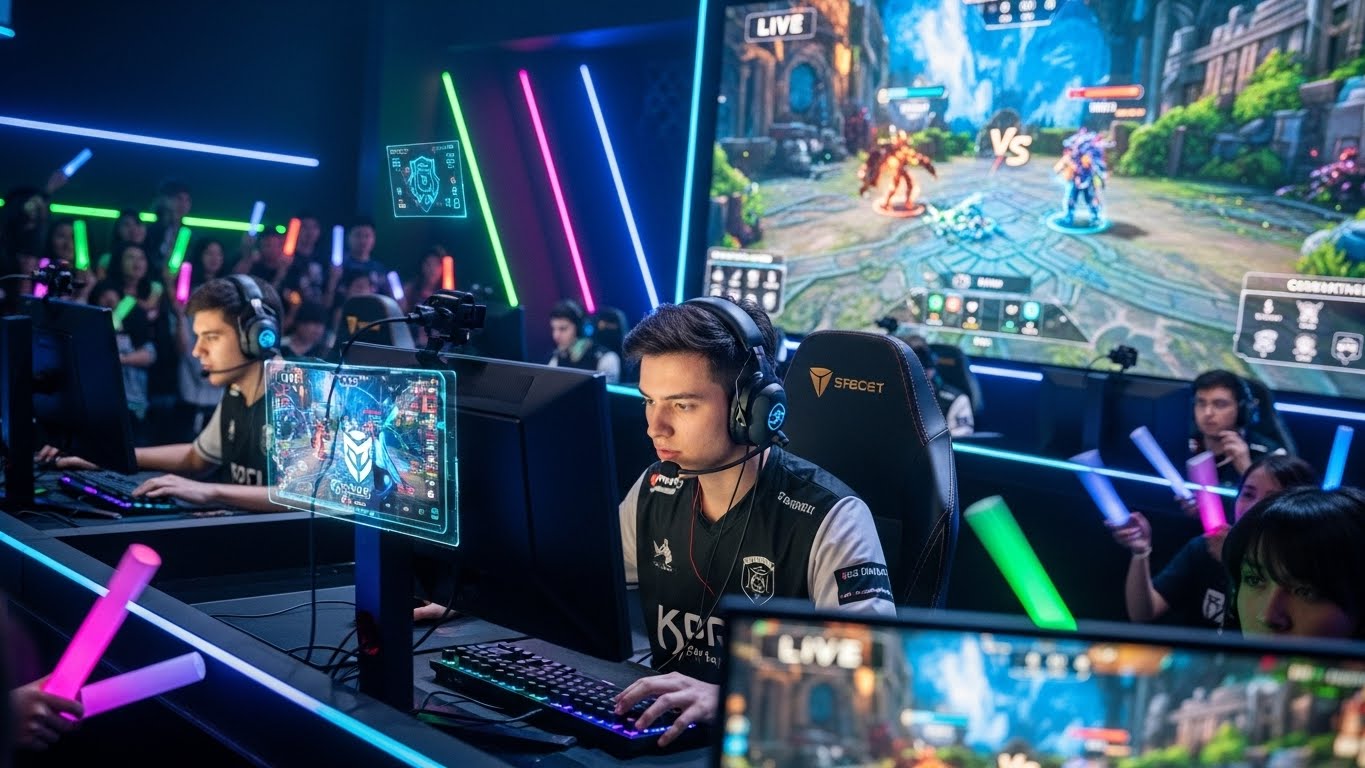
One of the most fascinating aspects of esports is the rise of professional gamers who are now treated as elite athletes. Competitive gaming requires a level of skill, focus, and dedication that rivals traditional sports. Pro players spend countless hours honing their reflexes, strategies, and teamwork to gain an edge over their competitors. These athletes train just like traditional sports figures—often with coaches, analysts, and nutritionists—optimizing their physical and mental performance.
The best esports players can earn significant salaries, not only from tournament prize money but also from sponsorships, streaming, and merchandise sales. Popular esports personalities like Faker (League of Legends), s1mple (Counter-Strike), and Ninja (Fortnite) have built massive fanbases, becoming household names akin to celebrities in traditional sports.
However, the esports world is still young, and players often face the challenge of a relatively short career span. The pressure to perform at the highest level, combined with the intense time commitment required, can lead to burnout. As the industry matures, there is growing attention on the mental health and well-being of players, with more organizations and leagues prioritizing health and support systems for their athletes.
The Fans: A Global, Engaged Community
Esports fans are some of the most passionate and engaged audiences in the world. Unlike traditional sports, where fans primarily consume content through television broadcasts or in-person events, esports fans are highly interactive. Through live streams, social media, and dedicated online communities, fans can engage with their favorite players, teams, and content creators on a personal level.
The sense of community in esports is unparalleled. Fans from all corners of the globe tune in to watch live tournaments, cheer for their teams, and even participate in discussions around gameplay strategies. Platforms like Reddit, Discord, and Twitter serve as hubs for fan interaction, where they share content, discuss matches, and build relationships with other fans.
What makes esports especially unique is its ability to transcend geographical and cultural barriers. A fan in Brazil can connect with another fan in Japan, bonded by their love for the same game and team. This global reach and inclusivity are key factors in esports’ meteoric rise and its future potential as a worldwide entertainment phenomenon.
The Future of Esports: Beyond Traditional Gaming
Esports is not just about competitive gaming anymore—it’s about creating experiences. In the future, we can expect to see further integration of virtual reality (VR) and augmented reality (AR) technologies to enhance the spectator experience. Imagine watching an esports match where you can virtually place yourself in the stadium or interact with the game’s environment in real time.
Moreover, as the esports ecosystem continues to grow, we may see a fusion between traditional sports and esports. Some sports organizations, including the NBA and NFL, have already begun investing in esports teams and events. It’s possible that, in the future, esports could be included as part of the Olympic Games, further legitimizing its place in the sports and entertainment landscape.
The continued growth of mobile gaming is another key area for the future of esports. With more players turning to smartphones for competitive gaming, titles like “PUBG Mobile” and “Arena of Valor” have seen huge esports scenes emerge. This trend is likely to continue, expanding the global esports audience even further.
The Challenges: Addressing Sustainability and Diversity
While esports has flourished, there are still challenges that the industry must address as it matures. One major issue is ensuring sustainability—both in terms of the ecosystem and the mental health of players. With the pressure to perform at the highest level, many players experience stress, burnout, and even physical ailments like carpal tunnel syndrome. As the industry grows, creating a healthy work-life balance for players and supporting mental well-being will be critical.
Diversity and inclusion are also pressing issues. While esports is largely inclusive, there are still challenges regarding gender representation and accessibility for players from diverse backgrounds. As the industry continues to evolve, ensuring that esports is an open and welcoming space for everyone—regardless of gender, race, or socio-economic background—will be key to its continued success.
Conclusion: Esports is Here to Stay
Esports has transcended the boundaries of traditional gaming, becoming a global force in the entertainment industry. Its rise has been nothing short of revolutionary, and its potential for continued growth is immense. With its dedicated players, passionate fans, and expanding business opportunities, esports is on a trajectory to become one of the dominant forms of entertainment in the years to come.
For both fans and players alike, esports is more than just a game—it’s a community, a career, and a cultural phenomenon. As the industry continues to innovate and evolve, the future of competitive gaming looks brighter than ever. So, whether you’re a hardcore gamer, a casual viewer, or someone who’s just discovering the world of esports, one thing is clear: the digital arena is the place to be.